
Can a Worn Belt Affect Vacuum Suction? Explained

Quick Answer
Yes, a worn vacuum belt can make suction seem weaker by slowing or stopping the brush roll that lifts dirt from carpets. However, the belt usually does not directly reduce the suction motor’s airflow. If hose suction remains strong but carpet pickup is poor, check the belt and brush roll. If suction is weak everywhere, investigate clogs, filters, and airflow leaks.
A vacuum can sound perfectly normal while leaving hair, lint, and crumbs behind. That frustrating change often makes people suspect a failing motor, even when the real problem sits underneath the cleaner head.
On belt-driven vacuums, a stretched or damaged belt can prevent the brush roll from doing its job. Understanding the difference between weak suction and poor dirt pickup helps you find the actual problem before replacing unnecessary parts.
How Does a Worn Belt Affect Vacuum Cleaning Performance?
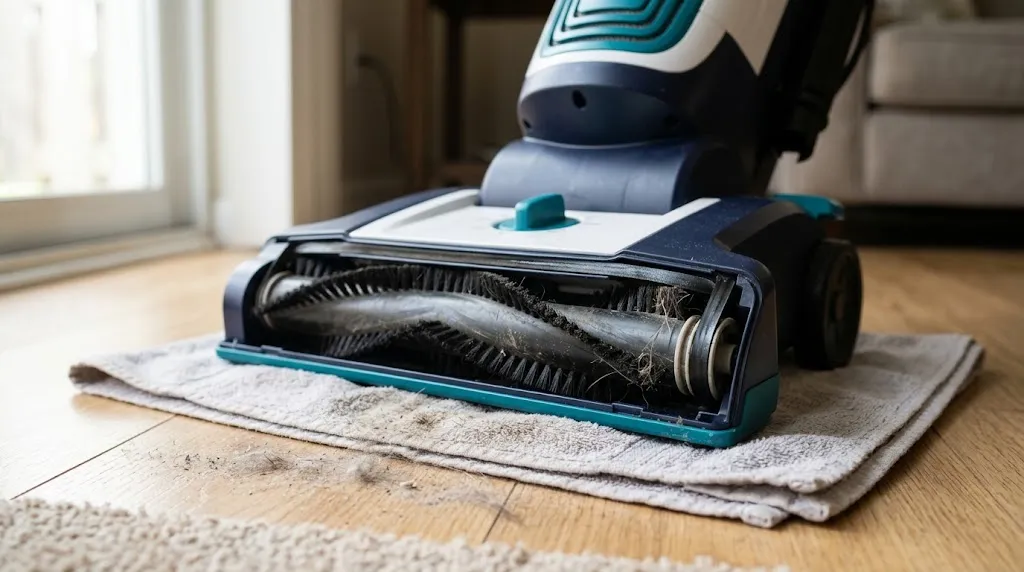
A worn belt mainly affects brush-roll movement and carpet pickup, rather than the suction generated by the vacuum’s motor.
Many upright vacuums use a rubber drive belt to transfer rotation from a motor or drive mechanism to the brush roll. The rotating bristles disturb carpet fibers, loosen embedded dirt, and move debris toward the suction opening.
When the belt stretches, cracks, or loses grip, the brush may rotate too slowly, slip intermittently, or stop completely. The suction motor may continue operating normally, but the cleaner struggles to remove dirt from carpet fibers.
Manufacturer guidance from Hoover’s belt troubleshooting instructions confirms that even an unbroken belt may become too stretched to drive the brush effectively.
Actual Suction Versus Dirt Pickup
These two problems feel similar but have different causes.
| Problem | What Happens | Likely Area to Check |
|---|---|---|
| Worn belt | Brush slows or stops; carpet debris remains | Belt and brush roll |
| Clogged filter | Airflow decreases through the vacuum | Filters and dirt container |
| Blocked hose | Weak airflow at attachments or floorhead | Hose, wand, and air passages |
| Worn brush bristles | Poor carpet agitation despite rotation | Brush-roll condition |
The important distinction is that a vacuum can maintain normal airflow while losing much of its carpet-cleaning effectiveness.
What Are the Signs of a Worn Vacuum Belt?
The most useful warning signs are changes in brush-roll performance, especially when the vacuum still runs normally.
- Poor carpet pickup: Pet hair, lint, and embedded dirt remain after several passes.
- Brush roll stops rotating: The motor runs, but the brush does not move in its normal operating setting.
- Intermittent brush movement: A slipping belt may drive the brush inconsistently.
- Rubber smell: Friction from slipping or a jammed brush can create an unpleasant hot-rubber odor.
- Visible belt damage: Cracks, fraying, stretching, glazing, or melted areas indicate deterioration.
- Reduced carpet agitation: The brush moves but no longer lifts fibers and debris effectively.
These symptoms are clues, not proof. A brush-roll obstruction, incorrect floor setting, worn bearings, or brush-drive fault can produce similar behavior.
If the brush needs cleaning or appears stuck, the guide on how to fix a vacuum brush roll covers the broader mechanical checks.
How Can You Tell Whether the Belt or Suction System Is the Problem?
Compare how the vacuum performs through its hose and through its floorhead. This can help separate an airflow problem from a brush-drive problem without immediately dismantling the machine.
- Check the dirt container. Empty a full bin or replace a full bag according to the manufacturer’s instructions. An overloaded container can interfere with airflow.
- Inspect the hose. Turn off and unplug the vacuum, detach the hose if permitted, and look for visible obstructions.
- Compare cleaning performance. With the vacuum correctly reassembled and operating normally, check whether its hose attachment still picks up lightweight debris while the carpet head struggles.
- Check the brush setting. Confirm that carpet mode or brush-roll operation is enabled. Some machines intentionally stop their brushes on hard floors or in certain positions.
- Inspect the belt. Disconnect power again and examine the user-accessible belt area according to the manual.
If hose pickup seems normal but carpet performance remains poor, the belt or brush roll becomes a stronger suspect.
If both the hose and floorhead have weak airflow, the problem may involve blocked air passages, dirty filters, damaged seals, or another suction-system fault.
For airflow-specific diagnosis, see how a clogged hose reduces vacuum suction.
Key Insight
Strong hose pickup combined with weak carpet pickup points toward the cleaner head, brush roll, or belt. Weak performance at both locations points more strongly toward an airflow restriction or suction-system issue. Neither comparison confirms a diagnosis by itself.
How to Inspect a Vacuum Belt Safely
Most basic inspections involve looking for visible damage and checking whether the brush moves freely. The exact procedure depends on your vacuum model.
Step 1: Disconnect the Power
Switch off the vacuum and unplug it. For cordless models, remove the battery if the manufacturer provides that option.
Never put your hands near the brush roll while the vacuum is connected to power.
Step 2: Locate the Belt Cover
On many traditional uprights, the belt sits beneath the floorhead’s bottom plate. Some designs have a removable cover secured with screws or clips.
Consult the owner’s manual before removing anything. Do not force open a sealed cleaner head or a housing that is not intended for user maintenance.
Step 3: Examine the Belt
Check for cracks, cuts, frayed edges, glossy worn patches, deformation, or signs that the belt has slipped off its correct position.
A belt may also stretch without breaking. Excessive looseness or repeated slipping can prevent dependable brush rotation. Compare its condition and fit with the manufacturer’s specifications rather than relying on appearance alone.
Step 4: Inspect the Brush Roll
Hair, threads, and carpet fibers can wrap around the roller, particularly near its ends. Remove accessible debris carefully, following the cleaning instructions for your model.
Where the manual permits, check that the removed brush roll turns freely. A jammed or damaged roller can overload a new belt and cause another failure.
The BISSELL CleanView belt maintenance guide describes checking both components before reassembly.
Step 5: Reassemble and Test
After cleaning or replacing parts, reinstall the cover and confirm that all components are secure. Test the vacuum only in its normal assembled condition.
If carpet pickup returns, the belt or brush-roll issue was likely contributing to the problem.
Warning
Stop using the vacuum if you notice smoke, persistent burning smells, damaged wiring, or abnormal heat. Do not operate it with the brush housing removed or attempt repairs involving internal electrical components without appropriate training.
When Should You Replace a Worn Vacuum Belt?
Replace a belt when it is broken, visibly damaged, repeatedly slipping, or no longer driving the brush correctly. Use the replacement part specified for your exact vacuum model.
A belt should not be replaced merely because the vacuum has lost suction. Confirm that the machine uses a serviceable belt and that its condition actually warrants replacement.
Some traditional belt-driven vacuums require periodic replacement. Other machines use different drive systems, and their maintenance schedules can vary significantly.
There is no universal replacement interval suitable for every vacuum. Follow your owner’s manual and inspect sooner if the brush stops working properly.
Before fitting a new belt, remove brush-roll tangles and check for mechanical resistance. Otherwise, an underlying jam may quickly damage the replacement.
For a more detailed examination, follow our guide on how to inspect a vacuum belt.
What If Replacing the Belt Does Not Restore Cleaning Performance?
If the new belt is correct and properly installed but the vacuum still performs poorly, continue troubleshooting rather than repeatedly replacing it.
Check the brush roll for worn bristles, stiff bearings, or debris trapped around its ends. Also confirm that the floor-height adjustment matches your carpet.
Next, examine the vacuum’s airflow system. Packed dust, restricted filters, blocked hoses, and poorly seated collection containers can all affect dirt pickup.
Official Shark vacuum maintenance guidance identifies dirty filters, full dust containers, and blockages as important checks when suction is low.
If the brush still does not rotate after these checks, the machine may have a separate brush motor, clutch, drive, or electrical problem. The correct next step depends on its design and service instructions.
How Can You Prevent Premature Belt Wear?
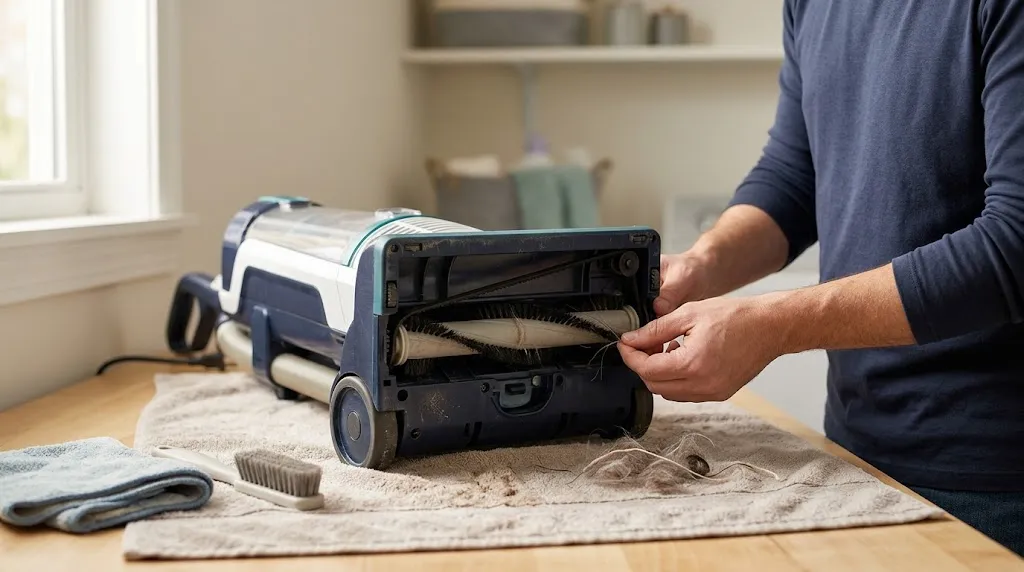
Regular brush-roll care reduces unnecessary resistance and helps a properly fitted belt operate as intended.
- Remove accumulated hair and string before they tightly wrap around the roller.
- Avoid vacuuming objects likely to jam the brush, including long cords and loose fabric.
- Use the correct carpet-height or surface setting when available.
- Inspect accessible belts during scheduled maintenance.
- Use manufacturer-approved replacement parts rather than guessing at belt size.
- Investigate recurring slipping, unusual noise, or burning smells promptly.
A routine check of the brush, belt, filters, and airflow path can prevent smaller maintenance problems from becoming larger ones. Our monthly vacuum maintenance checklist provides a broader cleaning and inspection routine.
Relevant Product
Replacement Vacuum Cleaner Belts
A compatible replacement belt can restore brush-roll drive when the original belt is stretched or damaged. Match the replacement to your exact vacuum model and part number before ordering. A new belt will not fix clogged filters or a blocked hose.
As an Amazon Associate, we earn from qualifying purchases.
Frequently Asked Questions
Can a vacuum belt be worn out without being broken?
Yes. A belt can become stretched, glazed, or loose while remaining intact. It may then slip or fail to rotate the brush effectively, especially during carpet cleaning.
Will a vacuum still work if its belt breaks?
Many belt-driven vacuums will still run their suction motors after the brush belt breaks. However, carpet pickup may deteriorate considerably because the brush no longer agitates the fibers.
Does every vacuum cleaner have a belt?
No. Some vacuums use separately motorized brush rolls, direct-drive mechanisms, or suction-only floorheads. Check your model documentation before purchasing or attempting to inspect a belt.
Can the wrong replacement belt damage a vacuum?
Yes. An incompatible belt may fit incorrectly, slip, create excessive tension, or interfere with the brush-drive mechanism. Always match the manufacturer’s specified part number.
Can a worn belt make a vacuum smell like burning rubber?
Yes. A slipping belt can produce friction and a hot-rubber odor. A jammed brush or other mechanical problem can produce similar symptoms. Switch off and disconnect the vacuum before investigating.
Will a new belt make a vacuum more powerful?
A new belt can restore normal brush-roll performance if the old one was slipping or damaged. It does not increase the suction motor’s designed power or resolve airflow restrictions elsewhere in the vacuum.
Conclusion
A worn vacuum belt can seriously reduce cleaning performance without directly weakening the suction motor. The clearest clue is poor carpet pickup combined with otherwise normal airflow.
Inspect the belt and brush roll first when carpet cleaning deteriorates. If suction is weak through the hose as well, check filters, obstructions, and air leaks. Identifying the difference helps you choose the right repair instead of replacing parts unnecessarily.
