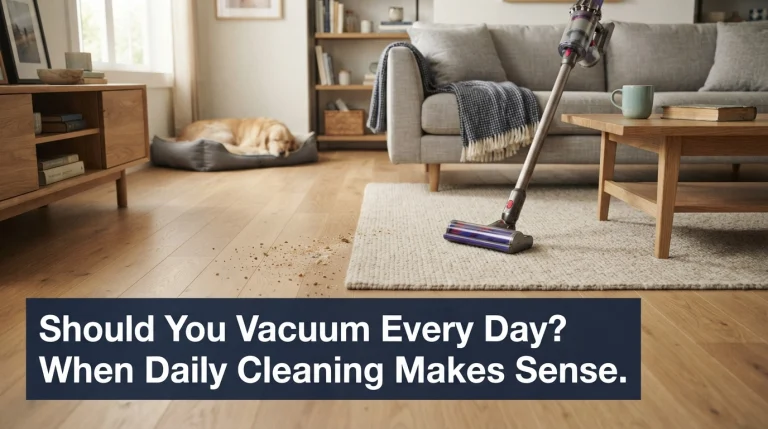
Should You Vacuum Every Day? When Daily Cleaning Makes Sense ByBelayet Hossain October 25, 2026October 25, 2026
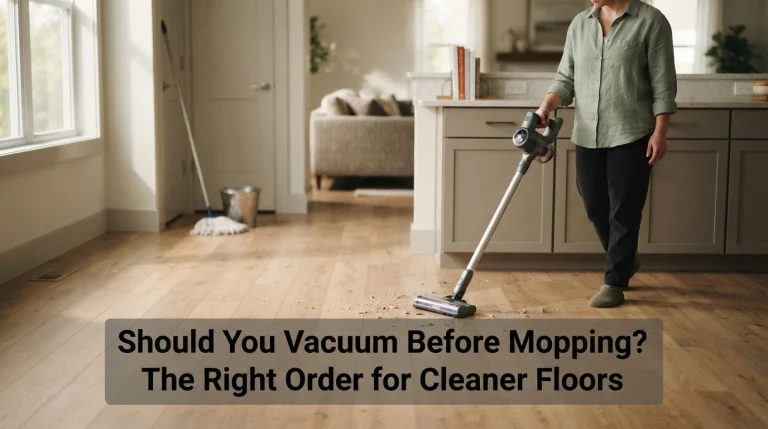
Should You Vacuum Before Mopping? The Right Order for Cleaner Floors ByBelayet Hossain October 25, 2026October 25, 2026
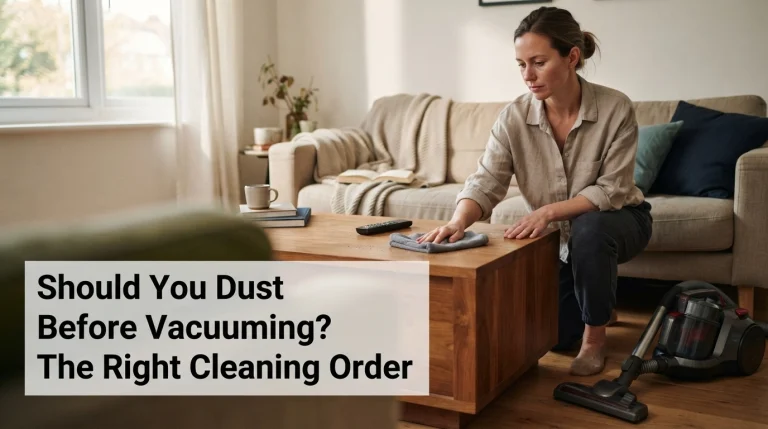
Should You Dust Before Vacuuming? The Right Cleaning Order ByBelayet Hossain October 25, 2026October 25, 2026
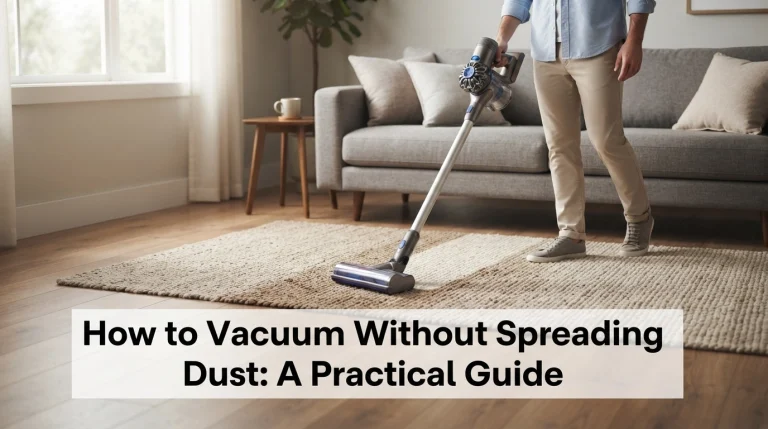
How to Vacuum Without Spreading Dust: A Practical Guide ByBelayet Hossain October 25, 2026October 25, 2026
How to Vacuum More Efficiently: 10 Practical Cleaning Tips ByBelayet Hossain October 25, 2026October 25, 2026
What’s the Best Way to Vacuum Laminate Flooring? A Safe Step-by-Step Guide ByBelayet Hossain October 24, 2026October 24, 2026
What’s the Best Way to Vacuum Tile Floors? A Practical Cleaning Guide ByBelayet Hossain October 24, 2026October 24, 2026
What’s the Best Way to Vacuum Hardwood Floors? A Safe, Effective Guide ByBelayet Hossain October 24, 2026October 24, 2026
What’s the Best Way to Vacuum Carpet? A Step-by-Step Guide ByBelayet Hossain October 24, 2026October 24, 2026
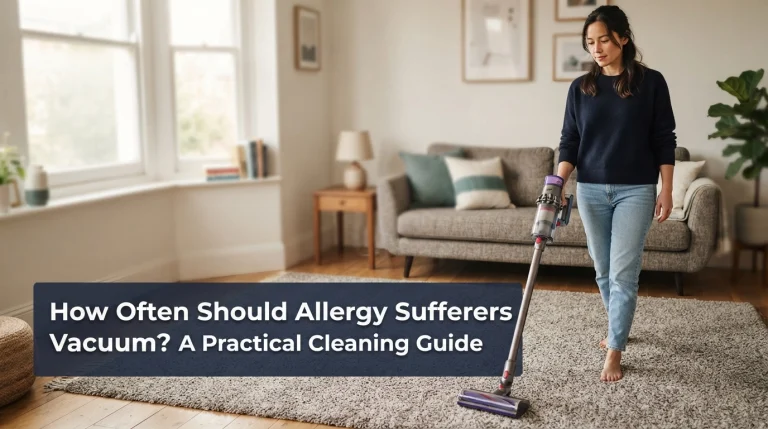
How Often Should Allergy Sufferers Vacuum? A Practical Cleaning Guide ByBelayet Hossain October 24, 2026October 24, 2026