
Can Air Purifier Get Rid Of Dust Mites? Proven Solution

Yes, an air purifier can help reduce dust mite allergens in your home, but it’s not a standalone solution for eliminating dust mites themselves. A high-quality air purifier with a HEPA filter is crucial for capturing airborne dust mite feces and body fragments, significantly improving air quality for allergy sufferers.
Can Air Purifier Get Rid Of Dust Mites? The Proven Solution You Need
Dust mites are microscopic creatures that thrive in warm, humid environments, often found in bedding, carpets, and upholstery. Their waste products are a common trigger for allergies and asthma, causing symptoms like sneezing, itchy eyes, and breathing difficulties. Many people wonder, “Can air purifier get rid of dust mites?” While an air purifier won’t eradicate these tiny pests, it can be a powerful ally in managing their allergens and creating a healthier living space. Let’s explore how.
Understanding the Dust Mite Problem
Dust mites themselves are too large to be effectively captured by most air purifiers. However, the real culprits behind allergic reactions are the tiny fecal pellets and decaying body fragments they leave behind. These microscopic particles become airborne when disturbed, such as during vacuuming, dusting, or even just movement within a room. Once airborne, they can be inhaled, triggering allergic responses in sensitive individuals.
How Air Purifiers Combat Dust Mite Allergens
The primary way air purifiers help with dust mite issues is by filtering the air. A purifier equipped with a True HEPA (High-Efficiency Particulate Air) filter is designed to capture at least 99.97% of airborne particles as small as 0.3 microns. This includes the minuscule dust mite allergens that become suspended in the air, preventing them from circulating and being inhaled.
The Role of HEPA Filters
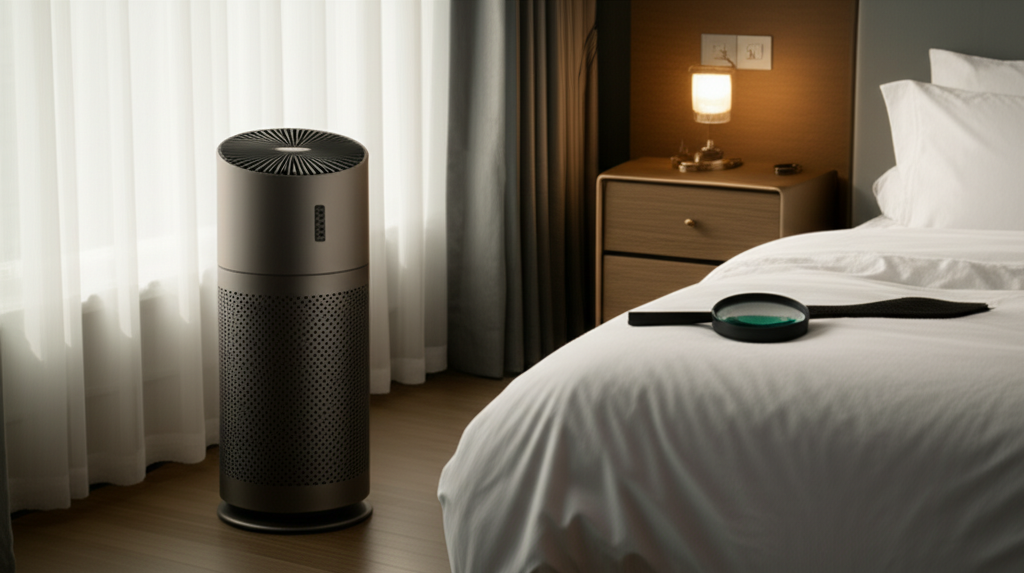
A True HEPA filter is the gold standard for allergen removal. Unlike other types of filters that might only trap larger particles, HEPA filters are engineered to trap even the smallest airborne irritants. When an air purifier with a HEPA filter is running, it effectively draws in air, passes it through the filter, and releases cleaner air back into the room, significantly reducing the concentration of dust mite allergens.
Beyond HEPA: Activated Carbon for Odors
While HEPA filters tackle the physical allergens, many air purifiers also feature activated carbon filters. These filters are excellent at adsorbing odors and volatile organic compounds (VOCs) that might be present in the air. While not directly related to dust mites, a cleaner-smelling environment can contribute to overall comfort and well-being, especially for those sensitive to various indoor air pollutants.
Choosing the Right Air Purifier for Dust Mites
When selecting an air purifier to combat dust mite allergens, consider several key features. The presence of a True HEPA filter is non-negotiable. Additionally, look for a unit with a sufficient Clean Air Delivery Rate (CADR) for the size of the room you intend to use it in. A larger room will require a purifier with a higher CADR to effectively clean the air.
Key Features to Look For
True HEPA Filter: Essential for capturing microscopic allergens.
Activated Carbon Filter: Helps with odors and VOCs.
Appropriate CADR: Matches the purifier’s capacity to your room size.
Pre-filter: Captures larger particles like pet hair and visible dust, extending the life of the HEPA filter.
Quiet Operation: Important for bedrooms and living areas.
Coverage Area and CADR Explained
The coverage area indicates the maximum room size the air purifier can effectively service. The CADR rating, provided by manufacturers, measures how quickly the unit filters specific pollutants like dust, pollen, and smoke. A higher CADR means faster air cleaning. For dust mite allergens, a unit with a CADR of 100 or higher for dust is generally recommended for average-sized bedrooms.
Air Purifiers vs. Other Dust Mite Solutions
It’s crucial to understand that an air purifier is part of a comprehensive strategy for managing dust mites. It complements, rather than replaces, other effective methods. While an air purifier cleans airborne allergens, it doesn’t eliminate the source of dust mites.
Complementary Dust Mite Control Strategies
To truly combat dust mites, you need to address their living conditions. This involves:
Washing Bedding Regularly: Use hot water (at least 130°F or 54°C) weekly to kill dust mites.
Enclosing Mattresses and Pillows: Use allergen-proof covers to create a barrier.
Reducing Humidity: Keep indoor humidity below 50% using dehumidifiers.
Vacuuming Frequently: Use a vacuum cleaner with a HEPA filter to capture dust and allergens.
Decluttering: Minimize dust-collecting items like stuffed animals and excessive fabric decorations.
Where to Place Your Air Purifier for Maximum Effectiveness
The placement of your air purifier can significantly impact its effectiveness in reducing dust mite allergens. For the best results, place it in the rooms where you spend the most time, especially bedrooms. This is because dust mites often accumulate in bedding and mattresses.
Bedroom Placement: A Priority
Your bedroom is a prime location for dust mite control. Running an air purifier in your bedroom overnight can help clear the air of allergens while you sleep, leading to a more restful night and reduced allergy symptoms. Ensure it’s placed where it has good airflow, away from walls or furniture that might obstruct intake.
Living Areas and Other High-Traffic Zones
Consider placing air purifiers in other frequently used areas like the living room or home office. This ensures that airborne dust mite allergens are captured throughout your home, providing a more consistent improvement in air quality.
Maintenance: Keeping Your Air Purifier Effective
To ensure your air purifier continues to effectively tackle dust mite allergens, regular maintenance is essential. This primarily involves cleaning or replacing the filters according to the manufacturer’s recommendations.
Filter Replacement Schedule
HEPA filters typically need to be replaced every 6 to 12 months, depending on usage and the level of pollutants in your environment. Activated carbon filters may also need periodic replacement. Neglecting filter changes can reduce the purifier’s efficiency and even cause it to release trapped particles back into the air.
Cleaning the Pre-Filter
The pre-filter, which captures larger debris, can often be washed or vacuumed. Cleaning it regularly will prolong the life of the main HEPA filter and maintain optimal performance. Always refer to your air purifier’s manual for specific cleaning and replacement instructions.
Can Air Purifier Get Rid Of Dust Mites? The Verdict
So, to answer the question, “Can air purifier get rid of dust mites?” The definitive answer is no, an air purifier cannot kill or eliminate dust mites themselves. However, it plays a vital role in managing the allergic reactions caused by their microscopic waste products. By effectively capturing airborne allergens, an air purifier significantly improves indoor air quality, offering relief to allergy and asthma sufferers.
Expert Insights and Scientific Backing
Numerous studies and health organizations, such as the Asthma and Allergy Foundation of America, recommend air purifiers with HEPA filters as part of a strategy to reduce indoor allergens. For instance, research published in the Journal of Allergy and Clinical Immunology has demonstrated the efficacy of HEPA filtration in reducing airborne particulate matter, including common indoor allergens like dust mite proteins. This scientific backing underscores the value of incorporating an air purifier into your dust mite management plan.
Beyond Allergens: Other Air Quality Benefits
While focusing on dust mite allergens, it’s worth noting that a good air purifier offers broader air quality benefits. They can also help filter out other common indoor pollutants such as pollen, pet dander, mold spores, and smoke particles. This comprehensive approach to air purification creates a healthier and more comfortable living environment for everyone in your household.
Frequently Asked Questions (FAQ)
Do air purifiers kill dust mites?
No, air purifiers do not kill dust mites. They work by capturing the microscopic allergens (feces and body fragments) that dust mites shed, which become airborne.
What type of air purifier is best for dust mite allergies?
An air purifier with a True HEPA filter is essential. Look for units with a high CADR rating appropriate for your room size and consider one with an activated carbon filter for odor control.
How often should I replace the HEPA filter?
Generally, HEPA filters should be replaced every 6 to 12 months, depending on usage and air quality. Always check the manufacturer’s recommendations.
Can an air purifier help with my dust mite allergy symptoms?
Yes, by removing airborne dust mite allergens, an air purifier can significantly reduce allergy symptoms like sneezing, coughing, and itchy eyes.
Where is the best place to put an air purifier for dust mites?
The best placement is in bedrooms and living areas where you spend the most time, ensuring good airflow around the unit.
Are air purifiers effective against all dust mite stages?
Air purifiers are effective against the airborne allergens produced by dust mites, not the mites themselves or their eggs.
Final Verdict on Air Purifiers and Dust Mites
In conclusion, when you ask, “Can air purifier get rid of dust mites?” the answer is nuanced but ultimately positive for allergen management. While they don’t eliminate the mites themselves, air purifiers with True HEPA filters are indispensable tools for capturing the airborne allergens that cause so much discomfort. By combining a quality air purifier with consistent cleaning, humidity control, and allergen-proof bedding, you can create a significantly healthier living environment and breathe easier, free from the constant burden of dust mite allergies.
