
Do Air Purifier Remove Smoke? Proven Solution

Yes, air purifiers are highly effective at removing smoke from your home, tackling everything from wildfire haze to cooking fumes and cigarette smoke, offering a proven solution for cleaner air.
The lingering smell and visibility of smoke can be a real nuisance, impacting your home’s comfort and your family’s health. Whether it’s the acrid scent of a nearby wildfire, the persistent odor from cooking, or the health concerns associated with secondhand smoke, finding a reliable solution is crucial. Fortunately, modern air purifiers are designed with advanced filtration systems that can effectively capture smoke particles and neutralize odors, bringing fresh air back into your living spaces. This guide will walk you through exactly how they work and what to look for to ensure you get the best results.
How Air Purifiers Tackle Smoke Particles
Air purifiers are designed with multi-stage filtration systems that effectively capture smoke particles of various sizes. These systems work together to trap airborne irritants, significantly improving indoor air quality.
The primary mechanism involves drawing in air, passing it through specialized filters, and then releasing cleaner air back into the room. This process is continuous, actively reducing the concentration of smoke pollutants over time.
The Role of HEPA Filters
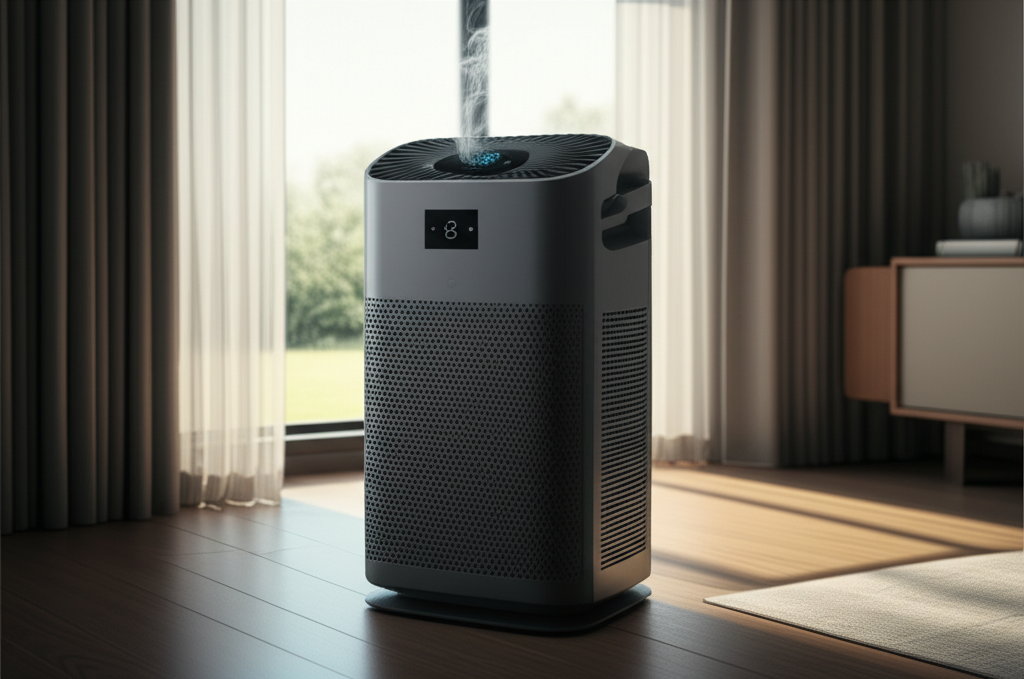
High-Efficiency Particulate Air (HEPA) filters are the backbone of most effective air purifiers when it comes to smoke removal. They are designed to capture at least 99.97% of airborne particles as small as 0.3 microns.
Smoke particles, whether from burning wood, tobacco, or cooking, are well within this size range. A true HEPA filter will physically trap these tiny particles, preventing them from recirculating in your home.
Activated Carbon Filters for Odor Elimination
While HEPA filters capture the physical particles of smoke, activated carbon filters are essential for tackling the associated odors. These filters are highly porous and adsorb odor-causing molecules from the air.
The vast surface area of activated carbon acts like a sponge, trapping volatile organic compounds (VOCs) and other gas-phase pollutants that create the unpleasant smell of smoke. This dual-action filtration is key to a truly smoke-free environment.
Pre-filters: The First Line of Defense
Most air purifiers include a pre-filter, which is the first layer of filtration. This layer is typically a mesh screen designed to capture larger particles like dust, pet hair, and lint.
By trapping these larger debris, the pre-filter protects the more sensitive HEPA and carbon filters, extending their lifespan and maintaining the overall efficiency of the unit. This is particularly important when dealing with heavy smoke, which can quickly clog finer filters.
Understanding Different Types of Smoke and Their Removal
Different sources of smoke present unique challenges for air purifiers, but effective filtration can address them all. Understanding the nature of the smoke helps in choosing the right purifier.
From the fine particulate matter of wildfire smoke to the complex chemical compounds in tobacco smoke, air purifiers employ specific technologies to neutralize these airborne threats.
Wildfire Smoke: A Major Challenge
Wildfire smoke contains a complex mix of fine particulate matter (PM2.5), gases, and volatile organic compounds (VOCs). These microscopic particles can penetrate deep into the lungs, posing significant health risks.
Air purifiers with high-quality HEPA filters are critical for capturing the fine particulate matter. Additionally, activated carbon filters are vital for adsorbing the gaseous pollutants and odors that accompany wildfire smoke, making indoor air breathable again.
Cooking Smoke and Odors
Frying, grilling, or even burning food can release smoke and strong odors into your kitchen and beyond. These particles can settle on surfaces and leave a persistent smell.
A robust air purifier with a substantial activated carbon filter is highly recommended for cooking smoke. This will effectively capture grease particles and neutralize the pungent aromas, preventing them from permeating your home.
Tobacco Smoke: A Persistent Problem
Secondhand tobacco smoke is a cocktail of harmful chemicals and fine particles that linger in the air and on surfaces. It’s a significant health hazard and difficult to eliminate completely.
For tobacco smoke, a powerful air purifier with both a true HEPA filter and a high-capacity activated carbon filter is essential. These units are designed to trap the fine particles and adsorb the numerous VOCs and odor molecules associated with smoking.
Choosing the Right Air Purifier for Smoke
Selecting the best air purifier for smoke involves considering several key features that ensure effective and efficient performance. It’s not just about having a filter; it’s about the quality and capacity of those filters.
When smoke is a concern, you need a unit specifically designed to handle particulate matter and odors, with adequate coverage for your space.
Key Features to Look For
- True HEPA Filter: Ensure the purifier explicitly states it has a “True HEPA” filter, capable of capturing 99.97% of particles 0.3 microns in size.
- Activated Carbon Filter: Look for a substantial activated carbon filter, ideally measured in pounds or with a high surface area, for effective odor and gas removal.
- CADR Rating: The Clean Air Delivery Rate (CADR) indicates how quickly the purifier can clean the air. Higher CADR ratings for smoke, dust, and pollen mean faster purification.
- Room Size Coverage: Select a purifier rated for a room size larger than the one you intend to use it in for maximum effectiveness, especially during high smoke events.
- Air Changes per Hour (ACH): Aim for a unit that can perform at least 4-5 air changes per hour in your room to ensure consistent air cleaning.
Understanding CADR Ratings
The CADR rating is a standardized measure of an air purifier’s effectiveness in removing specific pollutants. It’s crucial for smoke removal, as it tells you how quickly the unit can clean your air.
A higher CADR for smoke indicates a more powerful unit that can handle dense smoke conditions more efficiently. For example, a CADR of 200 for smoke means the purifier can deliver 200 cubic feet of clean air per minute.
HEPA vs. HEPA-Type Filters
It’s vital to distinguish between “True HEPA” filters and “HEPA-type” or “HEPA-like” filters. Only True HEPA filters meet the strict standards set by the U.S. Department of Energy.
HEPA-type filters may capture a high percentage of particles, but they don’t meet the 99.97% efficiency for 0.3-micron particles that True HEPA filters do. For smoke, always opt for a True HEPA filter.
Performance and Effectiveness: What the Science Says
Numerous studies and real-world tests confirm the efficacy of air purifiers in removing smoke. The technology is well-established and proven to make a significant difference in air quality.
Scientific evaluations consistently demonstrate that air purifiers, particularly those equipped with HEPA and activated carbon filters, are effective tools for mitigating smoke-related air pollution.
Impact on Wildfire Smoke Events
During wildfire seasons, air purifiers have shown remarkable effectiveness in reducing indoor PM2.5 levels. Studies by organizations like the EPA and researchers at universities highlight their role in creating safer indoor environments.
Research published in journals like the Journal of Exposure Science & Environmental Epidemiology has documented significant reductions in indoor particulate matter when air purifiers are used during wildfire events. This makes them an indispensable tool for protecting health.
Effectiveness Against Secondhand Smoke
Air purifiers can significantly reduce exposure to secondhand smoke, though they cannot eliminate all risks associated with smoking indoors. They are a valuable supplement to smoke-free policies.
According to the American Lung Association, air purifiers with HEPA filters can remove fine particles from secondhand smoke, and those with activated carbon filters can help reduce odors and some gases. However, they do not remove all the harmful chemicals, and a smoke-free environment remains the best approach.
Maintenance and Filter Replacement for Optimal Performance
To ensure your air purifier continues to effectively remove smoke, regular maintenance and timely filter replacement are crucial. Neglecting this can significantly reduce its performance.
The filters are the workhorses of your air purifier, and their condition directly impacts how well it can clean your air. Keeping them in top shape is key to long-term effectiveness.
Filter Lifespan and Replacement Schedule
The lifespan of your air purifier’s filters depends on usage and the level of pollutants in your air. Smoke, especially dense smoke, will shorten filter life.
HEPA filters typically last 6-12 months, while activated carbon filters may need replacement every 3-6 months, depending on their capacity and the amount of odor they are absorbing. Always check the manufacturer’s recommendations.
Cleaning and Care Tips
Regularly cleaning the exterior and accessible parts of your air purifier will help maintain its efficiency. The pre-filter, if washable, should be cleaned more frequently.
Gently vacuuming the pre-filter or washing it with mild soap and water (if manufacturer-approved) can remove larger particles, preventing them from reaching the main filters. Ensure all parts are completely dry before reassembly.
When Air Purifiers Might Struggle
While air purifiers are powerful tools, there are limitations to their effectiveness, especially in extreme situations or when not used correctly. Understanding these helps set realistic expectations.
Certain conditions or improper use can hinder an air purifier’s ability to fully eliminate smoke, emphasizing the importance of correct selection and operation.
Overwhelming Smoke Levels
In cases of extremely dense and prolonged smoke exposure, such as during a major wildfire directly impacting your area, an air purifier might struggle to keep up. The sheer volume of pollutants can saturate filters quickly.
In such severe events, it might be necessary to supplement the air purifier with other measures, like sealing windows and doors or even temporary relocation if air quality becomes critically dangerous. Air purifiers are most effective when they can circulate and filter air at a reasonable rate.
Air Leakage and Poor Ventilation
If smoke is continuously entering your home through gaps in windows, doors, or poor ventilation systems, an air purifier will be fighting a losing battle. It can only clean the air that passes through it.
Ensuring your home is well-sealed and that any existing ventilation systems are properly managed is crucial. For example, during wildfire smoke events, keeping windows and doors closed and sealing any drafts is paramount for the air purifier to work effectively.
Air Purifier vs. Other Smoke Removal Methods
While air purifiers are highly effective, they are often part of a broader strategy for managing smoke in the home. Comparing them to other methods highlights their unique benefits.
Other methods might offer temporary relief or address specific aspects of smoke, but air purifiers provide continuous, comprehensive air cleaning.
Ventilation and Air Circulation
Opening windows for ventilation can help clear smoke, but this is only effective when outdoor air quality is better than indoor air. During wildfire events, this can introduce more pollutants.
Air purifiers offer a controlled solution, cleaning indoor air without the need to open windows, making them a safer and more reliable option during poor outdoor air quality events. They also circulate air within the room, ensuring no stagnant pockets of smoke.
Odor Absorbers and Neutralizers
Products like baking soda or activated charcoal sachets can absorb some odors, but they are generally less effective for comprehensive smoke removal than air purifiers.
These passive methods can help with minor odors but lack the active filtration capabilities of an air purifier. An air purifier tackles both the particles and the gases that cause smoke odor, offering a more complete solution.
Frequently Asked Questions About Air Purifiers and Smoke
Will an air purifier completely eliminate smoke odor?
Air purifiers with substantial activated carbon filters are very effective at removing smoke odors by adsorbing odor-causing molecules. While they significantly reduce or eliminate most odors, extremely strong or prolonged smoke exposure might leave faint residual scents that require time or additional carbon filter capacity to fully dissipate.
How many air changes per hour (ACH) do I need for smoke?
For effective smoke removal, aim for an air purifier that provides at least 4-5 air changes per hour (ACH) in the room where it’s used. This ensures the air is circulated and filtered frequently enough to manage smoke particles and odors efficiently.
Can air purifiers remove smoke from cigarettes?
Yes, air purifiers equipped with both a true HEPA filter and a high-capacity activated carbon filter are effective at removing fine particles and odors associated with cigarette smoke. They are a valuable tool for improving air quality in environments where smoking occurs, though a smoke-free environment is always the healthiest option.
How often should I replace filters if I’m dealing with smoke?
If you are consistently dealing with smoke, you will likely need to replace your air purifier’s filters more frequently than the manufacturer’s standard recommendation. HEPA filters might last 6-12 months, and carbon filters 3-6 months, but heavy smoke exposure can shorten this lifespan significantly. Check your filters regularly for visible soiling.
Are air purifiers effective against wildfire smoke?
Yes, air purifiers are highly effective against wildfire smoke, especially models with true HEPA filters and substantial activated carbon filters. They can significantly reduce the concentration of fine particulate matter (PM2.5) and adsorb harmful gases and odors, making indoor air much safer and more breathable.
Do air purifiers remove the smell of burnt food?
Air purifiers with activated carbon filters are excellent at removing the smells associated with burnt food. The carbon adsorbs the volatile organic compounds responsible for the odor, helping to clear your kitchen and home of unpleasant cooking smells.
Conclusion
In conclusion, the question of “do air purifiers remove smoke?” has a resounding and proven answer: yes. Air purifiers, particularly those equipped with a combination of true HEPA and activated carbon filters, are exceptionally effective at capturing smoke particles and neutralizing the odors they produce. Whether you’re contending with the pervasive haze of wildfires, the persistent smells from cooking, or the health concerns of tobacco smoke, a well-chosen air purifier offers a tangible and reliable solution for cleaner, fresher indoor air. By understanding the technology, choosing the right unit with adequate CADR and room coverage, and performing regular maintenance, you can significantly improve your home’s air quality and create a more comfortable and healthy living environment. Investing in a quality air purifier is a proactive step towards breathing easier, especially when smoke becomes an unwelcome presence.
