
Can Air Purifier Get Rid Of Dust? Essential Guide

Yes, air purifiers can significantly reduce and even eliminate dust from your home by capturing airborne particles. This guide will explain how they work and what to look for.
Are you tired of constantly battling dust bunnies that seem to reappear moments after you’ve cleaned? It’s a common frustration, leaving homes feeling less than fresh and potentially impacting air quality. The good news is that an air purifier might be the solution you’ve been searching for. In this essential guide, I’ll walk you through how these devices tackle dust, what features matter most, and how to choose the best one for your needs, ensuring cleaner air and a healthier living space.
How Air Purifiers Effectively Capture Dust
Air purifiers are designed to filter the air, and dust is a primary target. They work by drawing in the air from your room, passing it through a series of filters, and then releasing cleaner air back into the environment. This continuous cycle effectively traps dust particles, preventing them from settling back onto your surfaces.
The effectiveness of an air purifier in removing dust largely depends on its filtration system. A good air purifier will have multiple stages of filtration to capture various sizes of particles, including those that make up household dust.
The Role of HEPA Filters in Dust Removal
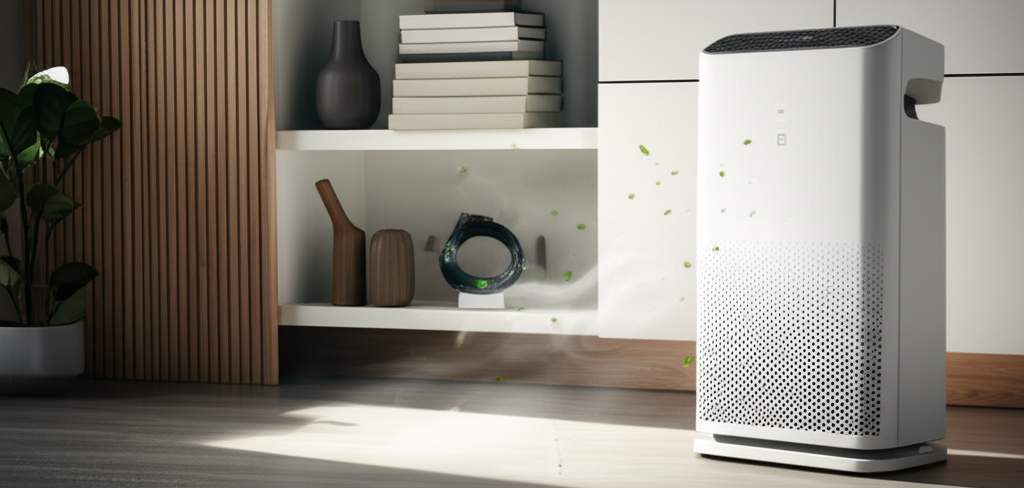
High-Efficiency Particulate Air (HEPA) filters are the gold standard for capturing fine particles, including dust. A true HEPA filter is certified to capture at least 99.97% of airborne particles 0.3 microns in size. Dust particles, while they can vary in size, are often composed of smaller fragments that HEPA filters are adept at trapping.
These filters use a dense mat of fibers to catch particles through impaction, interception, and diffusion. This makes them incredibly effective at removing not just visible dust but also smaller allergens and irritants that contribute to dust.
Beyond HEPA: Pre-filters and Activated Carbon
While HEPA filters are crucial, many air purifiers also incorporate pre-filters and activated carbon filters. A pre-filter captures larger particles like pet hair and visible dust, extending the life of the HEPA filter. Activated carbon filters excel at absorbing odors and volatile organic compounds (VOCs), which can sometimes accompany dust.
This multi-stage approach ensures that the air purifier tackles a wide range of airborne contaminants, not just dust. By removing larger debris first, the HEPA filter can focus on the finer particles, optimizing the unit’s performance and longevity.
Choosing the Right Air Purifier for Dust Control
When selecting an air purifier specifically for dust, several factors should guide your decision. The size of the room you intend to use it in is paramount, as is the type and effectiveness of its filtration system. Understanding these elements will help you make an informed choice.
It’s also important to consider the unit’s energy efficiency and noise levels, especially if it will be running continuously.
Understanding CADR for Dust
Clean Air Delivery Rate (CADR) is a crucial metric for evaluating an air purifier’s effectiveness, particularly for dust. It measures how quickly the unit can filter dust, smoke, and pollen from a room. A higher CADR rating indicates faster and more efficient air cleaning.
When comparing models, look for the dust CADR rating. This number will help you determine if the purifier is adequately sized for your space and can handle the dust load you’re experiencing.
Room Size and Air Changes Per Hour (ACH)
An air purifier’s effectiveness is directly tied to the size of the room it’s placed in. Manufacturers typically provide a recommended room size for their units. It’s essential to match the purifier’s capacity to your room’s square footage to ensure optimal performance.
Air Changes Per Hour (ACH) refers to how many times the air purifier can cycle all the air in a room within an hour. For effective dust removal, aim for a unit with at least 4-5 ACH, meaning it cleans the entire room’s air that many times per hour.
Key Features to Look For
When shopping for an air purifier to combat dust, prioritize a true HEPA filter. Additionally, look for a unit with a washable pre-filter to catch larger dust particles and prolong the HEPA filter’s life. Features like an air quality sensor that automatically adjusts fan speed based on detected dust levels can also be beneficial.
Consider units with timers, multiple fan speeds, and filter replacement indicators for convenience and optimal performance. Smart features, like app control, can also offer added convenience in managing your air quality.
How Air Purifiers Work in Different Environments
The effectiveness of an air purifier in reducing dust can vary slightly depending on the environment. Factors like the source of dust, room ventilation, and the presence of other air pollutants play a role. However, in most typical home settings, they are highly beneficial.
Understanding these nuances can help you maximize the benefits of your air purifier.
Air Purifiers in Homes with Pets
Homes with pets often experience higher levels of dust due to pet dander, fur, and tracked-in dirt. Air purifiers equipped with HEPA filters are excellent at capturing these fine particles, significantly reducing the dust load and associated allergens. A good pre-filter is especially important here for trapping pet hair.
For pet owners, choosing an air purifier with a robust pre-filter and a high CADR rating is especially recommended. Many units are specifically marketed for pet owners, highlighting their ability to handle dander and odors effectively.
Air Purifiers in Bedrooms and Living Areas
Bedrooms and living areas are prime locations for dust accumulation. Placing an air purifier in these spaces can lead to a noticeable improvement in air quality and a reduction in the need for frequent dusting. The continuous filtration helps to keep surfaces cleaner for longer periods.
In bedrooms, consider a quieter model or one with a dedicated ‘sleep mode’ to avoid noise disturbances. For living areas, a unit with a higher CADR suitable for the room’s size will provide more comprehensive dust removal.
Air Purifiers and Allergen Season
During allergy season, dust can be exacerbated by outdoor allergens like pollen that get tracked indoors. Air purifiers with HEPA filters are highly effective at capturing these airborne allergens, along with household dust. This can provide significant relief for allergy sufferers.
By trapping pollen, mold spores, and dust mites, an air purifier helps create a cleaner indoor environment, reducing triggers for respiratory issues and allergies.
Maintenance and Best Practices for Dust Control
To ensure your air purifier continues to effectively remove dust, proper maintenance is key. This primarily involves regular cleaning or replacement of the filters, as clogged filters significantly reduce airflow and purification efficiency.
Following the manufacturer’s recommendations for maintenance will help your unit perform optimally for years to come.
When to Replace Air Purifier Filters
HEPA filters typically need replacement every 6 to 12 months, depending on usage and the air quality in your home. Pre-filters, if washable, should be cleaned every 2-4 weeks. Activated carbon filters usually need replacement every 6-12 months as well, as their adsorptive capacity diminishes over time.
Many air purifiers come with filter indicator lights that alert you when it’s time for a change, making maintenance simpler. Neglecting filter replacement is one of the most common reasons air purifiers become less effective.
Tips for Maximizing Dust Capture
Position your air purifier in a central location within the room, away from walls or furniture that could obstruct airflow. Running the unit continuously, especially on a medium to high setting when you are home, will yield the best results for dust reduction. Regularly vacuuming and dusting your home will also complement the air purifier’s work by removing settled dust.
Consider placing units in rooms where dust is most problematic or where you spend the most time. This targeted approach can make a significant difference in your immediate environment.
Can Air Purifiers Eliminate Dust Entirely?
While air purifiers are incredibly effective at reducing airborne dust, they cannot eliminate it entirely. Dust is a complex mixture of particles, including skin cells, fabric fibers, pet dander, and microscopic debris. Some dust will always settle on surfaces, and new dust will continuously enter your home from external sources.
An air purifier’s primary function is to capture dust that is circulating in the air, thereby reducing the amount that settles. It’s a crucial tool for cleaner air but should be part of a broader cleaning routine.
The Importance of Complementary Cleaning
To achieve the cleanest possible air and surfaces, it’s essential to combine air purification with regular household cleaning practices. Vacuuming with a HEPA-filter vacuum, dusting with microfiber cloths, and mopping floors will remove settled dust that the air purifier cannot capture.
This two-pronged approach ensures that both airborne and settled dust are managed effectively, leading to a healthier and more comfortable living environment.
Frequently Asked Questions About Air Purifiers and Dust
Do air purifiers help with the dust I see on furniture?
Air purifiers primarily capture dust that is airborne. While they reduce the amount of dust circulating in the air, which in turn means less dust settles on surfaces over time, they do not directly remove dust that has already accumulated on furniture. Regular dusting and vacuuming are still necessary for visible dust.
Can an air purifier get rid of dust mites?
Yes, air purifiers can help reduce dust mite allergens. Dust mites themselves are too small to be effectively captured by most air purifiers, but their waste products and the shed skin particles that contribute to dust are microscopic and can be captured by HEPA filters.
How often should I run my air purifier for dust?
For optimal dust reduction, it’s recommended to run your air purifier continuously, especially in rooms where dust is a significant concern or where you spend a lot of time. Running it on a medium to high setting during waking hours can maximize its effectiveness.
Will an air purifier make my house dusty less often?
Yes, by consistently removing airborne dust particles, an air purifier can significantly reduce how frequently dust settles on your surfaces. This means you’ll likely need to dust less often, contributing to a cleaner-feeling home.
Are all air purifiers good at removing dust?
No, not all air purifiers are created equal when it comes to dust removal. Those equipped with true HEPA filters are the most effective. Air purifiers with only basic filters or ionizers without HEPA might not capture fine dust particles efficiently.
What is the best type of filter for dust?
The best type of filter for dust is a true HEPA filter, which is certified to capture at least 99.97% of airborne particles as small as 0.3 microns. A pre-filter is also beneficial for capturing larger dust particles and extending the HEPA filter’s life.
Conclusion: Air Purifiers as a Powerful Dust Solution
So, can an air purifier get rid of dust? The answer is a resounding yes, with the caveat that it significantly reduces airborne dust, leading to less settled dust over time. By understanding the technology behind air purifiers, particularly the role of HEPA filters, and choosing a unit appropriate for your space with a good CADR rating, you can effectively combat household dust.
Remember that consistent maintenance, like filter replacement, is crucial for sustained performance. When combined with regular cleaning, an air purifier becomes a powerful ally in creating a cleaner, healthier, and more comfortable home environment, free from the constant nuisance of dust.
