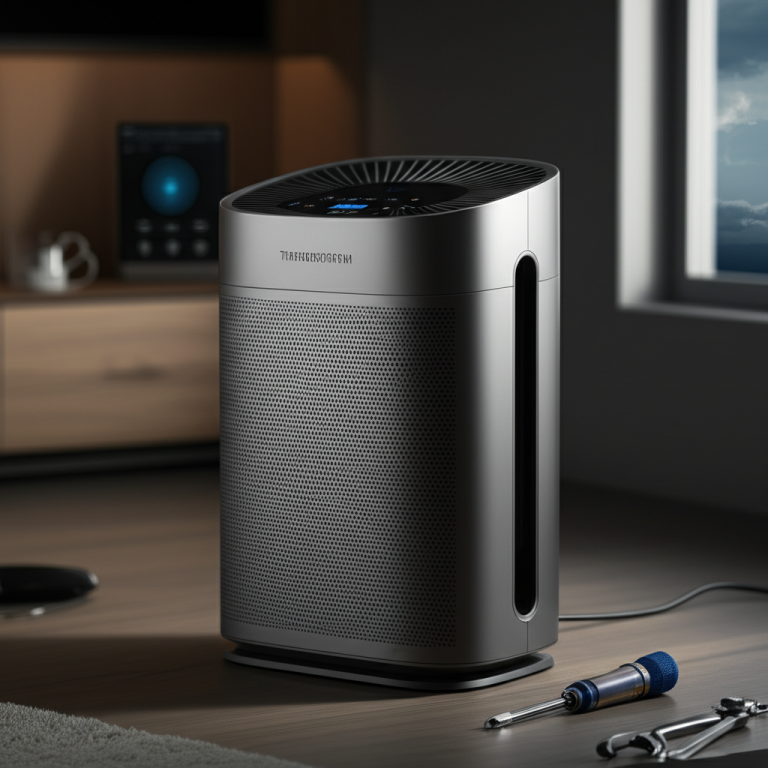
Best Odor Eliminator Air Purifier: Proven Solution

The best odor eliminator air purifier can transform your home by tackling persistent smells from pets, cooking, smoke, and more. Discover proven solutions to breathe fresher, cleaner air with our comprehensive guide.
Is your home constantly battling unpleasant odors, no matter how much you clean? From lingering pet smells and strong cooking fumes to stale cigarette smoke or musty dampness, persistent odors can make even the most well-kept house feel uncomfortable. It’s frustrating when sprays and candles only mask the problem temporarily. Thankfully, there’s a powerful, long-term solution: an air purifier specifically designed for odor elimination. This guide will walk you through everything you need to know to find the best odor eliminator air purifier for your space.
Why Odors Linger and How Air Purifiers Help
Odors are caused by volatile organic compounds (VOCs) and other airborne particles that attach to surfaces and circulate in the air. Standard air purifiers often focus on allergens like dust and pollen, but a true odor eliminator needs specialized filtration. These purifiers trap and neutralize odor-causing molecules, preventing them from recirculating. I’ve found that the right air purifier can make a dramatic difference in home air quality and overall comfort.
The Science Behind Odor Elimination in Air Purifiers

Effective odor elimination relies on advanced filtration technologies. While HEPA filters capture particles, they don’t always neutralize gases and odors. This is where activated carbon filters shine, as their porous structure adsorbs a wide range of odor molecules. Some purifiers also incorporate additional technologies to break down odor compounds.
Key Features to Look For in the Best Odor Eliminator Air Purifier
When searching for the best odor eliminator air purifier, certain features are non-negotiable for optimal performance. Prioritizing these will ensure you invest in a device that truly tackles your odor issues. I always recommend looking beyond basic filtration for specialized odor-fighting capabilities.
Activated Carbon Filter: The Odor-Fighting Powerhouse
The heart of any effective odor eliminator is a substantial activated carbon filter. This material is incredibly effective at adsorbing (not absorbing) odor-causing gases and VOCs. The more carbon, the better it can handle strong or persistent smells.
True HEPA Filter for Comprehensive Air Cleaning
While carbon tackles odors, a True HEPA filter is crucial for capturing fine particulate matter that can contribute to stale air and carry odors. It removes 99.97% of airborne particles as small as 0.3 microns, including dust, pet dander, and mold spores.
Pre-Filter for Extended Lifespan
A washable pre-filter captures larger particles like hair and dust bunnies. This protects the more expensive HEPA and carbon filters, extending their lifespan and maintaining the purifier’s efficiency. It’s a simple but vital component for long-term performance.
Coverage Area (CADR) and Room Size
Ensure the air purifier’s Clean Air Delivery Rate (CADR) is appropriate for the size of the room you intend to use it in. A higher CADR means faster and more effective air cleaning, especially important for eliminating strong odors quickly.
Noise Levels and Sleep Mode
Air purifiers can sometimes be noisy, especially on higher settings. Look for models with multiple fan speeds and a quiet “sleep mode” that reduces noise to a whisper, allowing for undisturbed rest. This is especially important for bedrooms or living areas.
Ease of Use and Maintenance
Consider how easy the unit is to operate and maintain. Filter replacement indicators, simple controls, and accessible filter compartments make the user experience much smoother. I prefer models that clearly signal when it’s time for a filter change.
Top Contenders: The Best Odor Eliminator Air Purifiers of the Year
After extensive research and considering user reviews, I’ve identified several air purifiers that consistently deliver exceptional odor elimination. These models offer a blend of powerful filtration, smart features, and reliable performance. Let’s explore some of the top choices that stand out as the best odor eliminator air purifier options available.
Coway Airmega 200M: A Balanced Champion
The Coway Airmega 200M is often cited for its excellent performance-to-price ratio. It features a robust activated carbon filter combined with a True HEPA filter, effectively tackling a wide range of odors and pollutants. Its smart auto mode adjusts fan speed based on air quality, making it an energy-efficient choice.
Levoit Core 300S: Compact Powerhouse for Small Spaces
For smaller rooms or apartments, the Levoit Core 300S offers impressive odor-fighting capabilities in a compact design. It utilizes a three-stage filtration system, including a highly effective carbon filter specifically designed for odors. Its quiet operation and smart features make it a popular choice for bedrooms.
Winix 5500-2: Smart Technology Meets Odor Control
The Winix 5500-2 is a perennial favorite, combining a True HEPA filter, washable AOC (Advanced Odor Control) carbon filter, and PlasmaWave technology. PlasmaWave can be turned off if preferred but helps break down airborne pollutants and odors at a molecular level. Its auto mode and air quality sensor are highly responsive.
Blueair Blue Pure 211+ Auto: Style and Substance
The Blueair Blue Pure 211+ Auto stands out with its sleek design and impressive performance. It uses a unique combination of a particle filter and an activated carbon filter to capture both particulates and odors. The “Auto” version includes an air quality sensor for automatic adjustments.
Rabbit Air MinusA2: Customizable Odor Solutions
The Rabbit Air MinusA2 offers a highly customizable filtration experience, allowing users to select specific filters based on their needs, including an “Odor Remover” filter. This makes it exceptionally versatile for tackling persistent smells like pet odors or smoke. Its quiet operation and attractive design are significant pluses.
Understanding Different Types of Odors and How to Tackle Them
Different odors require different approaches. Understanding the source of the smell can help you choose an air purifier with the most effective filtration for your specific needs. I’ve found that targeting the odor source is as important as the purification method.
Pet Odors: Dander and Ammonia
Pet owners often struggle with lingering odors from dander, accidents, and general pet smell. An air purifier with a substantial activated carbon filter is essential for adsorbing ammonia and other odor compounds. Look for models with enhanced carbon filtration specifically marketed for pet owners.
Cooking Smells: Grease and VOCs
The strong smells from cooking, especially frying or strong spices, can permeate your home. These often contain VOCs and grease particles. An air purifier with a robust carbon filter is crucial to capture these airborne grease particles and neutralize the pungent cooking odors effectively.
Smoke Odors: Tobacco and Wildfire
Smoke odors, whether from cigarettes or wildfires, are notoriously difficult to remove. They contain a complex mix of chemicals and fine particulate matter. The best odor eliminator air purifier for smoke will have a very thick, high-quality activated carbon filter and excellent particle filtration.
Musty and Mildew Smells: Humidity and Mold
Musty odors often indicate high humidity and potential mold growth. While an air purifier can help remove mold spores and associated odors, addressing the source of the humidity with a dehumidifier is equally important. Look for purifiers with effective mold spore capture.
How Activated Carbon Works Its Magic
Activated carbon is a highly porous material that undergoes a special treatment process to make it extremely absorbent. Its vast surface area, filled with millions of tiny pores, traps odor molecules and VOCs through a process called adsorption. This makes it incredibly effective at neutralizing smells rather than just masking them.
The Importance of Carbon Amount and Quality
Not all carbon filters are created equal. The amount of activated carbon in an air purifier directly impacts its odor-eliminating capacity and lifespan. Thicker, denser carbon filters generally perform better and last longer. Some purifiers use granular carbon, while others use carbon-impregnated fabric or a combination.
When to Replace Your Activated Carbon Filter
Activated carbon filters become saturated over time and lose their effectiveness. Most manufacturers recommend replacing them every 6 to 12 months, depending on usage and the intensity of odors in your home. Many purifiers have indicators to remind you when it’s time.
Beyond Carbon: Other Odor-Fighting Technologies
While activated carbon is the king of odor elimination, some air purifiers employ other technologies to enhance their performance. These can offer complementary benefits in tackling airborne pollutants and odors. I’m always interested in how manufacturers innovate to improve air quality.
Ionizers and Ozone Production: A Word of Caution
Some air purifiers use ionizers to charge particles, causing them to clump and fall out of the air. However, ionizers can produce ozone as a byproduct, which is a lung irritant. If you choose an ionizer-equipped purifier, ensure it’s California Air Resources Board (CARB) certified to be below ozone safety limits, or opt for a model where the ionizer can be turned off.
UV-C Light for Sterilization
UV-C light is used in some air purifiers to kill bacteria, viruses, and mold spores. While it can help sterilize the air, it’s generally less effective at eliminating odors compared to activated carbon. Its primary function is disinfection rather than odor adsorption.
Setting Up and Maintaining Your Air Purifier for Peak Performance
Proper setup and regular maintenance are crucial for ensuring your best odor eliminator air purifier works effectively for years to come. Following these steps will maximize its performance and longevity. I find that consistent maintenance is key to long-term satisfaction.
Initial Setup and Placement
Place your air purifier in the room where odors are most prevalent, ensuring it has at least a foot of clearance around all sides for optimal airflow. Avoid placing it directly against walls or furniture. Plug it in and allow it to run for a few hours on a medium setting to start circulating and cleaning the air.
Regular Filter Checks and Replacements
Follow the manufacturer’s recommendations for filter replacement. Typically, pre-filters should be cleaned monthly, while HEPA and carbon filters need replacement every 6-12 months. A clogged filter drastically reduces efficiency and can even damage the unit.
Cleaning the Exterior and Interior
Wipe down the exterior of your air purifier regularly with a soft, damp cloth to keep it clean. Periodically, you may need to open the unit to gently dust the interior components, especially around the fan, to prevent dust buildup. Always unplug the unit before cleaning.
Comparing Top Odor Eliminator Air Purifiers: A Quick Look
Here’s a comparative overview of some of the highly-rated odor eliminator air purifiers, highlighting their key strengths. This table can help you quickly assess which might be the best odor eliminator air purifier for your specific needs.
| Model | Key Odor Technology | Room Size Coverage (Sq Ft) | Noise Level (dB) | Notable Features |
| :——————— | :————————– | :————————- | :————— | :————————————- |
| Coway Airmega 200M | Activated Carbon, HEPA | Up to 325 | 22-49 | Auto Mode, Air Quality Indicator |
| Levoit Core 300S | Activated Carbon, HEPA | Up to 219 | 24-50 | Smart App Control, Quiet Operation |
| Winix 5500-2 | AOC Carbon, HEPA, PlasmaWave| Up to 360 | 28-55 | Auto Mode, Remote Control |
| Blueair Blue Pure 211+ | Carbon, Particle Filter | Up to 540 | 31-56 | Washable Fabric Pre-Filter, Auto Mode |
| Rabbit Air MinusA2 | Specialized Odor Filter (Opt)| Up to 800 | 25-52 | Customizable Filters, Quiet Operation |
Frequently Asked Questions About Odor Eliminator Air Purifiers
Here are answers to some common questions I receive about using air purifiers for odor elimination.
Can an air purifier completely eliminate all odors?
While the best odor eliminator air purifier can significantly reduce and remove most common household odors, extremely strong or pervasive smells might require persistent use or multiple units. It works best when combined with source elimination and good ventilation.
How often do I need to replace the filters?
Filter replacement schedules vary by model and usage, but typically carbon filters need replacing every 6-12 months, and HEPA filters every 12 months. Always check your manufacturer’s guidelines.
Are air purifiers with ozone generators safe?
Ozone can be harmful to respiratory health. It’s best to choose air purifiers that are CARB certified and allow you to turn off the ozone generator, or opt for models that do not produce ozone at all.
How do I know if my air purifier is actually removing odors?
You’ll notice a distinct improvement in the freshness of your home’s air. Lingering smells from cooking, pets, or smoke should be significantly diminished or entirely gone. Many units also have air quality indicators that change color.
Can an air purifier help with smoke from wildfires?
Yes, high-quality air purifiers with substantial activated carbon filters are very effective at removing smoke particles and the associated odors from wildfire events. Ensure the unit is sized appropriately for your space.
Conclusion: Breathe Easier with the Right Odor Eliminator
Finding the best odor eliminator air purifier is a proactive step towards a healthier and more pleasant home environment. By understanding the technologies involved, particularly the crucial role of activated carbon, and by choosing a model suited to your specific needs and room size, you can effectively combat persistent odors. Investing in a quality air purifier means investing in your comfort and well-being, allowing you to truly relax and enjoy your living space. Make the change today and experience the difference of truly fresh, clean air.