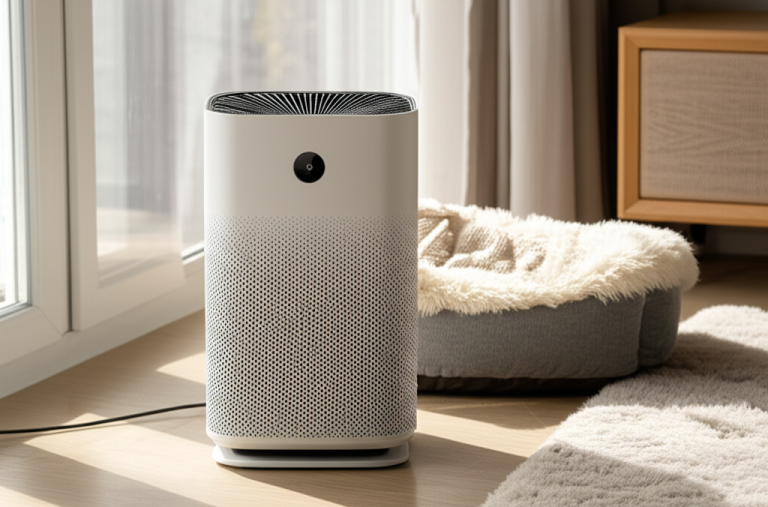
Can You Run Air Purifier And Fan At Same Time: Essential Guide

Yes, you can absolutely run an air purifier and a fan simultaneously. This guide will break down the benefits, potential drawbacks, and optimal ways to combine these devices for cleaner, more comfortable indoor air.
Can You Run Air Purifier and Fan at the Same Time?
Many of us strive for the freshest, cleanest air in our homes, especially those sensitive to allergens or living in areas with poor outdoor air quality. This often leads to the question: can you run an air purifier and a fan at the same time? The short answer is a resounding yes, and doing so can often enhance the benefits of both devices. In this comprehensive guide, I’ll walk you through everything you need to know to effectively combine your air purifier and fan for optimal air quality and comfort.
Understanding the Roles of Air Purifiers and Fans
Before diving into running them together, it’s essential to understand what each device does. An air purifier’s primary function is to remove airborne contaminants like dust, pollen, pet dander, mold spores, and volatile organic compounds (VOCs) using filters. A fan, on the other hand, circulates air within a room, creating a cooling effect and improving ventilation by moving air around.
When used independently, they address different aspects of indoor air. The air purifier tackles the microscopic particles, while the fan enhances air movement and can help distribute the purified air more effectively throughout your space.
The Synergistic Benefits of Running Them Together
Combining an air purifier and a fan can create a powerful duo for improving your indoor environment. The fan helps to move stale air towards the air purifier, ensuring that more of the room’s air is processed. This increased circulation can lead to faster and more efficient air cleaning, especially in larger or less ventilated rooms.
Furthermore, the fan’s air circulation can help prevent “dead zones” where air might stagnate, allowing pollutants to accumulate. By working together, they create a more dynamic and healthy airflow pattern.
How a Fan Enhances Air Purifier Performance
A fan acts like a booster for your air purifier. By continuously circulating the air, it draws more air through the purifier’s filtration system. This means that particles that might otherwise settle on surfaces or remain trapped in corners are more likely to be captured.
Think of it like this: the fan is the engine that drives the air into the purifier’s cleaning system, ensuring a more thorough and consistent air purification process. This is particularly useful in spaces where air doesn’t naturally move much on its own.
Potential Drawbacks and Considerations
While generally beneficial, there are a few things to keep in mind when running both devices. One primary consideration is increased energy consumption, as you’ll be running two electrical appliances. It’s wise to check the energy efficiency ratings of both your air purifier and fan.
Another point is noise. While many modern air purifiers and fans are designed to be quiet, running them simultaneously might increase the overall ambient noise level in your room. You’ll want to position them strategically to minimize any disruptive sounds.
Optimal Placement Strategies for Combined Use
Proper placement is key to maximizing the benefits of running your air purifier and fan together. Ideally, place your air purifier in a central location in the room, away from walls or furniture that could obstruct airflow. Position the fan so that it blows air towards the air purifier, or in a way that encourages general room circulation that feeds into the purifier.
Experiment with different arrangements to see what works best for your specific room layout and the models you are using. Good airflow around both units is crucial for efficient operation.
Choosing the Right Fan for Your Air Purifier Setup
Not all fans are created equal, and some are better suited for complementing an air purifier. Consider fans with adjustable speed settings so you can control the airflow intensity. Tower fans or oscillating fans are excellent choices as they can distribute air more widely.
Some high-end air purifiers even have built-in fan functionalities, essentially acting as a two-in-one device. If you don’t have one of these, selecting a fan that moves a good volume of air without being overly noisy is a practical approach.
Air Purifier and Fan Combination: A Practical Comparison
| Feature | Air Purifier Only | Fan Only | Air Purifier + Fan Together |
| :—————— | :———————————— | :———————————– | :——————————————– |
| Primary Goal | Remove airborne pollutants | Circulate air, provide cooling | Remove pollutants and circulate clean air |
| Air Quality | Improves by removing particles | No direct particle removal | Significantly improves, faster purification |
| Airflow | Limited to internal fan | Enhances room airflow | Maximizes room airflow and purifier intake |
| Energy Use | Moderate | Low to Moderate | Higher (sum of both devices) |
| Noise Level | Varies by model | Varies by model | Potentially higher (sum of both devices) |
| Effectiveness | Good for particle reduction | Good for comfort and ventilation | Excellent for comprehensive air management |
As the table illustrates, combining the two offers a more comprehensive solution for indoor air quality management. The synergy between the devices creates a superior environment compared to using either one in isolation.
When to Run Both Devices Simultaneously
There are several scenarios where running your air purifier and fan together is highly recommended. If you have allergies or asthma, the combined effect can drastically reduce the allergens in your living space. During seasons with high pollen counts or when wildfire smoke affects your area, this setup is invaluable.
Even on days when you simply want to ensure the freshest possible air, or if you’re cooking and want to quickly clear out odors, running both can provide a noticeable improvement in air freshness and clarity.
Tips for Efficient Operation and Maintenance
To ensure your air purifier and fan work optimally together, regular maintenance is crucial. This includes cleaning or replacing your air purifier’s filters according to the manufacturer’s recommendations. A clogged filter will significantly reduce the purifier’s effectiveness, regardless of how well the fan is circulating air.
Keep the fan blades and housing clean to maintain airflow efficiency and prevent dust buildup. Regularly check the placement of both units to ensure unobstructed airflow, which is vital for their combined performance.
Frequently Asked Questions (FAQ)
Can running an air purifier and fan together increase my electricity bill significantly?
While running two appliances will use more electricity than one, the impact on your bill depends on the energy efficiency ratings of your specific models. Many modern air purifiers and fans are designed with energy saving in mind. You can compare the wattage of your devices to estimate the increase.
Will running them together make my room too noisy?
Noise levels can vary. While some fans can be noisy, many are designed for quiet operation. It’s best to check the decibel (dB) rating of your fan and air purifier. You can also strategically place them or use a fan with adjustable speed settings to manage noise.
Is there a specific type of fan that works best with an air purifier?
Tower fans or fans with a strong, focused airflow tend to work well as they can effectively push air towards the air purifier. Oscillating fans can also be beneficial for broader circulation. Ultimately, any fan that moves air efficiently without obstructing the purifier’s intake will be helpful.
Can I use a ceiling fan with an air purifier?
Yes, a ceiling fan can help circulate air throughout the room, which can indirectly benefit your air purifier by moving air around. However, for the most direct benefit, a floor or tower fan placed closer to the air purifier to actively direct air into it is generally more effective.
Should I run my air purifier and fan 24/7?
Running your air purifier and fan continuously is generally safe and can maintain consistent air quality. However, if energy savings are a concern, you might consider running them during periods when air quality is most important to you, such as while sleeping, cooking, or during high-allergen times.
Does the placement of the fan relative to the air purifier matter?
Yes, placement is important. Ideally, you want the fan to direct airflow towards the air purifier’s intake. This helps to ensure that more of the room’s air is drawn into the purifier for cleaning.
Can running both devices dry out the air?
Air purifiers and fans themselves do not typically reduce humidity unless they have specific dehumidifying features, which is uncommon. The primary function of air purifiers is particle removal, and fans are for air circulation. If you experience dry air, consider using a humidifier separately.
Conclusion: A Powerful Combination for Cleaner Air
In conclusion, the answer to “can you run air purifier and fan at the same time” is a definitive yes, and it’s a practice I highly recommend for anyone serious about improving their indoor air quality. By strategically combining these two devices, you can create a more efficient air purification system that circulates cleaner air throughout your living space. Remember to consider energy consumption and noise levels, and always prioritize proper placement and regular maintenance for optimal performance. This powerful duo can significantly contribute to a healthier, more comfortable home environment, ensuring you breathe easier every day.