Can I Run a Humidifier and Air Purifier at the Same Time? Essential!

Yes, you can absolutely run a humidifier and air purifier simultaneously! This combination can significantly enhance your indoor air quality by addressing both moisture levels and airborne contaminants for a healthier living space.
Breathing fresh, clean air is essential for our well-being, yet many of us struggle with dry air or lingering pollutants. You might be wondering if using two key devices, a humidifier and an air purifier, together is beneficial or even possible. This guide will demystify the process, helping you understand how to effectively combine these technologies to create your ideal indoor environment.
The Synergy: Why Combine a Humidifier and Air Purifier?
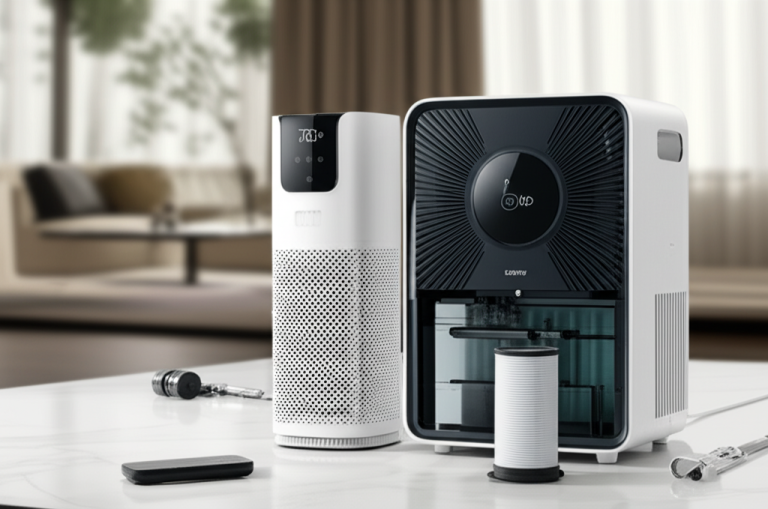
Combining a humidifier and an air purifier can create a powerful duo for improving your home’s air quality. While purifiers remove allergens and pollutants, humidifiers add moisture, alleviating dryness and its associated discomforts. This dual action tackles multiple air quality concerns simultaneously.
When you run both devices, you’re essentially creating a more balanced and comfortable indoor atmosphere. This is especially beneficial during dry winter months or in arid climates. The combined effect can lead to better respiratory health and overall comfort.
How Humidifiers and Air Purifiers Work Individually

Understanding their separate functions is key to appreciating their combined benefits. Air purifiers use filters like HEPA to trap microscopic particles such as dust, pollen, pet dander, and mold spores. Humidifiers, on the other hand, release water vapor into the air to increase humidity levels.
Air purifiers focus on cleaning the air you breathe, removing what you can’t see. Humidifiers focus on the air’s moisture content, combating the negative effects of dryness. They address different, yet equally important, aspects of indoor air quality.
The Core Question: Can I Run a Humidifier and Air Purifier at the Same Time?
Yes, you can run a humidifier and an air purifier at the same time, and it’s often recommended for optimal air quality. There are no inherent conflicts between their functions that would prevent simultaneous operation. In fact, they can complement each other effectively.
This combination is particularly effective for creating a healthy environment, especially for those with respiratory issues or allergies. By addressing both particulate matter and humidity levels, you create a more holistic approach to air care.
Potential Benefits of Simultaneous Use
Running both devices together offers several advantages. It helps alleviate symptoms associated with dry air, such as dry skin, irritated sinuses, and static electricity. Simultaneously, the air purifier works to remove allergens and pollutants that can trigger respiratory problems.
This dual approach can lead to improved sleep quality, reduced instances of nosebleeds, and a generally more comfortable living space. The combined effort targets a broader spectrum of air quality issues.
Are There Any Downsides or Risks?
While generally safe, there are a few considerations to keep in mind. Over-humidifying can lead to condensation, mold growth, and dust mite proliferation, so monitoring humidity levels is crucial. Ensure your air purifier’s filter isn’t placed where it could become excessively damp.
It’s also important to use distilled or demineralized water in your humidifier to prevent mineral dust from being released into the air, which could potentially be drawn into your air purifier. Proper maintenance of both devices is key to avoiding issues.
Optimizing Placement for Dual Operation
Proper placement is essential for maximizing the effectiveness of both your humidifier and air purifier. Ideally, they should not be placed directly next to each other, but rather in the same room to benefit from the circulating air. This allows the purifier to capture particles while the humidifier adjusts moisture levels.
Consider the airflow patterns in your room. Placing them on opposite sides of the room can help create a more uniform distribution of purified and humidified air. This ensures that the benefits reach all areas of your living space.
Humidifier Placement Best Practices
Place humidifiers on a flat, waterproof surface at least a few feet away from walls, curtains, and furniture to prevent moisture damage. They should be in a central location within the room to allow for even distribution of mist. Avoid placing them near electronics or wooden surfaces.
Ensure the humidifier has adequate space around it for proper ventilation and mist dispersal. This prevents the build-up of condensation on nearby surfaces.
Air Purifier Placement Best Practices
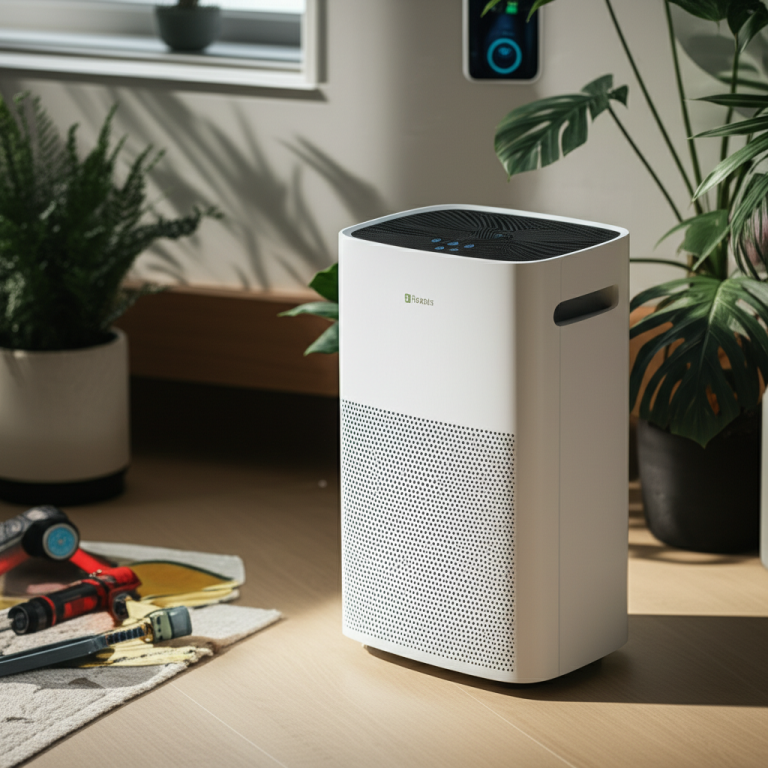
Air purifiers work best when placed where they can draw in air freely from all sides. Avoid blocking the intake or outlet vents. Placing them in corners or directly against walls can impede airflow and reduce their efficiency.
The best spot is usually in a high-traffic area of the room or near the source of pollutants, like a pet’s sleeping area or a kitchen. This allows the purifier to capture contaminants effectively.
Achieving the Ideal Humidity Level
The ideal indoor humidity level typically ranges between 40% and 60%. Using a hygrometer, a device that measures humidity, can help you monitor and maintain this range. Your humidifier should be adjusted to achieve these levels without exceeding them.
Too much humidity can encourage mold and dust mites, while too little can cause dryness and discomfort. Finding the sweet spot is key to a healthy indoor environment.
Using a Hygrometer for Monitoring
A hygrometer is an inexpensive and invaluable tool for managing your indoor climate. It provides real-time readings of your home’s humidity, allowing you to adjust your humidifier accordingly. Many modern humidifiers and air purifiers even have built-in hygrometers.
This simple device empowers you to take control of your air quality, ensuring optimal conditions year-round. It’s an essential companion for any humidifier user.
When to Adjust Your Humidifier Settings
Adjust your humidifier settings based on the readings from your hygrometer and the prevailing outdoor conditions. If the humidity drops below 40%, increase the humidifier’s output. If it rises above 60%, reduce the output or turn it off temporarily.
Pay attention to signs of excess humidity, such as condensation on windows or a musty smell, and adjust accordingly. Consistent monitoring prevents potential issues.
Maintaining Your Devices for Peak Performance
Proper maintenance is crucial for both your humidifier and air purifier to function effectively and safely. This includes regular cleaning, filter replacement, and descaling. Neglecting maintenance can reduce their efficiency and even create health hazards.
Regular upkeep ensures that your devices continue to provide clean, humidified air without introducing new problems. It’s an investment in your long-term health and the longevity of your appliances.
Humidifier Cleaning and Maintenance Schedule
Clean your humidifier regularly, typically every 1-3 days, to prevent bacteria and mold growth. This involves emptying the tank, rinsing it, and wiping down all internal parts. Descale the unit weekly or bi-weekly, depending on water hardness, using vinegar or a descaling solution.
Always follow the manufacturer’s specific cleaning instructions. Using filtered or distilled water significantly reduces the need for frequent descaling.
Air Purifier Filter Replacement Schedule
Air purifier filters, especially HEPA filters, have a limited lifespan and need replacement according to the manufacturer’s recommendations, often every 6-12 months. Some purifiers have indicator lights to signal when it’s time for a change. Pre-filters, if present, can often be washed and reused.
Checking and replacing filters is the most critical maintenance task for an air purifier. It ensures the device can continue to capture pollutants effectively.
Choosing the Right Devices for Your Needs
When selecting a humidifier and air purifier, consider the size of your room, your specific air quality concerns, and your budget. Look for units that are Energy Star certified for efficiency. Many modern devices offer combined features or smart capabilities.
Research different types of humidifiers (cool mist, warm mist, ultrasonic) and air purifiers (HEPA, activated carbon, ionizers) to find what best suits your lifestyle and health needs. Reading reviews can also provide valuable insights.
Factors to Consider for Humidifiers
Key factors include the type of mist (cool mist is generally safer for homes with children and pets), the tank capacity (which determines how often you need to refill), and ease of cleaning. Noise level is also an important consideration for bedrooms. Some advanced models offer features like UV sterilization to kill bacteria in the water.
Consider whether you prefer a unit with a built-in hygrometer or a simple manual control. The goal is to find a device that effectively adds moisture without creating maintenance headaches.
Factors to Consider for Air Purifiers
For air purifiers, consider the CADR (Clean Air Delivery Rate) for your room size, the types of filters used (HEPA is standard for allergens, activated carbon for odors), and noise levels. Features like smart connectivity, air quality sensors, and filter life indicators can enhance user experience. Avoid purifiers that produce ozone, as it can be harmful.
A unit with multiple stages of filtration, including a pre-filter, HEPA filter, and activated carbon filter, offers comprehensive air cleaning. Ensure the purifier is sized appropriately for the square footage of the space it will occupy.
Can I Run a Humidifier and Air Purifier in the Same Room?
Yes, you can run both devices in the same room. In fact, this is the most effective way to benefit from their combined functions. Both devices work by circulating air, and placing them in the same room ensures that the purified air is also being humidified, and vice versa.
This creates a comprehensive solution for indoor air quality management within a single living space. It’s the ideal scenario for tackling multiple air-related issues simultaneously.
Optimizing Air Circulation Between Devices
To maximize the benefits, ensure there’s good air circulation within the room. Avoid placing the devices too close together or too close to obstructions that might impede airflow. This allows both units to draw in air and distribute treated air efficiently.
Consider placing them on opposite sides of the room or in locations that promote air movement throughout the space. This helps ensure that all the air in the room passes through both devices.
Troubleshooting Common Issues
When running both devices, you might encounter minor issues like unusual noises, reduced effectiveness, or condensation. Most of these can be resolved with proper maintenance and placement adjustments. Always refer to your user manuals for specific troubleshooting steps.
Addressing problems promptly ensures that your devices continue to provide optimal air quality. Don’t hesitate to consult the manufacturer’s support if you’re unable to resolve an issue.
Addressing Condensation or Excessive Moisture
If you notice condensation, it’s a sign that your humidity levels are too high. Reduce the output of your humidifier or turn it off for a period. Ensure your air purifier is functioning correctly and not contributing to moisture buildup, though this is rare.
Check your hygrometer readings and adjust settings accordingly. Proper ventilation in the room can also help dissipate excess moisture.
Dealing with Filter Odors or Reduced Airflow
If your air purifier has an unusual odor or reduced airflow, it’s likely time to check or replace the filters. Dirty or clogged filters are the most common culprits. For humidifiers, any unusual smells usually indicate a need for cleaning and descaling.
Regular cleaning and timely filter replacement are the best ways to prevent these issues. Always use the correct replacement filters recommended by the manufacturer.
Frequently Asked Questions
Q1: Can running a humidifier and air purifier together damage my devices?
Generally, no. When used correctly and maintained properly, they can operate together without issue. Ensure they are placed appropriately and that your humidifier isn’t over-humidifying the air, which could indirectly affect other electronics or surfaces.
Q2: Will a humidifier make my air purifier less effective?
No, a humidifier will not make your air purifier less effective. The air purifier’s job is to capture particles, and the humidifier’s job is to add moisture. These functions are independent and complementary.
Q3: What is the best way to position them in a room?
Place them in the same room, but not directly next to each other. Aim for opposite sides of the room or locations that promote good air circulation throughout the space. Avoid placing them near walls or obstructions.
Q4: How do I know if my humidity level is too high?
Signs of high humidity include condensation on windows or walls, a damp or musty smell, and a feeling of clamminess. Using a hygrometer is the most accurate way to monitor humidity levels, aiming for 40-60%.
Q5: Can I use tap water in my humidifier?
While you can use tap water, it’s not recommended, especially for ultrasonic or impeller humidifiers. Tap water contains minerals that can be released as fine white dust, potentially affecting your air purifier’s filters and the general air quality. Distilled or demineralized water is best.
Q6: How often should I clean my humidifier when running it with an air purifier?
You should clean your humidifier every 1-3 days, regardless of whether an air purifier is also running. This frequency is crucial for preventing bacteria and mold growth in the water tank.
Q7: Can I run both devices 24/7?
Yes, you can run both devices 24/7, provided they are properly maintained and humidity levels are monitored. Many people find continuous operation beneficial for maintaining optimal air quality and comfort, especially in bedrooms.
Conclusion: Embrace the Dual-Action Power
In conclusion, the answer to “Can I run a humidifier and air purifier at the same time?” is a resounding yes! This combination is not only safe but highly beneficial for enhancing your indoor air quality. By understanding how to place them correctly, monitor humidity levels, and maintain each device diligently, you can create a healthier, more comfortable living environment.
Embracing the dual-action power of humidifiers and air purifiers is an essential step towards achieving superior indoor air quality. It tackles both dryness and airborne irritants, offering a comprehensive solution for a healthier home.