
Can Air Purifier Help With Carbon Monoxide: Essential Safety

While some air purifiers can filter certain gases, they are generally not designed to remove carbon monoxide (CO). CO is a colorless, odorless, and deadly gas produced by incomplete combustion. Relying on an air purifier for CO detection or removal can be dangerously misleading; a dedicated carbon monoxide detector is essential for safety.
Can Air Purifier Help With Carbon Monoxide? Understanding Essential Safety
Dealing with air quality concerns at home can be worrying, especially when invisible threats like carbon monoxide are involved. Many people wonder if their trusty air purifier can offer protection against this dangerous gas. It’s a common question born from a desire to ensure a safe living environment. This article will clarify the capabilities of air purifiers regarding carbon monoxide and highlight the critical safety measures you absolutely need.
What is Carbon Monoxide and Why is it Dangerous?
Carbon monoxide (CO) is often called the “silent killer” because it’s a gas you cannot see, smell, or taste. It’s produced when fuels like natural gas, propane, wood, coal, and gasoline don’t burn completely. Common sources in homes include faulty furnaces, gas stoves, water heaters, fireplaces, and car exhaust.
The danger lies in how CO affects your body. When inhaled, it binds to hemoglobin in your blood much more readily than oxygen. This reduces the oxygen supply to your vital organs, including your heart and brain. Symptoms can range from mild headaches and dizziness to severe nausea, confusion, unconsciousness, and even death.
How Do Air Purifiers Work?
Air purifiers are designed to improve indoor air quality by removing airborne contaminants. They typically use a fan to draw air into the unit and then pass it through a series of filters. These filters capture various particles, such as dust, pollen, pet dander, mold spores, and even some volatile organic compounds (VOCs) and odors.
Most standard air purifiers rely heavily on HEPA (High-Efficiency Particulate Air) filters. These filters are excellent at trapping physical particles, which are larger than gas molecules. For gases and odors, activated carbon filters are often included, which can adsorb certain gaseous pollutants.
Can Activated Carbon Filters Remove Carbon Monoxide?
This is where the confusion often arises. Activated carbon filters are known for their ability to adsorb gases and odors, making them effective for VOCs, smoke, and cooking smells. However, carbon monoxide is a particularly small and stable molecule. While some specialized industrial or very high-grade activated carbon filters might have a limited capacity to adsorb CO, standard residential air purifiers with activated carbon filters are not effective for removing significant amounts of carbon monoxide from the air.
The adsorption capacity of activated carbon is finite, and for a gas as pervasive and dangerous as CO, it would quickly become saturated. Furthermore, the airflow rate in a typical air purifier might not be sufficient to draw enough CO into contact with the carbon filter for meaningful removal. Relying on this mechanism for CO safety is a critical oversight.
Why Standard Air Purifiers Aren’t Designed for Carbon Monoxide
The primary design intent of most residential air purifiers is to tackle particulate matter and common airborne allergens or odors. Carbon monoxide is a different category of threat entirely – a toxic gas that requires specific detection and mitigation methods. Air purifiers simply do not have the necessary technology or filtration media to reliably or effectively remove CO from your home’s atmosphere.
Think of it like this: a vacuum cleaner is excellent for picking up dirt from your carpet, but it’s not designed to put out a fire. Similarly, an air purifier excels at filtering particles but lacks the specialized function for CO. Its filters are not engineered to capture or neutralize this specific gas.
The Crucial Role of Carbon Monoxide Detectors
Given that air purifiers cannot reliably handle carbon monoxide, what should you use? The answer is a dedicated carbon monoxide detector. These devices are specifically engineered to sense the presence of CO gas in the air. They contain electrochemical sensors that react to CO molecules, triggering an alarm when dangerous levels are detected.
CO detectors are your first and most important line of defense against carbon monoxide poisoning. They provide an audible warning, giving you and your family crucial time to evacuate the premises and seek fresh air. Unlike air purifiers, their sole purpose is to identify and alert you to the presence of this invisible danger.
Choosing the Right Carbon Monoxide Detector
When selecting a CO detector, look for models that are certified by recognized safety organizations like UL (Underwriters Laboratories) or CSA (Canadian Standards Association). There are several types available, each with its own advantages:
Battery-Operated: Easy to install anywhere, but batteries need regular replacement.
Plug-In with Battery Backup: Plugs into a standard outlet and has a battery backup to ensure operation during power outages.
* Hardwired: Connects directly to your home’s electrical system, often with battery backup, providing continuous power.
It’s also beneficial to choose a detector that displays the CO concentration level, as this can provide more information about the severity of the situation. Some advanced models can even be interconnected, so if one detector senses CO, all alarms in your home will sound.
| Detector Type | Power Source | Installation | Key Feature | Best For |
| :———————— | :——————————– | :————— | :——————————— | :———————————————— |
| Battery-Operated | 9V or AA batteries | Anywhere | Portable, no wiring needed | Renters, temporary locations, easy placement |
| Plug-In with Battery Backup | Wall outlet + backup battery | Near outlet | Continuous power, reliable | Homes with accessible outlets, general use |
| Hardwired with Backup | Home electrical system + backup battery | Professional install | Most reliable, interconnected options | New construction, renovations, maximum safety |
Where to Place Your Carbon Monoxide Detectors
Proper placement is key to ensuring your CO detectors work effectively. Install detectors on every level of your home, including basements. Place them outside sleeping areas and in hallways near bedrooms. Avoid placing them directly next to or above fuel-burning appliances, as these can produce small, harmless amounts of CO during normal operation, potentially leading to nuisance alarms.
Also, keep them away from direct airflow from vents, fans, or humidifiers, as this can interfere with sensor accuracy. Follow the manufacturer’s specific installation guidelines carefully for optimal performance and safety. A poorly placed detector might not alert you in time.
Testing and Maintaining Your CO Detectors
CO detectors require regular maintenance to ensure they are functioning correctly. Test your detectors at least once a month by pressing the test button. This verifies that the alarm sounds properly.
Additionally, check the manufacturer’s recommendations for battery replacement (typically every 6-12 months for battery-operated models) and for the overall lifespan of the unit. Most CO detectors have a limited lifespan of 5-10 years, after which the sensor degrades and the unit should be replaced. Don’t forget to clean the detector periodically by gently dusting it to prevent dust buildup from obstructing the sensor.
When to Replace Your Air Purifier Filters
While not for CO, it’s still important to maintain your air purifier for its intended purpose. The filters in your air purifier need regular replacement to remain effective. A clogged HEPA filter will reduce airflow and its ability to capture particles. Similarly, an exhausted activated carbon filter will lose its capacity to adsorb odors and VOCs.
Check your air purifier’s manual for the recommended filter replacement schedule. This can vary depending on the model, filter type, and the air quality in your home. Many modern air purifiers have filter life indicators that alert you when it’s time for a change.
Can Air Purifier Help With Carbon Monoxide: The Verdict
To definitively answer the question: Can air purifier help with carbon monoxide? No, not effectively or reliably. Standard air purifiers, even those with activated carbon filters, are not designed to detect or remove carbon monoxide. Relying on one for this purpose is extremely dangerous and can lead to a false sense of security.
The only way to protect yourself and your family from the deadly threat of carbon monoxide is by installing and maintaining dedicated carbon monoxide detectors throughout your home. These devices are specifically engineered for this critical safety function and are your essential tool for preventing CO poisoning. Always prioritize safety by using the right tools for the job.
Frequently Asked Questions
Can any air purifier remove carbon monoxide?
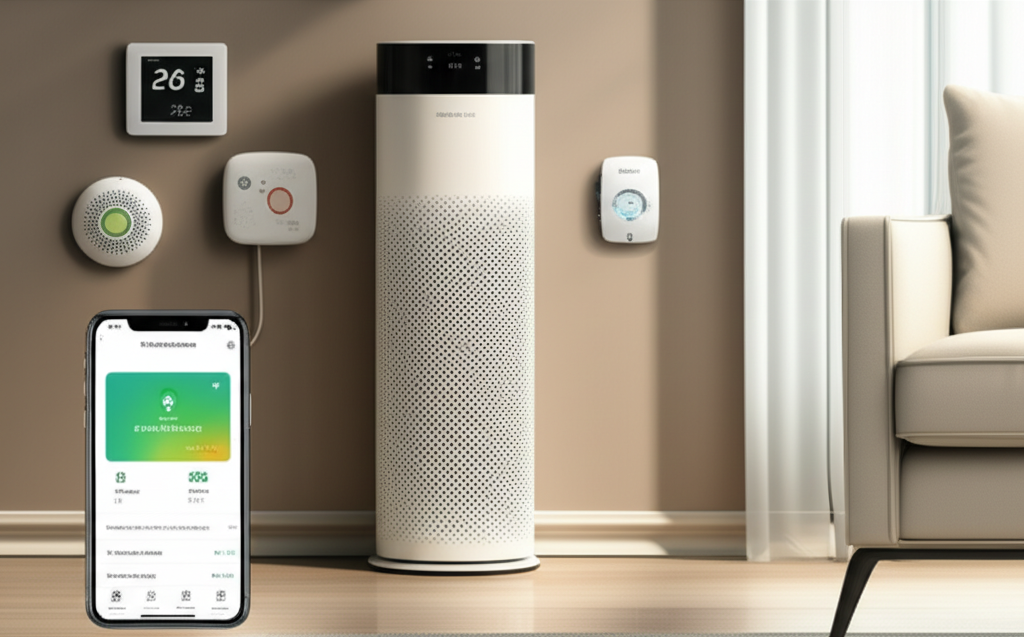
While some industrial-grade activated carbon filters might have a limited capacity for CO, standard residential air purifiers with activated carbon filters are not effective for removing significant amounts of carbon monoxide. They are not designed for this purpose.
What is the best way to protect my home from carbon monoxide?
The best way is to install and properly maintain battery-operated or plug-in carbon monoxide detectors on every level of your home, especially near sleeping areas.
How often should I test my carbon monoxide detector?
You should test your carbon monoxide detector at least once a month by pressing the test button to ensure the alarm is functioning correctly.
How do I know when to replace my carbon monoxide detector?
Most carbon monoxide detectors have a lifespan of 5 to 10 years. Check the manufacturer’s information for the specific lifespan of your unit and replace it when it reaches its end-of-life.
What are the symptoms of carbon monoxide poisoning?
Symptoms can include headaches, dizziness, nausea, vomiting, weakness, confusion, and chest pain. In severe cases, it can lead to loss of consciousness and death.
Can my gas stove produce carbon monoxide?
Yes, any fuel-burning appliance, including gas stoves, furnaces, and water heaters, can produce carbon monoxide if they are not functioning properly or have poor ventilation.
If my CO detector goes off, what should I do?
If your carbon monoxide detector sounds an alarm, immediately move everyone to fresh air outside your home. Call emergency services (like 911 or your local fire department) from a safe location outside. Do not re-enter your home until emergency responders say it is safe to do so.
Conclusion
Ensuring the safety of your home and loved ones is paramount, and understanding the limitations of your appliances is a crucial part of that. When it comes to the invisible threat of carbon monoxide, it’s vital to know that your air purifier, while excellent for many other air quality issues, simply cannot provide the protection you need against this dangerous gas. The science is clear: air purifiers are not designed to filter carbon monoxide effectively. Your primary defense must be a dedicated carbon monoxide detector, tested regularly and placed strategically. By investing in and properly maintaining CO detectors, you are taking the essential step to safeguard your family against the silent killer.
