Can Air Purifier Help With Asthma: Essential Relief

Yes, an air purifier can significantly help with asthma by removing airborne allergens and irritants that trigger symptoms, offering much-needed relief and improving indoor air quality for a healthier living environment.
Can Air Purifier Help With Asthma: Essential Relief for Breathing Easier
Living with asthma means constantly navigating triggers that can turn a normal day into a struggle for breath. Many of these triggers hide in plain sight, floating in the air we breathe every moment. If you’re wondering about solutions to improve your indoor air quality and find relief, you’re in the right place. This guide will explore how air purifiers can be a vital tool for managing asthma symptoms and creating a healthier home.
Understanding Asthma Triggers in Your Home
Asthma is a chronic respiratory condition characterized by inflammation and narrowing of the airways. This inflammation makes the airways sensitive to various triggers, leading to coughing, wheezing, chest tightness, and shortness of breath. Many common household items and environmental factors contribute to these triggers, often circulating unnoticed in the air. Identifying and mitigating these can be a crucial step in managing your asthma effectively.
Common Airborne Asthma Triggers
Dust Mites: Microscopic creatures found in dust, bedding, carpets, and upholstery.
Pet Dander: Tiny flakes of skin shed by pets like cats and dogs.
Pollen: Fine powder released by plants, which can easily enter homes.
Mold Spores: Microscopic fungi that thrive in damp environments.
Smoke: Tobacco smoke, wood smoke, and fumes from cooking.
Volatile Organic Compounds (VOCs): Chemicals released from paints, cleaning products, and furniture.
How Air Purifiers Work to Combat Asthma Triggers
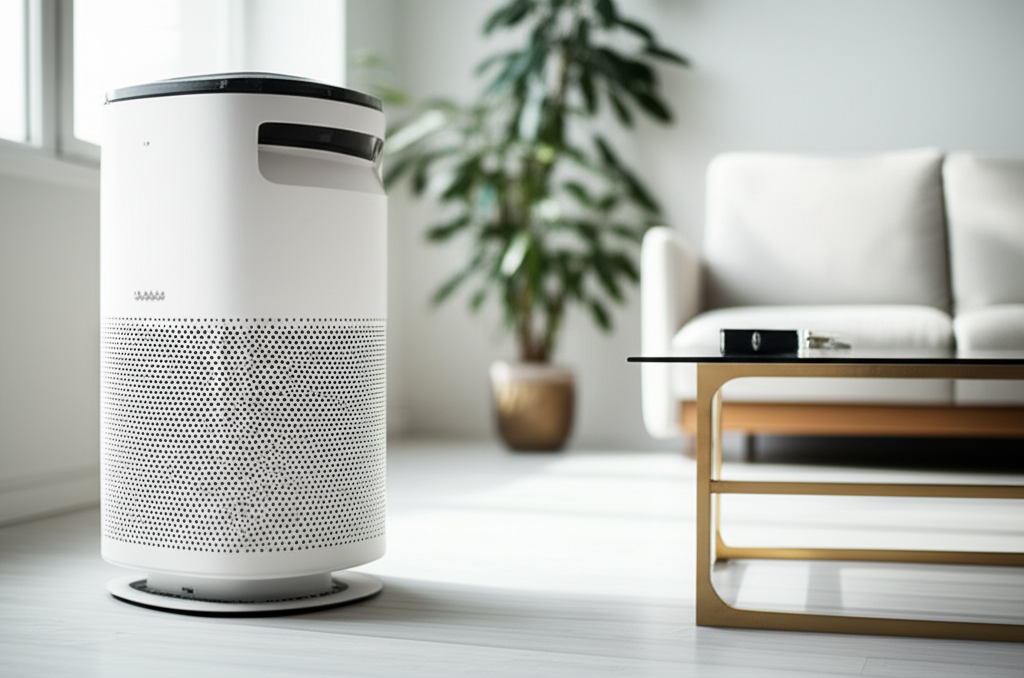
Air purifiers are designed to clean the air by removing airborne particles and pollutants. They typically use a fan to draw in air, pass it through a filtration system, and then release cleaner air back into the room. The effectiveness of an air purifier for asthma relief largely depends on the type of filter it uses and its ability to capture the specific triggers that affect you.
The Role of HEPA Filters
High-Efficiency Particulate Air (HEPA) filters are considered the gold standard for air purification, especially for allergy and asthma sufferers. A true HEPA filter is certified to remove at least 99.97% of airborne particles as small as 0.3 microns. This includes common asthma triggers like dust, pollen, pet dander, and mold spores, making HEPA-equipped purifiers highly beneficial.
Can Air Purifier Help With Asthma: The Direct Impact
The primary benefit of using an air purifier for asthma is the significant reduction of airborne allergens and irritants. By removing these substances from your living space, you can decrease your exposure to them, thereby reducing the frequency and severity of asthma flare-ups. This creates a more comfortable and breathable environment, particularly in bedrooms where you spend a significant amount of time.
Improving Indoor Air Quality for Asthma Management
Clean indoor air is paramount for individuals with asthma. Air purifiers actively work to purify the air, removing pollutants that can inflame sensitive airways. This proactive approach can lead to fewer symptoms, better sleep, and an overall improved quality of life for those managing this chronic condition.
Choosing the Right Air Purifier for Asthma Relief
Not all air purifiers are created equal, and selecting the right one is key to maximizing its benefits for asthma. Consider the size of the room, the types of pollutants you need to target, and the features that are most important for your specific needs. Investing in a quality unit with a certified HEPA filter is a crucial first step.
Key Features to Look For
True HEPA Filter: Essential for capturing fine particles.
Activated Carbon Filter: Helps to absorb odors and VOCs.
CADR (Clean Air Delivery Rate): Indicates how quickly the unit can clean the air in a specific room size.
Room Size Coverage: Ensure the purifier is rated for the square footage of the space you intend to use it in.
Noise Level: Important for placement in bedrooms or living areas.
Filter Replacement Indicator: Helps you know when to change filters to maintain effectiveness.
Air Purifier Technologies and Their Relevance to Asthma
| Technology | How it Works | Relevance to Asthma | Considerations |
| :—————— | :———————————————————————————– | :————————————————————————————— | :——————————————————————————————————— |
| HEPA Filtration | Physically traps particles using a fine mesh filter. | Highly effective at removing dust, pollen, dander, and mold spores. | Requires regular filter replacement; no impact on gases or odors. |
| Activated Carbon| Adsorbs gases, odors, and VOCs through a chemical process. | Reduces irritants from smoke, cooking, cleaning products, and pet odors. | Effectiveness can decrease over time; often combined with HEPA filters. |
| UV-C Light | Uses ultraviolet light to kill or inactivate airborne bacteria and viruses. | May help neutralize some airborne allergens but has limited impact on particulate matter. | Potential for ozone production; effectiveness against viruses and bacteria varies. |
| Ionizers | Release negative ions that attach to airborne particles, causing them to clump. | Can help particles settle out of the air, but effectiveness varies and can produce ozone. | Ozone production is a concern for people with asthma; particles may resettle on surfaces. |
| Ozone Generators| Produce ozone gas to neutralize odors and pollutants. | Generally not recommended for asthma sufferers due to potential respiratory irritation. | Can worsen asthma symptoms; avoid units that intentionally produce ozone. |
Where to Place Air Purifiers for Maximum Asthma Benefit
Strategic placement of your air purifier can significantly enhance its effectiveness in managing asthma symptoms. The goal is to capture airborne triggers before they reach your airways, especially during periods of rest or activity. Prioritizing bedrooms and frequently used living spaces is often the most impactful approach.
Optimizing Placement in Your Home
Bedroom: Place the purifier near your bed to clean the air you breathe most while sleeping.
Living Areas: Position it in rooms where you spend the most time, ensuring it can circulate air effectively.
Avoid Obstructions: Ensure the unit has unobstructed airflow around it for optimal performance.
Central Location: In larger rooms, a central location can help purify air more evenly.
Integrating Air Purifiers into Your Asthma Management Plan
An air purifier is a valuable tool, but it works best as part of a comprehensive asthma management strategy. It complements other recommended practices, such as regular cleaning, avoiding known triggers, and following your doctor’s treatment plan. Think of it as an additional layer of defense for your respiratory health.
Complementary Asthma Management Strategies
Regular Cleaning: Dusting, vacuuming with a HEPA filter vacuum, and washing bedding frequently.
Trigger Avoidance: Identifying and minimizing exposure to specific allergens like pet dander or dust mites.
Medication Adherence: Taking prescribed asthma medications as directed by your healthcare provider.
Ventilation: Opening windows when outdoor air quality is good to allow fresh air circulation.
Professional Advice: Consulting with your doctor or an allergist for personalized asthma management.
Can Air Purifier Help With Asthma: Evidence and Expert Opinions
Numerous studies and health organizations acknowledge the role of air purifiers in improving indoor air quality and potentially alleviating asthma symptoms. While they are not a cure, the consensus is that removing particulate matter and allergens can lead to tangible benefits for those with respiratory conditions. Reputable sources like the American Lung Association often highlight the importance of clean indoor air.
Scientific Backing for Air Purification
Research has shown that air purifiers can reduce the concentration of airborne allergens and improve symptoms in individuals with allergic asthma. For example, studies have indicated a reduction in asthma exacerbations and improved lung function in participants using air purifiers. The removal of fine particulate matter, which can penetrate deep into the lungs, is a key mechanism.
Potential Downsides and Considerations
While beneficial, it’s important to be aware of potential downsides or considerations when using air purifiers for asthma. Some units can produce ozone, which is an irritant for the lungs, and it’s crucial to select models that do not emit significant amounts of this gas. Additionally, ongoing costs for filter replacements should be factored in.
Ozone Production and Other Concerns
Ozone: Some air purification technologies, like ionizers and ozone generators, can produce ozone. Ozone is a lung irritant and can worsen asthma symptoms. Always choose purifiers certified as low-ozone or ozone-free.
Filter Costs: HEPA and activated carbon filters need regular replacement, which adds to the ongoing expense of owning an air purifier.
Noise: Some units can be noisy, which might be disruptive, especially in bedrooms.
Energy Consumption: Larger units or those running continuously can impact electricity bills.
Maintaining Your Air Purifier for Optimal Asthma Relief
To ensure your air purifier continues to provide essential relief for your asthma, regular maintenance is crucial. This primarily involves cleaning and replacing the filters according to the manufacturer’s recommendations. Neglecting filter maintenance can reduce the unit’s effectiveness and even lead to the recirculation of trapped pollutants.
Filter Replacement Schedule
Pre-filters: Usually washable and should be cleaned every 2-4 weeks to catch larger particles.
HEPA Filters: Typically need replacement every 6-12 months, depending on usage and air quality.
Activated Carbon Filters: Often combined with HEPA filters or replaced separately every 6-12 months.
Can Air Purifier Help With Asthma: Real-World Benefits
Many individuals with asthma report experiencing significant improvements in their symptoms after using air purifiers. These anecdotal accounts often highlight reduced coughing, less wheezing, and fewer nighttime asthma attacks. The ability to breathe more easily in one’s own home can dramatically improve daily comfort and overall well-being.
Testimonials and User Experiences
Users often share how air purifiers have made a noticeable difference in their ability to manage allergies and asthma. They describe feeling less congested, experiencing fewer sinus headaches, and enjoying a cleaner-smelling home. This personal feedback underscores the practical value of these devices for respiratory health.
Frequently Asked Questions About Air Purifiers and Asthma
Here are answers to some common questions people have about using air purifiers to help manage asthma.
Do I need a HEPA filter for asthma?
Yes, a true HEPA filter is highly recommended as it can capture 99.97% of airborne particles as small as 0.3 microns, which include common asthma triggers like dust, pollen, and pet dander.
Can air purifiers get rid of dust mites?
Air purifiers can help reduce the number of airborne dust mite allergens by capturing them. However, they do not eliminate dust mites themselves, which live in fabrics and require regular cleaning of bedding and carpets.
How many air purifiers do I need for my home?
It’s best to have an air purifier in each room where you spend a significant amount of time, especially bedrooms and living areas, to ensure consistent air purification.
Are air purifiers safe for children with asthma?
Yes, air purifiers with true HEPA filters and low or no ozone production are generally safe and beneficial for children with asthma, helping to create a healthier breathing environment.
What is the best air purifier for pet allergies and asthma?
Look for a purifier with a true HEPA filter to capture dander and a substantial activated carbon filter to neutralize pet odors. Ensure the unit is sized appropriately for the room.
Should I leave my air purifier on all the time?
For maximum benefit, especially if you have asthma, it’s generally recommended to run your air purifier continuously, particularly in bedrooms and main living areas, to maintain clean air.
Conclusion: Breathe Easier with Cleaner Air
So, can air purifier help with asthma? The answer is a resounding yes. By effectively removing a wide range of airborne irritants and allergens, air purifiers offer essential relief and contribute significantly to managing asthma symptoms. Investing in a quality air purifier with a HEPA filter and incorporating it into your overall asthma management plan can lead to a healthier, more comfortable living environment and allow you to breathe easier every day.