
Are Air Purifiers Good For Weed Smoke: Essential Guide

Yes, air purifiers are effective for removing weed smoke odors and particulate matter, significantly improving indoor air quality when chosen correctly. This guide helps you understand how they work, what to look for, and how to use them for the best results.
The lingering scent of cannabis smoke can be a significant concern for many, whether you’re a regular user, a frequent guest, or simply want to maintain a fresh-smelling home. It’s a common frustration to deal with the pungent aroma that permeates furniture, fabrics, and the very air you breathe. Thankfully, you don’t have to live with it. This guide will walk you through exactly how air purifiers tackle weed smoke and help you choose the best one for your needs, ensuring a cleaner, fresher living space.
How Air Purifiers Combat Weed Smoke
Air purifiers are designed to capture airborne pollutants, and weed smoke is a prime target. They work by drawing in air, passing it through a series of filters, and releasing cleaner air back into the room. This process effectively removes not only the visible smoke particles but also the volatile organic compounds (VOCs) responsible for that characteristic cannabis smell. Understanding the mechanics behind their effectiveness is key to appreciating their value.
The Science Behind Weed Smoke Odors
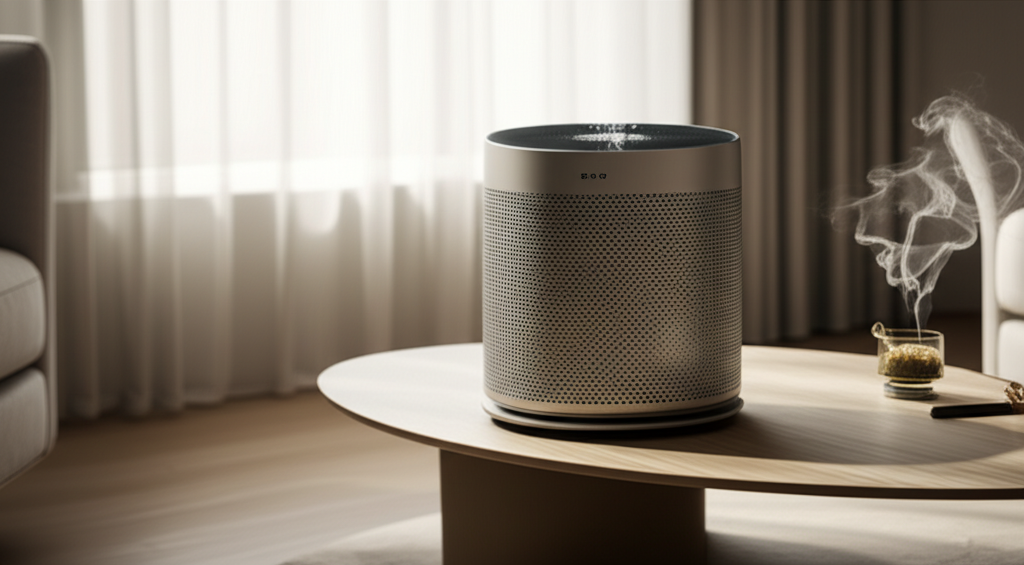
Weed smoke contains a complex mixture of compounds, including terpenes and cannabinoids, which contribute to its distinct aroma. When burned, these compounds are released as fine particulate matter and gases. These molecules are small enough to linger in the air and settle on surfaces, making the odor persistent and hard to eliminate with simple ventilation alone.
The Role of Filtration in Smoke Removal
The effectiveness of an air purifier against weed smoke hinges on its filtration system. Different filters target different types of pollutants. For smoke, a multi-stage filtration process is crucial, with specific filters designed to capture both the solid particles and the gaseous odors.
Key Filter Types for Weed Smoke
Pre-filter: Captures larger particles like dust and pet hair, extending the life of other filters.
HEPA Filter (High-Efficiency Particulate Air): Essential for trapping fine smoke particles, including ash and tar, down to 0.3 microns.
* Activated Carbon Filter: This is the workhorse for odor removal. Activated carbon has a porous structure that adsorbs (binds to its surface) gases and VOCs responsible for the smell of weed smoke. The more carbon, the better the odor neutralization.
Choosing the Right Air Purifier for Weed Smoke
Not all air purifiers are created equal when it comes to tackling strong odors like cannabis smoke. The size of the unit, its coverage area, and the quality of its filters are paramount. A unit that’s too small or lacks adequate carbon filtration will struggle to keep up with the smoke.
Understanding CADR (Clean Air Delivery Rate)
CADR measures how quickly an air purifier can clean a room of specific pollutants. For smoke, you’ll want a high CADR rating, especially for smoke. This indicates the unit’s capacity to process large volumes of air efficiently, essential for neutralizing smoke quickly.
The Importance of Activated Carbon
When it comes to weed smoke, the amount and quality of activated carbon in the filter are critical. Look for purifiers with a substantial amount of carbon – measured in pounds or kilograms – rather than just a thin carbon coating. A thicker, denser carbon filter will adsorb more odor molecules for a longer period.
HEPA Filtration: A Must-Have
A true HEPA filter is non-negotiable. It ensures that the fine particulate matter produced by burning cannabis is physically removed from the air. Without a HEPA filter, the purifier would only address the odor, leaving the potentially harmful particles behind.
Coverage Area and Room Size
Ensure the air purifier’s recommended coverage area matches or exceeds the size of the room where you’ll be using it. An undersized unit will run constantly without effectively clearing the air. Check the manufacturer’s specifications for room size recommendations, usually stated in square feet.
How to Maximize Your Air Purifier’s Effectiveness
Simply owning an air purifier isn’t enough; proper placement and maintenance are key to getting the best results for weed smoke. Think of it like maintaining a car – regular upkeep ensures optimal performance. Consistent use and filter changes will make a noticeable difference.
Strategic Placement in the Room
Place the air purifier in a location where it can effectively circulate air. Ideally, position it away from walls or furniture that might obstruct airflow. Placing it near the source of smoke, if possible, can help capture it before it spreads too widely.
Running the Purifier Consistently
For best results, run your air purifier continuously, especially during and after smoking sessions. This constant air circulation and filtration prevent smoke and odors from accumulating and settling into your home’s furnishings. Turning it off when not in use significantly reduces its effectiveness.
Regular Filter Maintenance and Replacement
Filters have a limited lifespan and will become saturated with pollutants over time. Follow the manufacturer’s recommendations for cleaning pre-filters and replacing HEPA and carbon filters. Neglecting this step will diminish the purifier’s ability to clean the air and remove odors.
Understanding Filter Lifespan
The lifespan of carbon filters, in particular, can be shortened by heavy smoke exposure. You might find yourself replacing them more frequently than the manufacturer’s general recommendation. Pay attention to any returning odors, which is a sign the carbon filter needs attention.
Are Air Purifiers Good for Weed Smoke: A Comparison
Here’s a quick look at how different types of air purifiers perform against weed smoke. While many can help, some are significantly better suited for this specific task.
| Air Purifier Type | Effectiveness Against Weed Smoke | Key Considerations |
| :———————– | :——————————- | :—————————————————– |
| HEPA + Activated Carbon | Excellent | Sufficient carbon, appropriate room size, high CADR. |
| HEPA Only | Moderate (Particulates only) | Does not remove odor effectively. |
| Ionizers/Ozone Generators | Potentially Harmful | Can produce ozone, which is a lung irritant. |
| Basic Carbon Filters | Limited | Insufficient carbon amount for strong odors. |
The Role of Activated Carbon in Odor Neutralization
Activated carbon is the unsung hero in combating weed smoke odors. Its incredibly porous surface area acts like a magnet for odor-causing molecules. The more activated carbon present in an air purifier, the more effectively it can trap and neutralize the pungent smells associated with cannabis.
How Activated Carbon Works
When air passes through the activated carbon filter, odor molecules from the smoke adhere to the carbon’s surface through a process called adsorption. This process effectively removes the smell from the air, leaving it fresh. Think of it like a sponge soaking up liquid, but on a molecular level for gases.
What to Look for in Carbon Filters
Prioritize air purifiers with a significant weight of activated carbon. Manufacturers often list the carbon filter weight, sometimes in pounds or kilograms. A filter that weighs several pounds will be far more effective and longer-lasting than one with a thin carbon mesh.
Carbon Filter Lifespan and Saturation
Carbon filters eventually become saturated and lose their ability to adsorb odors. For users of weed smoke, this saturation can happen faster than for general household air purification. Signs of a saturated carbon filter include the return of smoke odors, even when the purifier is running.
HEPA Filters: Capturing Smoke Particles
While activated carbon tackles the smell, HEPA filters are essential for removing the physical particles produced by burning weed. These tiny particles can remain suspended in the air and settle on surfaces, contributing to a less healthy environment. A HEPA filter ensures these are physically captured.
What is a True HEPA Filter?
A “True HEPA” filter is certified to capture at least 99.97% of airborne particles that are 0.3 microns in size. This standard is crucial for effectively removing fine smoke particles, ash, and other microscopic irritants from your indoor air. Always look for the “True HEPA” designation.
HEPA Filter Efficiency
The efficiency of a HEPA filter means it can remove a vast majority of the particulate matter from weed smoke. This not only helps with air quality but can also reduce the amount of residue that settles on your furniture and walls, making cleaning easier.
HEPA Filter Lifespan
HEPA filters are generally more durable than carbon filters, but they also need replacement. They can become clogged with particulate matter over time, reducing airflow and effectiveness. Check your manufacturer’s guidelines for recommended replacement intervals, typically every 6-12 months.
Air Purifiers vs. Other Smoke Solutions
When dealing with weed smoke, air purifiers are often part of a broader strategy. While they are highly effective, understanding their role alongside other methods can provide a comprehensive approach to maintaining a fresh-smelling home. They offer a continuous, automated solution.
Ventilation: A Necessary Companion
Opening windows and doors is a fundamental way to clear smoke and odors. However, ventilation alone can be insufficient, especially in colder weather or if you have neighbors sensitive to smells. Air purifiers complement ventilation by continuously cleaning the air indoors.
Air Fresheners and Odor Eliminators
These products often mask odors rather than removing them. While they can offer temporary relief, they don’t address the root cause – the airborne particles and VOCs. Air purifiers, on the other hand, actively remove these pollutants from the air.
Specialized Smoke-Eating Filters
Some air purifiers are specifically marketed for smoke, often featuring extra-thick carbon filters. These are excellent choices for dealing with potent odors like weed smoke, as they are designed for high-performance odor neutralization.
Potential Drawbacks and Considerations
While air purifiers are highly beneficial for weed smoke, there are a few things to keep in mind. Understanding these can help you manage expectations and ensure you’re using the device optimally. It’s not a magic bullet, but a powerful tool.
Filter Replacement Costs
The ongoing cost of replacement filters can add up, especially for units with large carbon filters that need frequent changing due to heavy smoke use. Budget for this recurring expense when considering your purchase.
Noise Levels
Some air purifiers, especially powerful ones designed for larger rooms, can be noisy. Check decibel ratings if noise is a concern for you. Many models offer quieter “sleep” modes for nighttime use.
Ozone Production (Avoidance is Key)
Certain types of air purifiers, like ozone generators or ionizers that produce ozone as a byproduct, should be avoided. Ozone is a lung irritant and can exacerbate respiratory issues. Always opt for purifiers that do not intentionally produce ozone.
Frequently Asked Questions (FAQ)
Can an air purifier completely eliminate weed smoke smell?
Yes, a high-quality air purifier with a substantial activated carbon filter can significantly reduce and often eliminate weed smoke smell by adsorbing odor molecules. Consistent use and proper filter maintenance are crucial for complete odor removal.
How long does it take for an air purifier to remove weed smoke?
The time varies depending on the air purifier’s power, room size, and the amount of smoke. For immediate sessions, you might notice a reduction in smell within an hour, but complete elimination can take several hours of continuous operation.
Do I need a special air purifier for weed smoke?
While any air purifier with a good HEPA and activated carbon filter will help, models specifically designed for smoke, featuring a large carbon filter capacity, are most effective. Look for units with high CADR ratings for smoke.
How often should I change the filters for weed smoke?
For heavy weed smoke usage, you’ll likely need to replace the activated carbon filter more frequently than the manufacturer’s general recommendation, potentially every 3-6 months, as it saturates faster with strong odors. HEPA filters may last 6-12 months.
Can air purifiers help with the smell of vaping weed?
Yes, vaping weed also releases compounds that can have an odor, though typically less potent than combustion smoke. An air purifier with a good carbon filter will help to neutralize these odors as well.
Will an air purifier make my room smell like nothing?
The goal of an air purifier is to remove pollutants and odors, leaving the air neutral and fresh. It won’t add any scent, but it will eliminate the lingering smell of weed smoke, making your room smell clean.
Conclusion: Breathe Easier with an Air Purifier
In conclusion, are air purifiers good for weed smoke? Absolutely. They are an essential tool for anyone looking to effectively combat the lingering odors and fine particulate matter associated with cannabis smoke. By choosing a unit with a robust HEPA filter and a substantial activated carbon filter, strategically placing it, and performing regular maintenance, you can significantly improve your indoor air quality. This allows you to enjoy your space without the unwelcome scent of smoke, creating a fresher, cleaner, and more pleasant environment for yourself and your guests. Investing in the right air purifier is an investment in your home’s air and your overall comfort.
