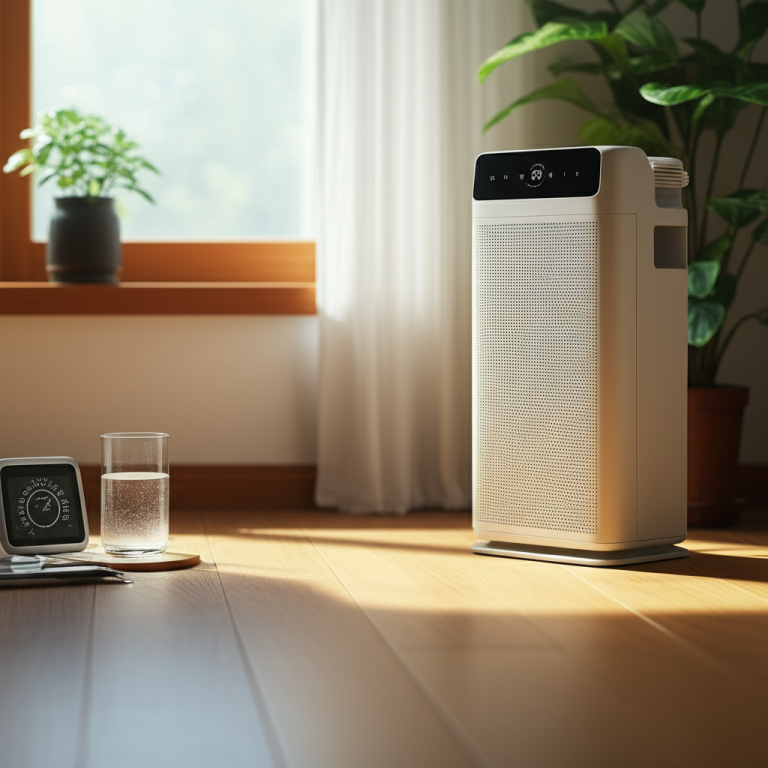
Can Air Purifier Remove Carbon Monoxide? Essential Safety Guide

No, standard air purifiers cannot remove carbon monoxide; only specialized devices can, and a dedicated carbon monoxide detector is crucial for safety.
Can Air Purifier Remove Carbon Monoxide? Essential Safety Guide
It’s a common question: Can an air purifier remove carbon monoxide? Many people invest in air purifiers to combat dust, allergens, and odors, but carbon monoxide (CO) is a colorless, odorless gas that poses a serious health risk. Understanding what air purifiers can and cannot do is vital for keeping your home safe. This guide will clarify the role of air purifiers concerning carbon monoxide and provide essential safety information.
Understanding Carbon Monoxide: The Silent Killer
Carbon monoxide is a dangerous gas produced by incomplete combustion. Sources include faulty furnaces, gas stoves, fireplaces, vehicle exhaust, and even portable generators. Because it’s undetectable by our senses, CO buildup can lead to severe health issues, including headaches, dizziness, nausea, and even death, without any warning signs.
How Do Air Purifiers Work?
Air purifiers typically use filters to clean the air. HEPA filters are excellent at trapping particulate matter like dust, pollen, and pet dander. Activated carbon filters are designed to adsorb gases and odors, which is why some people assume they can handle carbon monoxide.
The Crucial Difference: CO vs. Other Pollutants
While activated carbon filters can remove many volatile organic compounds (VOCs) and common household odors, they are generally ineffective against carbon monoxide. CO molecules are much smaller and behave differently than the gases typically targeted by carbon filters. This fundamental difference means your standard air purifier is not a solution for carbon monoxide poisoning.
Why Standard Air Purifiers Fail Against CO
The porous structure of activated carbon is designed to trap larger gas molecules. Carbon monoxide, being a very small and simple molecule, can pass through these filters without being adsorbed. Therefore, relying on a regular air purifier to remove CO from your home is a dangerous misconception that could have severe consequences.
The Only Effective Solution: Dedicated CO Detectors
The most critical tool for combating carbon monoxide is a dedicated carbon monoxide detector. These devices are specifically designed to sense the presence of CO gas and alert you with a loud alarm. They are inexpensive and widely available, making them an essential safety investment for every home.
What About Air Purifiers with CO Sensing Capabilities?
Some advanced air purification systems are now integrating carbon monoxide sensors. These units can detect CO levels and may even have features to mitigate it, often through a combination of enhanced filtration and, crucially, by sounding an alarm. However, it’s important to verify the specific capabilities and certifications of such devices.
Choosing the Right CO Detector: What to Look For
When selecting a carbon monoxide detector, look for units that are certified by recognized safety organizations like UL (Underwriters Laboratories) or CSA (Canadian Standards Association). Battery-operated, plug-in, and combination smoke and CO detectors are all viable options, depending on your needs and home setup.
Proper Placement and Maintenance of CO Detectors
To ensure maximum effectiveness, carbon monoxide detectors should be installed on every level of your home, especially near sleeping areas. Follow the manufacturer’s instructions for placement, typically on a wall or ceiling, away from vents or drafts. Regular testing (monthly) and battery replacement (annually or as needed) are essential for continued functionality.
The Role of Activated Carbon in Air Purification (and its Limits)
Activated carbon filters are excellent for improving air quality by removing odors, smoke, and certain VOCs. They work through a process called adsorption, where gas molecules stick to the vast surface area of the carbon. However, as established, this process is not effective for the unique properties of carbon monoxide.
When to Consider a Specialized CO Air Purifier
If you are particularly concerned about air quality and want a comprehensive solution, an air purifier with integrated CO sensing and filtration capabilities might be an option. These devices offer dual functionality, but they should always be used in conjunction with, not as a replacement for, a standalone CO detector.
Table: Air Purifier Capabilities vs. Carbon Monoxide
| Feature/Pollutant | HEPA Filter | Activated Carbon Filter | Dedicated CO Detector |
|—|—|—|—|
| Particulate Matter (Dust, Pollen) | Yes | Yes (minor) | No |
| Odors & VOCs | No | Yes | No |
| Carbon Monoxide (CO) | No | No | Yes |
| Alarm Functionality | No | No | Yes |
Preventing Carbon Monoxide Exposure: Proactive Steps
Beyond detection, prevention is key. Ensure all fuel-burning appliances are professionally inspected annually. Never use generators, charcoal grills, or propane heaters indoors. Keep car engines off in attached garages, even if the door is open. Proper ventilation is also crucial when using gas stoves or fireplaces.
FAQs: Your Carbon Monoxide and Air Purifier Questions Answered
Q1: Can a regular air purifier remove carbon monoxide?
No, standard air purifiers with HEPA and activated carbon filters cannot effectively remove carbon monoxide from the air.
Q2: What is the best way to detect carbon monoxide?
The best way to detect carbon monoxide is by using a dedicated carbon monoxide detector, which is specifically designed for this purpose.
Q3: Are there air purifiers that can remove carbon monoxide?
Some advanced air purifiers may include CO sensors and specialized filtration, but they should complement, not replace, a dedicated CO detector.
Q4: Why doesn’t activated carbon filter remove carbon monoxide?
Carbon monoxide molecules are too small and don’t effectively adsorb to the porous structure of activated carbon filters used in standard air purifiers.
Q5: Where should I place a carbon monoxide detector?
Place CO detectors on every level of your home, particularly near sleeping areas, following manufacturer guidelines for optimal placement.
Q6: How often should I test my carbon monoxide detector?
You should test your carbon monoxide detector monthly and replace batteries at least once a year, or as indicated by the device.
Q7: What are the symptoms of carbon monoxide poisoning?
Symptoms include headaches, dizziness, nausea, confusion, chest pain, and shortness of breath, similar to the flu.
Conclusion: Prioritize Safety with Dedicated Detectors
In summary, while air purifiers are excellent for improving indoor air quality by removing allergens, dust, and odors, they are not equipped to handle the silent threat of carbon monoxide. For your family’s safety, it is imperative to invest in and properly maintain dedicated carbon monoxide detectors. Understanding the limitations of your air purifier and prioritizing specialized safety devices will ensure a healthier and safer home environment for everyone.