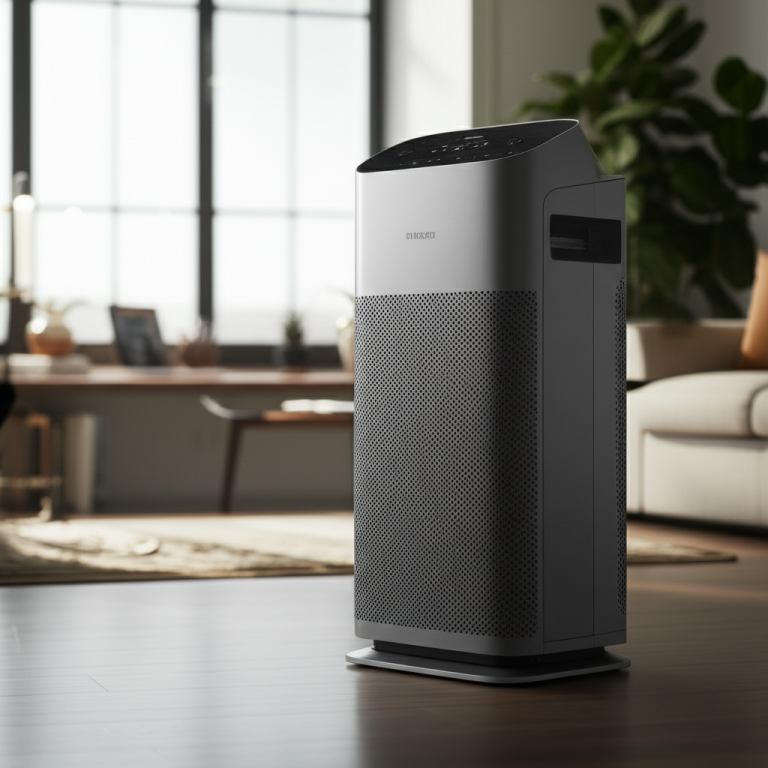
Does Air Purifier Help With Carbon Monoxide: Essential Guide

No, standard air purifiers do not effectively remove carbon monoxide from your home. Carbon monoxide is a colorless, odorless gas that requires specific detection and ventilation methods, not typical air filtration. This guide explains why and what you should do instead.
Introduction
It’s a chilling thought: a silent, invisible threat lurking in your home. Carbon monoxide (CO) is a dangerous gas produced by incomplete combustion, often from fuel-burning appliances. Many homeowners wonder if their trusty air purifier, designed to tackle dust, pollen, and pet dander, can also protect them from this deadly gas. The answer might surprise you, and understanding it is crucial for your family’s safety. Let’s dive into what air purifiers can and cannot do when it comes to carbon monoxide.
Understanding Carbon Monoxide: The Silent Killer
Carbon monoxide is a gas that’s impossible to see, smell, or taste, making it incredibly dangerous. It’s produced when fuels like natural gas, propane, wood, and gasoline don’t burn completely. Common sources include furnaces, water heaters, stoves, fireplaces, and vehicle exhaust. When inhaled, CO displaces oxygen in your bloodstream, leading to serious health issues or even death.
How Carbon Monoxide Affects Your Health
Even low levels of carbon monoxide can cause flu-like symptoms such as headaches, dizziness, nausea, and fatigue. Higher concentrations can lead to confusion, loss of consciousness, and fatal poisoning. Children, the elderly, and individuals with heart or respiratory problems are particularly vulnerable to its effects.
Do Air Purifiers Help With Carbon Monoxide? The Direct Answer
No, standard air purifiers do not help with carbon monoxide. They are designed to filter out particulate matter and some gaseous pollutants, but carbon monoxide is a unique gas that requires different methods for detection and removal.
Air purifiers typically use HEPA filters to capture particles like dust and allergens, and activated carbon filters to adsorb odors and some volatile organic compounds (VOCs). However, CO molecules are too small and do not have the chemical properties that these filters can effectively trap or neutralize.
The Limitations of HEPA and Activated Carbon Filters
HEPA filters are designed to capture particles with a diameter of 0.3 microns or larger. Carbon monoxide molecules are significantly smaller than this, easily passing through the filter media. Activated carbon filters are effective for many gases and odors, but their capacity and pore structure are not optimized for the efficient removal of carbon monoxide.
What Air Purifiers Can Remove
While they fall short on CO, air purifiers excel at improving indoor air quality in other crucial ways. They are excellent at removing common allergens, dust, pet dander, mold spores, and smoke particles. This can significantly reduce symptoms for allergy sufferers and create a more pleasant living environment.
Benefits of Air Purifiers for Other Pollutants
By reducing airborne irritants, air purifiers can help alleviate symptoms associated with allergies, asthma, and other respiratory conditions. They also contribute to a fresher-smelling home by removing odors from cooking, pets, and smoke. This broad improvement in air quality is where their true value lies.
Why Carbon Monoxide is Different
Carbon monoxide is a unique challenge because it’s a gas, not a particle, and it’s a product of incomplete combustion. Its danger lies in its ability to bind to hemoglobin in your blood far more effectively than oxygen. This means even small amounts can quickly lead to oxygen deprivation.
The Invisible Nature of CO
The primary danger of carbon monoxide is its invisibility. You cannot see, smell, or taste it. This makes early detection paramount, as symptoms can be mistaken for common illnesses, delaying crucial action.
The Essential Solution: Carbon Monoxide Detectors
The most effective way to combat the threat of carbon monoxide is through dedicated carbon monoxide detectors. These devices are specifically designed to sense the presence of CO gas and alert you with an audible alarm. They are an essential safety device for any home with fuel-burning appliances.
How Carbon Monoxide Detectors Work
CO detectors use electrochemical sensors that react to the presence of carbon monoxide. When CO is detected above a certain threshold, the sensor triggers a loud alarm, usually 85 decibels, to alert occupants. These alarms are designed to wake sleeping individuals.
Types of Carbon Monoxide Detectors
There are several types of CO detectors available, each with its own features and benefits. Choosing the right one depends on your home’s layout and your specific needs. Always ensure the detectors you choose are certified by a recognized testing laboratory like UL or CSA.
Battery-Powered Detectors
These are the simplest to install as they don’t require wiring. They are a good option for renters or for adding protection to specific areas. However, their batteries need regular replacement, and they can be prone to false alarms from power surges if not properly protected.
Plug-In Detectors
Plug-in CO detectors are powered by your home’s electrical outlet and often include a battery backup in case of a power outage. They are generally reliable and require less maintenance than battery-only models. It’s important to place them in locations where they won’t be accidentally unplugged.
Hardwired Detectors
These are permanently connected to your home’s electrical system and usually have a battery backup. Hardwired detectors are often interconnected, meaning if one alarm sounds, they all do. This provides comprehensive coverage throughout the house but requires professional installation.
Combination Smoke and CO Detectors
For convenience and comprehensive safety, many choose detectors that combine smoke and carbon monoxide detection. These units can alert you to both fire and CO threats from a single device. Ensure they meet all relevant safety standards.
Proper Placement of CO Detectors
The effectiveness of your CO detection system hinges on correct placement. You need detectors on every level of your home, especially near sleeping areas. Avoid placing them too close to fuel-burning appliances or in areas with poor ventilation, as this can lead to inaccurate readings.
Key Placement Guidelines
Near Sleeping Areas: Install a detector on each level of your home, outside sleeping areas. This ensures you’ll hear the alarm if CO is detected while you’re asleep.
Away from Appliances: Keep detectors at least 15-20 feet away from furnaces, water heaters, and stoves to prevent nuisance alarms.
Ventilation: Do not place detectors in kitchens or garages where combustion byproducts are common or in areas with high humidity or excessive airflow, such as bathrooms or near fans.
Manufacturer Instructions: Always follow the specific installation and placement instructions provided by the manufacturer of your CO detector.
When to Replace Your Carbon Monoxide Detector
Like all electronic devices, CO detectors have a limited lifespan. Most manufacturers recommend replacing them every 5 to 10 years, depending on the model. Check the manufacturing date on the back of your detector and replace it once it reaches its expiry date.
Signs Your Detector Needs Replacement
Beyond the expiration date, you might need to replace a detector if it frequently chirps, fails to test properly, or if its display is malfunctioning. Regular testing (monthly) and maintenance are crucial to ensure it’s working effectively.
Addressing Carbon Monoxide Sources
The best defense against carbon monoxide is to prevent its production in the first place. Regular maintenance of all fuel-burning appliances is essential. This includes furnaces, water heaters, gas stoves, fireplaces, and any attached garages.
Appliance Maintenance Checklist
Annual Inspections: Have all fuel-burning appliances inspected annually by a qualified technician.
Proper Ventilation: Ensure appliances are properly vented and that vents are clear of obstructions.
Use Appliances Correctly: Never use a gas oven to heat your home, and ensure portable generators are used outdoors and far from windows and doors.
Chimney Sweeping: Have chimneys and flues cleaned and inspected regularly, especially before the heating season.
Can an Air Purifier Filter Other Dangerous Gases?
While air purifiers don’t handle carbon monoxide, they can be effective against other harmful gases, particularly volatile organic compounds (VOCs). These can be emitted from paints, cleaning supplies, furniture, and building materials. Activated carbon filters in air purifiers are designed to adsorb these compounds, helping to improve indoor air quality.
The Role of Activated Carbon Filters
Activated carbon filters are porous materials that have been treated to increase their adsorptive capacity. They work by trapping gas molecules on their surface. This process is highly effective for a range of chemicals, odors, and some pollutants, but not for the specific nature of carbon monoxide.
What to Do If You Suspect a CO Leak
If you suspect a carbon monoxide leak, immediate action is critical. If your CO detector alarms, or if you experience symptoms like headache, dizziness, or nausea, evacuate everyone from the home immediately.
Emergency Steps
1. Evacuate: Get everyone outside to fresh air as quickly as possible.
2. Call for Help: Once outside, call 911 or your local emergency services.
3. Do Not Re-enter: Do not go back inside until emergency responders have deemed it safe.
4. Seek Medical Attention: If anyone is experiencing symptoms, ensure they are checked by medical professionals.
5. Ventilate: After the all-clear, open windows and doors to air out the home.
6. Find the Source: Have a qualified technician inspect your appliances to identify and repair the source of the CO leak.
Frequently Asked Questions About Air Purifiers and Carbon Monoxide
Q1: Can a carbon monoxide detector replace an air purifier?
No, they serve entirely different purposes. A CO detector alerts you to the presence of dangerous carbon monoxide gas, while an air purifier improves general indoor air quality by filtering out particles and some gaseous pollutants.
Q2: How often should I test my carbon monoxide detector?
You should test your carbon monoxide detector monthly using the test button on the unit. This ensures the alarm and battery are functioning correctly.
Q3: Can air purifiers with activated carbon filters remove CO?
While activated carbon filters are good for many gases, they are generally not effective at removing carbon monoxide. CO molecules are too small and don’t bind to the carbon in the same way other pollutants do.
Q4: What is the best way to remove carbon monoxide from my home?
The best way to deal with carbon monoxide is prevention and detection. Ensure fuel-burning appliances are maintained and vented properly, and install working carbon monoxide detectors on every level of your home.
Q5: Are there any air purifiers that can remove carbon monoxide?
There are specialized devices, often called catalytic converters or industrial scrubbers, that can neutralize carbon monoxide, but these are not typically found in standard home air purifiers. For home use, CO detectors are the essential safety measure.
Q6: How do I know if my air purifier is working?
Most air purifiers have indicator lights or fan speeds that show they are operating. For models with filters, check the filter indicator or consult your manual to know when to replace the filter for optimal performance.
Conclusion
In conclusion, while air purifiers are invaluable for improving overall indoor air quality by removing allergens, dust, and odors, does air purifier help with carbon monoxide? The answer is a definitive no. Carbon monoxide is a silent, deadly gas that requires specialized detection and ventilation, not filtration. Your primary defense against CO poisoning is a working carbon monoxide detector, coupled with regular maintenance of fuel-burning appliances. Prioritizing these safety measures ensures your home remains a safe haven from this invisible threat.