
Can Air Purifier Cause Carbon Monoxide? Essential Safety

Air purifiers themselves do not produce carbon monoxide. However, certain conditions or malfunctions, especially with older or poorly maintained units, could indirectly contribute to CO buildup by affecting ventilation or interacting with other appliances. This guide clarifies the risks and ensures your safety.
Air purifiers are designed to improve indoor air quality, removing pollutants like dust, pollen, and VOCs. It’s natural to wonder about their safety, especially concerning invisible threats like carbon monoxide (CO). Many people worry if their air purifier could be a source of this dangerous gas. This guide will demystify the relationship between air purifiers and carbon monoxide, offering clear, actionable advice to keep your home safe and healthy. We’ll explore the science, potential risks, and essential precautions.
Understanding Carbon Monoxide and Air Purifiers
Carbon monoxide is a colorless, odorless gas produced by the incomplete burning of carbon-based fuels. Sources include furnaces, water heaters, stoves, fireplaces, and vehicle exhaust. Air purifiers, on the other hand, use filters and fans to circulate and clean air. They do not involve combustion and therefore do not inherently produce carbon monoxide.
How Air Purifiers Work
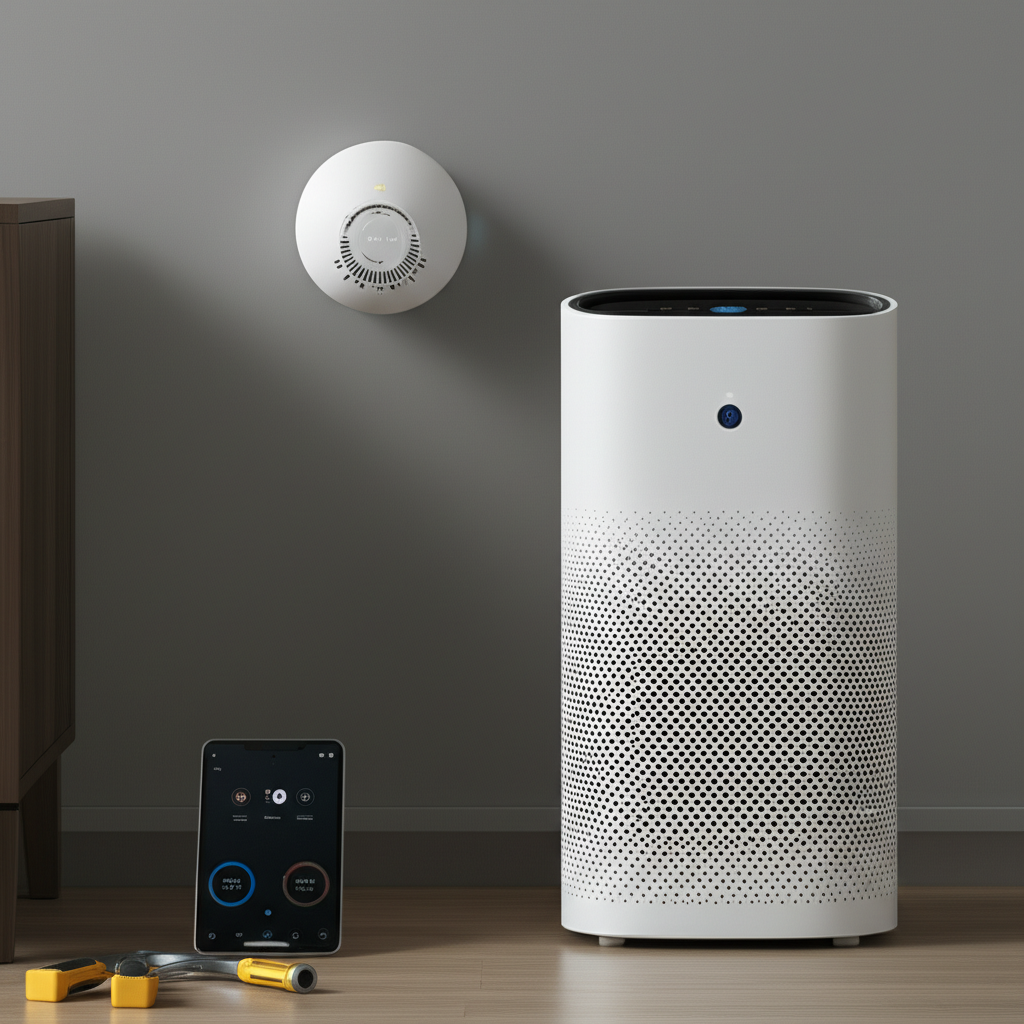
Air purifiers typically use mechanical filters, like HEPA filters, to trap particles. Some also incorporate activated carbon filters to adsorb gases and odors. The fan circulates room air through these filters, removing contaminants. This process is purely physical and chemical adsorption, not combustion.
The Science Behind CO Production
Carbon monoxide is a byproduct of incomplete combustion. This occurs when there isn’t enough oxygen to burn fuel completely. For example, a gas stove or a faulty furnace can produce CO if it’s not venting properly. Air purifiers do not burn fuel, so they cannot directly create CO.
Potential Indirect Risks: What You Need to Know
While air purifiers don’t produce carbon monoxide, certain scenarios could indirectly affect CO levels in your home. Understanding these nuances is crucial for maintaining a safe environment. It’s about ensuring your air purifier operates in harmony with your home’s overall air quality and ventilation.
Malfunctioning Appliances and Ventilation
A poorly functioning air purifier might inadvertently affect ventilation. If a unit is placed in a way that obstructs airflow from a heating appliance or fireplace, it could potentially exacerbate CO buildup from that source. Proper placement and ensuring all fuel-burning appliances are well-maintained are key.
The Role of Activated Carbon Filters
Activated carbon filters in air purifiers are designed to absorb gases, including some volatile organic compounds (VOCs). They do not absorb carbon monoxide. While they can improve the smell of your air, they won’t remove CO.
Impact on Airflow and Ventilation
If an air purifier significantly reduces airflow in a room, it might indirectly impact the ventilation of other appliances. For instance, if a furnace relies on a certain amount of air exchange, a very powerful air purifier in a small, poorly ventilated space could theoretically influence this. However, this is a rare scenario with typical air purifier usage.
Ensuring Your Air Purifier is Safe
The vast majority of air purifiers are perfectly safe and do not pose a CO risk. However, taking a few simple precautions ensures you maximize their benefits without introducing any potential hazards. It’s about smart usage and regular maintenance.
Choosing a Reputable Brand
Stick to well-known brands with good safety records and certifications. Companies like Dyson, Coway, and Blueair often have rigorous testing standards. Always check for certifications like UL or ETL, which indicate the product has met safety standards.
Proper Placement and Usage
Avoid placing your air purifier directly in front of or behind vents, fireplaces, or fuel-burning appliances. Ensure there’s adequate space around the unit for proper airflow. Following the manufacturer’s instructions for placement is essential.
Regular Maintenance and Filter Replacement
Clogged filters can reduce efficiency and strain the motor, but they won’t produce CO. However, regular maintenance ensures your purifier works as intended and doesn’t create other issues. Always replace filters according to the manufacturer’s schedule.
The Importance of Carbon Monoxide Detectors
Even with the safest air purifiers, having a working carbon monoxide detector is non-negotiable. These devices are your primary defense against CO poisoning. They are specifically designed to alert you to the presence of this dangerous gas.
How CO Detectors Work
Carbon monoxide detectors use electrochemical sensors to detect CO. When CO levels reach a dangerous threshold, the alarm sounds. This provides critical early warning, allowing you to evacuate and seek fresh air.
Placement of CO Detectors
Install CO detectors on every level of your home, especially near sleeping areas. They should be placed away from vents, windows, and doors that could give false readings. Following the manufacturer’s guidelines for placement is crucial.
Testing and Maintenance of Detectors
Test your CO detectors monthly and replace batteries at least once a year, or as recommended by the manufacturer. Replace the entire unit every 5-10 years, as the sensors degrade over time. A well-maintained detector is your best safeguard.
When to Be Concerned: Red Flags
While air purifiers are safe, certain signs in your home might indicate a CO problem, regardless of your air purifier’s presence. These are critical indicators that require immediate attention. Recognizing these symptoms can save lives.
Symptoms of CO Poisoning
Symptoms can include headaches, dizziness, nausea, fatigue, and confusion. If multiple people in your household experience these symptoms simultaneously, especially after using fuel-burning appliances, suspect CO. Seek fresh air immediately and call emergency services.
Unusual Smells or Sounds
Strange odors, like rotten eggs or burning smells, from appliances could indicate a problem. Also, listen for unusual noises from your furnace, water heater, or other gas appliances. These are all potential warning signs of combustion issues.
Faulty Appliances
Any appliance that burns fuel—furnaces, gas stoves, water heaters, fireplaces—can be a source of CO if faulty or improperly vented. Regular professional servicing of these appliances is vital for preventing CO buildup.
Can Air Purifiers Cause Carbon Monoxide? A Direct Answer
To reiterate clearly: No, air purifiers themselves do not produce carbon monoxide. Their operation involves filtration and fans, not combustion. The concern often arises from a misunderstanding of how CO is produced and the potential indirect effects of air circulation.
Debunking the Myth
The myth that air purifiers create CO likely stems from confusion about indoor air quality and the various devices used to manage it. Since air purifiers are actively circulating air, some may mistakenly associate this with the production of gases. However, the science is clear: CO comes from incomplete burning.
Focus on Combustion Sources
The real risk of carbon monoxide comes from fuel-burning appliances that are malfunctioning, improperly installed, or poorly ventilated. Your air purifier is designed to clean the air, not contaminate it with dangerous gases. Always prioritize the maintenance of your heating and cooking equipment.
Comparing Air Purifiers and Other Air Quality Devices
Understanding how different devices impact your home’s air can further clarify the safety of air purifiers. Some devices, like humidifiers or ionizers, have had their own safety concerns, but CO production is not among them for air purifiers.
Air Purifiers vs. Humidifiers
Humidifiers add moisture to the air and can sometimes breed bacteria if not cleaned properly. Air purifiers remove particles and gases. Neither device produces carbon monoxide.
Air Purifiers vs. Ionizers
Some older or poorly designed ionizers can produce small amounts of ozone, which can be an irritant. However, they do not produce carbon monoxide. Modern air purifiers with ionizers are designed to minimize ozone production.
Air Purifiers vs. Space Heaters
Electric space heaters are generally safe regarding CO, but fuel-burning space heaters (like propane or kerosene) can produce CO if not used in a well-ventilated area. This highlights the critical difference between combustion and air purification technologies.
Best Practices for a CO-Safe Home Environment
Creating a safe home environment involves multiple layers of protection. Your air purifier is one part of this, but it’s essential to implement broader safety measures. These practices ensure comprehensive protection against various indoor air hazards.
Regular Appliance Servicing
Schedule annual inspections and servicing for all your fuel-burning appliances, including furnaces, water heaters, and gas stoves. This is the most effective way to prevent CO leaks. Professional checks ensure everything is venting correctly.
Proper Ventilation
Ensure your home is adequately ventilated. This doesn’t mean opening windows all the time, but rather ensuring your HVAC system is functioning correctly and that any exhaust from appliances is properly vented outside.
Using CO Detectors
As mentioned, always have working carbon monoxide detectors on every level of your home. This is your most critical safety net. Regularly test and maintain them as per manufacturer instructions.
Frequently Asked Questions
Do air purifiers use combustion?
No, air purifiers do not use combustion. They use fans to draw air through filters, such as HEPA and activated carbon, to remove pollutants.
Can an air purifier make carbon monoxide worse?
An air purifier itself does not produce carbon monoxide. However, if a fuel-burning appliance is malfunctioning and producing CO, and the air purifier is placed in a way that impedes ventilation, it could indirectly affect the concentration of CO in a specific area.
What is the main cause of carbon monoxide in homes?
The main cause of carbon monoxide in homes is the incomplete burning of fuels like natural gas, propane, oil, wood, and charcoal. This often happens with faulty or improperly vented furnaces, water heaters, stoves, fireplaces, and generators.
Should I worry about carbon monoxide from my air purifier?
No, you should not worry about your air purifier producing carbon monoxide. Air purifiers are designed to clean the air and do not involve combustion processes that create CO. Your primary concern for CO should be with fuel-burning appliances.
What are the symptoms of carbon monoxide poisoning?
Symptoms include headache, dizziness, nausea, vomiting, fatigue, shortness of breath, and confusion. If you experience these symptoms, move to fresh air immediately and call for emergency medical help.
How can I ensure my home is safe from carbon monoxide?
Ensure all fuel-burning appliances are professionally serviced regularly, install and maintain working carbon monoxide detectors on every level of your home, and ensure proper ventilation.
Conclusion: Breathe Easy with Informed Safety
In summary, you can rest assured that your air purifier is not a source of carbon monoxide. The technology used in air purifiers is designed to enhance your indoor air quality, not compromise it with dangerous gases. The real threat of carbon monoxide stems from incomplete combustion in fuel-burning appliances. By understanding this distinction and implementing essential safety measures like regular appliance maintenance and the use of carbon monoxide detectors, you can confidently use your air purifier to create a healthier, safer home environment for you and your family. Breathe easy, knowing you’re informed and protected.
