
Nasa Top Air Purifying Plants: Essential for Clean Air

Breathe easier with nasa top air purifying plants, proven by NASA to remove toxins and improve indoor air quality for a healthier home environment.
The air inside our homes can be surprisingly dirty. Many common household items release tiny particles that can make us feel tired or sick. We often think of air purifiers as machines, but nature offers a beautiful and effective solution. What if you could make your home healthier just by adding a few green friends? This article will guide you through the best plants for clean air, based on important research.
The NASA Clean Air Study: A Groundbreaking Discovery
The famous NASA Clean Air Study was a major project. It looked at how plants could clean the air in space stations. Scientists tested many common houseplants. They wanted to see which ones were best at removing harmful chemicals from the air. This study showed that plants are powerful natural air filters. It gave us a list of the top performers.
This research is very important for our homes. It helps us choose plants that actively make our indoor air cleaner. These plants can help reduce common indoor pollutants like formaldehyde and benzene.
Why Indoor Air Quality Matters for Your Health
Indoor air can be five times more polluted than outdoor air. This is due to many things we bring into our homes. Things like furniture, cleaning products, and even new carpets can release chemicals. These chemicals are called Volatile Organic Compounds (VOCs). Breathing these VOCs over time can lead to headaches, dizziness, and long-term health problems.
Good indoor air quality is essential for well-being. It helps us sleep better and feel more energetic. Plants play a vital role in creating this healthier living space.
Top NASA Air Purifying Plants for Your Home
NASA identified several plants as excellent air cleaners. These plants work by absorbing toxins through their leaves and roots. They then convert these harmful chemicals into harmless substances. Here are some of the most effective ones:
Spider Plant (Chlorophytum comosum)
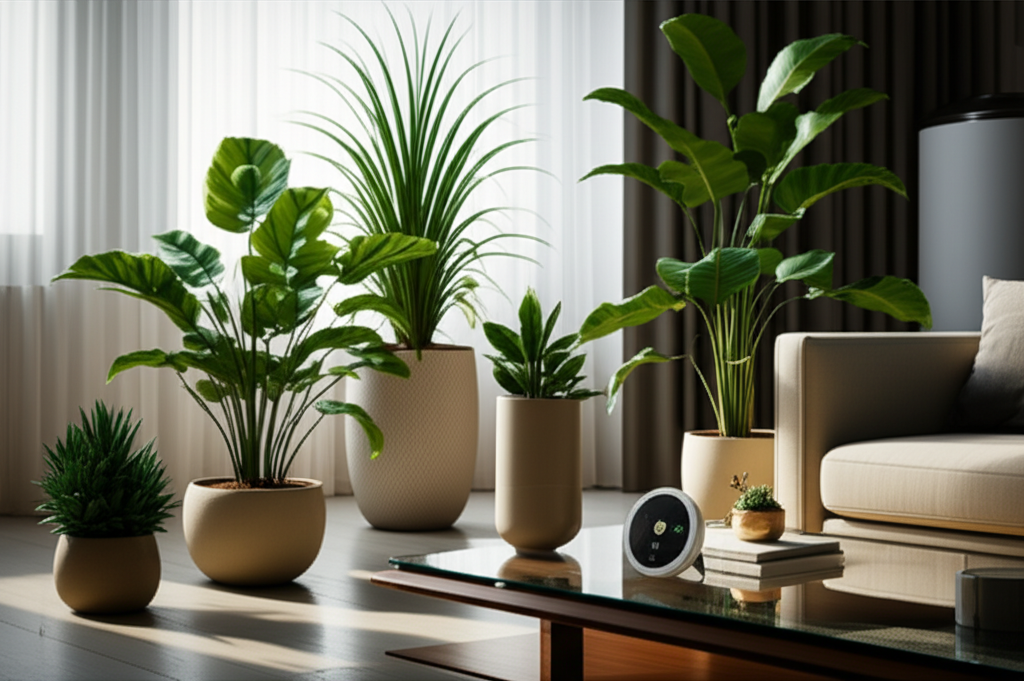
The Spider Plant is a super easy plant to care for. It’s great for beginners. It’s very good at removing formaldehyde and xylene from the air. You’ll often see it in hanging baskets.
This plant is resilient and can tolerate different light conditions. Its striped leaves look lovely in any room. It’s a popular choice for many homes and offices.
Snake Plant (Sansevieria trifasciata)
Also known as Mother-in-Law’s Tongue, the Snake Plant is a modern favorite. It’s known for its tall, upright leaves. This plant is fantastic at removing formaldehyde, benzene, and trichloroethylene. It also releases oxygen at night, which is unusual for plants.
Snake plants are very hardy. They don’t need much water or light. This makes them perfect for busy people or low-light areas.
Peace Lily (Spathiphyllum)
The Peace Lily is a beautiful plant with elegant white flowers. It’s a champion at cleaning the air. It can remove ammonia, benzene, formaldehyde, and trichloroethylene. It also helps reduce alcohol and acetone from the air.
This plant likes shade and moist soil. Its graceful presence adds a touch of elegance. It’s a great choice for bedrooms and living areas.
Golden Pothos (Epipremnum aureum)
Golden Pothos, also called Devil’s Ivy, is incredibly easy to grow. It’s a trailing vine that looks great in hanging pots or on shelves. It’s very effective at removing formaldehyde, benzene, and xylene.
This plant can grow in various light conditions. It’s a forgiving plant that bounces back even if you forget to water it. It’s a popular choice for its beauty and air-purifying power.
Areca Palm (Dypsis lutescens)
The Areca Palm is a larger plant that brings a tropical feel indoors. It’s excellent at filtering out formaldehyde, xylene, and toluene. It also adds moisture to the air, which can help with dry skin and respiratory issues.
This palm needs bright, indirect light and regular watering. It can grow quite tall, making it a stunning statement piece. It’s a great addition to living rooms and larger spaces.
Boston Fern (Nephrolepis exaltata)
The Boston Fern is a classic houseplant known for its lush, feathery fronds. It’s a top performer for removing formaldehyde and xylene. It also helps to humidify the air.
This fern thrives in humid environments and needs consistent moisture. It’s perfect for bathrooms or kitchens where humidity is higher. Its vibrant green leaves add life to any corner.
English Ivy (Hedera helix)
English Ivy is a fast-growing vine that can be grown indoors. It’s very effective at reducing airborne mold. It’s also good at removing formaldehyde and benzene.
This plant prefers cooler temperatures and moderate light. It can be trained to climb or allowed to trail. It’s a versatile plant for many indoor settings.
Bamboo Palm (Chamaedorea seifrizii)
The Bamboo Palm, or Reed Palm, is another excellent air purifier. It’s particularly good at removing formaldehyde and benzene. It also adds a touch of the tropics to your home.
This palm prefers shady spots and consistent moisture. It’s a good choice for smaller spaces as it doesn’t grow too large. Its slender stems and arching leaves are very attractive.
How Plants Clean Your Air: The Science Behind It
Plants don’t just look pretty; they actively work to clean your air. Their leaves have tiny pores called stomata. These stomata take in air, and the plant uses the chemicals for its own processes. The plant’s roots and the microbes in the soil also help break down these toxins. This process is like a natural filtration system for your home.
The NASA study showed that plants can remove up to 80% of certain pollutants. This happens within 24 hours. It’s a slow and steady process that contributes to a healthier indoor environment.
Creating Your Indoor Oasis: Tips for Success
To get the most out of your air-purifying plants, a few things are important. Make sure to choose plants that fit your home’s light and temperature. Give them the right soil and water. Don’t overcrowd your space; a few well-placed plants are better than too many.
Regularly clean your plant’s leaves. Dust can block the stomata, making them less effective. Rotate your plants so all sides get light. This helps them grow evenly and stay healthy.
Watering and Light Needs
Each plant has unique needs. For example, the Peace Lily likes moist soil and shade. The Snake Plant prefers drier soil and can tolerate low light. The Areca Palm needs bright, indirect light and regular watering.
Here’s a quick guide to some common needs:
| Plant Name | Light Needs | Watering Needs |
| :————– | :———————- | :——————— |
| Spider Plant | Bright indirect to low | Moderate, let soil dry |
| Snake Plant | Low to bright indirect | Infrequent, let dry |
| Peace Lily | Shade to moderate | Keep soil moist |
| Golden Pothos | Low to bright indirect | Moderate, let dry |
| Areca Palm | Bright indirect | Regular, keep moist |
| Boston Fern | Moderate indirect | Keep soil moist |
| English Ivy | Moderate indirect | Moderate, let dry |
| Bamboo Palm | Shade to moderate | Regular, keep moist |
Always research the specific needs of the plants you choose. This ensures they thrive and purify your air effectively.
Soil and Potting Considerations
The soil is where much of the root-level purification happens. Use good quality potting mix. For most air-purifying plants, a well-draining mix is best. This prevents roots from rotting.
When you pot your plants, choose pots with drainage holes. This is crucial for plant health. The size of the pot should be appropriate for the plant’s root system. A pot that is too large can hold too much moisture.
Beyond NASA: Other Benefits of Houseplants
Besides cleaning the air, houseplants offer many other benefits. They can reduce stress and improve your mood. Studies have shown that being around plants can lower blood pressure and heart rate. They also add beauty and life to your living space.
Having plants can even boost your creativity and productivity. The presence of nature indoors creates a more calming and inspiring atmosphere. They are a natural way to enhance your home’s environment.
Common Household Toxins Plants Can Tackle
The NASA study focused on several key toxins. Understanding these helps appreciate the power of plants.
Formaldehyde: Found in furniture, carpets, cleaning products, and paper products. It can cause respiratory irritation.
Benzene: Found in plastics, synthetic fibers, tobacco smoke, and some paints. It can affect the immune system and blood.
Xylene: Found in paints, glues, and printing inks. It can cause headaches and dizziness.
Toluene: Found in paints, varnishes, and glues. It can affect the nervous system.
* Ammonia: Found in cleaning products and textiles. It can irritate the eyes and throat.
These are just a few examples. Plants work to reduce these and other compounds, making your air cleaner.
Are All Plants Equal Air Purifiers?
No, not all plants are equally effective at purifying air. The NASA study tested many plants and found significant differences in their abilities. Some plants are much better at removing specific toxins than others. The plants listed in the NASA study are generally considered the most potent for indoor air purification.
When selecting plants, look for those specifically mentioned in the study. Their effectiveness has been scientifically proven. It’s worth noting that the more leaves a plant has, the more surface area it has for absorbing pollutants.
How Many Plants Do You Need for Clean Air?
The exact number of plants needed can vary. NASA suggested a ratio of about one plant per 100 square feet of living space. For a noticeable difference in air quality, aim for at least two to three plants in a medium-sized room.
More plants generally mean better air purification. However, it’s also important to not overcrowd your space. Find a balance that works for both your home and your plants.
FAQ: Your Top Air-Purifying Plant Questions Answered
Q1: What are the best air purifying plants for bedrooms?
For bedrooms, choose plants that also release oxygen at night. The Snake Plant is excellent for this. Peace Lilies and Spider Plants are also good choices because they are effective and don’t require intense light.
Q2: Can plants really clean the air in my whole house?
Plants contribute to cleaner air, but they are not a replacement for ventilation. Opening windows regularly is still important. However, plants significantly reduce specific toxins within their immediate environment.
Q3: Are there any plants that are toxic if ingested by pets?
Yes, some popular air-purifying plants can be toxic to pets. For example, Peace Lilies and English Ivy are harmful if eaten by cats or dogs. Always research a plant’s toxicity if you have pets. The Spider Plant is generally considered non-toxic.
Q4: How long does it take for plants to purify the air?
Plants work continuously to clean the air. You might notice improvements in air freshness over weeks and months. The immediate effect is subtle, but the long-term impact on air quality is significant.
Q5: Do artificial plants clean the air?
No, artificial plants do not have the biological processes to clean the air. They can even sometimes release chemicals themselves. For air purification benefits, you need live, natural plants.
Q6: What is the easiest air purifying plant to care for?
The Spider Plant and the Golden Pothos are among the easiest air-purifying plants to care for. They are very forgiving and can tolerate a range of conditions. They are great for beginners.
Conclusion: Green Up Your Home for Healthier Air
Embracing nasa top air purifying plants is a wonderful way to improve your home’s air quality naturally. These green wonders, validated by NASA’s research, actively remove harmful toxins. They bring beauty and life into your living spaces while making them healthier. From the easy-to-care-for Spider Plant to the elegant Peace Lily, there’s a plant for every home. Start by adding a few of these air-cleaning heroes. You’ll soon enjoy breathing fresher, cleaner air every day. I’ve found that incorporating these plants has made a real difference in my own home’s atmosphere.
