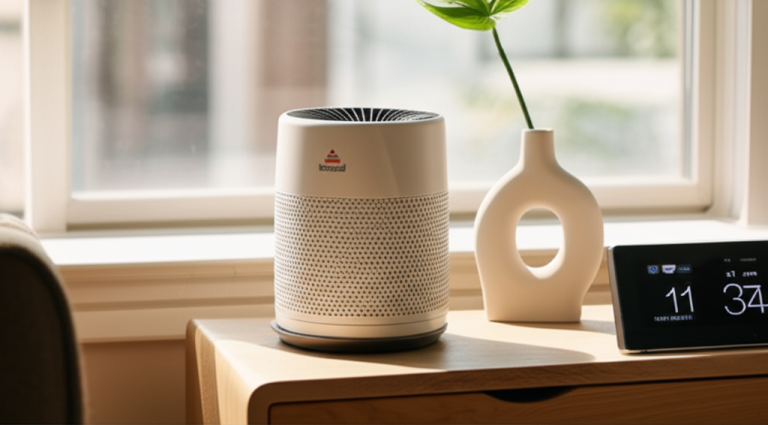
Natural Fresh Air Purifier Review: Essential For Clean Air

This natural fresh air purifier review explores how plant-based and eco-friendly devices offer a healthier way to clean your home’s air, tackling pollutants without harsh chemicals.
Breathing clean air at home is more important than ever. Many of us worry about what’s floating around in our living spaces. From dust and pet dander to tiny particles from cooking and cleaning products, indoor air can get quite dirty. This can affect how we feel and even our health. You might be looking for a way to make your home’s air fresher and cleaner. This guide will walk you through what a natural fresh air purifier is and why it’s a smart choice. We’ll help you understand how these purifiers work and what to look for when choosing one for your home.
What is a Natural Fresh Air Purifier?
A natural fresh air purifier uses plant-based materials or natural processes to clean your air. Unlike some purifiers with artificial filters, these focus on eco-friendly methods. They aim to remove pollutants without adding chemicals back into your home.
These purifiers often mimic nature’s own air-cleaning abilities. They might use activated charcoal, specific plants, or even water to trap and neutralize contaminants. The goal is to create a healthier indoor environment for you and your family. This approach is good for your home and the planet.
Why Choose a Natural Air Purifier?
Choosing a natural air purifier is a great step towards a healthier home. Many traditional purifiers rely on disposable filters that create waste. They can also use energy-intensive processes. Natural options offer a sustainable alternative that aligns with a desire for a greener lifestyle.
These purifiers can help reduce allergens and other harmful particles from the air. They provide a cleaner breathing space without the use of synthetic chemicals. This is especially beneficial for people with sensitivities or those who want to minimize their environmental impact.
How Natural Air Purifiers Work
Natural fresh air purifiers work in several simple ways. Some use activated carbon filters, which are made from charcoal. This charcoal has tiny pores that trap pollutants like odors and VOCs (volatile organic compounds). Think of it like a sponge for bad smells and chemicals.
Other systems might use plants, known as phytoremediation, to absorb toxins. Some devices use water to trap dust and particles. This makes the air cleaner and adds a bit of humidity. These methods are gentle and effective for everyday air cleaning.
Key Benefits of Natural Air Purification
The benefits of using a natural fresh air purifier are many. They significantly improve indoor air quality by removing common pollutants. This can lead to fewer allergy symptoms and respiratory issues. You’ll notice less dust and fewer unpleasant odors.
These purifiers are also eco-friendly. They often use renewable materials and have a lower carbon footprint. Many are energy-efficient, saving you money on electricity bills. Choosing natural means a healthier home and a healthier planet.
Types of Natural Air Purifiers
There are a few main types of natural fresh air purifiers you can consider. One popular type uses activated charcoal filters. These are very effective at absorbing odors and gases. Another type involves live plants placed strategically in your home.
Some purifiers use water filtration, where air is drawn through water to trap particles. There are also ionic purifiers that release negative ions to help particles clump together and fall out of the air. Each type offers a different approach to cleaner air.
Top Natural Air Purifier Options: A Review
When looking for a natural fresh air purifier review, you’ll find many great options. We’ve researched some of the best choices available. These models focus on effectiveness and sustainability.
Activated Charcoal Based Purifiers

Activated charcoal is a powerhouse for air purification. It’s made by heating charcoal until it’s full of tiny holes. These holes grab onto pollutants.
How they work: Air passes through the charcoal, and impurities stick to its surface.
What they remove: Odors, smoke, cooking smells, pet smells, and VOCs.
Brands to consider: Many brands offer models with substantial activated charcoal filters. Look for ones with a thick layer of charcoal.
These purifiers are excellent for tackling smells and airborne chemicals. They are a core component in many natural air cleaning systems.
Plant-Based Air Purification Systems
While individual houseplants can help, some systems integrate plants for enhanced purification. These systems often combine plant roots and their soil microbes to break down pollutants.
Mechanism: Plants absorb CO2 and release oxygen. Their root systems can also filter certain toxins from the air.
Effectiveness: Studies show certain plants can remove specific chemicals like formaldehyde and benzene.
Examples: Some innovative designs incorporate plants directly into the purifier unit.
Using plants adds beauty to your home while actively cleaning your air. It’s a living, breathing solution for fresher air.
Water-Based Air Purifiers
Water-based purifiers use water as a natural filter. They draw air through a basin of water, trapping dust and other particles.
Process: Impurities in the air get wet and heavy, falling into the water.
Benefits: They also add moisture to the air, which can be helpful in dry climates.
* Considerations: The water needs to be changed regularly to prevent mold growth.
These are simple and effective for removing larger particles like dust and pollen.
Evaluating Performance: What to Look For
When selecting a natural fresh air purifier review, consider its performance metrics. A key one is the CADR (Clean Air Delivery Rate). This tells you how quickly the purifier can clean a room of smoke, dust, and pollen. Higher numbers mean faster cleaning.
Also, check the room size it’s rated for. Make sure it matches your space. Look at the type of pollutants it targets. Some are better for allergens, while others excel at removing odors or VOCs.
Design and User Experience
The design of a natural fresh air purifier can be as important as its function. Many natural options have a more aesthetically pleasing look. They might use wood, natural fibers, or have a sleek, minimalist design. This helps them blend into your home decor.
User experience is also crucial. Is it easy to set up and operate? Are the controls intuitive? How noisy is it? A good natural air purifier should be quiet and simple to maintain.
Maintenance and Filter Replacement
Maintenance is a key factor in any air purifier review. Natural purifiers often have simpler maintenance routines. For activated charcoal filters, you might need to replace them every 3-6 months, depending on usage and air quality.
For plant-based systems, you’ll need to care for the plants themselves. This includes watering and occasional pruning. Water-based purifiers require regular water changes to stay effective and hygienic. Always check the manufacturer’s recommendations.
Cost and Value
The initial cost of a natural fresh air purifier can vary. Some basic models are quite affordable, while more advanced systems can be an investment. Consider the ongoing costs as well, such as filter replacements or electricity usage.
When evaluating value, think about the long-term benefits. Cleaner air contributes to better health and well-being. The eco-friendly aspect also adds value for many consumers. A good natural purifier offers a balance of performance, cost, and sustainability.
Comparing Natural vs. Traditional Purifiers
Let’s compare natural fresh air purifiers with traditional ones. Traditional purifiers often use HEPA filters, which are very effective at trapping small particles. However, HEPA filters need regular replacement, creating waste. Some also use UV-C light, which can produce ozone as a byproduct.
Natural purifiers offer an alternative that is generally more sustainable and uses fewer disposable parts. While some might not capture the absolute smallest particles as efficiently as a high-grade HEPA filter, they excel at removing odors and chemicals with a gentler approach.
| Feature | Natural Air Purifier | Traditional Air Purifier (e.g., HEPA) |
| :————— | :—————————————————— | :——————————————————— |
| Filter Type | Activated charcoal, plants, water, natural fibers | HEPA, pre-filters, activated carbon (often synthetic) |
| Sustainability | High (renewable materials, fewer disposable parts) | Moderate to Low (disposable filters, energy use) |
| Pollutant Focus| Odors, VOCs, gases, allergens, dust | Particulates (dust, pollen, pet dander), some gases |
| Maintenance | Plant care, water changes, charcoal filter replacement | HEPA filter replacement, occasional pre-filter cleaning |
| Ozone Production| Typically none | Some models can produce ozone (e.g., UV-C) |
| Noise Level | Varies, often quieter | Varies, can be noisy on higher settings |
This table highlights key differences. Natural purifiers often provide a more holistic and eco-conscious approach to air cleaning.
Real-World User Experiences
Many users report significant improvements in their home’s air quality after using natural purifiers. Sarah K. from California shares, “I used to wake up with a stuffy nose. After getting a natural air purifier with a large charcoal filter, my breathing feels so much easier.” Another user, Mark T., noted, “I love that my air purifier looks like a piece of decor and doesn’t sound like a jet engine.”
These personal accounts underscore the practical benefits. People appreciate the reduction in allergens and odors. The quiet operation and attractive design are also frequently praised.
Frequently Asked Questions
What is the best natural fresh air purifier for allergies?
For allergies, an activated charcoal filter is excellent for removing odors and VOCs. Combining this with a system that captures dust and pollen, like some plant-based or water filter models, can be very effective.
Do natural air purifiers actually work?
Yes, natural air purifiers work by using methods like activated charcoal to trap pollutants, or plants to absorb toxins. They can significantly improve indoor air quality for common issues like odors and allergens.
How often do I need to replace natural air purifier filters?
This varies by type. Activated charcoal filters usually need replacing every 3-6 months. Plant-based systems require plant care, and water purifiers need regular water changes. Always check the manufacturer’s guide.
Are natural air purifiers safe for pets?
Generally, yes. Natural purifiers avoid harsh chemicals and ozone, making them safer for pets. However, ensure pets cannot access water basins or knock over plant units.
Can a natural air purifier remove smoke smell?
Activated charcoal filters, a common component in natural purifiers, are very effective at absorbing smoke odors. They trap the particles that cause the smell, leaving your air fresher.
Conclusion: Embrace Cleaner Air Naturally
In conclusion, this natural fresh air purifier review shows that these devices are an essential choice for anyone seeking cleaner, healthier air at home. They offer a sustainable and effective way to combat indoor pollutants. By using natural materials and processes, they provide a gentle yet powerful solution for a fresher living space.
Choosing a natural fresh air purifier means investing in your well-being and the environment. Whether you opt for activated charcoal, plant-based systems, or water filters, you’re making a positive change. Start breathing easier and enjoy a healthier home today.