How Do You Clean Vacuum Attachments? A Complete Step-by-Step Guide

Quick Answer
Cleaning vacuum attachments involves removing tangled hair and debris, washing plastic or rubber pieces in warm soapy water, and disinfecting non-motorized tools before air-drying them completely. According to the U.S. Environmental Protection Agency, keeping household cleaning tools hygienic prevents the recirculation of trapped allergens and mold spores.
Essential Cleaning Steps
- Unplug the vacuum: Always disconnect power before handling any attachments or hoses.
- Remove trapped debris: Pull out tangled hair, threads, and pet fur using fingers or blunt scissors.
- Wash removable parts: Soak plastic crevices, dusting brushes, and upholstery tools in warm, soapy water.
- Sanitize motorized heads: Wipe down electronic brush rolls with a damp microfiber cloth without submerging them.
- Dry completely: Allow every single component to air dry for at least 24 hours to prevent mold growth.
Pro Maintenance Tip
- Inspect your attachments and filters monthly to maintain strong suction and prevent unpleasant musty odors.
Have you ever turned on your vacuum cleaner only to be greeted by a stale, dusty odor blowing right back into your living room? I have dealt with this exact frustration more times than I care to admit while maintaining my own home appliances.
When you neglect your vacuum attachments, they quickly become breeding grounds for dust mites, pet dander, and trapped mold spores. This comprehensive guide walks you through the exact, hands-on methods I use to deep-clean every single tool in my cleaning arsenal.
In This Guide
Why Cleaning Vacuum Attachments Matters

Vacuum attachments are designed to pick up microscopic particles, but they hold onto those contaminants long after you finish cleaning. If you skip cleaning your crevice tools and dusting brushes, you end up dragging yesterday’s dirt across today’s clean floors.
Dirty attachments also restrict airflow, forcing your vacuum motor to work harder than necessary. This added strain can overheat your machine and shorten its overall lifespan. Regular maintenance ensures your home hygiene stays top-notch without unexpected appliance failures.
Cleaning your vacuum accessories regularly preserves strong suction and prevents allergens from recirculating into your indoor air.
Tools Needed for the Job
Gathering the right supplies makes cleaning vacuum attachments quick and hassle-free. You do not need expensive specialized equipment to achieve a deep clean.
Most items required are likely already sitting in your kitchen or utility closet. Here is the checklist I use during my monthly home hygiene routine:
- Mild dish soap: Cuts through greasy buildup and trapped skin oils safely.
- A basin or sink: Holds warm water for soaking plastic components.
- An old toothbrush: Scrubs tight corners and stiff bristle brushes effectively.
- Blunt scissors or a seam ripper: Cuts through tightly wound human hair and pet fur.
- Microfiber cloths: Wipes down exterior surfaces without scratching plastic.
Having these simple tools ready before you begin saves you from running back and forth mid-project.
Step-by-Step Cleaning Process
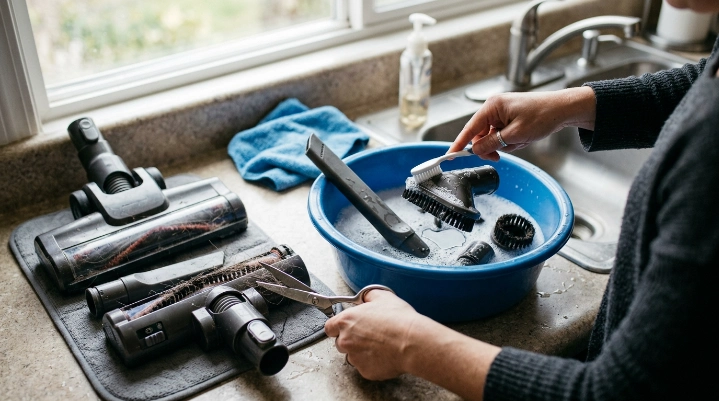
Following a structured workflow ensures you do not miss any hidden pockets of debris. Safety and patience are your best friends during this process.
Start by detaching all tools from your vacuum hose and sorting them into non-electrical and electrical categories. Never submerge motorized pieces in water.
| Attachment Type | Washable in Water? | Recommended Cleaning Method |
|---|---|---|
| Crevice Tool | Yes (Fully Submersible) | Soak in warm soapy water, scrub inside with a bottle brush, and air dry. |
| Dusting Brush | Yes (Carefully) | Wash bristles downward in warm soapy water; keep the base dry. |
| Upholstery Tool | Yes (Plastic parts only) | Remove lint strips, wash plastic body, and clean fabric lint manually. |
| Motorized Floor Head | No (Electronics attached) | Cut away tangled hair, wipe down housing with a damp cloth. |
Always verify whether your specific tool contains electrical contacts before exposing it to moisture.
How Do You Clean Motorized Brush Rolls?
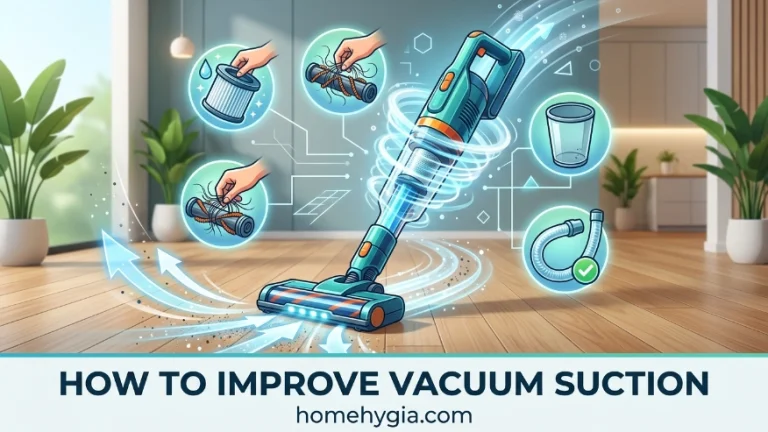
Motorized brush rolls accumulate the heaviest concentration of hair, carpet fibers, and threads in any household. When left unchecked, this buildup stops the roller from spinning entirely.
Unlatch or unscrew the bottom plate of the floor nozzle to access the roller. Slide your scissors carefully along the built-in groove to slice through wrapped hair without damaging the bristles.
Clearing out tangled hair from motorized rolls restores full agitation power to your upright or stick vacuum.
Drying and Reassembling Safely
Moisture is the ultimate enemy when dealing with household vacuums. Trapped water mixing with residual dust inside an attachment creates an ideal environment for mold growth.
Set all washed plastic attachments on a clean towel in a well-ventilated area. Let them air-dry completely for a minimum of 24 hours before snapping them back onto your machine.
Never attach damp tools to your vacuum, as moisture drawn into the motor housing can cause permanent electrical damage.
Frequently Asked Questions
Can I put vacuum attachments in the dishwasher?
No, you should never put vacuum attachments in the dishwasher. The intense heat can warp the plastic housing, ruin rubber seals, and melt adhesive components permanently.
How often should I clean my vacuum accessories?
Aim to inspect and clean your vacuum attachments every month if you have pets or high-traffic carpeting. For average homes, a thorough cleaning every two to three months is sufficient.
Why does my vacuum smell bad when I use attachments?
Bad odors typically stem from trapped pet hair, decomposing organic dust, or mildew growing inside a damp hose or dirty brush roll. Deep-cleaning the attachments and washing the filter resolves this issue.
Can I use disinfectant spray on vacuum tools?
Yes, you can spray mild antibacterial cleaner onto a microfiber cloth and wipe down the exterior of non-electrical plastic tools. Avoid spraying liquids directly into electrical connection ports.
What is the best way to clear a clogged vacuum hose?
Detach both ends of the hose and carefully feed a blunt broom handle or a long flexible brush through it to push out lodged debris clogs safely without puncturing the flexible tubing.
Closing Takeaway
Maintaining clean vacuum attachments takes very little time, but it pays massive dividends in overall home hygiene and appliance longevity. By clearing out tangled hair, washing non-electrical parts in warm soapy water, and letting everything dry completely, you ensure your vacuum blows clean, fresh air every single time you clean.