How Do You Prevent Vacuum Clogs?

Quick Answer
To prevent vacuum clogs, inspect your machine regularly, empty canisters before they reach the max fill line, and avoid picking up large debris or fine powders. Maintaining a clean appliance safeguards your indoor air quality and keeps your home hygiene routine running smoothly.
Essential Prevention Steps
- Empty canisters early: Never let dirt exceed the manufacturer fill line.
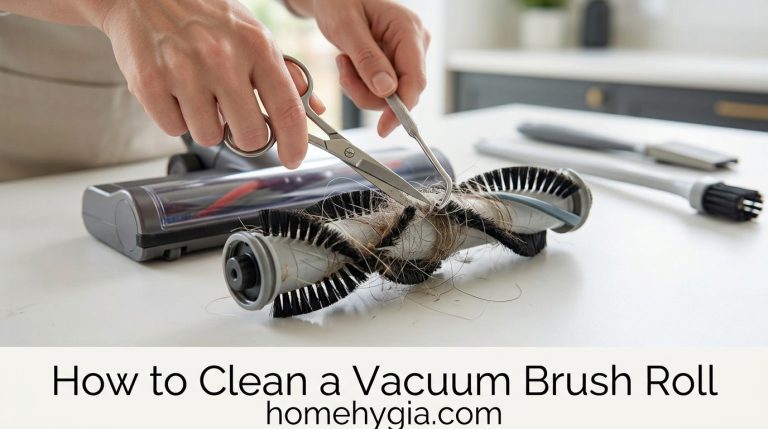
- Clear brush rolls: Cut away wrapped hair and carpet fibers weekly.
- Check hoses often: Drop a coin through flexible tubing to test for hidden blockages.
- Wash filters monthly: Prevent suction loss by keeping True HEPA and foam filters unblocked.
- Skip fine powders: Keep baking soda, drywall dust, and fireplace ash out of standard uprights.
Dealing with a sudden loss of suction in the middle of a weekend cleaning session is deeply frustrating. I have spent years testing everything from budget stick models to heavy-duty uprights, and a clogged airway is the number one reason cleaning appliances fail prematurely. When airflow gets choked off, dust escapes back into your living space, ruining your air quality and straining the motor.
This guide breaks down every practical strategy you need to keep your cleaning tool running at peak performance. Let us dive into the root causes of blockages and how you can stop them before they start.
In This Guide
- Why Do Vacuums Clog? Root Causes and Airflow Science
- Daily and Weekly Habits That Stop Clogs Before They Start
- Hidden Culprits: What You Should Never Suck Up
- Filter Care, Brush Rolls, and Hose Maintenance Schedules
- How to Safely Locate and Clear Stubborn Blockages
- Vacuum Design Comparison: Which Types Clog Least?
- Frequently Asked Questions About Vacuum Clogs
Why Do Vacuums Clog? Root Causes and Airflow Science
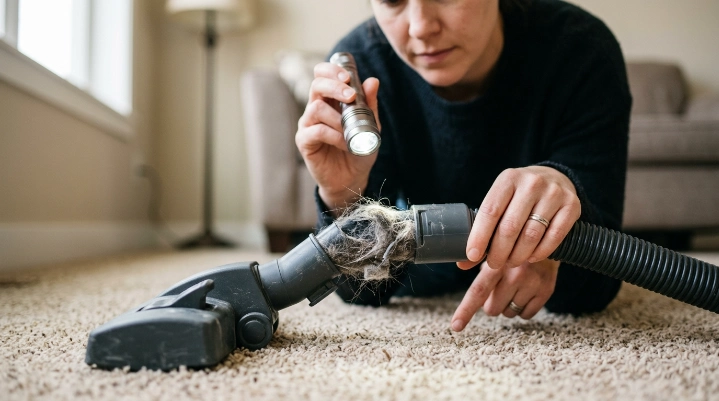
A vacuum cleaner is essentially a closed system powered by a high-speed fan that creates a low-pressure zone. When you push the floor head across your living room, ambient air rushes in, carrying dust mites, pet hair, and microscopic allergens.
This debris must travel through a narrow path from the floor nozzle, up through the flexible hose, and into the collection bin. If any part of that pathway narrows or constricts, traveling particles begin to collide and accumulate.
The primary driver behind most blockages is surface friction combined with electrostatic charge. Pet hair and carpet fibers catch on microscopic imperfections inside plastic tubing, creating a microscopic anchor point. Once that anchor forms, subsequent dust particles, lint, and paper scraps pile up rapidly behind it.
Understanding this aerodynamic pathway helps you target your maintenance where blockages form most often. Canister models face different pressure drops than uprights, but the physics of a constriction remain identical across every brand.
Section Takeaway: Vacuums rely on uninterrupted airflow to function; understanding that hair and dust anchor themselves on interior imperfections helps you prevent blockages before they choke your motor.
Daily and Weekly Habits That Stop Clogs Before They Start
Building small cleaning habits into your routine prevents catastrophic clogs that require professional repair. Consistency is far more effective than trying to clear a heavily compacted hose after the fact.
Empty your dust cup or bag long before it reaches the absolute maximum fill line. When a bin is overstuffed, compressed debris backs up into the intake port and instantly blocks the main elbow joint.
Inspect your floor head and brush roll after every heavy cleaning session. Long human hair and thick pet fur wrap tightly around the cylindrical agitator bar, choking rotation and restricting the mouth of the suction inlet.
Take two minutes to clear wrapped fibers using a seam ripper or specialized cleaning tool. Keeping the intake mouth completely wide open ensures maximum velocity as dirt enters the machine.
Store your hose without tight kinks or sharp bends that stress the reinforced wire framing inside. A crushed or cracked hose traps debris easily and ruins the internal pressure balance required for strong suction.
Section Takeaway: Establishing simple weekly habits like emptying bins early and clearing tangled brush rolls keeps your machine’s intake pathways completely open.
Hidden Culprits: What You Should Never Suck Up
Many homeowners treat a vacuum cleaner like a magic garbage disposal for the entire house. Feeding your machine the wrong materials guarantees an immediate clog or permanent motor damage.
Fine powders represent the most deceptive hazard to household cleaning appliances. Materials like fireplace ash, drywall dust, talcum powder, and baking soda bypass standard filtration media and coat the motor windings.
These fine particles mix with internal humidity to form a concrete-like sludge inside the fan housing and filter pores. If you must clean up fine dust, use a specialized wet-dry machine or specific filtration containment bags designed for fine particulates.
Large rigid items like coins, small toys, paperclips, and hairpins should never be vacuumed off hard floors. These objects travel at high speeds and frequently wedge sideways inside tight elbow joints or flexible hose cuffs.
Damp or wet debris is another major enemy of clean airflow. Sucking up wet cereal, damp soil, or liquid spills causes organic matter to stick instantly to dry dust layers, creating an impenetrable plug inside your machine.
Section Takeaway: Never vacuum fine powders, rigid small objects, or damp debris because these materials instantly cement together or wedge sideways inside narrow internal channels.
Filter Care, Brush Rolls, and Hose Maintenance Schedules
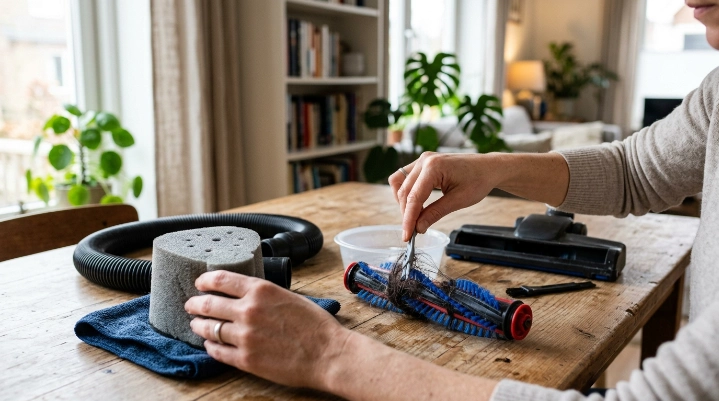
A proactive maintenance schedule extends the lifespan of your appliance and prevents airflow strangulation. Neglected filters restrict air volume just as severely as a physical blockage in the hose.
True HEPA filters and foam pre-filters require regular inspection to ensure they are breathing properly. Wash foam and felt filters every month with cold water, and let them air dry completely for at least twenty-four hours before reinstalling them.
Never run your machine with a damp filter, as wet dust will instantly cake the fabric and destroy filtration efficiency. Replace pleated HEPA cartridges every six to twelve months depending on household pet and allergy load.
Inspect your flexible hose monthly by performing a simple drop test. Detach both ends of the hose and drop a small coin or marble through the tube while holding it vertically.
If the coin rattles out the bottom instantly, your airway is clear. If the coin gets stuck midway, you have located a hidden obstruction that needs manual removal.
Section Takeaway: Following a strict monthly schedule of washing foam filters and performing the coin test on your hoses stops blockages before they impact suction performance.
How to Safely Locate and Clear Stubborn Blockages
When a clog finally happens, a systematic troubleshooting approach saves you time and prevents damage to your appliance housing. Never force sharp metal tools through flexible hoses, as you can easily puncture the outer wall.
Start your diagnosis at the very front of the machine by checking the floor nozzle connection point. Flip the vacuum over and inspect the intake port where debris transitions from the floor head into the main body.
Disconnect the wand and hose sections from the main canister or upright body. Look through each tube toward a bright light source to identify dark shadows or tightly packed clumps of pet hair and dust.
If you find a stubborn obstruction lodged deep inside a flexible hose, use a long, blunt-ended wooden broom handle to push it out gently. Push the debris in the direction it normally travels out of the machine rather than forcing it backward.
Check the cyclone assembly and bin inlet ports for bridging, where pet hair forms a dense roof over the drop-down trap door. Break up these bridges manually before attempting to resume your cleaning session.
Section Takeaway: Systematically isolate your vacuum by checking the nozzle, wand, and hose sections individually, and always push stubborn blockages forward rather than backward.
Vacuum Design Comparison: Which Types Clog Least?
Different vacuum configurations handle debris flow with varying degrees of efficiency. Choosing the right design for your specific household layout drastically reduces ongoing maintenance headaches.
| Vacuum Type | Clog Proneness | Primary Clog Location | Best Prevention Practice |
|---|---|---|---|
| Upright Vacuum | Moderate | Brush roll intake & lower hose elbow | Clear hair weekly; check lower access hatch. |
| Canister Vacuum | Low | Handle bend & wand junction | Avoid sucking up large bulky paper debris. |
| Stick Vacuum | High | Cyclonic inlet & narrow metal wand | Empty dust cup after every single room. |
| Robot Vacuum | Moderate | Side brush axle & internal dust bin mouth | Pick up loose cords and small toys off floors. |
Upright vacuums offer wide direct paths, but their lower hose elbows make sharp 90-degree turns that catch long pet hair. Canister models feature smooth, wide flexible hoses that rarely clog unless fed oversized objects.
Stick vacuums trade airway diameter for lightweight portability. Their narrow metal wands require frequent emptying and careful debris management to prevent clogs.
Robot vacuums operate with compact intake channels that demand immaculate floor prep. Keeping loose cords, socks, and tiny toys off your carpets protects autonomous machines from severe internal blockages.
Section Takeaway: Stick vacuums clog most frequently due to narrow wands, whereas canister models maintain superior airflow through wider, smoother hose architectures.
Frequently Asked Questions About Vacuum Clogs
Why does my vacuum lose suction even when there is no visible clog?
Hidden suction loss usually stems from blocked or saturated filters, micro-cracks in the flexible hose, or an unsealed dust cup gasket. Wash your foam filters, inspect seals, and check for tiny pinhole tears in corrugated tubing.
Can I use a straightened wire coat hanger to clear a vacuum hose?
You can use a coat hanger cautiously, but wrap the sharp metal tip in electrical tape first. Puncturing the flexible plastic wall of a vacuum hose ruins its airtight seal permanently.
How often should I clean my vacuum brush roll to prevent hair clogs?
Inspect and clean your brush roll every one to two weeks if you have pets or long hair in your household. Cutting away wrapped fibers preserves motor bearings and prevents intake choking.
Is it safe to vacuum up pet kibble or cat litter?
Large dry pet kibble can wedge tightly inside narrow intake ports and crack plastic housing. Heavy clay cat litter generates fine dust that cakes filters and stresses internal motors.
What should I do if my vacuum smells like burning rubber?
A burning rubber smell usually indicates that a severe clog or tangled hair has stalled the brush roll belt while the motor continues to spin. Turn off the machine immediately and inspect the agitator bar.
Why do bagless vacuums clog more often than bagged models?
Bagless cyclonic units compress fine dust and hair directly against mesh screens, creating bridging effects. Bagged units use porous cloth or paper bags that distribute airflow evenly across a much larger surface area.
Closing Takeaway
Preventing vacuum clogs comes down to proactive maintenance, mindful debris selection, and routine inspections of your machine’s airflow path. By keeping filters clean, emptying canisters early, and avoiding fine powders or rigid objects, you protect your appliance investment. Maintaining a clear cleaning tool ensures optimal performance and a healthier home environment for years to come.