Do Air Purifier Kill Germs: Essential Guide

Do Air Purifier Kill Germs? An Essential Guide to Cleaner Air
Air purifiers can indeed help reduce airborne germs, but they don’t “kill” them directly in most cases. They capture particles, including bacteria and viruses, using filters, while some advanced models use UV-C light or other technologies that can neutralize germs. Understanding how they work is key to choosing the right one for a healthier home environment.
Breathing in stale, germ-filled air can feel unsettling, especially when you’re concerned about your family’s health. You might be wondering if that sleek air purifier you’ve seen advertised can truly tackle invisible threats like bacteria and viruses floating around your home. It’s a common question, and the answer isn’t always a simple yes or no. Many people feel frustrated trying to find definitive answers amidst conflicting information. I’m here to break down exactly how air purifiers interact with germs, what technologies are involved, and what you can realistically expect. Let’s explore how to create a healthier indoor environment, one breath at a time.
Understanding Air Purifiers and Germs
How Do Air Purifiers Work to Reduce Germs?
Air purifiers primarily work by drawing in indoor air and passing it through a series of filters. These filters are designed to trap airborne particles of various sizes. While they aren’t designed as germ-killing devices, their ability to capture microscopic particles means they effectively remove many bacteria and viruses from the air you breathe. This physical removal process significantly lowers the concentration of airborne pathogens.
The Role of HEPA Filters in Capturing Germs
High-Efficiency Particulate Air (HEPA) filters are the gold standard in air purification for particle removal. A true HEPA filter is certified to capture at least 99.97% of airborne particles 0.3 microns in size. Many bacteria and viruses fall within this size range or can attach to larger particles that HEPA filters can trap. By removing these from the air, HEPA filters play a crucial role in reducing germ transmission indoors.
Do Air Purifier Kill Germs Directly?
Most standard air purifiers, especially those relying solely on HEPA filtration, do not actively “kill” germs. Instead, they capture them within the filter media. The germs are then trapped and can no longer circulate in the air. Disposal of the used filter is essential to prevent potential re-release of trapped contaminants. Advanced models may incorporate additional technologies for germ inactivation.
Germ-Killing Technologies in Air Purifiers
Some air purifiers go beyond simple filtration to actively neutralize or kill germs. These often employ technologies like UV-C light, which emits ultraviolet radiation known to damage the DNA of microorganisms, rendering them unable to reproduce. Other methods might include photocatalytic oxidation (PCO) or ionization, though the effectiveness and safety of these can vary and require careful consideration.
UV-C Light Technology for Germ Inactivation
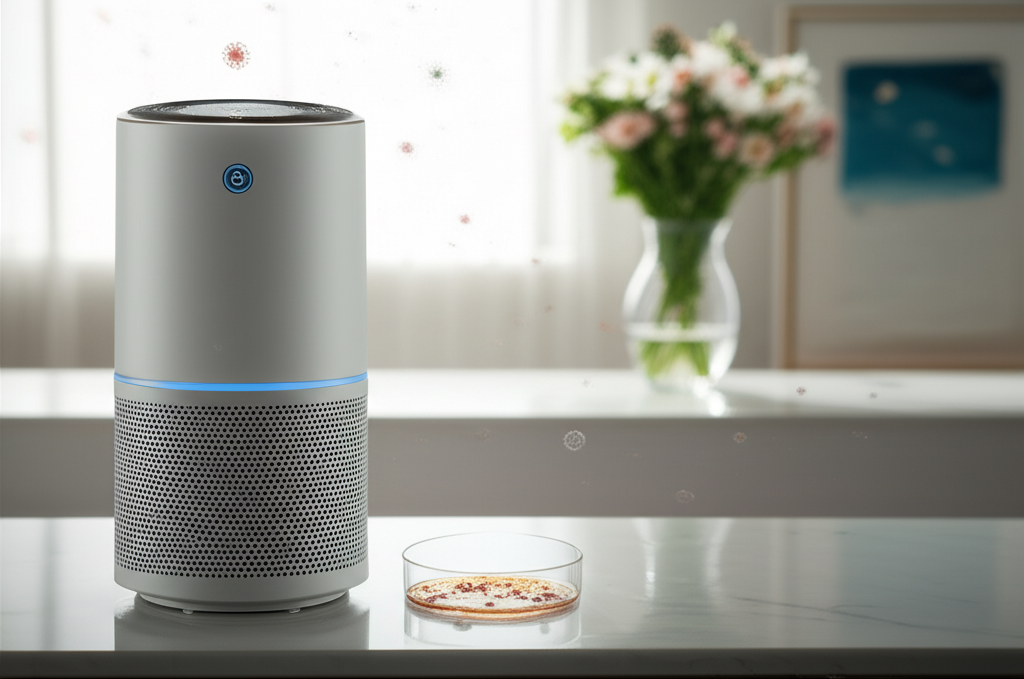
Ultraviolet germicidal irradiation (UVGI), commonly using UV-C light, is a well-established method for inactivating airborne pathogens. When air passes over a UV-C lamp within the purifier, the light disrupts the genetic material of bacteria, viruses, and mold spores, preventing them from replicating. This technology can be a powerful addition to filtration for reducing germ viability.
Other Technologies: Ionizers and Ozone
Ionizers release negatively charged ions that attach to airborne particles, causing them to clump together and fall out of the air or stick to surfaces. While this can reduce airborne particles, some ionizers can produce ozone as a byproduct, which can be harmful to respiratory health. It’s crucial to choose models that are certified ozone-free, such as those meeting the California Air Resources Board (CARB) standards.
Factors Affecting Air Purifier Effectiveness Against Germs
Several factors influence how well an air purifier can reduce germs in your home. The size of the room, the air purifier’s CADR (Clean Air Delivery Rate), the type and quality of filters used, and the overall air exchange rate within the space all play significant roles. Proper placement and regular maintenance of the unit are also critical for optimal performance.
Choosing the Right Air Purifier for Germ Reduction
When selecting an air purifier with germ reduction in mind, prioritize models with true HEPA filters. Look for units with a CADR appropriate for your room size, ensuring it can effectively circulate and clean the air. If you’re considering germ-killing technologies, opt for those with UV-C light and ensure they are certified ozone-free. Reading independent reviews and checking for certifications can guide your decision.
Maintenance and Filter Replacement for Optimal Germ Control
The effectiveness of any air purifier, especially in capturing and potentially inactivating germs, relies heavily on proper maintenance. Regularly cleaning pre-filters and replacing HEPA and activated carbon filters according to the manufacturer’s recommendations is essential. This ensures the filters can continue to capture particles efficiently and that any trapped germs are disposed of safely.
Are Air Purifiers a Substitute for Hygiene Practices?
While air purifiers can significantly improve indoor air quality and reduce airborne germs, they are not a substitute for fundamental hygiene practices. Regular handwashing, disinfecting surfaces, proper ventilation, and staying home when sick remain critical in preventing the spread of infections. Air purifiers are a complementary tool in creating a healthier living environment.
Frequently Asked Questions About Air Purifiers and Germs
Do air purifiers kill viruses?
Some air purifiers with UV-C light technology can inactivate viruses, making them unable to replicate. Standard HEPA filters capture viruses from the air, but they don’t kill them; the viruses remain trapped on the filter.
Can air purifiers help with airborne bacteria?
Yes, HEPA filters in air purifiers are highly effective at capturing airborne bacteria. Advanced models with UV-C or other germicidal technologies can also work to kill bacteria captured by the unit.
Do I need an air purifier if I have allergies or asthma?
Yes, air purifiers can be very beneficial for individuals with allergies or asthma. They help remove allergens like dust mites, pollen, pet dander, and mold spores, as well as irritants that can trigger symptoms.
What is the best type of air purifier for killing germs?
For actively killing germs, air purifiers that combine a true HEPA filter with UV-C light technology are often considered most effective. Always ensure such units are certified ozone-free.
How often should I replace air purifier filters?
Filter replacement frequency depends on the model and usage, but typically HEPA filters need replacement every 6-12 months, and pre-filters may need cleaning or replacement more often. Always follow the manufacturer’s guidelines.
Are ozone-generating air purifiers safe?
Ozone-generating air purifiers are generally not recommended for occupied spaces. Ozone can be harmful to the lungs and respiratory system, even at low concentrations. Look for ozone-free certifications like CARB compliance.
Conclusion: Enhancing Your Home’s Air Purity
In conclusion, the question of “do air purifier kill germs” has a nuanced answer. Standard air purifiers with HEPA filters excel at capturing airborne germs, significantly reducing their presence in your indoor air. For active germ inactivation, models incorporating technologies like UV-C light offer an additional layer of protection. By understanding these mechanisms and choosing a unit that fits your needs, maintaining it diligently, and remembering that it complements, not replaces, good hygiene, you can take a significant step towards a healthier and cleaner home environment. Investing in a quality air purifier is an investment in better breathing for everyone.