
Can Air Purifier Kill Plants? Essential Guide

No, typically air purifiers do not kill plants. While they can affect a plant’s environment by altering air circulation and removing some airborne particles, they are not designed to harm living organisms. This guide explains how to ensure your air purifier and plants coexist harmoniously.
Understanding Air Purifiers and Plant Environments
Air purifiers are designed to remove pollutants from the air, enhancing indoor air quality for humans. They work by circulating air through filters that capture particles like dust, pollen, and pet dander. Understanding their basic function helps demystify concerns about their impact on plant life.
It’s natural to wonder if these devices, which actively change the air around us, could inadvertently harm our green companions. This guide will explore the potential interactions and provide practical solutions.
Do Air Purifiers Harm Plants Directly?
Air purifiers are not designed to emit anything that would directly poison or kill plants. Their primary function is filtration, not chemical release. Therefore, the idea of an air purifier actively killing a plant is generally a misconception.
The mechanisms of air purification, such as HEPA filtration or activated carbon, focus on trapping physical particles and absorbing odors, not on emitting harmful substances. However, indirect effects can occur, which we will explore.
Potential Indirect Impacts of Air Purifiers on Plants
While direct harm is unlikely, air purifiers can indirectly influence a plant’s environment. Changes in air circulation, humidity levels, and the removal of certain airborne nutrients can theoretically affect plant health over time. It’s important to be aware of these subtle environmental shifts.
These indirect effects are often manageable with simple adjustments. Understanding these nuances is key to maintaining a thriving indoor garden alongside your air purification system.
Airflow and Plant Respiration
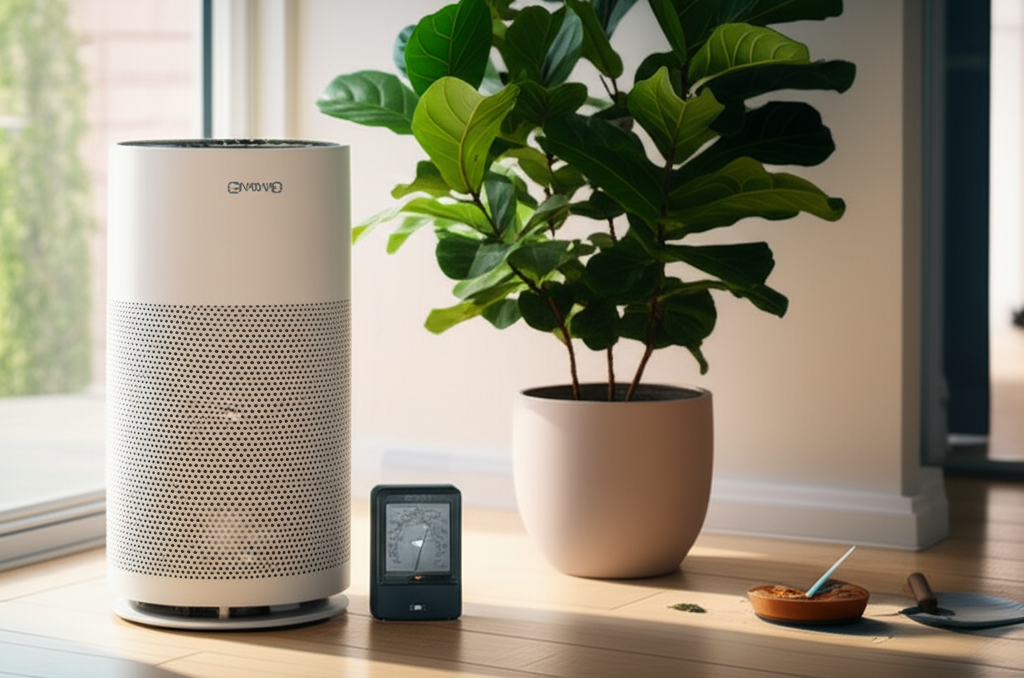
Air purifiers create airflow, which can be beneficial for plants by preventing stagnant air and reducing the risk of fungal diseases. However, excessively strong or direct airflow might cause stress to delicate plants, leading to wilting or leaf damage.
Adjusting the fan speed and placement of your air purifier can mitigate this. Ensure the air is not blowing directly onto your plants’ leaves or stems.
Humidity Levels and Air Purifiers
Some air purifiers, particularly those with very efficient filtration systems, can slightly reduce ambient humidity by trapping moisture particles. Many plants thrive in moderate to high humidity environments, so a significant drop could be problematic for sensitive species.
Monitoring humidity levels with a hygrometer and using a humidifier if necessary can help maintain optimal conditions for your plants. This is especially important in drier climates or during winter months.
Removal of Airborne Nutrients
Plants can absorb some nutrients from the air, though this is a minor source compared to soil and water. Highly efficient air purifiers might remove these trace airborne nutrients. However, the impact of this removal on plant health is generally considered negligible for most indoor plants.
The primary sources of plant nutrition remain soil, water, and sunlight. Focusing on these core needs will ensure your plants are well-nourished.
Choosing the Right Air Purifier for Your Home
When selecting an air purifier, consider models with adjustable fan speeds and directional vents. This allows you to control the airflow and its intensity, ensuring it doesn’t negatively impact your plants. Look for units that are appropriately sized for your room to avoid overworking the device.
Features like a “night mode” or “low setting” can also be beneficial for reducing noise and airflow when plants are particularly sensitive or during periods of low activity. The goal is to find a balance that purifies your air without disrupting your plant’s ecosystem.
Optimal Placement of Air Purifiers Near Plants
The placement of your air purifier is crucial for both its effectiveness and the well-being of your plants. Avoid placing the unit directly next to or in front of your plants, especially where the airflow is strongest.
A good rule of thumb is to position the air purifier a few feet away from your plants, allowing the purified air to circulate around the room rather than directly impacting the foliage. This ensures a gentler, more diffused effect on your plant companions.
Air Purifier Placement Strategies
Consider placing the air purifier in a corner of the room or on a shelf where the airflow is directed away from your plants. If you have multiple plants, position the purifier in a central location to provide even air circulation throughout the space.
Experiment with different locations to see what works best for your specific plant types and room layout. Observing your plants for any signs of stress will help you identify the ideal spot.
Can Ozone Generators Harm Plants?
While not standard air purifiers, ozone generators are sometimes used for air purification. Ozone is a highly reactive gas that can be toxic to plants, damaging their leaves and inhibiting growth. It’s crucial to distinguish between standard air purifiers and ozone generators.
If your device is specifically an ozone generator, it’s best to operate it only when plants are not present in the room. For typical HEPA or activated carbon air purifiers, this concern is not applicable.
Maintaining Your Air Purifier for Plant Safety
Regular maintenance of your air purifier ensures it functions efficiently and safely for all occupants of your home, including plants. This primarily involves cleaning or replacing filters according to the manufacturer’s recommendations.
Clogged filters can reduce airflow and make the unit less effective, while also potentially leading to strain on the motor. Clean filters mean optimal performance and a healthier environment for everyone.
Filter Replacement Schedule
Check your air purifier’s manual for specific filter replacement intervals. Pre-filters often need cleaning monthly, while HEPA and carbon filters may need replacement every 6-12 months, depending on usage and air quality.
Using genuine replacement filters is recommended to ensure the unit performs as intended and maintains its safety standards. This ensures your air purifier continues to provide clean air without introducing new issues.
Signs Your Plants Might Be Affected
Even with careful placement, it’s wise to monitor your plants for any signs of distress. Look for symptoms like wilting, leaf discoloration (yellowing or browning), stunted growth, or dry leaf edges.
If you notice any of these symptoms, re-evaluate the placement and settings of your air purifier, and check the humidity levels in the room. These are often the first indicators that something in the environment needs adjustment.
When to Consult a Professional
If you’ve tried adjusting your air purifier’s placement and settings, monitored humidity, and your plants still show signs of stress, it might be time to seek expert advice. A horticulturalist or a plant specialist can help diagnose specific plant issues.
They can provide tailored advice based on the plant species and your home environment, ensuring your green friends thrive. This can offer peace of mind and practical solutions for persistent problems.
Frequently Asked Questions
Q1: Can the fan on an air purifier blow dirt onto my plants?
No, air purifiers are designed to trap particles, not blow them out. The fan circulates air through filters, so any dust it might pick up is captured internally. The air exiting the purifier should be cleaner than the surrounding air.
Q2: Will my plants die if I run an air purifier in the same room?
It’s highly unlikely your plants will die simply from having an air purifier in the same room. With proper placement and consideration for humidity and airflow, air purifiers and plants can coexist very well.
Q3: Should I keep my air purifier away from my plants?
Yes, it’s generally a good idea to keep your air purifier a few feet away from your plants. This prevents direct, strong airflow from potentially stressing delicate leaves and ensures a gentler circulation of purified air.
Q4: Can air purifiers reduce the humidity that plants need?
Some highly efficient air purifiers might slightly reduce humidity. If you have plants that require high humidity, monitor the levels with a hygrometer and consider using a humidifier alongside your air purifier.
Q5: Are there specific types of air purifiers that are better for homes with plants?
Air purifiers with adjustable fan speeds and directional vents are often best. Models that don’t produce ozone are essential. Look for HEPA filters and activated carbon filters, which are safe for plant environments.
Q6: What if my air purifier has an ionizer? Is that bad for plants?
Some air purifiers use ionizers, which can release small amounts of ozone as a byproduct. While generally safe in small quantities, it’s best to choose air purifiers without ionizers or those that specifically state they produce no ozone if you are concerned about your plants.
Conclusion
Ultimately, the question “can air purifier kill plants” can be answered with a resounding no, provided you use them thoughtfully. Standard air purifiers, like those with HEPA and activated carbon filters, are designed to clean air for human health and do not directly harm plants. The key lies in understanding their indirect environmental impact and implementing simple strategies for coexistence.
By paying attention to placement, airflow, and humidity, you can ensure your air purifier effectively cleans your home’s air while your plants continue to thrive. Enjoying fresh air and a healthy indoor garden is entirely achievable with a little care and knowledge.
