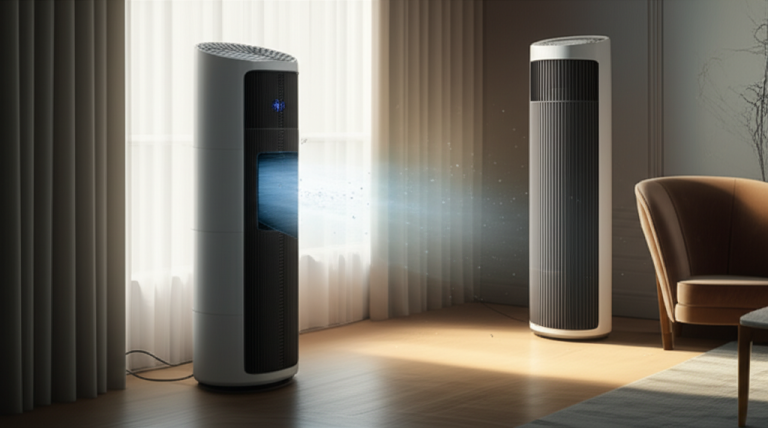
Can You Get Headaches From Air Purifiers? Essential Guide

Yes, it’s possible to experience headaches from air purifiers, but often it’s due to specific issues like ozone production, noise, or improper use, rather than the purifier itself. This guide helps you identify and solve these problems for cleaner, headache-free air.
Can You Get Headaches From Air Purifiers? Understanding the Link
Experiencing headaches after using an air purifier can be concerning, especially when you’re seeking relief from poor air quality. Many people turn to air purifiers for a healthier home environment, only to be met with an unexpected symptom. It’s a frustrating situation when a device meant to improve your well-being causes discomfort. This guide will explore the potential reasons behind these headaches and provide clear, actionable solutions to ensure your air purifier enhances, rather than hinders, your health.
The Ozone Factor: A Common Culprit for Headaches
Many air purifiers, particularly those using ionizers or UV-C technology, can produce ozone as a byproduct. Ozone is a lung irritant, and even at low levels, it can trigger headaches, nausea, and respiratory problems in sensitive individuals. Understanding ozone’s impact is crucial for identifying if your air purifier is the source of your discomfort.
What is Ozone and Why is it Produced?

Ozone (O₃) is a molecule composed of three oxygen atoms. While beneficial in the Earth’s stratosphere, ground-level ozone is a pollutant. Some air purification technologies, like corona discharge ionizers, intentionally create ozone to neutralize pollutants. Other technologies, such as UV-C germicidal lamps, can inadvertently produce small amounts of ozone when interacting with oxygen in the air.
Identifying Ozone-Producing Air Purifiers
Air purifiers that are known to generate ozone often use terms like “ionizer,” “plasma,” or “UV-C germicidal” in their descriptions. It’s essential to check the product specifications or the manufacturer’s website for any mention of ozone production. Devices that are certified by organizations like the California Air Resources Board (CARB) have strict limits on ozone emissions, making them a safer choice.
Symptoms of Ozone Exposure
Beyond headaches, ozone exposure can manifest in various symptoms. These include a sore throat, coughing, shortness of breath, and chest pain. If you notice these symptoms, especially when your air purifier is running, ozone could be the cause. It’s also important to note that children, the elderly, and individuals with pre-existing respiratory conditions are more susceptible to ozone’s effects.
Beyond Ozone: Other Potential Headache Triggers
While ozone is a primary concern, other aspects of air purifier operation can also contribute to headaches. These less common but still significant factors include noise pollution, the introduction of new odors, and even the physical placement of the unit. Addressing these can help resolve your discomfort.
The Impact of Noise on Headaches
Air purifiers vary significantly in their noise levels. A unit that is too loud, especially when set to a high fan speed, can create a constant, low-level noise pollution. This persistent sound can be a significant stressor, leading to tension headaches or exacerbating existing migraine conditions.
New Odors and Chemical Sensitivities
Some air purifiers, particularly those with activated carbon filters, may initially release a slight odor as the materials are used for the first time. For individuals with heightened chemical sensitivities or scent sensitivities, these new odors can trigger headaches. This is often temporary, but it’s a factor to consider.
Airflow and Drafts
The direct airflow from an air purifier, especially if it’s set to a high setting and pointed directly at occupants, can sometimes lead to discomfort. While not a direct cause of headaches, the constant movement of air and potential for drafts can contribute to a feeling of unease or even trigger sinus-related discomfort that might be perceived as a headache.
Ensuring Your Air Purifier is Headache-Free: Practical Steps
Now that we’ve explored the potential causes, let’s focus on practical solutions to ensure your air purifier provides clean air without causing headaches. Implementing these steps can make a significant difference in your home’s air quality and your overall comfort.
Step 1: Choose an Ozone-Free or Low-Ozone Model
The most effective way to prevent ozone-related headaches is to select an air purifier that is certified as ozone-free or has very low ozone emissions. Look for certifications from reputable organizations.
CARB Certification: The California Air Resources Board (CARB) has established strict ozone emission limits for air purifiers sold in California. Products that meet these standards are generally safe.
UL Certification (for Ozone Emissions): While UL GreenGuard certification focuses on VOCs, ensure any UL certification specifically addresses ozone emissions if that’s a primary concern.
By prioritizing these certifications, you significantly reduce the risk of ozone-induced headaches.
Step 2: Understand Your Air Purifier’s Technology
Familiarize yourself with the purification technologies your air purifier uses. If it employs ionization or UV-C, investigate its ozone production levels.
HEPA Filters: High-efficiency particulate air (HEPA) filters are excellent at capturing particles like dust, pollen, and pet dander without producing ozone.
Activated Carbon Filters: These filters are effective at adsorbing gases, odors, and volatile organic compounds (VOCs) and do not produce ozone.
Ionizers/Plasma: Use with caution. Many modern units have features to minimize ozone, but it’s still a potential concern.
Opting for HEPA and activated carbon filtration is generally the safest bet for headache prevention.
Step 3: Proper Placement and Operation
Where you place your air purifier and how you operate it can also impact your comfort. Avoid placing it directly in your main living or sleeping areas if you are sensitive.
Distance: Keep the unit at least a few feet away from where you spend most of your time.
Fan Speed: Start with a lower fan speed and gradually increase it only if necessary.
Avoid Direct Airflow: Position the unit so that the air output is not directed straight at you.
Thoughtful placement can mitigate potential discomforts like noise or drafts.
Step 4: Regular Maintenance and Filter Replacement
Neglecting maintenance can lead to reduced efficiency and potential issues. Ensure you follow the manufacturer’s recommendations for cleaning and replacing filters.
Pre-filters: Clean regularly to catch larger particles and extend the life of the main filters.
HEPA Filters: Replace according to the manufacturer’s schedule (typically every 6-12 months).
Carbon Filters: Replace when they are no longer effective at removing odors.
Clean and functional filters ensure optimal performance and prevent the buildup of pollutants that could cause secondary issues.
Step 5: Monitor and Adjust Settings
Pay attention to how you feel when the air purifier is running. If you experience discomfort, try adjusting the settings.
Turn off Ionizer/UV: If your unit has these features, try turning them off to see if headaches subside.
Lower Fan Speed: Running the purifier on a quieter, lower setting can reduce noise.
Timer Function: Use the timer to run the purifier during times when you are not in the room, such as overnight or when you are away.
It’s about finding the right balance for your specific needs and sensitivities.
Troubleshooting Common Issues and Solutions
When headaches persist, it’s time for a deeper dive into troubleshooting. Let’s address some specific scenarios and their solutions to ensure your air purifier experience is positive.
Issue: Persistent Headaches Despite Ozone-Free Claims
If your purifier is advertised as ozone-free but you still experience headaches, consider other factors.
Hidden Ozone Production: Some technologies might produce trace amounts of ozone under certain conditions.
Other Sensitivities: The issue might be unrelated to ozone, such as noise or VOCs from new materials.
Filter Issues: A dirty or clogged filter could be recirculating allergens.
Solution: Try running the purifier with its ionizer or UV-C features turned off (if applicable). Also, ensure all filters are correctly installed and within their recommended lifespan. If the problem continues, consider the placement and fan speed.
Issue: New Air Purifier Smells and Associated Headaches
A new air purifier can sometimes emit a “new appliance” smell or a specific odor from its filters.
Activated Carbon Break-in: New carbon filters may release a slight scent as they start adsorbing.
Material Off-gassing: Some plastic or metal components might off-gas temporarily.
Solution: Run the air purifier in a well-ventilated room or an unoccupied area for a few days. This “burn-in” period often dissipates new odors. If the smell is strong and persistent, contact the manufacturer.
Issue: Headaches from Air Purifier Noise
The sound of the fan, especially at higher settings, can be a significant trigger for some individuals.
Fan Motor Noise: The mechanical operation of the fan can produce a humming sound.
Airflow Turbulence: The sound of air moving through the unit.
Solution: Always check the decibel (dB) rating of an air purifier before purchasing. Look for models designed for quiet operation, often under 30-40 dB on lower settings. If you already own a noisy unit, try running it on a lower fan speed or during times you are not present.
Comparing Air Purifier Technologies for Headache Prevention
Understanding the different types of air purification technologies can help you make an informed decision to avoid headaches. Each technology has its pros and cons regarding effectiveness and potential side effects.
| Technology | How it Works | Potential for Headaches | Best For |
| :—————– | :———————————————————————— | :———————- | :————————————————————————————————— |
| HEPA Filter | Physically traps particles (dust, pollen, dander) in a fine mesh. | None | Allergies, asthma, general particulate removal. |
| Activated Carbon | Adsorbs gases, odors, and VOCs using a porous carbon material. | None | Odor control, smoke, chemical fumes. |
| Ionizer | Releases negative ions that attach to airborne particles, causing them to clump and fall or stick to surfaces. Can produce ozone. | High | Particle removal, but requires caution due to ozone. |
| UV-C Light | Uses ultraviolet light to kill or inactivate airborne bacteria and viruses. Can produce ozone as a byproduct. | Moderate | Germicidal action, but ozone potential needs monitoring. |
| PCO (Photocatalytic Oxidation) | Uses UV light and a catalyst (like titanium dioxide) to break down VOCs and pathogens. Can produce ozone and other byproducts. | Moderate to High | VOCs and microorganisms, but requires careful selection of units with minimal harmful byproducts. |
Key Takeaway: Technologies like HEPA and activated carbon are generally considered the safest for preventing headaches, as they do not produce ozone.
When to Consult a Doctor
If you consistently experience headaches that you suspect are related to your air purifier, or if your symptoms are severe, it’s always best to consult a medical professional. They can help rule out other underlying causes and provide personalized advice.
Persistent Symptoms: If headaches don’t improve after adjusting air purifier settings or placement.
Severe Discomfort: Experiencing dizziness, nausea, or breathing difficulties along with headaches.
Underlying Conditions: If you have pre-existing conditions like asthma, migraines, or heightened sensitivities.
Your health is paramount, and professional medical advice is invaluable.
Frequently Asked Questions (FAQ)
Will a HEPA filter air purifier cause headaches?
No, HEPA filters themselves do not produce ozone or any byproducts that typically cause headaches. They are a safe and effective way to remove particles from the air.
Is ozone from air purifiers harmful?
Yes, ozone is a lung irritant and can cause headaches, respiratory issues, and worsen conditions like asthma, especially at higher concentrations.
How can I tell if my air purifier is producing ozone?
You might notice a distinct metallic or chlorine-like smell. Symptoms like headaches, sore throat, or coughing when the purifier is on are also indicators. Checking the product specifications for ozone emission levels or CARB certification is the most reliable method.
What is the best type of air purifier for someone sensitive to smells or chemicals?
Air purifiers with high-quality HEPA filters and substantial activated carbon filters are generally best. Avoid units that heavily rely on ionization or PCO without proven low-ozone output.
How often should I replace my air purifier filters?
Filter replacement schedules vary by manufacturer and model, but HEPA filters typically need replacement every 6-12 months, and activated carbon filters every 3-6 months, depending on usage and air quality. Always check your user manual.
Can placing an air purifier in my bedroom cause headaches?
If the air purifier is too close, too loud, or produces ozone, it could potentially contribute to headaches in the bedroom. Proper placement and choosing a quiet, ozone-free model are crucial for sleep environments.
Conclusion: Breathing Easier with Informed Choices
Ultimately, can you get headaches from air purifiers? Yes, but it’s often preventable. By understanding the link between air purifiers and headaches, particularly the role of ozone, noise, and other operational factors, you can make informed decisions. Choosing ozone-free technologies like HEPA and activated carbon, ensuring proper placement, and maintaining your unit diligently are key to enjoying cleaner, healthier air without discomfort. Don’t let the fear of headaches deter you from improving your indoor environment; with the right approach, your air purifier can be a valuable ally for your well-being.