
Can Air Purifiers Cause Headaches? Proven Relief

Yes, air purifiers can sometimes cause headaches, often due to specific pollutants they release or inadequate maintenance. Understanding the causes and implementing proven relief strategies is key to enjoying cleaner air without discomfort.
Can Air Purifiers Cause Headaches? Proven Relief Strategies for a Clearer Head
It’s a frustrating paradox: you invest in an air purifier to breathe easier, only to find yourself battling a persistent headache. You’re not alone if you’ve wondered, “Can air purifiers cause headaches?” This is a common concern for many, especially those sensitive to environmental changes or experiencing new symptoms after bringing a purifier into their home. Don’t worry; this guide will demystify the connection and offer practical, proven relief strategies so you can enjoy the benefits of cleaner air without the discomfort.
Why Might Your Air Purifier Be Causing Headaches?
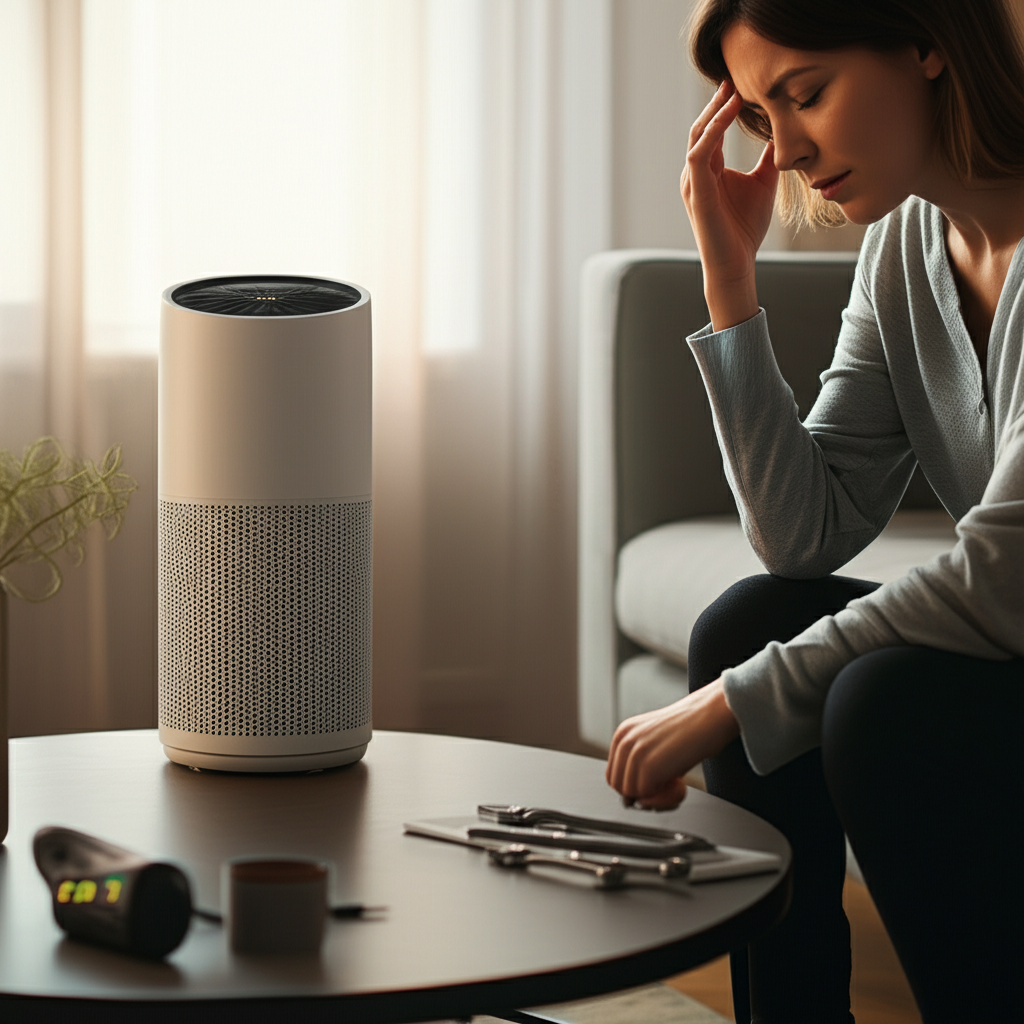
The idea that a device meant to clean your air could be the culprit behind your headaches might seem counterintuitive. However, several factors related to air purifier operation and maintenance can trigger these symptoms in sensitive individuals. Understanding these potential causes is the first step toward finding a solution.
Ozone Production: A Common Trigger
Many air purifiers, particularly older models or those using ionizers and UV-C light without proper filtration, can produce ozone as a byproduct. Ozone is a gas that, at elevated levels, can irritate the respiratory system and nervous system, leading to headaches, nausea, and breathing difficulties. Even low levels of ozone can be problematic for those with asthma or other respiratory conditions.
Volatile Organic Compounds (VOCs) from New Filters or Materials
New air purifiers, or even just new filters, can sometimes off-gas Volatile Organic Compounds (VOCs). These are chemicals that can be released into the air from plastics, adhesives, or filter materials. While often imperceptible to the nose, these VOCs can accumulate and trigger headaches, especially in poorly ventilated spaces.
Allergens and Irritants Still Present
If your air purifier isn’t effectively capturing allergens like dust mites, pollen, or pet dander, these irritants can remain airborne. For individuals highly sensitive to these allergens, their continued presence can lead to allergic reactions, including headaches, congestion, and fatigue. The purifier might be running, but it’s not addressing the specific triggers.
Noise and Vibrations: The Unseen Stressors
Some air purifiers can be quite noisy or produce subtle vibrations. For some people, constant low-level noise or vibrations can contribute to stress and tension, which are well-known precursors to tension headaches. The hum of a powerful fan, even if not consciously bothersome, might be impacting your well-being subconsciously.
Improper Placement and Airflow Issues
Where you place your air purifier matters. If it’s too close to your sleeping area or in a confined space without adequate airflow, it might recirculate air inefficiently or create localized pockets of higher pollutant concentration. This can lead to a feeling of stuffiness and contribute to headaches.
Signs Your Air Purifier Might Be Causing Headaches
Recognizing the subtle (and not-so-subtle) signs that your air purifier is the source of your discomfort is crucial for taking action. Pay attention to when your headaches start and what correlates with their onset.
Headache Onset and Timing
Do your headaches typically begin shortly after you turn on the air purifier, or do they worsen when you’re in the room where it’s operating? A clear correlation between the purifier’s use and your headache symptoms is a strong indicator. This pattern is often observed with ozone-producing units or those off-gassing new components.
Accompanying Symptoms
Besides headaches, are you experiencing other symptoms like a dry throat, coughing, watery eyes, nasal congestion, or a general feeling of malaise? These can be signs of irritation from ozone, VOCs, or unresolved allergens that the purifier might be contributing to or failing to address.
Headache Relief When Purifier is Off
Conversely, do your headaches tend to subside or disappear when the air purifier is turned off or when you leave the room where it’s located? This offers significant evidence that the purifier’s operation is linked to your symptoms.
Proven Relief Strategies for Headache Sufferers
Fortunately, you don’t have to endure headaches to enjoy cleaner air. By understanding the potential causes, you can implement targeted strategies to mitigate the problem and find relief.
Choose the Right Type of Air Purifier
The most effective way to prevent headaches caused by air purifiers is to select a model that is less likely to produce harmful byproducts. Look for purifiers that specifically state they are ozone-free.
HEPA Filters: These are excellent at capturing particulate matter like dust, pollen, and pet dander.
Activated Carbon Filters: These are effective at adsorbing VOCs, odors, and gases.
Avoid Ionizers and Ozone Generators: Unless certified ozone-free and used with caution, these can be problematic.
Ensure Proper Ventilation and Airflow
Even with an air purifier, good general ventilation is essential. Open windows periodically to allow fresh air to circulate. Also, ensure your air purifier has ample space around it for efficient operation, preventing recirculation of already filtered air.
Regular Maintenance is Key
Neglecting maintenance can turn a helpful device into a headache-inducing one. Clogged filters can reduce efficiency and potentially lead to strain on the motor, while dirty pre-filters can become breeding grounds for mold.
Replace Filters on Schedule: Follow the manufacturer’s recommendations for replacing HEPA and carbon filters.
Clean Pre-filters Regularly: Wash or vacuum pre-filters as recommended, typically every 1-3 months.
Wipe Down the Unit: Keep the exterior of the purifier clean to prevent dust buildup.
Consider Filter Quality and Material
If you suspect VOCs are the issue, investigate the materials used in your air purifier’s filters. Some filters might contain binders or treatments that can off-gas. Opt for purifiers that use high-quality, activated carbon and natural filter materials where possible.
Adjust Fan Speed and Placement
If noise or vibration is a concern, try running the air purifier on a lower fan setting during times when you are most sensitive, such as while sleeping. Experiment with placing the unit further away from your primary living or sleeping areas.
Monitor Ozone Levels (If Concerned)
For those particularly concerned about ozone, you can purchase a simple ozone monitor to check levels in your home. This can help you determine if your purifier is contributing to elevated ozone and if it’s time to switch to a different technology. The Environmental Protection Agency (EPA) provides guidance on safe ozone levels.
When to Seek Professional Help
If you’ve tried various strategies and continue to experience headaches that you suspect are linked to your air purifier, it might be time to consult a professional.
Consult an Allergist or Environmental Health Specialist
An allergist can help determine if your headaches are related to allergies that the air purifier might be exacerbating or failing to address. An environmental health specialist can assess your home’s air quality and identify potential sources of pollutants.
Medical Consultation for Persistent Headaches
Persistent or severe headaches should always be evaluated by a medical doctor. They can rule out other underlying medical conditions and provide personalized advice for managing your symptoms.
Frequently Asked Questions About Air Purifiers and Headaches
Here are some common questions people have when experiencing headaches potentially linked to their air purifiers.
Can a brand new air purifier cause headaches?
Yes, a brand new air purifier can sometimes cause headaches due to off-gassing of VOCs from new components or filters. Running it in a well-ventilated area and allowing it to air out for a day or two before regular use can help.
Are ozone-free air purifiers safe for people with headaches?
Ozone-free air purifiers, especially those with HEPA and activated carbon filters, are generally safe and beneficial for people prone to headaches. They focus on removing physical particles and common gaseous irritants without producing ozone.
How long does it take for VOCs to stop off-gassing from a new air purifier?
The time it takes for VOCs to stop off-gassing varies depending on the materials and the specific unit. It can range from a few days to a couple of weeks. Good ventilation speeds up this process.
What is the best type of air purifier for headache sufferers?
The best type for headache sufferers is typically a HEPA filter air purifier combined with a substantial activated carbon filter, explicitly stating it is ozone-free. These effectively remove allergens and common irritants without producing harmful byproducts.
* Can the noise from an air purifier cause headaches?
Yes, for some sensitive individuals, the constant noise or vibration from an air purifier can contribute to stress and tension, potentially leading to headaches. Running the unit on a lower setting or in a different location can help.
Conclusion: Breathe Easy Again
The concern that “can air purifiers cause headaches” is valid, but it doesn’t mean you have to sacrifice clean air. By understanding that ozone production, VOC off-gassing, and maintenance issues are the primary culprits, you can take proactive steps. Choosing an ozone-free model with effective HEPA and carbon filtration, ensuring proper ventilation, and sticking to a regular maintenance schedule are proven relief strategies. If headaches persist, don’t hesitate to seek professional advice. With the right approach, your air purifier can once again be a tool for a healthier, headache-free home.
