
Can Air Purifiers Be Moved Room to Room? Essential Guide

Yes, air purifiers can absolutely be moved from room to room, but there are important considerations to ensure you’re using them effectively and safely. This guide will walk you through everything you need to know.
Are you wondering if your trusty air purifier can offer clean air benefits beyond just one space? It’s a common question for anyone looking to maximize their investment and improve air quality throughout their home. Many people assume an air purifier is a static fixture, but the reality is much more flexible. Let’s explore how you can effectively move your air purifier between rooms to breathe easier everywhere.
Why Moving an Air Purifier Room to Room Makes Sense
Moving an air purifier between rooms is a smart strategy to extend its benefits across your living space. This flexibility allows you to target areas where air quality concerns are highest, whether it’s a bedroom experiencing allergens or a living room where cooking odors linger. By strategically relocating your unit, you can achieve a healthier environment in multiple spaces without needing a separate purifier for each.
This approach is particularly beneficial for smaller homes or apartments where dedicating a purifier to every room might not be practical or cost-effective. It’s about optimizing the use of your existing device for maximum impact.
Understanding Your Air Purifier’s Capabilities
Before you start moving your air purifier, it’s essential to understand its design and intended use. Most portable air purifiers are built with portability in mind, featuring handles or lightweight designs. However, their effectiveness is often tied to the size of the room they are placed in.
A unit designed for a large living room might be overkill for a small bathroom, and vice versa. Knowing your purifier’s CADR (Clean Air Delivery Rate) and recommended room size is crucial for optimal performance. You can usually find this information in the user manual or on the manufacturer’s website.
Assessing Room Size and Purifier Capacity
The most critical factor when moving an air purifier is matching its capacity to the room’s size. Air purifiers are rated for specific square footage, indicating how effectively they can clean the air in a given space. Placing a small purifier in a large room will result in less efficient air cleaning, while using an oversized unit in a tiny room might be unnecessary and consume more energy.
Always check the manufacturer’s recommendations for room coverage. This ensures your purifier can achieve the desired air changes per hour (ACH) for optimal air quality.
Factors to Consider When Moving Your Air Purifier
When deciding where to move your air purifier, several factors come into play. Think about the primary purpose of purification in each room. Is it to combat allergens in the bedroom, reduce cooking smells in the kitchen, or eliminate pet dander in the living room?
Consider the sources of pollution in each space, such as open windows, cooking activities, or pet presence. These elements will influence which room benefits most from your purifier’s operation at any given time.
Portability and Weight
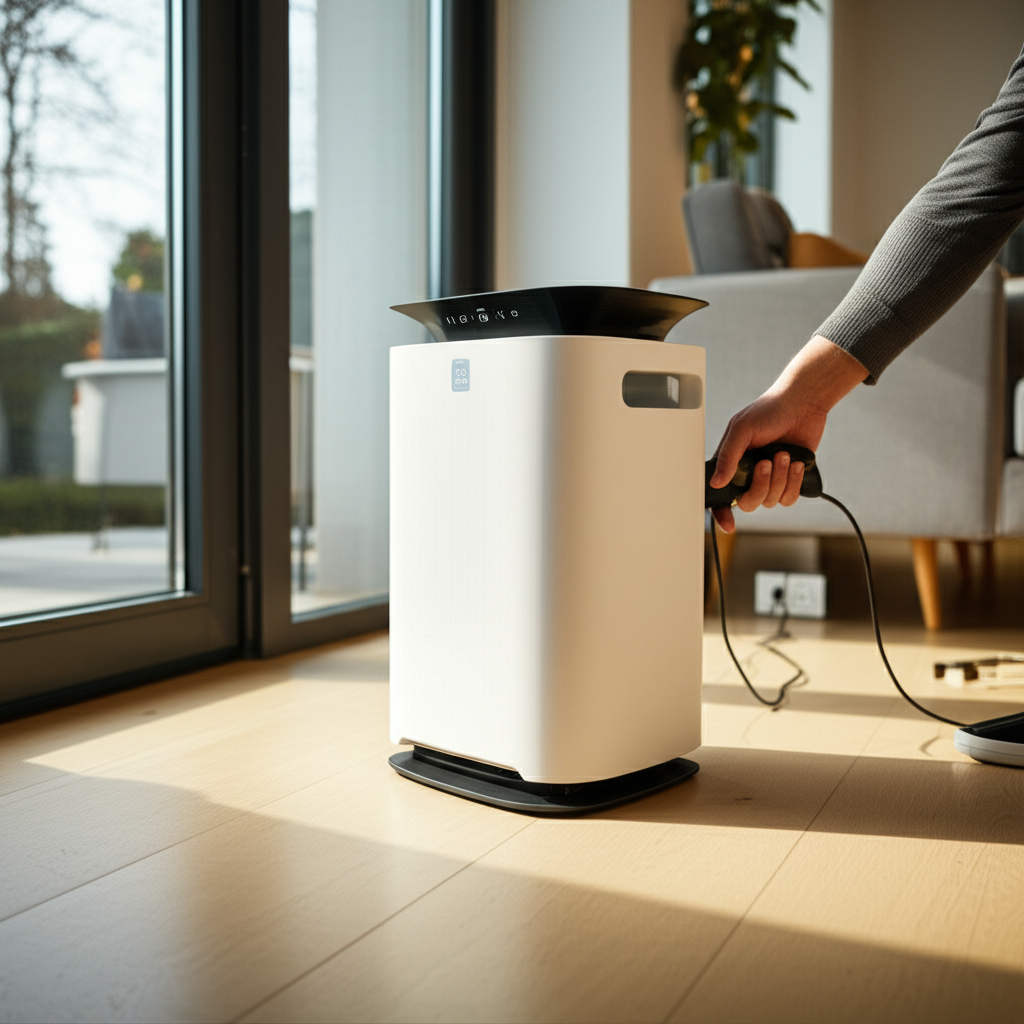
Most modern air purifiers are designed for easy movement, often featuring integrated handles or being relatively lightweight. However, some larger, high-capacity models can be quite heavy and cumbersome. Always check the unit’s weight and design to ensure you can safely and comfortably move it.
If you find your air purifier difficult to carry, consider using a small rolling cart or placing it on a furniture dolly for easier transport between rooms. This makes the process much more manageable.
Power Cords and Placement
The length of your air purifier’s power cord is a practical consideration when moving it. Ensure there’s a convenient outlet available in the room you’re moving it to, and that the cord can reach without being a tripping hazard. Avoid stretching the cord taut or placing it across high-traffic areas.
Proper placement within the room is also key. Air purifiers work best when they have unobstructed airflow, so avoid placing them directly against walls or furniture.
Filter Lifespan and Usage
Moving your air purifier doesn’t inherently shorten its filter life, but consistent use in different environments might affect it. For instance, using it in a room with higher pollution levels might cause the filters to clog faster than if it were used in a cleaner space. Monitor your filter indicator lights or follow the manufacturer’s recommended replacement schedule.
Regularly checking your filters will help maintain optimal performance and ensure you’re getting the most out of your device.
Best Practices for Moving Air Purifiers
To ensure your air purifier continues to operate efficiently and safely, follow these best practices when moving it between rooms. Proper handling and setup can prevent damage and maximize its effectiveness.
1. Turn Off and Unplug
Always turn off your air purifier and unplug it from the power outlet before moving it. This is a crucial safety step to prevent electrical shock or damage to the unit. Never attempt to move a plugged-in appliance.
This simple step protects both you and your device from potential hazards.
2. Handle with Care
Grip the air purifier firmly by its designated handles or frame. Avoid pulling on the power cord or any delicate parts. If the unit is heavy, enlist the help of another person or use a moving aid.
Careful handling prevents accidental drops or damage to internal components.
3. Clean Before Moving (Optional but Recommended)
Before moving your air purifier to a new room, especially if it’s been in a particularly dusty or smoky environment, consider giving its exterior a quick wipe-down. This prevents spreading dust or debris to the new location. You can use a slightly damp cloth for this.
A quick clean ensures you’re not transferring any unwanted particles.
4. Allow for Settling (If Necessary)
Some manufacturers recommend letting an air purifier sit for a few minutes after being moved before turning it on. This allows any internal components, like the fan, to settle properly, especially if the unit was tilted during transit. Check your user manual for specific guidance.
This brief waiting period can help ensure optimal fan operation.
5. Place in an Optimal Location
Once in the new room, place the air purifier in a location that allows for maximum airflow. Avoid corners, tight spaces, or areas directly behind furniture. An open central location is usually best for circulating clean air throughout the room.
Proper placement is key to effective air purification in any space.
Can I Use an Air Purifier in Multiple Rooms Simultaneously?
While you can move a single air purifier from room to room, you cannot use it in multiple rooms simultaneously. An air purifier is designed to operate in one enclosed space at a time. Its effectiveness is measured by its ability to circulate and clean the air within that specific room’s volume.
To purify air in multiple rooms at once, you would need separate air purifiers for each space.
Optimizing Air Purifier Use Across Different Room Types
Different rooms in your home have unique air quality challenges, and your air purifier can be adapted to meet these needs. Understanding these nuances will help you maximize its benefits.
Bedrooms
Bedrooms are ideal spaces for air purifiers, especially for individuals with allergies or asthma. Moving your purifier to the bedroom at night can significantly reduce exposure to dust mites, pollen, and pet dander while you sleep. A quiet setting or sleep mode is a bonus here.
Ensuring a consistent flow of clean air during rest periods promotes better sleep and overall well-being.
Living Rooms
The living room is often a hub of activity, exposed to pollutants from cooking, pets, and outdoor air. Placing your air purifier here during the day can help manage odors, dust, and airborne irritants. Look for models with activated carbon filters to tackle VOCs and smells.
Strategically moving your purifier to this high-traffic area ensures a more comfortable and healthier shared space.
Kitchens
While not always the primary location, an air purifier can be beneficial in the kitchen, particularly during or after cooking. It can help capture smoke, grease particles, and cooking odors. Ensure the unit is placed safely away from direct heat and moisture.
Its presence can make post-meal cleanup feel fresher and the air more pleasant.
Home Offices
For those who spend significant time working from home, a clean office environment is crucial for focus and productivity. Moving your air purifier to your home office can help reduce airborne allergens and improve overall air freshness, contributing to a more conducive workspace.
A clean air environment in your office can directly impact your concentration and comfort.
When Not to Move Your Air Purifier
While portability is a key feature, there are instances where moving your air purifier might not be the best approach. Consider these situations to avoid potential issues or suboptimal performance.
Large, Open-Concept Spaces
In very large, open-concept living areas, a single portable air purifier might struggle to effectively clean the entire space. Moving it from one zone to another might leave other areas less purified. In such cases, multiple purifiers or a single, high-capacity unit designed for large spaces would be more appropriate.
For vast areas, consider the limitations of a single unit’s reach.
High-Humidity Environments
While some air purifiers can tolerate moderate humidity, consistently placing them in very humid areas like steamy bathrooms or damp basements isn’t ideal. Excessive moisture can potentially damage the unit or affect filter performance over time. Always check the manufacturer’s specifications regarding humidity levels.
Protecting your appliance from excessive moisture ensures its longevity.
Areas with Extreme Temperature Fluctuations
Air purifiers are designed to operate within a specific temperature range. Exposing them to extreme heat or cold, such as in an uninsulated garage or a very hot sunroom, can impair their function or cause damage. Keep your purifier in climate-controlled environments.
Maintaining a stable temperature protects the sensitive internal components.
Can Air Purifiers Be Moved Room to Room? A Summary Table
To help visualize the considerations, here’s a quick comparison:
| Feature | Portable Air Purifiers | Considerations for Moving |
| :—————- | :————————————————— | :——————————————————————————————————————— |
| Design | Often lightweight, with handles for easy transport. | Check weight and ensure safe carrying. |
| Effectiveness | Room-size dependent; best in appropriately sized rooms. | Match purifier capacity to room size for optimal air cleaning. |
| Power | Requires access to an electrical outlet. | Ensure cord length is adequate and placement isn’t a tripping hazard. |
| Filter Life | Usage in different environments can impact lifespan. | Monitor filter status and replace as recommended by the manufacturer. |
| Safety | Always turn off and unplug before moving. | Handle with care to avoid damage; consider assistance for heavier units. |
This table highlights the key aspects to keep in mind when moving your air purifier.
Frequently Asked Questions (FAQ)
Q1: How often should I move my air purifier between rooms?
You can move your air purifier as often as needed based on your air quality priorities. Many people move theirs daily or weekly, focusing on the room they are currently using most.
Q2: Will moving my air purifier reduce its lifespan?
No, simply moving a portable air purifier from room to room does not inherently reduce its lifespan. However, consistent heavy use in highly polluted environments might affect filter life more quickly.
Q3: Can I leave my air purifier running while moving it to another room?
Absolutely not. Always turn off and unplug your air purifier before moving it to prevent electrical hazards and potential damage to the unit.
Q4: What is the best place to put an air purifier in a room?
Place your air purifier in an open area where air can circulate freely. Avoid corners, walls, and furniture that might obstruct airflow, ensuring it can effectively draw in and expel clean air.
Q5: My air purifier feels less effective in the new room. Why?
This could be due to the new room being larger than the purifier’s rated capacity, higher pollution levels in that specific room, or a dirty filter that needs replacing. Check the purifier’s placement and filter status.
Q6: Do I need to reset my air purifier after moving it?
Generally, no. Most portable air purifiers do not require resetting after being moved, as long as they are properly plugged in and turned on.
Q7: Can I use my air purifier in a bathroom?
While you can use an air purifier in a bathroom, be cautious of high humidity. Ensure the unit is not placed where it can get wet and check the manufacturer’s guidelines for humidity tolerance.
Conclusion: Your Air Purifier, Your Flexible Solution
So, can air purifiers be moved from room to room? The answer is a resounding yes! By understanding your unit’s capabilities, considering room size, and following simple best practices, you can effectively use your air purifier to improve air quality throughout your home. It’s a versatile tool that can adapt to your changing needs, providing cleaner air where you need it most. Enjoy the flexibility and breathe easier, knowing you’re making the most of your air purification investment.


