
Can You Be Allergic to Air Purifiers? Essential Guide

Yes, you can experience allergic reactions to air purifiers, often due to their filters or the byproducts they release, but understanding the causes and solutions can help you breathe easier.
Experiencing new or worsening allergy symptoms after getting an air purifier can be incredibly frustrating, especially when you bought it to improve your air quality. You might be wondering, “Can you be allergic to air purifiers?” The answer is a definite yes, but it’s rarely the purifier itself. More often, it’s the components or how they interact with your environment that trigger reactions. Don’t worry, this guide will walk you through the common culprits and provide actionable steps to ensure your air purifier is a help, not a hindrance to your health.
Understanding Air Purifier Allergies: The Unexpected Culprits
It might seem counterintuitive, but air purifiers, designed to clean the air, can sometimes trigger allergic responses. This isn’t typically a true allergy to the device itself, but rather to the materials used in its filters or to byproducts generated during the purification process. Identifying these triggers is key to enjoying cleaner air.
The Role of Air Purifier Filters in Allergic Reactions
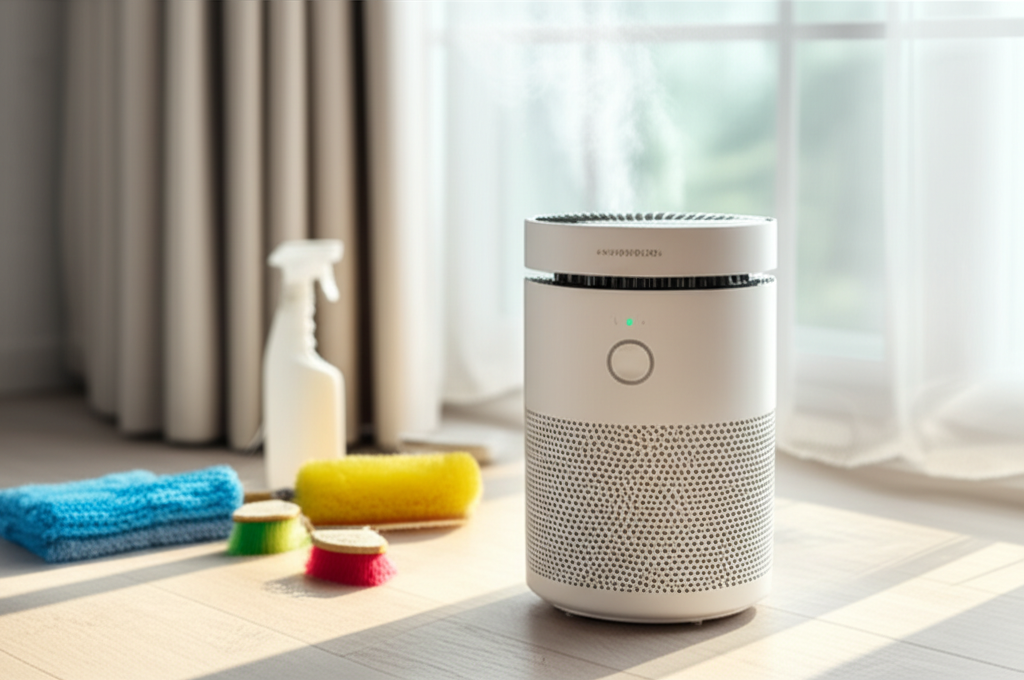
Filters are the heart of any air purifier, trapping pollutants. However, certain filter materials or contaminants trapped within them can become sources of allergens. Understanding the different types of filters and their potential to cause reactions is crucial for making informed choices.
HEPA Filters and Potential Sensitivities
High-Efficiency Particulate Air (HEPA) filters are highly effective at capturing tiny particles. While generally safe and beneficial, some individuals might react to the materials used in their construction, such as fiberglass or specific adhesives. These reactions are rare but possible, especially for those with extreme sensitivities.
Activated Carbon Filters: More Than Just Odor Control
Activated carbon filters excel at absorbing gases, odors, and VOCs. They are often infused with chemicals to enhance their adsorption capabilities. In very rare cases, these infusions or the carbon dust itself might cause irritation or allergic reactions in highly sensitive individuals. For most, though, they are perfectly safe and beneficial.
Pre-filters: The First Line of Defense and Potential Issues
Pre-filters catch larger particles like hair and dust bunnies, protecting the main HEPA filter. If these pre-filters are made from certain synthetic materials or become overloaded with allergens, they can potentially become a source of airborne irritants. Regular cleaning or replacement is vital.
Common Symptoms of an Air Purifier Allergy
Recognizing the signs is the first step to addressing an air purifier-related allergy. These symptoms often mimic those of other allergies but arise specifically after the purifier has been in use. Observing when your symptoms appear can help pinpoint the cause.
Respiratory Symptoms: Sneezing, Coughing, and Wheezing
Increased sneezing, a persistent cough, or wheezing after turning on your air purifier are common indicators. These symptoms suggest that something in the air, potentially released by the purifier or its filters, is irritating your airways. It’s important to note these symptoms rather than dismissing them.
Skin Reactions: Rashes and Irritation
While less common, some individuals might experience skin reactions like rashes or itching. This can occur if allergens released by the purifier settle on the skin or if there’s direct contact with a contaminated component. Pay attention to any new skin irritations that coincide with purifier use.
Eye Irritation: Redness and Watering
Watery, red, or itchy eyes can also be a sign of an air purifier allergy. Similar to respiratory symptoms, this indicates that airborne irritants are affecting the sensitive tissues of your eyes. Keeping a log of when your eyes feel worse can be very helpful.
Why Are You Reacting? Investigating the Root Causes
When you find yourself asking, “Can you be allergic to air purifiers?” it’s time to dig deeper into what might be causing your discomfort. The issue is rarely the concept of purified air itself, but rather specific elements within the system or its operation.
Outgassing from New Purifier Components
New air purifiers, like many new electronic devices or furniture, can sometimes release Volatile Organic Compounds (VOCs) as they break in. This process, known as outgassing, can cause temporary irritation and allergy-like symptoms in sensitive individuals. Running the purifier in a well-ventilated area initially can help mitigate this.
Dirty or Overloaded Filters
Perhaps the most common reason for experiencing adverse effects is a dirty or overloaded filter. When filters are not cleaned or replaced on schedule, they can become saturated with trapped pollutants. These accumulated allergens can then be recirculated back into the air, causing or worsening symptoms.
Mold or Bacteria Growth in Humidifiers (if combined)
Some air purifiers come with built-in humidifiers. If these water tanks are not cleaned regularly, mold and bacteria can grow, leading to the release of spores into the air. This can cause significant respiratory issues and allergy symptoms. Always follow manufacturer guidelines for cleaning humidifying components.
Ozone Production from Ionizers or Electrostatic Purifiers
Certain types of air purifiers, particularly those with ionizers or electrostatic precipitators, can produce small amounts of ozone as a byproduct. Ozone is a lung irritant and can exacerbate asthma and other respiratory conditions. If your purifier uses these technologies, check its ozone emission levels.
Sensitivity to Filter Materials or Adhesives
As mentioned earlier, though uncommon, some individuals may have a sensitivity to the specific materials used in the filters, such as fiberglass, or the adhesives that hold them together. This is more likely in those with pre-existing chemical sensitivities or severe allergies.
Troubleshooting Your Air Purifier for Allergy Relief
If you suspect your air purifier is causing your allergy symptoms, don’t give up on clean air just yet. There are several practical steps you can take to troubleshoot the problem and find a solution that works for you. Let’s get your air feeling fresh again.
1. Check Your Filter Maintenance Schedule
This is the most critical step. Ensure you are cleaning or replacing your filters according to the manufacturer’s recommendations. An overloaded filter is a prime suspect for recirculating allergens. Refer to your air purifier’s manual for the specific schedule.
2. Consider a Different Filter Type
If you’re using a purifier with activated carbon infused with chemicals or have sensitivities to HEPA filter materials, try switching to a purifier with a different filter technology. Look for models with washable pre-filters and high-quality, uninfused HEPA filters.
3. Ensure Proper Unit Placement and Ventilation
Position your air purifier in a central location where it can effectively circulate air, but avoid placing it directly where you sleep or spend most of your time if you suspect it’s the source of irritation. Also, ensure the room has some air exchange to prevent pollutant buildup from any byproduct.
4. Run the Purifier on a Lower Setting or Intermittently
If symptoms appear primarily when the purifier is running on high, try operating it on a lower fan speed. You could also try running it for shorter periods, perhaps when you are not in the room, to see if that makes a difference. This helps reduce the concentration of any potential irritants.
5. Clean the Exterior and Interior of the Unit
Dust can accumulate on the exterior and inside the air purifier, especially around the fan. Regularly wipe down the unit and clean any accessible internal components to prevent dust from being blown back into the air. A clean machine is a more effective machine.
6. Bypass or Remove Ionizers/Ozone-Producing Features
If your air purifier has an ionizer or ozone-generating feature, try turning it off or removing that component if possible. Many purifiers allow you to disable these functions. This is especially important if you have asthma or are sensitive to ozone.
Choosing the Right Air Purifier to Avoid Allergies
When selecting an air purifier, especially if you have a history of allergies or sensitivities, making the right choice from the start can prevent future problems. Focus on models known for their safety and effectiveness in allergen reduction.
Look for CARB Certification
The California Air Resources Board (CARB) certifies air purifiers that meet strict ozone emission limits. Choosing a CARB-certified unit significantly reduces the risk of ozone-related irritation. This certification is a strong indicator of a safer product for sensitive individuals.
Prioritize HEPA Filters (True HEPA)
Opt for purifiers with “True HEPA” filters, which are certified to capture 99.97% of particles 0.3 microns in size. While sensitivities to filter material are rare, True HEPA is the gold standard for particle removal and is generally well-tolerated. Brands like Coway and Honeywell often feature these.
Consider Washable Pre-filters
Washable pre-filters are a great feature. They catch larger particles and can be easily cleaned, extending the life of your HEPA filter and reducing the frequency of replacements. This also helps prevent the pre-filter from becoming a source of accumulated allergens.
Research Brands Known for Quality and Safety
Certain brands have a reputation for producing high-quality, low-emission air purifiers. Brands like Blueair, Levoit, and Winix are often recommended for their effective filtration and focus on user health. Reading reviews from users with similar sensitivities can be very insightful.
Understand the Filtration Technology
Be aware of the specific technologies used. While HEPA is excellent for particles, consider if you need additional filtration for gases and odors (activated carbon). Avoid purifiers that rely solely on technologies known to produce ozone, like some older ionizers, unless they are certified low-emission.
When to Seek Professional Help
While most air purifier-related issues can be resolved with troubleshooting, there are times when consulting a professional is necessary. If your symptoms persist or are severe, don’t hesitate to reach out to experts.
Consulting an Allergist
If you’ve tried troubleshooting and still experience significant allergic reactions, it’s wise to see an allergist. They can help determine if your symptoms are indeed related to the air purifier or if there are other underlying allergies or sensitivities at play. Proper diagnosis is key to effective treatment.
Speaking with Your Doctor
For persistent respiratory issues or concerns about ozone exposure, discussing your symptoms and air purifier usage with your primary care physician is recommended. They can provide guidance on managing your health and ensuring your environment is safe.
Contacting the Air Purifier Manufacturer
If you suspect a defect with the unit or have specific questions about its components and emissions, contacting the manufacturer’s customer support is a good idea. They may offer specific troubleshooting advice or replacement options.
Frequently Asked Questions (FAQ)
Here are some common questions people have when they experience issues with their air purifiers.
Can an air purifier make my allergies worse?
Yes, in some cases, an air purifier can make allergies worse if its filters are dirty, if it’s producing ozone, or if you’re sensitive to the materials used in its construction. Proper maintenance and choosing the right type of purifier are crucial.
What if I’m allergic to dust, can an air purifier help?
Absolutely. Air purifiers, especially those with True HEPA filters, are excellent at capturing airborne dust particles, which are common allergens. Regular maintenance is key to ensure it effectively removes dust rather than recirculating it.
Is ozone from air purifiers dangerous?
Ozone is a lung irritant and can be dangerous, especially for individuals with asthma or other respiratory conditions. While many modern purifiers produce very low, safe levels, it’s best to choose CARB-certified units or those that allow you to disable ozone-producing features.
How often should I change my air purifier filter?
Filter replacement schedules vary by manufacturer and model, but generally, HEPA filters should be replaced every 6-12 months, and carbon filters every 3-6 months. Always check your purifier’s manual for specific recommendations.
Can a dirty air filter cause a cough?
Yes, a dirty air filter can cause a cough. When filters become overloaded, they can release trapped particles and allergens back into the air, which can irritate your airways and lead to coughing.
Are there air purifiers that don’t produce ozone?
Yes, air purifiers that use only HEPA and activated carbon filtration without ionizers or UV-C light (unless specifically designed to prevent ozone) typically do not produce ozone. Always look for CARB certification for assurance.
Conclusion: Breathing Easier with the Right Air Purifier
So, can you be allergic to air purifiers? While the device itself isn’t typically the allergen, certain components or operational byproducts can indeed trigger sensitivities. By understanding the potential culprits—from dirty filters and outgassing to ozone production—and implementing the troubleshooting steps outlined in this guide, you can significantly improve your experience. Prioritizing maintenance, choosing certified, high-quality units, and being aware of your own sensitivities are key to enjoying the benefits of cleaner indoor air without the discomfort of allergic reactions. With the right approach, your air purifier can become a valuable ally in your pursuit of a healthier home environment.
