
Activated Carbon Air Purifiers for Cigarette Smoke: Essential Guide

Activated carbon air purifiers for cigarette smoke are highly effective solutions for removing the persistent odors and harmful chemicals associated with smoking. This guide will help you understand how they work, choose the right one, and maintain it for optimal performance, ensuring a fresher, healthier home environment.
The lingering smell of cigarette smoke can be incredibly frustrating, clinging to furniture, fabrics, and even the air you breathe. It’s not just an unpleasant odor; it carries harmful chemicals that impact your health. Fortunately, there’s a powerful solution: activated carbon air purifiers for cigarette smoke. These devices are specifically designed to tackle the complex components of smoke, offering a breath of fresh air. In this guide, I’ll walk you through everything you need to know to select and use the best air purifier for your needs, transforming your living space.
How Activated Carbon Air Purifiers Tackle Cigarette Smoke
Activated carbon air purifiers for cigarette smoke are exceptionally effective because of the unique properties of activated carbon. This material is processed to have millions of tiny pores, dramatically increasing its surface area. These pores act like a sponge, adsorbing volatile organic compounds (VOCs) and other odor-causing molecules present in cigarette smoke.
The Science Behind Activated Carbon’s Effectiveness
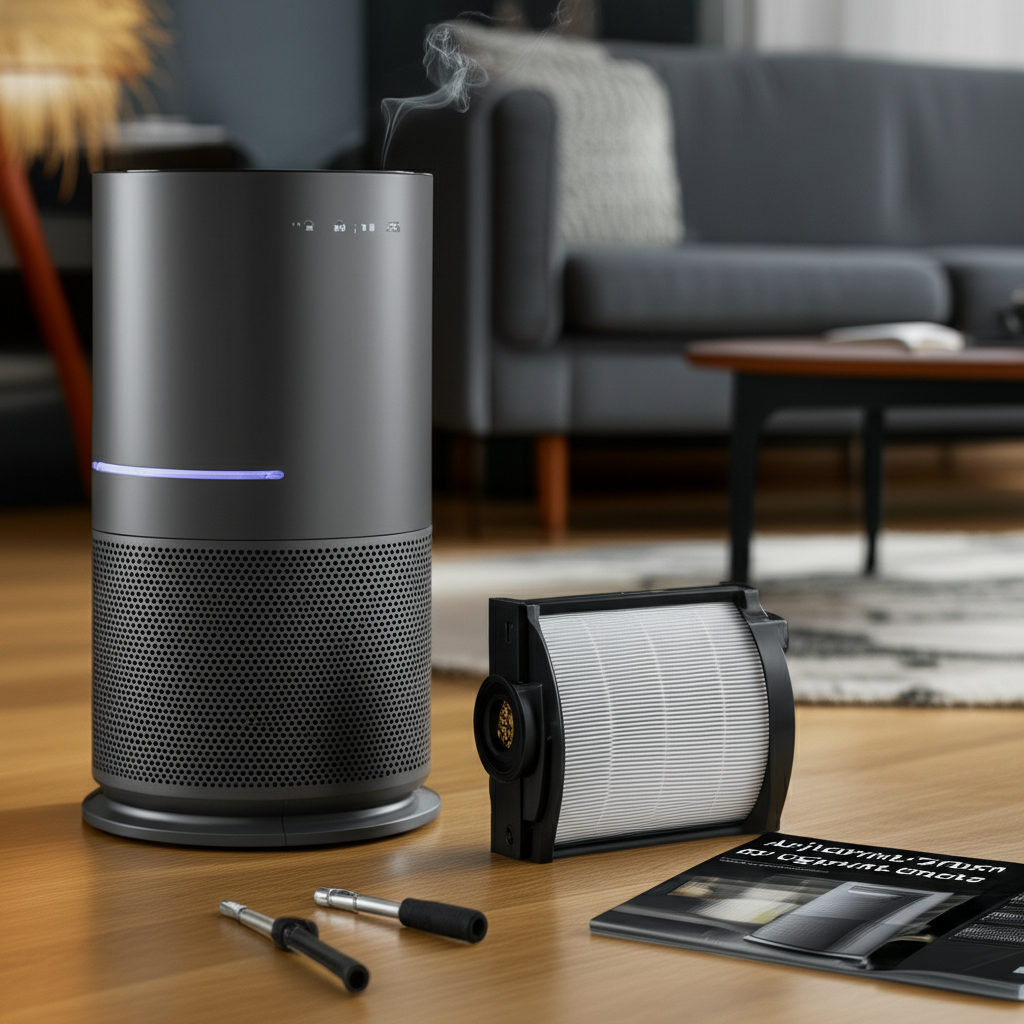
When smoke particles and gases pass through the activated carbon filter, they get trapped within its intricate pore structure. This process, known as adsorption, effectively removes the compounds responsible for the pungent smell and many of the harmful irritants found in secondhand smoke. Unlike HEPA filters, which primarily capture physical particles, activated carbon targets the gaseous pollutants.
What Makes Activated Carbon Ideal for Smoke Odors?
Activated carbon’s high adsorption capacity makes it superior for eliminating odors compared to other filtration methods. It can trap a wide range of chemicals, including nicotine, tar, ammonia, and formaldehyde, which are prevalent in cigarette smoke. This ensures not just a cleaner smell but also a healthier indoor environment.
Understanding the Components of Cigarette Smoke
To appreciate the power of activated carbon air purifiers for cigarette smoke, it’s crucial to understand what makes the smoke so problematic. Cigarette smoke is a complex mixture of thousands of chemicals, many of which are toxic and contribute to its pervasive odor.
Particulate Matter in Smoke
Beyond the gases, cigarette smoke contains fine particulate matter, including tar, ash, and nicotine. These tiny particles can remain suspended in the air for hours and settle on surfaces, contributing to the lingering smell and potential health risks. While activated carbon primarily targets gases, many purifiers also include pre-filters to capture these larger particles.
Gaseous Pollutants and VOCs
The most challenging aspect of cigarette smoke to eliminate is its gaseous components and volatile organic compounds (VOCs). These include carbon monoxide, nitrogen oxides, ammonia, benzene, and formaldehyde, among many others. These substances are the primary culprits behind the strong, unpleasant odor and are responsible for many of the health concerns associated with smoke exposure. Activated carbon is specifically designed to adsorb these gases.
Key Features to Look for in an Air Purifier for Smoke
When selecting activated carbon air purifiers for cigarette smoke, certain features are paramount to ensure effective performance. Prioritizing these aspects will lead you to a unit that truly addresses your needs.
The Importance of Carbon Filter Size and Weight
The effectiveness of an activated carbon filter is directly related to its size and weight. A larger, heavier carbon filter generally means more surface area and a greater capacity for adsorbing smoke odors and chemicals. For heavy smokers or frequent smoke exposure, look for purifiers with substantial carbon filters, often measured in pounds rather than ounces.
Pre-Filter Effectiveness for Larger Particles
While activated carbon is key for gases, a good pre-filter is essential for capturing larger smoke particles like ash and tar. This not only protects the more expensive activated carbon and HEPA filters but also extends their lifespan. Look for a washable or easily replaceable pre-filter for convenience.
HEPA Filter: A Necessary Addition
While activated carbon handles the gases and odors, a True HEPA filter is vital for capturing the fine particulate matter (PM2.5) that constitutes smoke. A True HEPA filter can trap at least 99.97% of airborne particles as small as 0.3 microns, including those microscopic smoke particles.
CADR Ratings for Smoke
CADR, or Clean Air Delivery Rate, indicates how quickly an air purifier can clean the air. For cigarette smoke, you’ll want a high CADR specifically for smoke. This rating tells you how effective the unit is at removing smoke particles from a given room size.
Top Activated Carbon Air Purifiers for Cigarette Smoke (Product Examples)
Choosing the right activated carbon air purifier for cigarette smoke can feel overwhelming with so many options. Based on performance, features, and user reviews specifically for smoke removal, here are a few highly recommended types.
Coway Airmega Series
The Coway Airmega series often features robust multi-stage filtration, including substantial activated carbon filters and True HEPA filters. They are known for their powerful performance in tackling odors and pollutants, making them excellent choices for homes with smokers. Their smart features and coverage areas are also impressive.
Blueair Classic Series
Blueair purifiers utilize a combination of mechanical filtration and electrostatic charging (HEPASilent™ technology) along with activated carbon. This dual approach is highly effective against both particles and gases from smoke. Their sleek designs and quiet operation are also a plus.
Levoit Core Series (with Carbon Filter Option)
Levoit offers a range of affordable yet effective air purifiers. Many models, like the Core 300S or Core 400S, come with a combination filter that includes a True HEPA layer and an activated carbon layer specifically designed for odors. They are a great entry-level option for moderate smoke issues.
Winix 5500-2
This model is frequently cited for its effectiveness against pet dander, allergens, and smoke odors. It features a True HEPA filter, a washable AOC™ Carbon Filter for odors, and PlasmaWave™ technology, offering comprehensive air purification for smoke-filled environments.
Placement and Maintenance for Optimal Performance
Even the best activated carbon air purifier for cigarette smoke needs proper placement and regular maintenance to function at its peak. Simple steps can significantly enhance its effectiveness and longevity.
Strategic Placement in Your Home
To maximize the benefits of your air purifier, place it in the room where smoking most frequently occurs or where the smoke smell is most noticeable. Ensure there’s adequate space around the unit, typically at least 1-2 feet, allowing for unobstructed airflow. Avoid placing it directly against walls or furniture, which can impede its intake and output.
Regular Filter Replacement Schedule
Activated carbon filters have a finite capacity. Once saturated with odors and chemicals, they can no longer adsorb effectively and may even release trapped pollutants. Follow the manufacturer’s recommended replacement schedule for both the activated carbon and HEPA filters, which can vary from 6 months to a year or more depending on usage and smoke intensity.
Cleaning Pre-Filters and Unit Exterior
The pre-filter often captures the largest particles, so cleaning it regularly (e.g., monthly or as recommended) will improve overall air intake and prolong the life of the main filters. Vacuuming the exterior of the unit and checking the fan blades for dust buildup can also ensure efficient operation.
Understanding Filter Lifespan and Saturation
The lifespan of an activated carbon filter in an air purifier for cigarette smoke is a critical factor in its long-term effectiveness. Understanding when a filter is saturated is key to maintaining clean air.
Factors Affecting Carbon Filter Life
The primary factor influencing carbon filter life is the concentration and frequency of smoke. Heavy smoking in a small, poorly ventilated area will saturate the carbon much faster than occasional smoking in a large, well-ventilated room. The quality of the activated carbon itself also plays a role, with denser and larger filters typically lasting longer.
Signs of a Saturated Carbon Filter
The most obvious sign of a saturated activated carbon filter is the return of cigarette odors. If you notice the smell of smoke becoming noticeable again, even with the purifier running, it’s a strong indicator that the carbon is no longer adsorbing effectively. Some purifiers may also have filter replacement indicator lights, but these are often based on runtime, not actual saturation.
Why Replacing is Crucial
Continuing to run an air purifier with a saturated carbon filter is counterproductive. It won’t remove new smoke odors and could potentially release previously adsorbed pollutants back into the air. Replacing the filter ensures the unit continues to provide the clean, fresh air you expect.
HEPA vs. Activated Carbon: A Synergistic Approach
While both HEPA and activated carbon filters are vital for addressing cigarette smoke, they perform distinct roles. Understanding their individual functions highlights why a combination is the most effective solution.
HEPA Filters: Capturing Particulate Matter
True HEPA filters excel at trapping airborne particles. This includes fine dust, pollen, pet dander, mold spores, and crucially, the solid particles and tar found in cigarette smoke. By removing these particles, HEPA filters significantly reduce the visual haze and settleable debris associated with smoking.
Activated Carbon Filters: Adsorbing Gases and Odors
Activated carbon filters are designed for gases and odors. Their porous structure traps molecules like ammonia, benzene, formaldehyde, and the volatile compounds that create the characteristic pungent smell of cigarette smoke. They are the primary defense against the olfactory nuisance and many of the gaseous irritants.
The Power of Combined Filtration
For effective activated carbon air purifiers for cigarette smoke, a multi-stage filtration system combining both True HEPA and substantial activated carbon is essential. The pre-filter captures large particles, the HEPA filter removes fine particulates, and the activated carbon adsorbs the harmful gases and persistent odors. This synergistic approach provides comprehensive air purification.
Beyond Smoke: Additional Benefits of Air Purifiers
While your primary goal might be to combat cigarette smoke, the activated carbon air purifiers for cigarette smoke you choose offer a host of other benefits for your home’s air quality.
Reducing Allergens and Irritants
Beyond smoke, these purifiers effectively capture common allergens like dust mites, pollen, pet dander, and mold spores. This can significantly improve air quality for individuals suffering from allergies or asthma, creating a more comfortable living environment year-round.
Eliminating Household Odors
The activated carbon component is not limited to smoke; it’s highly effective at removing a wide range of household odors. This includes cooking smells, pet odors, musty basement smells, and even fumes from cleaning products or new furniture.
Improving Overall Indoor Air Quality
By consistently removing pollutants, allergens, and odors, air purifiers contribute to a healthier indoor environment. Reduced exposure to airborne contaminants can lead to fewer respiratory issues, better sleep, and a general sense of well-being.
Choosing the Right Size Room Coverage
Selecting an air purifier that is appropriately sized for the room it will be used in is crucial for effective smoke removal. An undersized unit will struggle to keep up, while an oversized one might be unnecessarily noisy or costly.
Understanding CADR and Room Size
Air purifiers are rated by their Clean Air Delivery Rate (CADR) for smoke, dust, and pollen. For smoke, you want the highest CADR. Manufacturers often provide recommended room sizes based on these ratings, usually indicating the maximum square footage for effective air changes per hour (ACH). For smoke, aim for at least 5 ACH.
The Impact of Smoke Concentration
If the room is consistently exposed to heavy cigarette smoke, you might consider a unit rated for a slightly larger room than you actually have. This provides extra capacity to handle the high load of pollutants and odors, ensuring more efficient purification.
Multi-Room Coverage vs. Dedicated Units
For larger homes or areas with significant smoke exposure, you might consider using multiple smaller units or one larger, more powerful unit capable of covering a significant square footage. Dedicated units in high-traffic smoking areas often yield the best results.
Frequently Asked Questions (FAQ)
Here are some common questions about using activated carbon air purifiers for cigarette smoke.
Can an air purifier completely eliminate cigarette smoke smell?
While an activated carbon air purifier for cigarette smoke can significantly reduce and often eliminate the smell, “completely” is a strong word. Persistent smoke residue on surfaces can release odors over time. However, a good purifier will make the air smell fresh and clean.
How often do I need to replace the activated carbon filter?
This depends heavily on the intensity of smoking and the size/quality of the filter. Generally, expect to replace it every 6-12 months. Check your purifier’s manual for specific recommendations and signs of saturation.
Will an air purifier remove all harmful chemicals from smoke?
Activated carbon is excellent at adsorbing many harmful VOCs and gases. However, it cannot remove all the thousands of chemicals present in cigarette smoke, nor can it fully mitigate the health risks of exposure to secondhand smoke. It’s a tool for improving air quality, not a complete solution for smoke-related health issues.
Can I wash an activated carbon filter?
No, activated carbon filters are not washable. They work through adsorption, and once the pores are filled, their effectiveness is gone. Washing will not reactivate them; they must be replaced. Some pre-filters, however, are washable.
How does an air purifier help with secondhand smoke?
It helps by filtering out a significant portion of the particulate matter and adsorbing many of the harmful gases and odor-causing compounds in secondhand smoke, thus improving the air quality in the immediate environment.
Do air purifiers with only HEPA filters work for smoke odors?
HEPA filters are designed to capture particles, not gases or odors. While they will remove smoke particles, they won’t effectively address the smell. You need an activated carbon filter for odor removal.
How do I know if my air purifier is working effectively for smoke?
The primary indicator is the absence or significant reduction of smoke odor. If the air smells noticeably fresher and cleaner, your purifier is likely working well. Reduced haze or visible smoke particles is another sign.
Conclusion: Breathe Easier with Activated Carbon Air Purifiers
Dealing with cigarette smoke in your home can be a persistent challenge, but activated carbon air purifiers for cigarette smoke offer a remarkably effective and practical solution. By understanding how activated carbon works to adsorb odors and harmful gases, and by choosing a unit with robust carbon filtration alongside a True HEPA filter, you can dramatically improve your indoor air quality. Remember that proper placement and diligent filter maintenance are key to ensuring your air purifier continues to deliver fresh, clean air. Investing in a quality air purifier is an investment in a healthier, more pleasant living environment for you and your loved ones, free from the lingering presence of smoke.
