
Can Air Purifier Make Room Cold? Essential Guide

Yes, an air purifier can make a room feel slightly cooler due to the air circulation it generates, but it does not possess active cooling capabilities like an air conditioner. This guide explores how air purifiers affect room temperature and what factors contribute to this perceived cooling effect, helping you understand their role in your home environment.
Air purifiers are fantastic tools for improving indoor air quality, tackling everything from dust and pollen to smoke and pet dander. But a common question arises: can an air purifier actually make a room cold? It’s a reasonable question, especially when you notice a subtle shift in the room’s temperature after turning one on. Let’s dive into how these devices work and whether they can offer a cooling sensation. Understanding this can help you manage your home’s comfort more effectively.
Understanding How Air Purifiers Work
Air purifiers work by drawing air into the unit, passing it through a series of filters, and then expelling the cleaner air back into the room. This process of air circulation is key to their primary function of removing pollutants. The fan within the purifier is what drives this movement of air, constantly cycling it through the system.
The Role of the Fan in Air Circulation
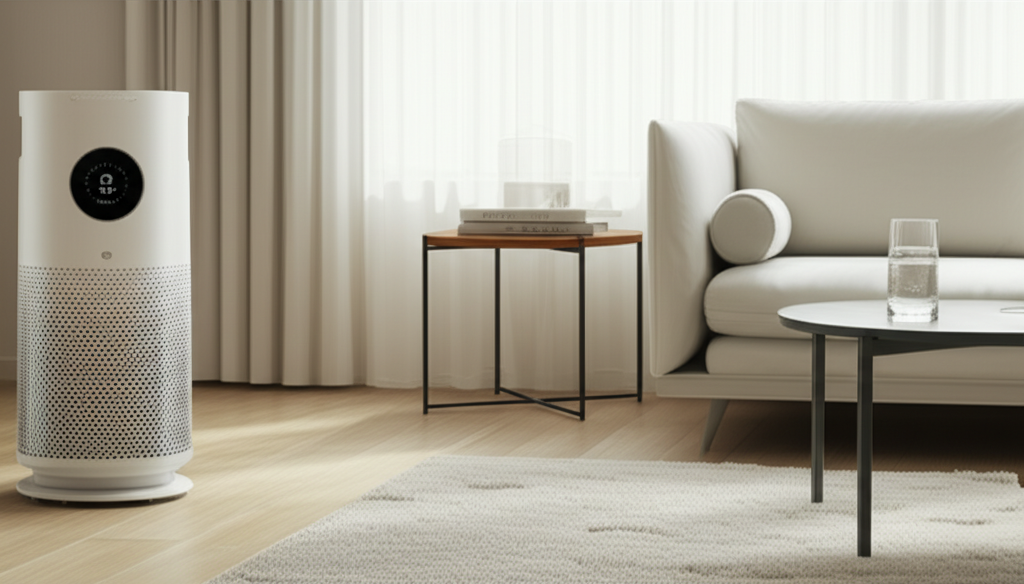
The fan is the engine of any air purifier. It pulls air in through the intake vents and pushes purified air out through the exhaust. This continuous movement of air across the room is what can lead to a feeling of increased air movement.
How Filters Affect Airflow
While filters are essential for trapping contaminants, they also create some resistance to airflow. High-efficiency particulate air (HEPA) filters, for instance, are designed to capture very fine particles, which means they can slightly impede the fan’s output compared to a unit with less dense filters. However, this resistance doesn’t typically lead to significant heat generation.
Can Air Purifier Make Room Cold? The Direct Answer
To directly address the question, can air purifier make room cold? No, an air purifier does not have a cooling mechanism like an air conditioner or a fan designed for cooling. Its primary function is to clean the air, not to regulate temperature.
No Active Cooling Components
Unlike air conditioners that use refrigerants and compressors to actively lower the temperature, air purifiers lack these cooling components. They are not designed to remove heat from the air.
Perceived Cooling from Air Movement
The sensation of a room feeling cooler when an air purifier is on is primarily due to the increased air circulation. Moving air helps evaporate moisture from your skin, which creates a cooling effect known as wind chill. This is the same principle that makes a ceiling fan or a portable fan feel cooling.
Factors Influencing Perceived Temperature Change
Several factors contribute to whether you notice a difference in room temperature when using an air purifier. The size of the room, the purifier’s fan speed, and even the ambient temperature all play a role in this perception.
Air Purifier Fan Speed and Settings
Higher fan speeds on an air purifier will naturally create more air movement, leading to a more pronounced cooling effect. If you’re running your purifier on its highest setting, you’re more likely to feel a difference in air circulation.
Room Size and Airflow Efficiency
In smaller, enclosed rooms, the impact of an air purifier’s fan is more noticeable. The air cycles more frequently, and the gentle breeze can be felt more readily. In larger spaces, the effect might be less pronounced.
Ambient Room Temperature
The effect of an air purifier on perceived temperature is also influenced by the existing room temperature. On a hot day, the circulating air might provide a welcome, albeit slight, cooling sensation by aiding evaporation. On a cooler day, the effect might be negligible or even slightly warming due to the motor’s minimal heat output.
The Minimal Heat Output of Air Purifiers
While air purifiers circulate air, their motors do generate a small amount of heat as a byproduct of operation. This is a common characteristic of most electrical appliances. However, this heat output is typically very low and insufficient to significantly warm a room.
Motor Heat vs. Cooling Effect
The heat generated by the motor is usually dispersed quickly by the fan itself. In most cases, the cooling effect from air circulation far outweighs any minimal heat produced by the motor.
Energy Efficiency and Heat Generation
Modern air purifiers are designed with energy efficiency in mind. This means they are engineered to produce as little heat as possible while consuming minimal electricity. You can learn more about energy-efficient home appliances from resources like the U.S. Department of Energy.
Air Purifiers vs. Cooling Appliances
It’s important to distinguish between air purifiers and appliances designed for active cooling, such as air conditioners and evaporative coolers. Understanding these differences clarifies the role of each in managing your home’s climate.
Air Conditioners: Active Cooling
Air conditioners work by using a refrigerant cycle to remove heat from the indoor air and transfer it outside. This process actively lowers the room’s temperature. They are designed for significant temperature reduction.
Evaporative Coolers: Water-Based Cooling
Evaporative coolers, also known as swamp coolers, cool the air through the evaporation of water. As water evaporates, it absorbs heat from the air, thus lowering its temperature. They are most effective in dry climates.
Air Purifiers: Air Circulation and Filtration
Air purifiers focus on improving air quality by removing pollutants. The perceived cooling effect is a secondary outcome of their air circulation mechanism. They do not actively remove heat or add moisture to the air in a cooling capacity.
Can Air Purifiers Help in Hot Weather?
While an air purifier won’t cool your room like an air conditioner, it can offer some comfort benefits during hot weather, primarily through enhanced air circulation. This can make the environment feel more pleasant.
Improving Air Circulation in Stagnant Heat
On a still, hot day, stagnant air can make a room feel stuffy and uncomfortable. An air purifier’s fan can create a gentle breeze, which helps with personal comfort by increasing the rate of sweat evaporation from your skin.
Combining with Other Cooling Methods
For more effective cooling, an air purifier can be used in conjunction with other cooling methods. For example, running it on a low setting alongside a fan or air conditioner can help distribute the cooler air more evenly throughout the room. Many people find that using a high-quality air purifier like a Coway Airmega enhances overall comfort.
Not a Replacement for Air Conditioning
It’s crucial to remember that an air purifier is not a substitute for an air conditioner when the goal is to significantly lower the ambient temperature. Its cooling effect is indirect and mild.
Potential for Slight Warming (Minimal)
Although the primary perceived effect is cooling from circulation, it’s technically possible for an air purifier to cause a very slight increase in room temperature. This is due to the minimal heat generated by the motor and fan.
Motor Heat Output
As mentioned, the motor that powers the fan converts electrical energy into mechanical energy, with a small percentage lost as heat. This heat is then released into the room. For most modern, energy-efficient units, this heat output is negligible.
Impact of Unit Size and Power Consumption
Larger, more powerful air purifiers with higher fan speeds will naturally consume more energy and therefore generate slightly more heat than smaller, less powerful models. However, even high-powered units are designed to minimize this effect.
Factors Affecting Air Purifier Performance and Temperature
Beyond the basic operation, several external factors can influence how your air purifier performs and how its presence might be perceived in terms of temperature. Understanding these can help optimize your experience.
Filter Quality and Maintenance
Dirty or clogged filters restrict airflow, reducing the fan’s effectiveness and potentially leading to slightly less air circulation. Regularly cleaning or replacing filters, as recommended by the manufacturer, ensures optimal performance. For example, Molekule air purifiers rely on PECO filters that need replacement for peak efficiency.
Unit Placement and Room Layout
Placing your air purifier in a location where it can effectively draw in air and distribute purified air is important. Obstructions around the intake or exhaust vents can hinder its operation and the resulting airflow. Ensure it has adequate space around it.
Room Sealing and Insulation
The effectiveness of any appliance influencing room temperature is also dependent on how well the room is sealed. Drafty windows or doors can allow hotter outside air to enter or cooler inside air to escape, diminishing the perceived effect of the air purifier.
Air Purifier Features That Might Affect Perceived Temperature
Some air purifiers come with additional features that could indirectly influence your perception of the room’s temperature, though none are direct cooling mechanisms.
Fan Boost or Turbo Modes
Many air purifiers offer “boost” or “turbo” modes that significantly increase fan speed. Activating these modes will maximize air circulation and thus the potential for a cooling sensation.
Smart Sensors and Auto Modes
Air purifiers with air quality sensors can automatically adjust fan speed based on detected pollutant levels. While this doesn’t directly relate to temperature, a sudden increase in fan speed due to a detected pollutant could coincidentally create more air movement.
Ionizers and Ozone Production
Some air purifiers use ionizers, which release negative ions into the air. While primarily for particle removal, some users report a “fresher” feeling in the air. However, ionizers can also produce ozone, which can be an irritant. It’s important to choose purifiers with low or no ozone production.
How to Maximize the Cooling Sensation from an Air Purifier
If you’re looking to get the most out of the air circulation your air purifier provides, especially during warmer months, here are a few tips.
Use Higher Fan Speeds
The most direct way to increase the cooling sensation is to set your air purifier to a higher fan speed. This maximizes the volume of air being moved.
Place it Strategically
Position your air purifier in a central location or near where you spend most of your time. This ensures that the circulating air is felt more directly.
Combine with Other Air Movers
For a more pronounced effect, consider using your air purifier alongside a traditional fan. The air purifier cleans the air while the fan enhances the circulation and cooling breeze.
Ensure Proper Filtration
Keep your filters clean or replaced according to the manufacturer’s instructions. Clogged filters reduce airflow, diminishing the cooling effect.
When to Consider Other Cooling Solutions
If your primary goal is to lower the temperature of a room, an air purifier alone will not suffice. You will need to consider appliances specifically designed for cooling.
For Significant Temperature Drops
If you need to lower the room temperature by several degrees, an air conditioner is the most effective solution. They are designed for substantial cooling capacity.
For Moderate Cooling in Dry Climates
Evaporative coolers can be a good option for moderate cooling, particularly in arid regions where they operate most efficiently. They use less energy than air conditioners.
For Personal Comfort Cooling
If you just need a gentle breeze to feel more comfortable, a simple desk fan or a tower fan can be very effective and energy-efficient. They directly move air towards you.
Frequently Asked Questions About Air Purifiers and Temperature
Here are some common questions people have about how air purifiers interact with room temperature.
Will an air purifier heat up my room?
No, an air purifier will not significantly heat up your room. While the motor generates a tiny amount of heat, the fan circulates air, which typically creates a cooling sensation that counteracts any minimal warming effect.
Can I use an air purifier instead of a fan?
You can use an air purifier for air circulation, which can provide a similar feeling to a fan. However, a fan is designed solely for moving air and might offer a stronger breeze for personal cooling.
Does running an air purifier increase my electricity bill?
Yes, running any electrical appliance will increase your electricity bill. However, air purifiers are generally energy-efficient, especially compared to air conditioners. The cost will depend on the unit’s wattage and how long it’s used.
Can air purifiers help with humidity?
Standard air purifiers do not directly control humidity. Devices that manage humidity are dehumidifiers (to reduce moisture) or humidifiers (to add moisture).
How often should I clean my air purifier filters?
Filter cleaning or replacement frequency depends on the type of filter and your home environment. Pre-filters often need cleaning every 2-4 weeks, while HEPA and carbon filters typically need replacement every 6-12 months. Always check your model’s manual.
Conclusion: Air Purifiers and Your Room’s Comfort
In summary, can air purifier make room cold? While an air purifier doesn’t actively cool a room like an air conditioner, its fan creates air circulation that can lead to a perceived cooling effect. This sensation is similar to what you feel from a fan, due to increased evaporation from your skin. The minimal heat generated by the motor is usually overpowered by this circulation effect. For genuine temperature reduction, you’ll need dedicated cooling appliances. However, for improved air quality and a subtle sense of freshness and air movement, your air purifier plays a valuable role in your home’s overall comfort.
