Can Air Purifier Spread Mold? Essential Safety

No, a properly functioning and maintained air purifier will not spread mold. However, if neglected or misused, it can become a breeding ground for mold and potentially circulate spores. This article explains how to ensure your air purifier remains a tool for cleaner air, not a source of mold contamination.
Can Air Purifier Spread Mold? Understanding the Risk
It’s a valid concern: can an air purifier spread mold? The short answer is: not if used correctly and maintained diligently. Air purifiers are designed to trap airborne particles, including mold spores, preventing them from circulating. However, neglect can turn these helpful devices into unintended mold broadcasters.
This guide will walk you through the potential risks and, more importantly, the essential safety measures to ensure your air purifier actively combats mold, rather than contributing to its spread. We’ll explore how mold can enter your purifier, how to prevent it, and what to do if you suspect a problem.
How Mold Finds a Home in Air Purifiers
Mold spores are ubiquitous in the air, and air purifiers are designed to capture them. If the unit isn’t maintained, these captured spores, along with moisture and organic material, can create a hospitable environment for mold growth within the purifier itself. This is the primary way an air purifier might inadvertently spread mold.
The internal components, especially filters and any moist areas, can become breeding grounds. When the purifier is then turned on, these new spores can be released back into your home’s air. Understanding these mechanisms is key to prevention.
The Role of Filters in Mold Prevention
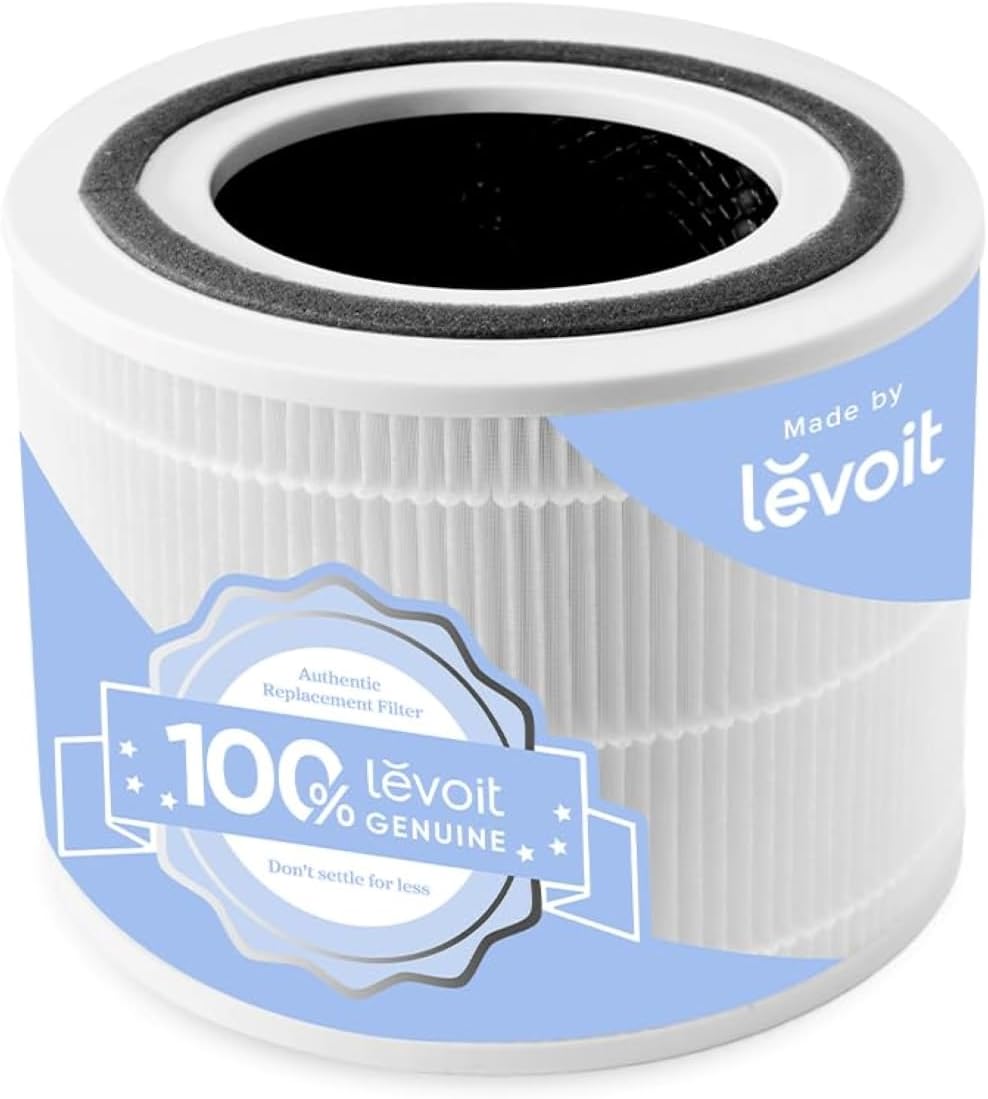
Filters are the frontline defense against mold spores in air purifiers. HEPA filters, in particular, are highly effective at trapping even microscopic mold spores. However, the effectiveness of these filters diminishes over time, and clogged filters can become a problem.
When filters become saturated with trapped particles, including mold spores, they can lose their efficiency. If left unchanged, the trapped moisture and organic matter within the filter can actually support mold growth. This highlights the critical importance of regular filter replacement.
Moisture: The Unseen Mold Enabler
Mold requires moisture to grow. Air purifiers, especially those with humidifying functions or those placed in humid environments, can inadvertently become sources of moisture. If condensation forms inside the unit or if a humidifier component malfunctions, it creates the perfect conditions for mold.
Even without humidifiers, a dirty unit can trap enough ambient moisture to support mold. Ensuring your air purifier operates in a relatively dry environment and is kept clean is paramount. We’ll delve into specific cleaning steps later.
Signs Your Air Purifier Might Be Spreading Mold
Recognizing the warning signs is crucial for early intervention. Musty odors emanating from the unit are a common indicator. You might also notice visible mold growth on the exterior or interior components, though this is less common if the unit is regularly maintained.
Another sign could be a worsening of allergy or asthma symptoms, particularly those related to mold exposure. If you’ve recently increased your use of the air purifier and your symptoms have escalated, it’s worth investigating the unit itself.
Essential Maintenance for Mold-Free Operation
Regular, thorough maintenance is the most effective way to prevent your air purifier from spreading mold. This involves cleaning the unit and replacing filters according to the manufacturer’s recommendations. Neglecting these steps is where the risk lies.
Adhering to a strict maintenance schedule ensures that captured mold spores are removed and that no moisture or organic material accumulates to support growth. Let’s break down the key maintenance tasks.
Filter Replacement Schedule
The most critical maintenance task is replacing your air purifier’s filters on time. Most manufacturers provide guidelines based on usage hours or environmental conditions. For areas with high mold prevalence, more frequent replacement might be necessary.
Always use genuine replacement filters recommended by the manufacturer. Non-genuine filters may not fit correctly or trap particles as effectively, potentially leading to issues. Check your owner’s manual for specific recommendations.
Cleaning the Air Purifier Unit
Beyond filter replacement, the physical unit needs regular cleaning. This typically involves wiping down the exterior and cleaning the pre-filter, if your model has one. A damp cloth is usually sufficient for the exterior, but ensure the unit is unplugged.
For the interior, especially around the fan and housing, gentle cleaning with a vacuum cleaner attachment or a slightly damp cloth can remove accumulated dust and debris. Always ensure the unit is completely dry before reassembling and plugging it back in.
Preventing Mold Growth: Proactive Steps
Beyond routine maintenance, several proactive steps can further safeguard your home against mold spread by air purifiers. These involve managing your environment and being mindful of the purifier’s placement and operation.
Consider the humidity levels in your home. If your home is consistently humid, addressing the underlying cause of the moisture is essential for overall mold prevention, including within your air purifier.
Managing Home Humidity Levels
High humidity is a primary driver of mold growth. Aim to keep indoor humidity levels between 30% and 50%. Using a dehumidifier in particularly damp areas like basements or bathrooms can significantly reduce the risk of mold.
Proper ventilation is also key. Opening windows when outdoor air is drier, using exhaust fans in kitchens and bathrooms, and ensuring good airflow throughout your home can help manage moisture.
Proper Air Purifier Placement
Where you place your air purifier can also impact its performance and potential for mold. Avoid placing it in overly humid or damp areas, such as directly in bathrooms or near leaky pipes. Ensure there is adequate space around the unit for proper airflow.
Placing the air purifier in a central location within a room can maximize its effectiveness in capturing airborne particles, including mold spores. Avoid blocking the air intake or outlet vents.
When to Consider Professional Help
If you suspect your air purifier has a mold issue or if you’re struggling to manage mold in your home, seeking professional help is a wise decision. Mold remediation specialists can identify the source of mold and provide effective solutions.
For persistent musty odors or visible mold growth within your purifier that you can’t resolve, consulting the manufacturer’s support or a qualified appliance repair technician might be necessary. Don’t hesitate to seek expert advice.
Choosing the Right Air Purifier for Mold Control
When selecting an air purifier, look for models equipped with a true HEPA filter, which is certified to capture 99.97% of airborne particles as small as 0.3 microns. This includes most mold spores. Some units also feature activated carbon filters, which can help eliminate musty odors associated with mold.
Consider units with features like filter replacement indicators, which help ensure you don’t miss crucial maintenance. Researching different brands and their effectiveness in mold control is also beneficial.
Can Air Purifier Spread Mold? A Summary of Safety
In conclusion, an air purifier does not inherently spread mold. It is a tool designed to remove mold spores from your air. The risk of spreading mold arises from improper maintenance, neglect, or placement in excessively humid environments.
By diligently following manufacturer guidelines for filter replacement and cleaning, managing home humidity, and choosing appropriate models, you can ensure your air purifier remains a valuable ally in creating a healthier living space, free from the concerns of mold contamination.
Frequently Asked Questions
Can an air purifier with a HEPA filter spread mold?
No, a HEPA filter is designed to trap mold spores. However, if the HEPA filter becomes saturated and is not replaced, it could potentially become a breeding ground for mold if conditions are right.
How often should I clean my air purifier to prevent mold?
It’s recommended to clean the exterior and accessible interior parts, including the pre-filter if applicable, at least once a month. Always refer to your specific model’s manual for detailed cleaning instructions.
What are the signs that my air purifier might have mold?
A musty or damp odor coming from the unit is a primary sign. Visible mold growth on the unit or a worsening of allergy symptoms after using the purifier can also indicate a problem.
Can leaving an air purifier on all the time cause mold?
Leaving an air purifier on continuously does not directly cause mold. However, if the unit is not maintained and moisture accumulates, continuous operation could contribute to circulating spores from a contaminated unit.
Is it safe to use an air purifier in a damp basement?
While an air purifier can help with airborne mold spores in a basement, it’s crucial to address the underlying moisture issue. If the basement is excessively damp, the air purifier itself could become a source of moisture, potentially leading to mold growth within the unit. Consider using a dehumidifier alongside your air purifier in such environments.
What should I do if I suspect mold in my air purifier?
If you suspect mold, immediately unplug the unit. Carefully inspect the filters and interior components. If you see visible mold, it’s best to replace the filters and clean the unit thoroughly with a mild disinfectant. If the mold is extensive or you’re unsure, consult the manufacturer or a professional.
Are there specific types of air purifiers better for mold control?
Air purifiers with true HEPA filters are excellent for capturing mold spores. Units with activated carbon filters can also help neutralize mold-related odors. Look for models with good airflow (CADR) ratings for the size of your room.