
Whats Better A Humidifier Or Air Purifier: Essential Guide

Choosing between a humidifier and an air purifier depends on your specific needs. A humidifier adds moisture to dry air, while an air purifier removes pollutants. Understanding their distinct functions is key to deciding whats better a humidifier or air purifier for your home’s comfort and health.
Whats Better A Humidifier Or Air Purifier: Your Essential Guide
Many people wonder about the best way to improve their home’s air quality. You might feel that the air is too dry, or perhaps you’re worried about dust and allergens. It’s a common puzzle: whats better a humidifier or air purifier for your situation? Both devices offer significant benefits, but they tackle different problems. This guide will clearly explain what each does. We will help you figure out which one, or maybe even both, you truly need. Let’s explore how to create a healthier and more comfortable living space.
Understanding the Core Functions: Humidifier vs. Air Purifier
A humidifier’s main job is to increase the moisture level in your indoor air. It does this by releasing water vapor or steam. This is especially helpful in dry climates or during winter months when heating systems can strip moisture from the air. An air purifier, on the other hand, focuses on removing contaminants from the air. It uses filters to trap particles like dust, pollen, pet dander, and smoke.
How a Humidifier Works to Improve Your Air
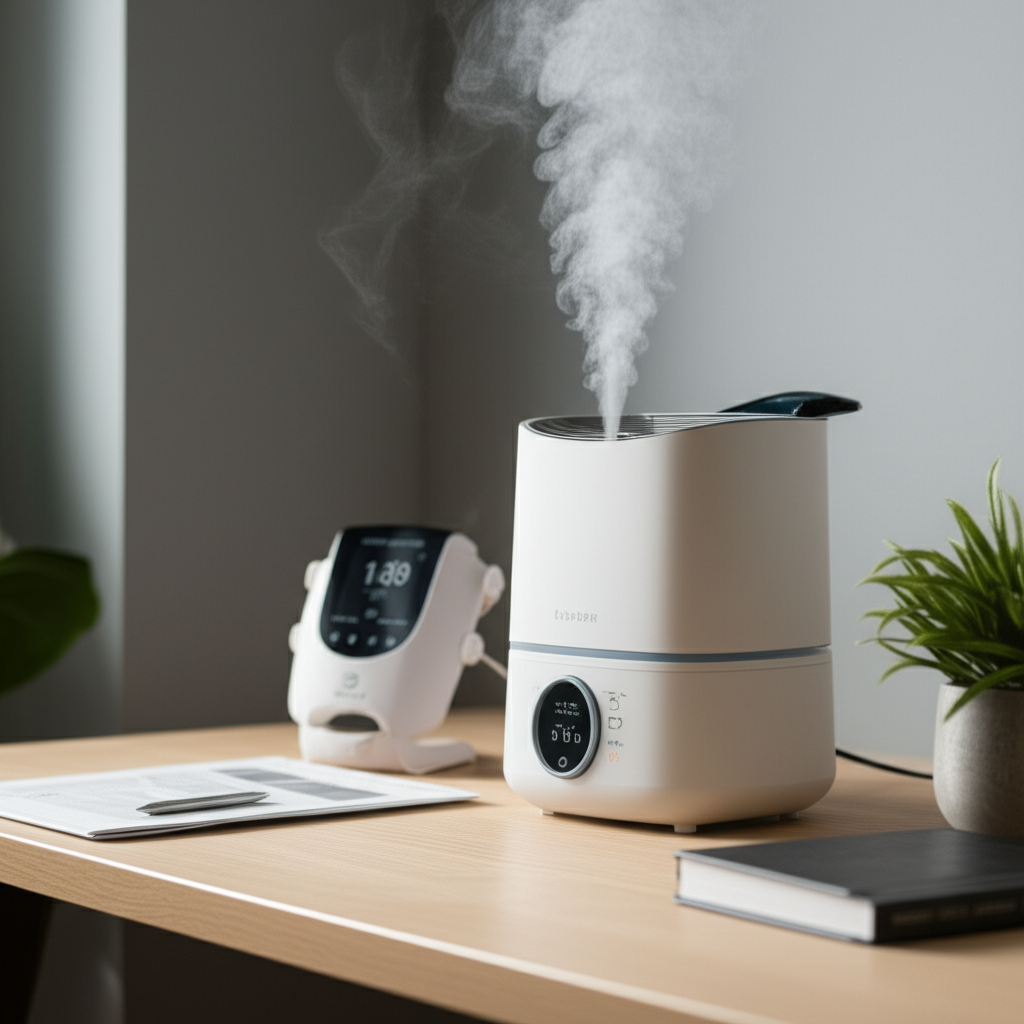
Humidifiers work by adding water vapor to the air. This can be done through cool mist, warm mist, or ultrasonic technology. Cool mist humidifiers are often safer for homes with children. Warm mist humidifiers boil water, which can kill bacteria and offer a comforting warmth. Ultrasonic humidifiers use vibrations to create a fine mist.
Cool Mist Humidifiers: Use a wick or fan to release moisture.
Warm Mist Humidifiers: Heat water to create steam.
Ultrasonic Humidifiers: Use high-frequency vibrations.
These devices are excellent for alleviating symptoms associated with dry air, such as dry skin, sore throats, and nasal congestion. They can also help protect wooden furniture and musical instruments from cracking.
How an Air Purifier Works to Clean Your Air
Air purifiers use various filtration systems to clean your indoor air. The most common type is a HEPA filter, which captures 99.97% of particles as small as 0.3 microns. Other systems might include activated carbon filters for odors or UV-C light for killing germs. These units draw in air, pass it through their filters, and then release cleaner air back into the room.
HEPA Filters: Capture tiny particles like dust and pollen.
Activated Carbon Filters: Absorb odors and gases.
Pre-filters: Trap larger particles like hair.
Air purifiers are beneficial for people with allergies, asthma, or respiratory sensitivities. They can significantly reduce the presence of airborne irritants in your home.
When to Choose a Humidifier: Addressing Dry Air Issues
You should consider a humidifier if you experience symptoms of dry air. This often happens in winter or in arid regions. Dry air can lead to chapped lips, dry skin, and irritated sinuses. It can also make you more susceptible to colds and the flu.
The ideal indoor humidity level is typically between 30% and 50%. When humidity drops below this range, a humidifier can bring it back into balance. This creates a more comfortable environment for breathing and sleeping.
Benefits of Using a Humidifier
Humidifiers offer several advantages for your health and home. They can soothe dry, itchy skin and reduce static electricity. For those who suffer from dry nasal passages or a sore throat, a humidifier provides much-needed relief. It can also help alleviate coughs and congestion, making it easier to breathe.
Moisturizes skin and lips.
Relieves dry throat and nasal passages.
Reduces static electricity.
Helps plants thrive.
A study published in the Journal of the American Society of Heating, Refrigerating and Air-Conditioning Engineers (ASHRAE) noted that maintaining optimal humidity levels can impact occupant comfort and perceived air quality.
Signs Your Home Needs a Humidifier
Several signs indicate your home might be too dry. You may notice increased static shocks when touching metal objects or your pets. Your skin might feel dry and itchy, and your lips could become chapped. If you wake up with a dry throat or nose, a humidifier could be the solution.
Frequent static shocks.
Dry, flaky skin.
Chapped lips.
Sore throat upon waking.
Cracked wooden furniture.
These symptoms suggest that adding moisture to your air would be beneficial.
When to Choose an Air Purifier: Tackling Air Pollution
An air purifier is the right choice if your primary concern is airborne pollutants. This includes dust, pollen, pet dander, mold spores, and smoke. These particles can trigger allergies, asthma, and other respiratory problems. Air purifiers actively remove these irritants from your living space.
If you live in an area with high outdoor pollution, have pets, or suffer from allergies, an air purifier can make a big difference. It helps create a cleaner, healthier breathing environment for everyone.
Benefits of Using an Air Purifier
The primary benefit of an air purifier is cleaner air. By removing allergens and pollutants, it can significantly reduce allergy and asthma symptoms. It also helps eliminate unpleasant odors from cooking, pets, or smoke. For many, this leads to better sleep and overall improved well-being.
Reduces allergy and asthma symptoms.
Eliminates odors.
Traps airborne pathogens.
Improves sleep quality.
According to the Environmental Protection Agency (EPA), indoor air can be two to five times more polluted than outdoor air, making air purifiers a valuable tool for improving indoor air quality.
Signs Your Home Needs an Air Purifier
You might need an air purifier if you notice a persistent layer of dust on surfaces. If you or family members suffer from allergies, sneezing, or a runny nose, especially indoors, it’s a strong indicator. Lingering cooking smells, pet odors, or smoke can also point to the need for an air purifier.
Constant dust accumulation.
Frequent allergy symptoms.
Unpleasant odors.
Smoke or pet smells.
Worsening asthma symptoms.
These are all signs that your air contains unwanted particles.
Direct Comparison: Humidifier vs. Air Purifier
Lets break down the key differences. A humidifier adds moisture, while an air purifier removes impurities. They serve distinct purposes but can both contribute to a healthier home environment. Think of it this way: a humidifier makes the air feel more comfortable by adjusting its moisture content, while an air purifier makes the air cleaner by removing unwanted particles.
| Feature | Humidifier | Air Purifier |
| :————- | :—————————————— | :———————————————- |
| Primary Goal | Increase indoor humidity levels | Remove airborne pollutants and allergens |
| How it Works | Releases water vapor into the air | Filters air to trap particles and odors |
| Best For | Dry air, chapped skin, sore throats | Allergies, asthma, pet dander, smoke, odors |
| Main Benefit | Comfort, relief from dryness | Cleaner air, reduced irritants |
| Maintenance | Refilling water tank, cleaning for mold | Replacing filters regularly |
Choosing between them depends entirely on your main concern.
Can You Use a Humidifier and Air Purifier Together?
Yes, you can absolutely use a humidifier and an air purifier at the same time. In fact, for many people, this combination offers the most comprehensive solution for improving indoor air quality. An air purifier cleans the air of irritants, while a humidifier ensures the air is at a comfortable moisture level. This is particularly effective for individuals with severe allergies or respiratory conditions.
Using both devices can create an optimal indoor environment. The purifier tackles allergens and pollutants, and the humidifier prevents the air from becoming too dry, which can worsen some respiratory issues. This dual approach supports overall health and comfort.
Key Factors to Consider When Buying
When deciding between a humidifier and an air purifier, or considering both, think about your specific needs. What are you trying to solve? Are you dealing with dry skin and static, or are you sneezing constantly from dust and pollen? Your budget, the size of the room, and the maintenance involved are also important factors.
Consider the noise level of the device, especially if it will be in a bedroom. Also, look at the energy efficiency and the cost of replacement filters or maintenance. These practical aspects will influence your long-term satisfaction.
Room Size and Coverage
Both humidifiers and air purifiers come in different sizes, designed for specific room dimensions. It’s crucial to select a unit that is appropriately sized for the space you intend to use it in. An undersized unit will not be effective, while an oversized one might be unnecessarily expensive and noisy.
Always check the manufacturer’s recommendations for square footage coverage. For larger homes, you might need multiple units or a whole-house system. This ensures consistent results throughout your living space.
Maintenance and Cost
The ongoing maintenance and cost are significant considerations. Humidifiers require regular cleaning to prevent mold and bacteria growth. They also need water refills. Air purifiers need their filters replaced periodically, which can be an ongoing expense.
Humidifier Maintenance: Daily cleaning, weekly deep clean, water refills.
Air Purifier Maintenance: Filter replacement (every 6-12 months typically), occasional cleaning of pre-filters.
Factor these recurring costs and efforts into your decision.
Top Brands and Models to Consider
Several reputable brands offer excellent humidifiers and air purifiers. For humidifiers, brands like Honeywell, Levoit, and Dyson are popular choices. For air purifiers, Coway, Blueair, and Winix are highly rated. When researching, look for units with HEPA filters for air purifiers and adjustable humidity settings for humidifiers.
It’s wise to read reviews and compare features before making a purchase. Websites like Wirecutter or Consumer Reports often provide in-depth testing and recommendations. These resources can help you find a reliable product that fits your needs and budget.
Frequently Asked Questions (FAQ)
What is the main difference between a humidifier and an air purifier?
A humidifier adds moisture to dry air, while an air purifier removes pollutants like dust and allergens from the air. They address different air quality issues.
Can I use a humidifier and an air purifier in the same room?
Yes, you can use them together. This combination can provide both comfortable humidity levels and cleaner air, which is often ideal for health.
Which is better for allergies: a humidifier or an air purifier?
An air purifier is generally better for allergies because it removes allergens like pollen, dust mites, and pet dander. A humidifier might help with dry nasal passages, but it doesn’t remove allergens.
How often do I need to clean a humidifier?
You should clean a humidifier regularly, ideally daily or every few days, to prevent mold and mineral buildup. A weekly deep clean is also recommended.
How often do air purifier filters need to be replaced?
Air purifier filters typically need replacement every 6 to 12 months, depending on the model and the air quality in your home. Some pre-filters are washable.
Will a humidifier help with my dry, itchy skin?
Yes, increasing the humidity in your home with a humidifier can help alleviate dry, itchy skin by keeping it moisturized.
Can a humidifier make my room feel colder?
Cool mist humidifiers can sometimes make a room feel slightly cooler due to evaporation. Warm mist humidifiers add a bit of warmth.
Conclusion: Making the Right Choice for Your Home
So, whats better a humidifier or air purifier? The answer truly depends on your home’s specific needs. If dry air is causing discomfort, a humidifier is your solution. If you’re battling dust, pollen, or other airborne irritants, an air purifier is the way to go. For the most comprehensive improvement in indoor air quality, using both devices can offer the best of both worlds.
By understanding their distinct roles and considering your personal health concerns, you can make an informed decision. Creating a comfortable and healthy living environment is achievable with the right tools. Consider your symptoms and environment carefully to pick the best device for you.
