
What’s a Good Air Purifier: Your Essential Guide

A good air purifier effectively cleans your indoor air by removing pollutants like dust, pollen, smoke, and pet dander. Key features to look for include HEPA filtration, adequate CADR for your room size, and low noise levels. Choosing the right one depends on your specific needs, budget, and the types of contaminants you want to address.
What’s a Good Air Purifier: Your Essential Guide
Are you wondering what makes an air purifier truly good? Many people struggle with indoor air quality, experiencing allergies, stuffy noses, or lingering odors. It can feel overwhelming to pick the right one from so many options. This guide will walk you through everything you need to know. We’ll cover what to look for, how they work, and how to find the best fit for your home.
Why Clean Indoor Air Matters So Much
Indoor air can be surprisingly polluted. Common household activities release particles into the air. Cooking, cleaning products, and even furniture can all contribute to poor air quality. This can affect your health, especially if you have allergies or asthma. Improving your air quality can lead to better sleep and fewer health issues.
How Air Purifiers Work to Clean Your Air
Air purifiers work by drawing in air and passing it through a series of filters. These filters trap tiny particles, making the air cleaner. Some purifiers also use other technologies to neutralize odors or kill germs. Understanding the basic mechanism helps you appreciate their benefits.
The Core Components of an Effective Air Purifier
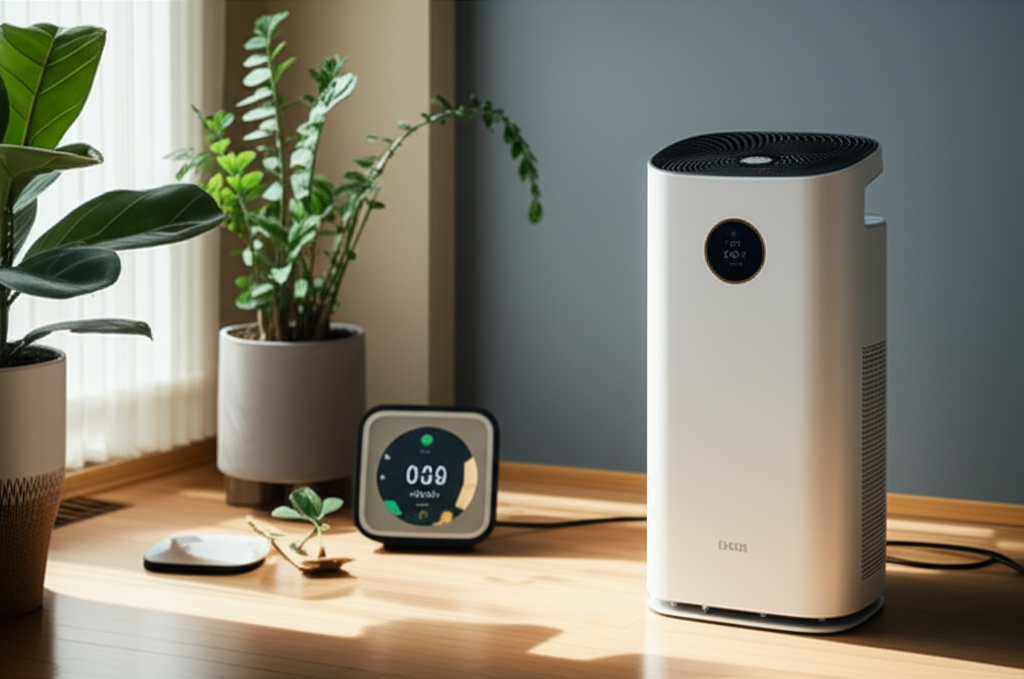
A good air purifier has several key parts. The fan pulls air in, and filters clean it. The housing protects these components. Some models also have sensors and control panels. Each part plays a role in delivering cleaner air to your home.
Fan: This moves the air through the purifier.
Filter System: This is where the magic happens, trapping pollutants.
Housing: This is the outer shell that holds everything together.
Control Panel: This allows you to adjust settings.
Understanding Air Purifier Filter Types
Different filters target different pollutants. The most common and effective is the HEPA filter. Pre-filters catch larger particles like hair. Activated carbon filters tackle odors and gases. Some purifiers use UV-C light to kill bacteria and viruses. Knowing these types helps you choose what you need.
HEPA (High-Efficiency Particulate Air) Filters: These capture at least 99.97% of airborne particles 0.3 microns in size. This includes dust, pollen, mold spores, and pet dander. They are essential for allergy and asthma sufferers.
Activated Carbon Filters: These porous filters absorb odors, smoke, and volatile organic compounds (VOCs). They are great for homes with pets, smokers, or strong cooking smells.
Pre-filters: These washable filters capture larger particles like pet hair and lint. They help extend the life of the main HEPA filter.
UV-C Light: Some purifiers use ultraviolet light to kill germs. However, their effectiveness can vary, and some people are sensitive to ozone produced by these lamps.
What to Look for in a Good Air Purifier
When searching for whats a good air purifier, several factors stand out. You need to consider the size of your room and the types of pollutants you want to remove. Performance metrics are also very important. Don’t forget about ongoing costs like filter replacements.
HEPA Filtration: The Gold Standard for Clean Air
A True HEPA filter is non-negotiable for effective air purification. This certification means the filter meets strict standards for removing microscopic particles. Without it, an air purifier might not capture the allergens and irritants you’re trying to avoid. Always look for the “True HEPA” label.
CADR: Measuring How Well It Cleans
CADR stands for Clean Air Delivery Rate. It measures how quickly an air purifier can clean a room of smoke, dust, and pollen. A higher CADR means faster cleaning. You need a CADR rating that matches your room size. For example, a CADR of 200 is good for a medium-sized room.
Room Size and Coverage Area: A Crucial Match
Air purifiers are rated for specific room sizes. Using a purifier in a room that’s too large will make it work harder and be less effective. Always check the manufacturer’s recommended room size. It’s often better to get a unit rated for a slightly larger space than you need.
Noise Levels: Keeping Your Peace
Air purifiers have fans, and fans make noise. Some are very quiet, especially on lower settings. Others can be quite loud, like a small fan or even a vacuum cleaner. Check the decibel (dB) rating for different fan speeds. A quiet unit is essential for bedrooms or living areas.
Filter Replacement Costs and Availability
Filters don’t last forever. You’ll need to replace them regularly, usually every 6-12 months. Check the cost of replacement filters before you buy. Also, ensure the filters are readily available. High ongoing costs can make an otherwise good air purifier less appealing.
Top Features That Make an Air Purifier Stand Out
Beyond the basics, some advanced features enhance the user experience. Smart features can offer convenience. Specialized filters can target specific problems. Consider what extras would make your life easier.
Smart Features and Connectivity
Many modern air purifiers connect to your Wi-Fi. You can control them with your smartphone. Apps can show you air quality levels. They can also alert you when it’s time to change a filter. This convenience can be very helpful.
Air Quality Sensors and Auto Mode
Good air purifiers have sensors that detect pollution levels. They automatically adjust the fan speed based on air quality. This means you don’t have to constantly monitor it. The purifier works efficiently when needed and quietly when the air is clean.
Specialized Filters for Specific Needs
Some purifiers offer specialized filters. These can target specific issues like strong pet odors or VOCs from new furniture. If you have a particular concern, look for a model designed to address it. This can make a big difference.
What’s a Good Air Purifier for Allergies and Asthma?
For allergy and asthma sufferers, a good air purifier is a must-have. The primary focus should be on HEPA filtration. These filters capture the tiny allergens that trigger symptoms. Look for units with a high CADR for rapid cleaning.
True HEPA Filter: Absolutely essential for capturing microscopic allergens like pollen, dust mites, and pet dander.
High CADR: Ensures quick removal of allergens from the air, especially during peak allergy seasons.
Sealed System: A good purifier has a sealed system so air can’t leak around the filter. This guarantees all air passes through the filter.
Activated Carbon Filter: Helps remove odors and irritants that can worsen respiratory issues.
A study by the U.S. Environmental Protection Agency (EPA) highlights that air cleaners can reduce indoor air pollutants when used correctly. For severe allergies, consider a unit with a very high CADR and consider placing them in bedrooms.
What’s a Good Air Purifier for Pet Owners?
Pet owners face unique challenges with dander and odors. A good air purifier for pets needs robust filtration. It must handle both the solid particles (dander) and the smells.
Pre-filter: Crucial for capturing pet hair and larger dander particles.
True HEPA Filter: Captures the smaller dander particles that cause allergic reactions.
Activated Carbon Filter: Essential for absorbing pet odors. Look for a substantial amount of carbon for better odor control.
High Airflow (CADR): Pets can shed a lot, so a higher CADR is beneficial for faster cleaning.
Many users report significant improvements in pet-related allergies and odors with the right air purifier. For example, a user in a forum mentioned their “home smells so much fresher after getting an air purifier with a good carbon filter, especially after the dog has been inside.”
What’s a Good Air Purifier for Smoke and Odors?
If you deal with smoke (from cooking, fireplaces, or cigarettes) or strong odors, an activated carbon filter is your best friend. These filters absorb odor molecules. The more carbon an air purifier has, the better it will be at tackling persistent smells.
Large Activated Carbon Filter: This is the most important feature for smoke and odor removal.
True HEPA Filter: Still necessary to remove the particulate matter associated with smoke.
High CADR for Smoke: Smoke particles are very small, so a good CADR is important for quick removal.
For persistent smoke odors, consider air purifiers specifically marketed for smoke. They often have thicker carbon filters. Some sources suggest that a minimum of 2 pounds of activated carbon is ideal for effective odor removal.
Choosing the Right Size: A Simple Guide
Selecting the correct size air purifier is vital for its effectiveness. Manufacturers usually provide coverage areas in square feet. It’s wise to match the purifier’s capacity to your room size.
Here’s a general guideline based on CADR:
| Room Size (sq ft) | Recommended CADR (Smoke) |
| :—————- | :———————– |
| 100-200 | 100-150 |
| 200-300 | 150-200 |
| 300-400 | 200-250 |
| 400-500 | 250-300+ |
Note: These are general recommendations. Always check the manufacturer’s specific ratings.
A purifier that is too small will run constantly without fully cleaning the air. One that’s too large might be overkill and unnecessarily expensive. Always check the specifications.
Popular Air Purifier Brands and Models to Consider
While I can’t recommend specific models as they change frequently, some brands consistently perform well. Researching these brands can give you a good starting point. Look for reviews that focus on performance, durability, and customer satisfaction.
Coway: Known for effective HEPA filters and sleek designs.
Blueair: Often praised for quiet operation and Scandinavian design.
Levoit: Offers a good balance of performance and affordability.
Winix: Frequently includes plasma wave technology (which can be turned off) and good multi-stage filtration.
Honeywell: A long-standing brand with reliable options.
Always check recent reviews and specifications for the latest models from these and other reputable brands. The Consumer Reports website often provides independent testing and reviews of air purifiers.
Maintenance: Keeping Your Air Purifier Working Well
Proper maintenance ensures your air purifier continues to deliver clean air. This primarily involves cleaning and replacing filters. Neglecting this can reduce efficiency and even damage the unit.
Clean Pre-filters: Washable pre-filters should be cleaned monthly.
Replace HEPA and Carbon Filters: Follow the manufacturer’s recommendations, typically every 6-12 months.
Wipe Down the Unit: Keep the exterior clean to ensure proper airflow.
Check for Obstructions: Make sure the air intake and outlet are not blocked.
Regular maintenance is key to maximizing the lifespan and effectiveness of your air purifier. It’s a small effort for a big reward in air quality.
Frequently Asked Questions About Air Purifiers
Q1: How often should I run my air purifier?
You can run your air purifier continuously, especially if you have allergies or live in a polluted area. Most units are energy-efficient on lower settings. Continuous use ensures the air in your home stays cleaner all the time.
Q2: Can air purifiers help with COVID-19?
Air purifiers with HEPA filters can help reduce airborne virus particles, including coronaviruses, in indoor spaces. They are a good addition to other prevention methods like ventilation and mask-wearing. The EPA recommends using HEPA filters for this purpose.
Q3: Do air purifiers produce ozone?
Some types, particularly those with UV-C lights or ionizers, can produce small amounts of ozone. Ozone can irritate the lungs. If you are sensitive, choose a purifier that avoids these technologies or allows you to turn them off. True HEPA filters do not produce ozone.
Q4: How do I know if my air purifier is working?
You should notice a reduction in dust settling on surfaces. If you have allergies, you might experience fewer symptoms. Many purifiers have indicator lights or app readouts showing air quality improvements. The air should also smell fresher.
Q5: Are expensive air purifiers always better?
Not necessarily. While premium models often have more features and better build quality, many mid-range and even budget-friendly units can be very effective. Focus on key features like True HEPA filtration and appropriate CADR for your space. Always read reviews.
Q6: Can an air purifier remove VOCs?
Yes, air purifiers with activated carbon filters are effective at removing VOCs (Volatile Organic Compounds). VOCs come from paints, cleaning supplies, and new furniture. A substantial carbon filter is needed for significant VOC reduction.
Conclusion: Finding Your Perfect Air Purifier
Choosing whats a good air purifier involves understanding your needs and the technology. Prioritize True HEPA filtration for health concerns. Match the CADR and room size for optimal performance. Consider activated carbon for odors and smoke. Don’t forget about ongoing filter costs and noise levels. By focusing on these key factors, you can find an air purifier that significantly improves your home’s air quality. Take control of your indoor environment for a healthier, more comfortable living space.
