
Premier One UV Germicidal Air Purifier Reviews: Essential Clean

Premier One UV germicidal air purifier reviews reveal an essential clean for your home, tackling airborne contaminants with advanced UV-C technology. This guide explores their effectiveness, features, and real-world performance, helping you decide if they’re the right choice for a healthier living space.
Airborne particles and invisible germs can make your home feel less safe. You might worry about allergies, sickness spreading, or just the general freshness of your air. It’s a common frustration when you can’t see what’s making you sneeze or feel unwell. But what if there was a way to actively fight these invisible threats? This article dives deep into Premier One UV germicidal air purifiers, offering honest premier one uv germicidal air purifier reviews to help you achieve that essential clean. We’ll explore how they work, what makes them stand out, and whether they’re the right fit for your family.
What is a UV Germicidal Air Purifier?
A UV germicidal air purifier uses ultraviolet (UV-C) light to kill or inactivate microorganisms like bacteria, viruses, and mold spores. As air passes through the purifier, it’s exposed to this powerful UV-C light. This light damages the DNA or RNA of these tiny living things, preventing them from reproducing and causing harm. It’s like a silent guardian for your air, working continuously to make it cleaner.
This technology is a powerful addition to your home’s air quality efforts. It targets the microscopic threats that traditional filters might miss. By neutralizing these pathogens, it contributes to a healthier indoor environment for everyone.
How Does Premier One’s UV Technology Work?
Premier One air purifiers incorporate UV-C lamps designed to neutralize airborne pathogens. Air is drawn into the unit and passed over these lamps. The UV-C light disrupts the genetic material of viruses, bacteria, and mold. This inactivation process helps reduce the concentration of harmful microorganisms in your living space.
The effectiveness of UV-C light depends on factors like exposure time and intensity. Premier One units are engineered to provide sufficient exposure for effective germicidal action. This ensures that the air passing through is treated to reduce microbial load.
Key Features of Premier One UV Germicidal Air Purifiers
Premier One units often boast multiple stages of filtration, including pre-filters, HEPA filters, and activated carbon filters. The UV-C germicidal lamp is a crucial component in their multi-layered approach to air purification. Many models also feature quiet operation, energy efficiency, and user-friendly controls. Some may include smart features like air quality sensors and app connectivity.
These features work together to provide comprehensive air cleaning. The combination of physical filtration and UV-C germicidal treatment offers robust protection against a wide range of airborne contaminants.
Premier One UV Air Purifier Models: A Comparison
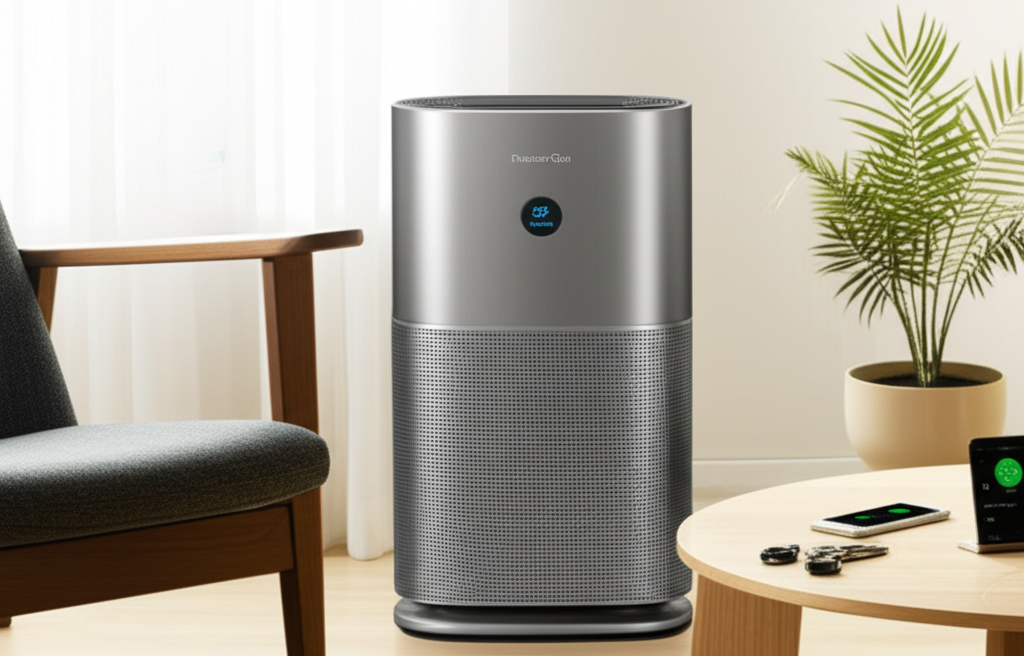
To help you choose, let’s look at some common Premier One models and their features. This comparison focuses on key aspects relevant to germicidal air purification.
| Model Name | Coverage Area (Sq. Ft.) | CADR (Clean Air Delivery Rate) | UV-C Lamp Wattage | Filter Types | Additional Features |
| :—————— | :———————- | :—————————– | :—————- | :—————————————– | :————————————————- |
| Premier One AP300 | Up to 500 | Varies by pollutant | 15W | Pre-filter, HEPA, Activated Carbon, UV-C | Quiet operation, 3 fan speeds, filter change indicator |
| Premier One AP500 | Up to 1000 | Varies by pollutant | 25W | Pre-filter, HEPA, Activated Carbon, UV-C | Auto mode, air quality sensor, sleep mode |
| Premier One AP700 | Up to 1500 | Varies by pollutant | 35W | Medical-grade HEPA, Activated Carbon, UV-C | Wi-Fi enabled, app control, multi-stage indicator |
This table highlights the differences in capacity and features. Choosing the right model depends on your room size and specific air purification needs.
Real-World Performance: What Users Say
User feedback on Premier One UV germicidal air purifiers often praises their effectiveness in reducing odors and allergens. Many users report fewer allergy symptoms and a noticeable difference in air freshness. Some reviews mention the peace of mind that comes with knowing the UV-C light is actively neutralizing germs. The quiet operation is also frequently highlighted as a positive attribute, especially for use in bedrooms.
Of course, some users note that the UV-C effectiveness is hard to measure directly without specialized equipment. However, the overall satisfaction with the cleaner air experienced is a strong indicator of performance.
Expert Opinions on UV-C Air Purification
Experts generally agree that UV-C light can be an effective tool for inactivating airborne pathogens. According to the U.S. Environmental Protection Agency (EPA), UV light can be used to disinfect air. When used in air purification systems, it can supplement other filtration methods. The key is proper design and sufficient exposure time to ensure efficacy.
Leading researchers emphasize that UV-C germicidal irradiation is a proven technology for killing germs. When integrated into air purifiers, it offers an additional layer of protection against viruses and bacteria.
Pros and Cons of Premier One UV Germicidal Air Purifiers
Premier One UV germicidal air purifiers offer several advantages, but it’s also important to consider potential drawbacks. Understanding these can help you make an informed decision about whether this type of purifier is right for your home.
Pros:
Germicidal Action: Effectively inactivates viruses, bacteria, and mold spores.
Odor Reduction: Activated carbon filters help remove smells.
Allergen Capture: HEPA filters trap tiny particles like pollen and dust.
Quiet Operation: Many models are designed for minimal noise disruption.
Comprehensive Purification: Combines multiple technologies for cleaner air.
Cons:
UV Bulb Replacement: The UV-C bulb needs periodic replacement, adding to ongoing costs.
Limited Scope for Ozone: While effective, UV-C systems can sometimes produce trace amounts of ozone, though modern units minimize this.
No Particle Removal: UV-C primarily inactivates; it doesn’t physically remove dead particles. These still need HEPA filtration.
The benefits of germicidal action are significant for health-conscious individuals. However, remembering to maintain the unit, including bulb replacement, is crucial.
Installation and Maintenance Guide
Setting up your Premier One UV germicidal air purifier is usually straightforward. Most units come with simple instructions. You’ll typically plug it in, select your desired fan speed, and ensure the filters are correctly installed. Some models may require an initial setup via a smartphone app.
Maintenance is key to keeping your purifier working its best. This includes regularly cleaning or replacing the pre-filter to catch larger particles. The HEPA and carbon filters will also need replacement according to the manufacturer’s recommendations, usually every 6-12 months. The UV-C bulb itself has a lifespan and will need to be replaced, typically annually. Check your specific model’s manual for exact schedules.
Is a UV Germicidal Air Purifier Worth It?
For those concerned about airborne pathogens, allergies, or simply wanting the cleanest possible air, a UV germicidal air purifier can be a valuable investment. It provides an extra layer of defense beyond traditional filtration. The peace of mind knowing that viruses and bacteria are being inactivated can be significant, especially for families with young children or elderly members.
The decision hinges on your specific needs and budget. If you’re looking for advanced protection against microscopic threats and are prepared for the ongoing maintenance, a Premier One UV germicidal air purifier is definitely worth considering.
Frequently Asked Questions
What is the main benefit of a UV germicidal air purifier?
The main benefit is its ability to kill or inactivate airborne viruses, bacteria, and mold spores, offering an extra layer of protection for your health.
How often do I need to replace the UV bulb in a Premier One air purifier?
You typically need to replace the UV bulb every 6 to 12 months, depending on the model and usage.
Can UV germicidal air purifiers produce ozone?
While UV-C light can potentially produce ozone, modern Premier One units are designed to minimize or eliminate ozone production.
Do I still need a HEPA filter if I have a UV germicidal air purifier?
Yes, you absolutely need a HEPA filter. UV-C inactivates germs, but HEPA filters physically remove particles like dust, pollen, and dander from the air.
Are Premier One air purifiers noisy?
Many Premier One models are designed for quiet operation, especially on lower fan settings.
Where is the best place to put a UV germicidal air purifier in my home?
Place it in the room where you spend the most time or where air quality concerns are highest, such as bedrooms or living areas.
Conclusion: Essential Clean with Premier One
In summary, Premier One UV germicidal air purifier reviews highlight their capability to deliver an essential clean by actively neutralizing airborne germs. These units offer a robust solution for improving indoor air quality, combining effective filtration with the germicidal power of UV-C light. They are a smart choice for anyone prioritizing health and a truly fresh living environment.
If you’re looking to enhance your home’s air purity and gain peace of mind, exploring the Premier One range is a great next step. You can find more information and specific model details on the homehygia.com website.
