
Air Purifier With UV-C Light: Essential Clean Air

An air purifier with UV-C light technology is a powerful tool for creating healthier indoor environments by inactivating airborne pathogens. This guide explores how UV-C works, its benefits, and what to consider when choosing the right unit for your home.
The air we breathe indoors can often be far more polluted than outdoor air, harboring a mix of allergens, viruses, bacteria, and other harmful particles. This can lead to respiratory issues, allergies, and general discomfort, impacting our well-being and productivity. You might be wondering if there’s a more effective solution to ensure the air in your home is truly clean and safe for everyone. Fortunately, advancements in air purification technology offer promising answers, with one notable innovation being the integration of UV-C light. This guide will walk you through everything you need to know about an air purifier with UV-C light technology, helping you make an informed decision for a healthier home.
What is an Air Purifier with UV-C Light Technology?
An air purifier with UV-C light technology is a device designed to clean indoor air by combining traditional filtration methods with the germicidal power of ultraviolet-C (UV-C) light. It works by drawing in contaminated air, passing it through a series of filters to capture particles, and then exposing the air to UV-C light. This light disrupts the DNA of microorganisms, rendering them unable to reproduce and spread.
How UV-C Light Works to Purify Air
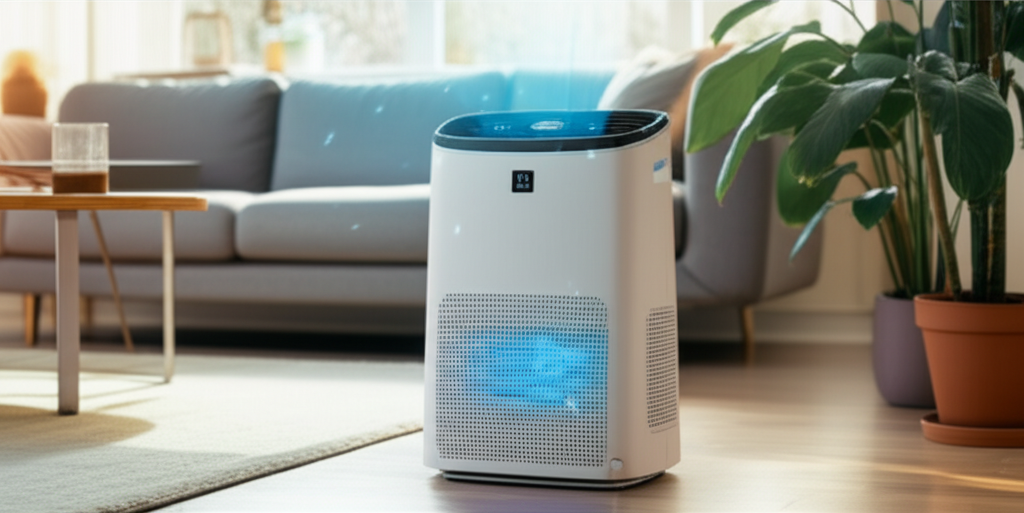
UV-C light is a specific wavelength of ultraviolet radiation that is highly effective at inactivating a wide range of airborne pathogens. When microorganisms like viruses, bacteria, and mold spores are exposed to UV-C light, the radiation damages their genetic material (DNA and RNA). This damage prevents them from multiplying and causing harm, effectively neutralizing them.
The Science Behind UV-C Germicidal Effectiveness
The germicidal effectiveness of UV-C light is well-documented in scientific literature. According to the Centers for Disease Control and Prevention (CDC), UV germicidal irradiation (UVGI) has been used for decades to disinfect air and surfaces. The key is the specific wavelength, typically around 254 nanometers, which is optimally absorbed by the nucleic acids of microorganisms.
Understanding Different Types of Air Purifiers
Air purifiers come in various forms, each with its own purification method. Common types include HEPA filter purifiers, activated carbon purifiers, ionizers, ozone generators, and photocatalytic oxidation (PCO) units. An air purifier with UV-C light technology often integrates UV-C into one of these existing systems, enhancing its overall effectiveness.
Benefits of Using an Air Purifier with UV-C Light Technology
Integrating UV-C light into an air purification system offers a multi-layered approach to cleaning your indoor air. This technology provides an extra layer of protection against microscopic threats that standard filters might miss or allow to pass through.
Enhanced Inactivation of Germs and Pathogens
The primary advantage of an air purifier with UV-C light technology is its ability to actively kill or inactivate airborne viruses, bacteria, and mold spores. While HEPA filters capture these particles, UV-C light provides a secondary mechanism to neutralize them, reducing the risk of illness.
Reduction of Allergens and Irritants
Beyond pathogens, UV-C light can also help break down certain volatile organic compounds (VOCs) and other airborne irritants. This can lead to a significant reduction in common allergens, making it beneficial for individuals suffering from allergies or asthma.
Odor Elimination Capabilities
Some UV-C systems, particularly those combined with activated carbon filters, can also contribute to odor elimination. By breaking down odor-causing molecules, these purifiers help maintain a fresher-smelling home environment.
Peace of Mind for Health-Conscious Individuals
For families with young children, elderly members, or individuals with compromised immune systems, an air purifier with UV-C light technology offers an added sense of security. Knowing that the air is being actively disinfected can provide significant peace of mind.
How to Choose the Right Air Purifier with UV-C Light
Selecting the right air purifier with UV-C light technology involves considering several factors to ensure it meets your specific needs and provides optimal performance for your home environment.
Key Features to Look For
When shopping for an air purifier with UV-C light technology, prioritize units that clearly state the UV-C wavelength, its placement within the purification process, and any safety certifications. Look for multiple stages of filtration, such as a pre-filter for larger particles and a HEPA filter for fine particles, to complement the UV-C function.
Understanding CADR and Room Size Coverage
CADR (Clean Air Delivery Rate) is a crucial metric indicating how quickly an air purifier can clean a room of specific pollutants like smoke, dust, and pollen. Ensure the CADR rating is appropriate for the size of the room you intend to use it in, allowing for effective air circulation and purification.
Safety Considerations with UV-C Technology
It’s important to note that direct exposure to UV-C light can be harmful to skin and eyes. Reputable air purifiers with UV-C light technology house the UV-C lamp within a sealed unit, ensuring that the light only interacts with the air passing through the device. Always look for safety features that prevent accidental exposure.
Filter Replacement and Maintenance Schedule
An air purifier with UV-C light technology will still require regular filter maintenance. Understand the type of filters used, their lifespan, and the cost of replacements. A consistent maintenance schedule is vital for the purifier to operate efficiently and effectively.
The Role of HEPA Filters in UV-C Air Purifiers
While UV-C light targets microorganisms, HEPA filters are essential for capturing physical particles from the air, creating a comprehensive purification system.
What is a HEPA Filter?
A High-Efficiency Particulate Air (HEPA) filter is a mechanical air filter designed to remove at least 99.97% of airborne particles 0.3 micrometers in diameter. This includes dust, pollen, mold spores, and bacteria.
How HEPA Filters Complement UV-C Light
HEPA filters capture larger particles, including many bacteria and mold spores, preventing them from reaching the UV-C chamber. This allows the UV-C light to focus on inactivating smaller viruses and any remaining microorganisms that may have bypassed the HEPA filter.
Pre-Filters and Their Importance
Many air purifiers also include a pre-filter, which captures larger debris like pet hair and lint. This protects the more expensive HEPA filter and UV-C lamp from premature clogging, extending their lifespan and maintaining optimal performance.
Common Airborne Contaminants Targeted by UV-C
An air purifier with UV-C light technology is particularly effective against a range of microscopic airborne contaminants that can impact indoor air quality and health.
Viruses and Bacteria
UV-C light is highly effective against a broad spectrum of viruses and bacteria. By damaging their genetic material, it significantly reduces their ability to infect and spread, offering a crucial layer of protection against common illnesses.
Mold Spores and Mildew
Mold and mildew can thrive in damp indoor environments, releasing spores that trigger allergies and respiratory problems. UV-C light can inactivate these spores, helping to prevent mold growth and its associated health issues.
Other Microorganisms
Beyond common viruses and bacteria, UV-C light can also target other types of microorganisms, such as protozoa and some types of fungi. This broad-spectrum inactivation contributes to a more thoroughly purified air environment.
Top-Rated Air Purifiers with UV-C Light Technology (Examples)
While specific models change and new ones are released, here are some general considerations and types of units that often feature effective UV-C technology, integrated into robust purification systems.
| Brand/Model Type | Key Features | Best For |
| :———————- | :————————————————————– | :—————————————— |
| Multi-Stage Purifiers | HEPA, Activated Carbon, UV-C Lamp | Comprehensive purification, all-around use |
| Medical-Grade Units | High CADR, certified HEPA, powerful UV-C, low noise | Homes with high health concerns, sensitive individuals |
| Compact/Personal Units | Portable, smaller coverage area, basic HEPA + UV-C | Small rooms, offices, travel |
Note: Always check the latest specifications and reviews for current models.
What to Expect in Terms of Performance
When you invest in a quality air purifier with UV-C light technology, you can expect a noticeable improvement in air freshness and a reduction in airborne irritants. Many users report fewer allergy flare-ups and a general sense of cleaner air within their homes.
Are UV-C Air Purifiers Safe for Home Use?
Safety is a paramount concern for any home appliance, and with UV-C technology, it’s natural to wonder about its safety for everyday use. Reputable manufacturers prioritize user safety in their designs.
Ensuring Safe Operation and Avoiding Direct Exposure
As mentioned, the UV-C lamp is typically enclosed within the air purifier’s housing. This design prevents any direct exposure to the harmful UV-C rays. Always ensure the unit is functioning correctly and that no part of the lamp is visible or accessible during operation.
Ozone Production and Other Byproducts
Some older or poorly designed UV-C systems might produce trace amounts of ozone as a byproduct. However, modern, high-quality air purifiers with UV-C light technology are designed to minimize or eliminate ozone production. Look for certifications that confirm low or no ozone emissions. The EPA advises against ozone-generating air cleaners.
Certifications to Look For
When purchasing an air purifier with UV-C light technology, seek out certifications from reputable organizations like Energy Star, AHAM (Association of Home Appliance Manufacturers), and UL (Underwriters Laboratories). These certifications indicate that the product meets safety and performance standards.
Installation and Maintenance Tips for Your Purifier
Proper installation and regular maintenance are crucial for ensuring your air purifier with UV-C light technology operates effectively and safely for years to come. Following these guidelines will help you maximize its benefits.
Setting Up Your Air Purifier
Place your air purifier in a location where it can effectively circulate air. Avoid corners or areas where airflow might be obstructed. Ensure it’s plugged into a suitable power outlet and that all protective packaging has been removed from filters.
Understanding the UV-C Lamp Lifespan
UV-C lamps have a finite lifespan, typically measured in hours of operation. Most manufacturers recommend replacing the UV-C lamp every 1-2 years, depending on usage. Consult your user manual for specific recommendations for your model.
Cleaning and Replacing Filters
Regularly clean or replace your air purifier’s filters as per the manufacturer’s instructions. A dirty pre-filter or HEPA filter will impede airflow and reduce the effectiveness of both the filtration and the UV-C treatment.
Frequently Asked Questions About Air Purifiers with UV-C Light
Q1: Does an air purifier with UV-C light kill all germs?
While UV-C light is highly effective, no single technology can guarantee the elimination of 100% of all airborne germs. However, it significantly reduces their presence and infectivity, contributing to a much healthier environment.
Q2: How long does the UV-C lamp last in an air purifier?
The lifespan of a UV-C lamp typically ranges from 8,000 to 12,000 hours, which is about 1 to 2 years of continuous use. Always refer to your specific model’s manual for accurate information.
Q3: Is UV-C light dangerous in an air purifier?
No, when the UV-C light is properly enclosed within the air purifier, it is safe for home use. The design prevents any direct exposure to your skin or eyes.
Q4: Do I still need HEPA filters if my air purifier has UV-C light?
Yes, HEPA filters are essential. They physically capture particles like dust, pollen, and larger microorganisms, allowing the UV-C light to focus on inactivating smaller viruses and bacteria.
Q5: Can UV-C air purifiers help with pet dander and odors?
UV-C light primarily targets microorganisms. While it can help break down some odor-causing molecules, HEPA and activated carbon filters are more effective for pet dander and general odor removal. A combination is best.
Q6: How often should I replace the UV-C bulb?
It’s generally recommended to replace the UV-C bulb every 1-2 years, or as specified by the manufacturer, to ensure optimal germicidal effectiveness.
Conclusion: Embracing Cleaner Air with UV-C Technology
In our pursuit of healthier living spaces, an air purifier with UV-C light technology emerges as a vital tool. It offers a sophisticated, multi-faceted approach to combating airborne threats, going beyond simple filtration to actively neutralize harmful microorganisms. By understanding how this technology works, its benefits, and what to look for in a unit, you can confidently select a device that significantly enhances your indoor air quality. Investing in an air purifier with UV-C light technology is an investment in the well-being of your household, providing cleaner, safer air for everyone to breathe.
