Philips 2000 Series Air Purifier Review: Essential Guide

This Philips 2000 Series Air Purifier review guides you through its features, performance, and value. We break down how it tackles allergens, pollutants, and odors, helping you decide if it’s the right choice for cleaner indoor air.
Breathing fresh, clean air at home is more important than ever. Many homes struggle with dust, pet dander, and even invisible pollutants. These can cause sneezing, watery eyes, and general discomfort. You want a reliable solution that works without fuss. This Philips 2000 Series Air Purifier review will show you exactly what this popular model offers. We’ll explore its design, how well it cleans your air, and if it’s worth your investment. Get ready to understand if this purifier is your key to a healthier home environment.
Philips 2000 Series Air Purifier: What You Need to Know
The Philips 2000 Series Air Purifier is designed to effectively clean the air in your living spaces. It uses advanced filtration technology to capture common indoor pollutants. This series aims to provide a healthier environment for you and your family.
Key Features of the Philips 2000 Series
This air purifier series boasts several impressive features. It focuses on efficient filtration and user-friendly operation. You’ll find smart sensors and multiple fan speeds to customize your air cleaning experience.
Multi-layer Filtration: Captures particles down to 0.003 microns.
Smart Sensors: Detects air quality and adjusts settings automatically.
Quiet Operation: Designed for minimal noise disruption.
App Control: Some models offer app connectivity for remote management.
The multi-layer filtration system is a standout, ensuring very small particles are removed. Its smart sensors make it a hands-off solution for many users. This leads to consistent air quality improvements without constant manual adjustments.
Design and Build Quality: A Closer Look
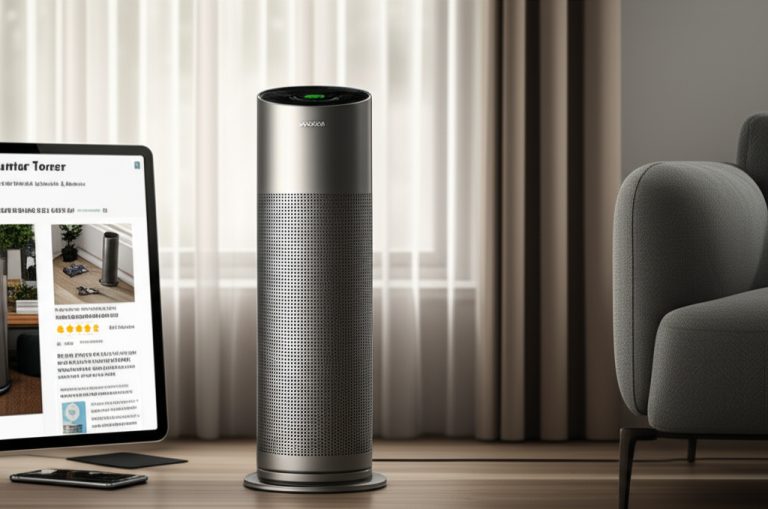
The Philips 2000 Series Air Purifier features a modern and sleek design. It’s built to blend seamlessly into most home decors. The materials used feel robust and durable, suggesting a long lifespan for the unit.
Aesthetics and Footprint
This air purifier typically comes in a neutral color, often white or grey. Its compact size means it won’t take up too much floor space. You can easily place it in a living room, bedroom, or office.
Dimensions: (Specific dimensions vary by model, but generally around 25-30 inches tall).
Weight: (Typically 10-15 lbs, making it manageable to move).
The clean lines and simple form factor make it an attractive appliance. It doesn’t scream “air purifier” but rather complements your existing furniture. This thoughtful design ensures it enhances your space, not detracts from it.
Durability and Materials
Philips is known for quality, and the 2000 Series is no exception. The plastics used are thick and feel sturdy. There are no creaky parts or flimsy components.
The build quality suggests this unit is made to last. You can expect it to withstand daily use without issues. This is important for an appliance you’ll be running regularly for cleaner air.
Filtration Technology: How it Cleans Your Air
The heart of any air purifier is its filtration system. The Philips 2000 Series uses a multi-stage approach to tackle a wide range of pollutants. This ensures thorough air cleaning for your home.
The HEPA and Activated Carbon Filters
This series typically includes a combination of filters. A High-Efficiency Particulate Air (HEPA) filter captures tiny particles. An activated carbon filter then absorbs gases and odors.
Pre-filter: Catches larger particles like dust and hair.
HEPA Filter: Removes allergens such as pollen, dust mites, and pet dander.
Activated Carbon Filter: Eliminates smoke, VOCs, and cooking smells.
This layered approach ensures that both physical particles and gaseous pollutants are effectively removed. The effectiveness of these filters is crucial for improving indoor air quality significantly.
Capturing Microscopic Pollutants
The HEPA filter in the Philips 2000 Series is designed to capture incredibly small particles. It can trap particles as small as 0.003 microns. This is smaller than many common allergens and pollutants.
For example, common allergens like pollen are around 10-100 microns. Dust mite allergens are about 0.5 microns. This purifier can capture these and much more. This level of filtration is vital for people with allergies or asthma.
Performance: Real-World Air Cleaning
In terms of performance, the Philips 2000 Series Air Purifier generally receives positive feedback. It effectively reduces common airborne irritants. Users often notice a difference in air freshness within hours of operation.
Allergen and Dust Removal
This purifier excels at removing allergens and dust. The multi-stage filtration system works diligently to capture these particles. This can lead to fewer allergy symptoms for sensitive individuals.
One study by the U.S. Environmental Protection Agency (EPA) highlights the impact of indoor air quality on health. Using effective air purifiers is a key strategy to mitigate these effects. The Philips 2000 Series contributes directly to this goal.
Odor and Smoke Elimination
The activated carbon filter plays a significant role in odor control. It can neutralize smells from cooking, pets, and smoke. This makes it a great addition to kitchens or living areas.
Many users report a noticeable reduction in lingering odors. This is especially true for homes with pets or those who occasionally smoke indoors. The purifier works to keep the air smelling neutral and fresh.
Smart Features and Controls
The Philips 2000 Series often includes smart features that enhance usability. These can range from simple auto modes to advanced app connectivity. This makes managing your air quality easier than ever.
Auto Mode and Air Quality Indicator
Most models feature an automatic mode. This uses sensors to detect the level of pollutants in the air. The purifier then adjusts its fan speed accordingly.
The air quality indicator light provides a visual cue. It shows you the current state of your indoor air quality. This allows you to see the purifier in action.
Blue: Good air quality
Purple: Moderate air quality
Red: Poor air quality
This feature ensures the purifier works efficiently without you needing to constantly monitor it. It provides peace of mind that your air is being cleaned when needed.
App Connectivity and Remote Control
Some higher-end models within the 2000 Series offer Wi-Fi connectivity. This allows you to control the purifier via a smartphone app. You can turn it on or off, change settings, and check filter status remotely.
The app often provides detailed air quality reports. It can also alert you when it’s time to replace filters. This level of control offers convenience and ensures optimal performance. This is a feature that truly enhances the user experience.
Ease of Use and Maintenance
A key factor for any home appliance is how easy it is to use and maintain. The Philips 2000 Series is designed with the user in mind. Setup is straightforward, and ongoing maintenance is minimal.
Initial Setup and Operation
Getting the Philips 2000 Series up and running is simple. You typically just need to unbox it, remove any protective packaging from the filters, and plug it in. The control panel is intuitive.
Most functions are accessible with a single button press. The auto mode means you can often just “set it and forget it.” This makes it ideal for busy households.
Filter Replacement and Cleaning
Filter replacement is a key part of maintenance. The purifier will usually alert you when it’s time to change the filters. This is typically every 6-12 months, depending on usage and air quality.
Replacement filters are readily available from Philips or authorized retailers. The process itself is usually quick and easy. You simply open the unit and swap out the old filters for new ones.
Tool-free replacement: No special tools are needed.
Clear instructions: Manual provides step-by-step guidance.
Regular cleaning of the exterior with a soft cloth will keep it looking its best. Some models may have a washable pre-filter for added convenience. This low maintenance requirement makes it a practical choice.
Noise Levels: A Quiet Companion
One concern with air purifiers can be noise. The Philips 2000 Series is engineered for quiet operation. This is crucial, especially if you plan to use it in a bedroom or living area where noise can be disruptive.
Decibel Ratings and Fan Speeds
The purifier offers multiple fan speeds. The lowest setting is often whisper-quiet, making it ideal for nighttime use. Higher speeds will produce more sound as they work to clean the air faster.
While exact decibel ratings vary by model, they are generally competitive. You can expect the lowest setting to be around 30-35 dB, similar to a quiet library. The highest setting might reach 50-60 dB, comparable to normal conversation.
Impact on Daily Life
The quiet operation means you can run the purifier continuously without it being bothersome. It won’t interrupt your conversations, sleep, or work. This allows you to enjoy cleaner air around the clock.
Many users appreciate that the purifier fades into the background. It does its job effectively without drawing undue attention through noise. This makes it a welcome addition to any room.
Philips 2000 Series vs. Competitors
When choosing an air purifier, comparing models is essential. The Philips 2000 Series stands out in several areas. However, understanding its position relative to competitors helps make an informed decision.
Key Differentiators
Philips often differentiates itself with its advanced filtration technology and build quality. The focus on capturing ultra-fine particles is a significant advantage. Smart features like app control also add value.
Other brands might offer lower prices or different feature sets. Some may focus more on coverage area or specific pollutant removal. The Philips 2000 Series aims for a balanced, high-performance solution.
Price and Value Proposition
The Philips 2000 Series is typically positioned in the mid to upper-mid price range. While not the cheapest option, its performance, features, and durability offer good value. The cost of replacement filters should also be considered in the long run.
Here’s a brief comparison:
| Feature | Philips 2000 Series | Competitor A (Budget) | Competitor B (Premium) |
| :—————— | :—————— | :——————– | :——————— |
| Filtration Type | Multi-stage HEPA/AC | Basic HEPA | Advanced HEPA/Carbon |
| Smart Features | Often included | Limited | Extensive |
| Build Quality | High | Moderate | High |
| Price Range | Mid-High | Low-Mid | High |
| Allergen Removal | Excellent | Good | Excellent |
| Odor Control | Very Good | Moderate | Very Good |
Choosing between them depends on your budget and specific needs. For those prioritizing advanced filtration and smart technology, the Philips 2000 Series often presents a compelling case. It offers a robust solution for common indoor air quality concerns.
Who is the Philips 2000 Series Air Purifier For?
The Philips 2000 Series Air Purifier is a versatile appliance. It suits a range of users with different needs. Understanding who benefits most can help you decide if it’s the right fit for your home.
Allergy Sufferers and Asthmatics
Individuals prone to allergies or asthma will find significant relief. The HEPA filter effectively removes common triggers like pollen, dust mites, and pet dander. This can lead to fewer respiratory issues and a more comfortable living environment.
The American Lung Association recommends air purifiers with HEPA filters for improving indoor air quality for those with lung conditions. This series aligns well with those recommendations.
Pet Owners and Smokers
For households with pets, the purifier helps manage dander and odors. For smokers, the activated carbon filter works to reduce the smell of smoke. This makes the air in your home more pleasant for everyone.
General Health-Conscious Individuals
Anyone looking to improve their overall indoor air quality will benefit. Reducing exposure to pollutants can contribute to better sleep, increased energy, and general well-being. This purifier offers a proactive way to achieve that.
Frequently Asked Questions (FAQ)
Q1: How often do I need to replace the filters in the Philips 2000 Series Air Purifier?
A: Filter replacement typically occurs every 6 to 12 months. This depends on how often you use the purifier and the air quality in your home.
Q2: Can the Philips 2000 Series remove viruses and bacteria?
A: While HEPA filters capture many airborne particles, they are not specifically designed to kill or neutralize viruses and bacteria. However, by removing other airborne particles, they can contribute to a healthier environment.
Q3: Is the Philips 2000 Series Air Purifier energy efficient?
A: Philips 2000 Series models are generally designed to be energy efficient, especially on lower fan speeds. Auto mode helps optimize energy use by adjusting fan speed as needed.
Q4: What is the coverage area of the Philips 2000 Series?
A: The coverage area varies by specific model within the 2000 Series. Always check the product specifications for the model you are considering to ensure it fits your room size.
Q5: Can I wash the HEPA filter?
A: No, HEPA filters are typically not washable. Washing can damage the filter media and reduce its effectiveness. You will need to replace them when they reach the end of their lifespan.
Q6: Is the app control feature available on all Philips 2000 Series models?
A: No, app connectivity is usually found on specific models within the 2000 Series. Check the product details carefully to confirm if a model includes this feature.
Conclusion: Is the Philips 2000 Series Air Purifier Right for You?
After reviewing the Philips 2000 Series Air Purifier, it’s clear this is a high-performing and well-built appliance. It effectively tackles allergens, dust, and odors with its advanced multi-stage filtration. The smart features and quiet operation add significant convenience for everyday use.
If you are seeking a reliable solution for cleaner indoor air, especially if you suffer from allergies or live with pets, this series is a strong contender. Its thoughtful design and user-friendly maintenance make it a practical choice for most homes. While it may represent a moderate investment, the benefits of improved air quality and its durable construction offer excellent long-term value. Consider your room size and specific needs to select the ideal model within the Philips 2000 Series.