Philips 1000 Series Air Purifier Review: Essential Clean Air

This Philips 1000 Series air purifier review explores its ability to deliver essential clean air for your home. We examine its features, performance, and ease of use to help you decide if it’s the right choice for healthier indoor air quality.
The air inside your home can sometimes feel less fresh than you’d like. Dust, pollen, and other tiny particles can float around, making breathing a little harder, especially for those with allergies. You want a simple solution that works well without being too complicated. This Philips 1000 Series air purifier review will show you if this machine is the answer to your clean air needs. We’ll cover everything from how it looks to how well it cleans your air, so you can feel confident about your choice.
Is the Philips 1000 Series Air Purifier Right for You?
The Philips 1000 Series air purifier is designed for everyday people who want cleaner air at home. It’s made to be easy to use and effective in smaller to medium-sized rooms. If you’re looking for a no-fuss appliance to tackle common indoor air pollutants, this series might be a good fit. We will assess its ability to remove allergens, dust, and odors.
This series aims to provide essential air purification without overwhelming you with complex features. It focuses on delivering clean air efficiently. This review will help you understand if its core functions meet your expectations for a healthier living space.
Unpacking the Philips 1000 Series: What’s Inside?
When you get your Philips 1000 Series air purifier, you’ll find the main unit and a pre-installed filter. The setup is usually very straightforward. You just need to remove the packaging from the filter, put it back in, and plug it in. It’s designed to be ready to use almost immediately.
The box typically contains the air purifier, a power cord, and a user manual. Some models might come with an extra filter, but this is less common for the 1000 series. Always check the product description to know exactly what’s included.
Key Components of the Philips 1000 Series
Main Unit: This is the body of the air purifier.
Multi-layer Filter: This is the heart of the machine, trapping pollutants. It usually includes a pre-filter, an activated carbon filter, and a HEPA filter.
Power Cord: To connect the unit to an electrical outlet.
User Manual: Guides you on operation and maintenance.
These components work together to draw in air, clean it, and release fresh air back into your room. The filter is the most crucial part for cleaning the air.
Design and Build Quality: Simple and Functional
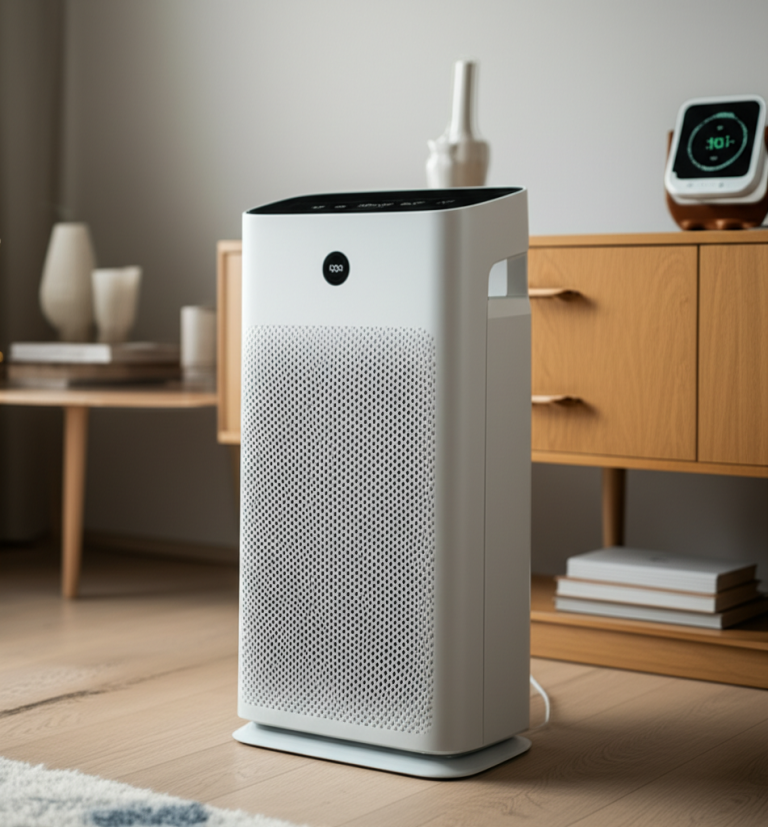
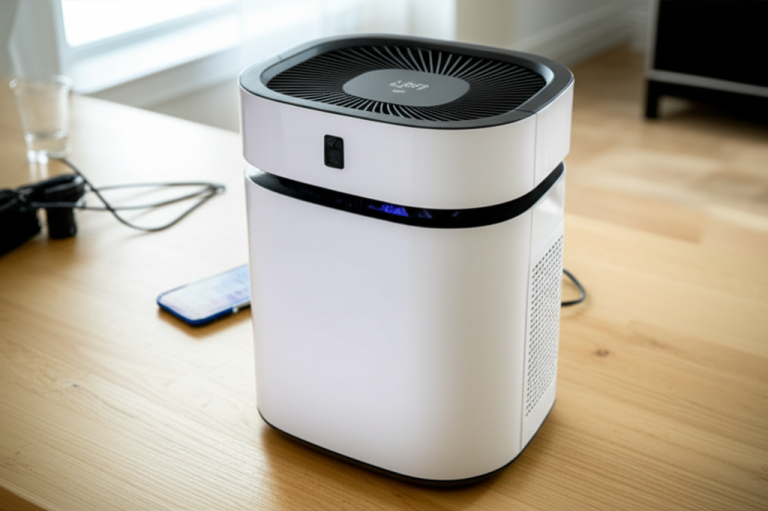
The Philips 1000 Series air purifiers sport a clean, minimalist design. They are usually made of durable plastic and come in neutral colors like white or gray. This allows them to blend in with most home decor styles. The shape is often cylindrical or tower-like, designed to fit well in corners or against walls.
The build quality feels solid for its price range. There are no wobbly parts or cheap-feeling materials. This suggests the unit is built to last with normal use. It doesn’t try to be overly stylish, focusing instead on practical functionality.
Aesthetics and Footprint
These units are not excessively large. They are designed to sit on a floor or a sturdy table without taking up too much space. The compact size makes them suitable for bedrooms, living rooms, or even home offices. Their simple appearance means they won’t be an eyesore in your living space.
The focus on a simple design means fewer complex parts that could break. This contributes to its overall reliability. It’s a machine that aims to do its job quietly and effectively.
Understanding the Filtration System: Multi-Layer Protection
The effectiveness of any air purifier lies in its filter. The Philips 1000 Series uses a multi-layer filtration system. This system is designed to capture a wide range of airborne particles. It’s built to tackle both larger particles and microscopic ones.
This layered approach ensures that different types of pollutants are caught. Each layer has a specific job. This makes the overall purification process more thorough. It’s like having multiple sieves, each catching different sizes of unwanted material.
The Role of Each Filter Layer
Pre-filter: This is the first line of defense. It catches larger particles like dust, hair, and pet fur. This protects the other filters from getting clogged too quickly.
Activated Carbon Filter: This layer is key for removing odors. It absorbs smells from cooking, pets, and smoke. It also traps some larger particles.
HEPA Filter: This is the most important layer for fine particles. It captures up to 99.97% of airborne allergens and particles as small as 0.3 microns. This includes pollen, dust mites, mold spores, and bacteria.
Together, these filters work to provide a comprehensive cleaning of the air. The Philips NanoProtect HEPA filter is often highlighted for its performance.
Performance: How Well Does It Clean the Air?
In terms of performance, the Philips 1000 Series generally does a good job. It’s effective at reducing common indoor air pollutants like dust and pollen. Users often report noticing a difference in air freshness within a few hours of use. For allergy sufferers, this can mean fewer symptoms like sneezing or itchy eyes.
The purifier’s Clean Air Delivery Rate (CADR) is suitable for medium-sized rooms. This means it can cycle and clean the air in a room of a certain size multiple times per hour. This ensures that the air is consistently being filtered.
Real-World Air Cleaning Capabilities
The activated carbon filter helps significantly with common household odors. If you have pets or enjoy cooking strong-smelling meals, you’ll likely appreciate this feature. It doesn’t just mask odors; it absorbs them. The HEPA filter is crucial for trapping microscopic irritants.
For example, during allergy season, the Philips 1000 Series can help reduce the pollen count in your bedroom. This can lead to a more restful night’s sleep. The unit’s ability to capture these particles is a major benefit for health-conscious individuals.
Ease of Use: Simple Controls and Operation
One of the biggest strengths of the Philips 1000 Series is its user-friendliness. The control panel is typically very simple. It usually features a few buttons for power, fan speed, and mode selection. There are no complicated menus or settings to navigate.
This makes it ideal for anyone who wants an air purifier that just works. You can set it and forget it, or adjust settings easily as needed. The intuitive design means you won’t spend a lot of time figuring it out.
Daily Operation and Modes
Most models offer several fan speeds, allowing you to control how quietly or quickly the unit operates. There’s often an ‘Auto’ mode. In this mode, sensors detect the air quality and adjust the fan speed automatically. This is convenient as it manages itself.
There may also be a ‘Sleep’ mode. This mode runs the purifier at its quietest setting and dims or turns off the display lights. This is perfect for bedrooms, ensuring it doesn’t disturb your sleep.
Filter Replacement and Maintenance: Keeping It Running
Maintaining the Philips 1000 Series is straightforward, but filter replacement is key. The unit will usually have a filter replacement indicator light. This tells you when it’s time to change the filter. This is typically every 6 to 12 months, depending on usage and air quality.
Replacing the filter is usually a simple process. You open the back or bottom of the unit, remove the old filter, and insert the new one. No tools are needed for this. Regular cleaning of the pre-filter is also recommended to extend the life of the main filters.
Filter Lifespan and Cost
The lifespan of the filters depends on how much you use the purifier and the level of pollution in your home. Using it constantly in a dusty environment will shorten the filter life. The cost of replacement filters is an ongoing expense to consider. You can usually find genuine Philips replacement filters online.
It’s important to use genuine Philips filters to ensure optimal performance. Third-party filters might not be as effective or could even damage the unit. Always check the specific filter model number for your Philips 1000 Series unit.
Noise Levels: Quiet Operation for Peace
Air purifiers can sometimes be noisy, but the Philips 1000 Series is generally known for its quiet operation. On the lowest fan speed, it produces a very low hum. This is often barely noticeable, especially compared to the general ambient noise in a room.
Even on higher settings, the noise is usually a steady airflow sound, not an irritating mechanical noise. The ‘Sleep’ mode is specifically designed to be as quiet as possible. This makes it suitable for use in bedrooms or nurseries where silence is important.
Understanding Decibel Levels
While Philips doesn’t always publish exact decibel (dB) ratings for every model, user reviews consistently praise its quietness. For reference, a whisper is around 30 dB, and normal conversation is about 60 dB. The lower fan speeds on these units likely fall in the 30-45 dB range.
This low noise level means you can run the purifier all day and night without it being a distraction. It works in the background to keep your air clean.
Smart Features and Connectivity: What to Expect
The Philips 1000 Series is generally focused on core purification functions. This means it usually doesn’t come with advanced smart features like Wi-Fi connectivity or app control. The controls are all physical buttons on the unit itself. This keeps the price point accessible and the operation simple.
While some higher-end models offer app integration, the 1000 Series prioritizes essential performance. This simplicity is a selling point for users who don’t want to deal with complicated tech. You get clean air without the need for a smartphone app.
Simplicity vs. Advanced Features
If you are looking for an air purifier that you can control remotely or integrate into a smart home system, you might need to look at Philips’ higher series. The 1000 Series is for those who prefer a straightforward, plug-and-play experience. Its strengths lie in its reliable performance and ease of use.
This focus on core functionality makes it a reliable choice for many households. You get the benefit of cleaner air without the complexity.
Philips 1000 Series vs. Competitors: Where Does It Stand?
When comparing the Philips 1000 Series to other air purifiers in its class, it holds its own. Competitors often include brands like Coway, Levoit, and Blueair. Philips benefits from its strong brand reputation for quality home appliances.
The multi-layer filtration system, particularly the HEPA filter, is a key selling point. Many competitors also offer similar filtration, but Philips often emphasizes the effectiveness of its NanoProtect HEPA technology.
Price and Value Comparison
| Feature | Philips 1000 Series | Competitor A (e.g., Levoit) | Competitor B (e.g., Coway) |
| :————- | :————————- | :————————– | :————————- |
| Price Range | Mid-range | Entry to Mid-range | Mid to High-range |
| Filtration | HEPA, Carbon, Pre-filter | HEPA, Carbon, Pre-filter | HEPA, Carbon, Pre-filter |
| Smart Features | Basic (Auto, Sleep modes) | Varies (some have Wi-Fi) | Varies (some have Wi-Fi) |
| Noise Level | Generally Quiet | Varies | Generally Quiet |
| Room Size | Small to Medium | Small to Medium/Large | Medium to Large |
The Philips 1000 Series often offers a good balance of performance and price. While some competitors might offer more features at a similar price, Philips’ reliable build and effective filtration are strong advantages. Its value lies in providing essential clean air without unnecessary complexity.
Pros and Cons of the Philips 1000 Series Air Purifier
Every product has its strengths and weaknesses. The Philips 1000 Series is no different. Understanding these can help you make a well-informed decision.
Advantages
Effective Filtration: The multi-layer HEPA and activated carbon filters capture allergens, dust, and odors well.
User-Friendly: Simple controls and straightforward operation make it easy for anyone to use.
Quiet Operation: Especially on lower settings and in sleep mode, it’s not disruptive.
Compact Design: Fits easily into most rooms without being obtrusive.
Reliable Brand: Philips is a trusted name in home appliances.
Disadvantages
No Smart Features: Lacks Wi-Fi connectivity and app control, which some users may want.
Filter Replacement Cost: Ongoing expense for replacement filters can add up.
* Limited Room Size Coverage: Best suited for smaller to medium rooms; may struggle in very large spaces.
These points highlight where the Philips 1000 Series excels and where it might fall short for some users. It truly shines as a no-nonsense solution for cleaner air.
Frequently Asked Questions (FAQ)
Q1: How often do I need to replace the filter in my Philips 1000 Series air purifier?
You typically need to replace the filter every 6 to 12 months. This depends on how much you use the purifier and the air quality in your home. The unit has a filter replacement indicator light to remind you.
Q2: Can the Philips 1000 Series air purifier remove pet dander and odors?
Yes, the HEPA filter is very effective at capturing pet dander and other allergens. The activated carbon filter works to absorb pet odors, making your home smell fresher.
Q3: Is the Philips 1000 Series air purifier noisy?
On its lowest settings and in sleep mode, it is very quiet, often producing less noise than a whisper. On higher settings, there is a noticeable airflow sound, but it’s generally not considered loud or irritating.
Q4: Does the Philips 1000 Series have an app to control it?
No, the Philips 1000 Series is designed for simple, manual operation. It does not come with Wi-Fi connectivity or a companion app for remote control.
Q5: How large of a room can the Philips 1000 Series effectively clean?
This series is best suited for small to medium-sized rooms. Check the specific model’s CADR rating to determine the ideal room size for optimal performance. For larger spaces, you might need a more powerful unit or multiple purifiers.
Q6: Where is the best place to put my Philips 1000 Series air purifier?
For best results, place it in the room where you spend the most time, like your bedroom or living room. Ensure there is some space around the unit for air to circulate freely. Avoid placing it directly against walls or furniture.
Conclusion: Essential Clean Air Made Simple
The Philips 1000 Series air purifier review shows that it delivers on its promise of essential clean air. It’s a reliable and user-friendly option for anyone looking to improve their indoor air quality. The multi-layer filtration system effectively tackles dust, allergens, and common odors. Its quiet operation and simple design make it a great addition to any home, especially bedrooms.
While it lacks advanced smart features, its core performance is strong for its price point. If you want a no-fuss air purifier that works well in small to medium rooms, the Philips 1000 Series is an excellent choice. It provides a tangible benefit for your health and comfort. Consider this series if you value simplicity and effective air purification.