
Hybrid Air Purifier: Your Essential Classroom Solution

A hybrid air purifier offers a dual-action approach, combining HEPA filtration with UV-C light or other technologies, to combat airborne contaminants and pathogens in classrooms. This comprehensive solution addresses lingering concerns about indoor air quality, creating a healthier learning environment for students and educators alike.
Why Classrooms Need Better Air Quality
The air inside a classroom can often be more polluted than the air outside. Think about it: dozens of students, sharing supplies, and breathing the same air for hours each day. This concentration of activity can lead to a buildup of allergens, viruses, bacteria, and even volatile organic compounds (VOCs) from cleaning products or art supplies. Ensuring clean air is not just a comfort; it’s crucial for student concentration, attendance, and overall well-being. Many schools struggle with outdated ventilation systems, making air purification a vital addition to their health strategies.
Understanding the Hybrid Air Purifier
A hybrid air purifier is designed to tackle a wider range of airborne threats than traditional single-technology purifiers. It typically combines the power of a High-Efficiency Particulate Air (HEPA) filter, which captures tiny particles like dust, pollen, and pet dander, with another purification method. This secondary technology might be activated carbon for odors and gases, UV-C light to neutralize viruses and bacteria, or an ionization process. This multi-layered approach provides a more robust defense against common classroom air pollutants.
The Power of HEPA Filtration in Schools
HEPA filters are the gold standard for capturing microscopic particles. They are designed to trap at least 99.97% of airborne particles 0.3 microns in size. In a classroom setting, this means effectively removing allergens that can trigger asthma and other respiratory issues, such as dust mites, mold spores, and pollen that students might bring in on their clothes. A high-quality HEPA filter is the foundation of any effective air purification strategy for schools.
Beyond HEPA: The Added Benefits of Hybrid Technology
What sets a hybrid air purifier apart is its ability to go beyond particle capture. For instance, many models incorporate activated carbon filters. These are excellent at absorbing odors from shared lunches, disinfectants, or even the natural scent of young learners. Others utilize UV-C light, a proven germicidal technology that can inactivate airborne viruses and bacteria, offering an extra layer of protection against the spread of common illnesses. This comprehensive approach is particularly valuable in high-traffic environments like classrooms.
Addressing Allergens and Asthma Triggers
Allergies and asthma are significant concerns for many students, and poor indoor air quality can exacerbate these conditions. Pollen tracked in from outside, dust mites in carpets and upholstery, and mold spores from damp areas can all contribute to a challenging environment. A hybrid air purifier, with its HEPA filtration, acts as a powerful ally in reducing these triggers. By continuously cleaning the air, it can help create a more comfortable and healthier space for students with respiratory sensitivities.
Combating Airborne Germs and Viruses
The close proximity of students in a classroom can facilitate the rapid spread of airborne viruses and bacteria. While HEPA filters capture many pathogens, technologies like UV-C light integrated into a hybrid air purifier offer an additional line of defense. UV-C light damages the DNA of microorganisms, rendering them unable to reproduce and effectively neutralizing them. This feature is especially beneficial during cold and flu season, helping to reduce absenteeism and maintain a healthier school community.
Enhancing Focus and Learning Through Cleaner Air
Did you know that indoor air quality can directly impact a student’s ability to concentrate? Poor air quality, characterized by elevated CO2 levels or the presence of pollutants, can lead to fatigue, headaches, and reduced cognitive function. By effectively removing these contaminants, a hybrid air purifier helps create a fresher, cleaner atmosphere. This improved air quality can lead to increased alertness, better focus, and an overall more conducive learning environment for everyone in the classroom.
Key Features to Look for in a Classroom Hybrid Air Purifier
When selecting a hybrid air purifier for a classroom, several features are paramount. Consider the Coverage Area to ensure it’s suitable for the room size. Look for Low Noise Levels so it doesn’t disrupt lessons. Filter Replacement Indicators are helpful for maintenance, and Energy Efficiency can help manage school budgets. The Durability of the unit is also important in a busy school environment. Finally, Safety Certifications should be a top priority.
Here’s a quick comparison of common purification technologies:
| Technology | Primary Function | Classroom Benefits |
| :—————– | :———————————————— | :——————————————————————————— |
| HEPA Filter | Captures particulate matter (dust, pollen, dander) | Reduces allergens and asthma triggers. |
| Activated Carbon | Absorbs odors and VOCs (gases) | Eliminates stale smells and chemical fumes. |
| UV-C Light | Inactivates viruses and bacteria | Helps prevent the spread of airborne illnesses. |
| Ionization (Ozone-Free) | Charges particles for easier capture | Can help remove fine particles, but ensure it’s ozone-free for health. |
Making the Hybrid Air Purifier a Smart Investment
Investing in a hybrid air purifier is an investment in the health and academic success of students and staff. While there is an initial cost for the unit and ongoing expenses for filter replacements, the benefits far outweigh these. Reduced absenteeism due to illness, improved student concentration, and a generally healthier school environment contribute to better educational outcomes. Many government health organizations, like the CDC, emphasize the importance of good indoor air quality in schools, making this a justifiable expenditure for any educational institution.
Real-World Impact and User Insights
Teachers and school administrators who have implemented air purifiers often report positive changes. Anecdotal evidence suggests fewer sick days reported among students and staff during peak cold and flu seasons. Parents also appreciate the proactive measures schools take to ensure a healthy learning environment. As one educator shared, “Since we installed air purifiers in our kindergarten classrooms, we’ve noticed a significant decrease in sniffles and coughs, allowing for more uninterrupted learning time.”
Frequently Asked Questions About Classroom Hybrid Air Purifiers
What is the best type of air purifier for a classroom?
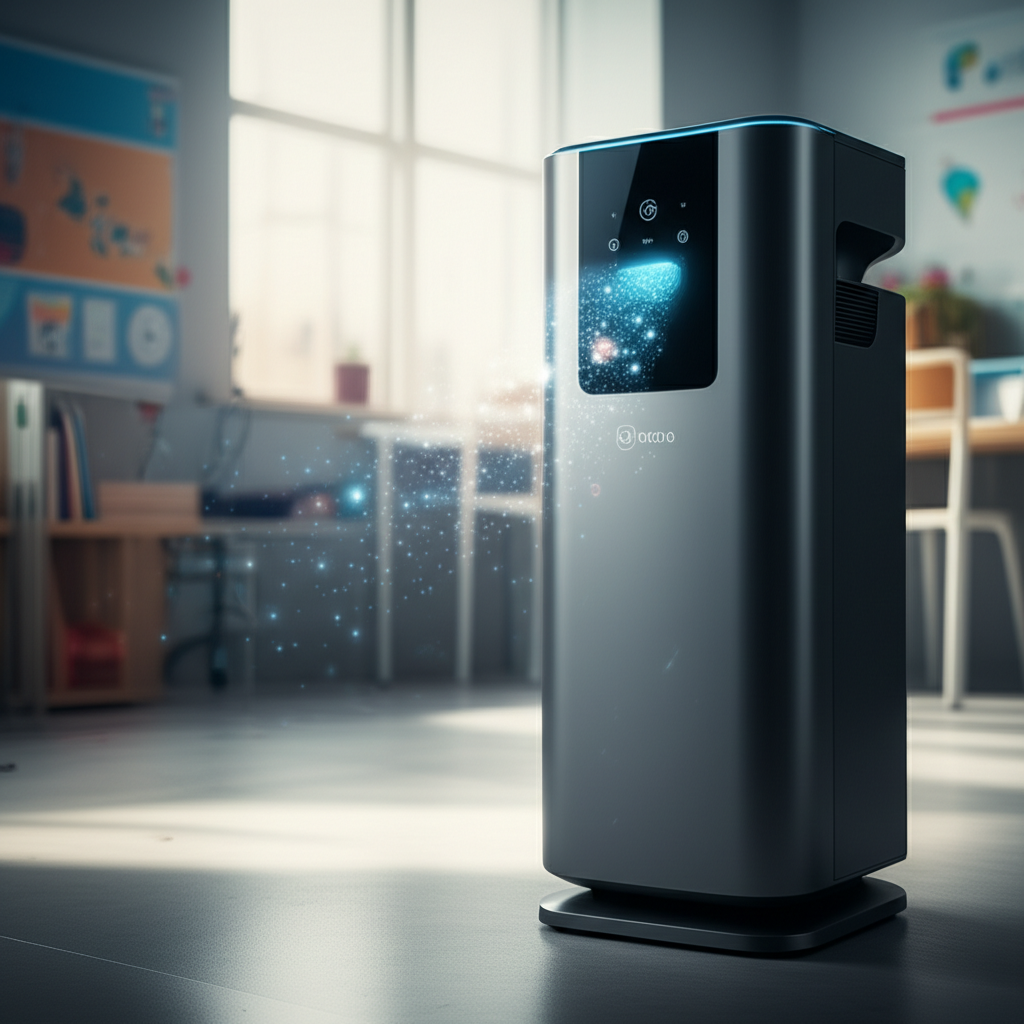
The best type is a hybrid air purifier that combines HEPA filtration with other technologies like activated carbon or UV-C light to tackle a wide range of pollutants.
How many air purifiers do I need for a classroom?
This depends on the size of the classroom and the purifier’s coverage area. Typically, one appropriately sized unit per classroom is recommended.
Are hybrid air purifiers safe for children?
Yes, most hybrid air purifiers are safe. Ensure you choose models that are certified, have no ozone emissions (especially if using ionization), and have child-lock features if necessary.
How often do filters need to be replaced in a classroom air purifier?
Filter replacement frequency varies by model and usage, but generally, HEPA filters need replacement every 6-12 months, and pre-filters more often. Look for models with filter change indicators.
Can an air purifier eliminate all germs in a classroom?
While an air purifier significantly reduces airborne germs, it cannot eliminate them entirely. It works best as part of a broader strategy including good hygiene and ventilation.
What is the difference between an air purifier and an air filter?
An air filter is a component that cleans air, while an air purifier is a complete appliance that uses one or more filters (and potentially other technologies) to clean the air in a room.
Should I look for specific certifications for classroom air purifiers?
Yes, look for certifications like AHAM Verifide for performance and UL or ETL for electrical safety. For health benefits, consider ENERGY STAR for efficiency.
Conclusion: Breathing Easier for Better Learning
Implementing a hybrid air purifier in your classroom is a proactive and essential step toward fostering a healthier, more productive learning environment. By addressing a wide spectrum of airborne contaminants – from allergens and dust to viruses and odors – these advanced devices offer comprehensive protection. They are a smart investment that supports student well-being, reduces absenteeism, and ultimately enhances the focus and capacity for learning. Prioritizing clean indoor air is a commitment to the future of our students.
