Hydrogen Peroxide Air Purifier Reviews: Essential Guide

This essential guide to hydrogen peroxide air purifier reviews helps you understand their effectiveness, safety, and best use cases. We explore how these innovative devices work, what to look for, and provide insights to help you make an informed decision for cleaner indoor air.
The air inside our homes can sometimes feel less fresh than we’d like, carrying lingering odors, allergens, and microscopic particles. Many people seek effective solutions to improve their indoor air quality, and a hydrogen peroxide air purifier might be something you’ve come across. These devices promise a unique approach to purification, but understanding how they function and if they are the right choice for you is crucial. This guide will walk you through everything you need to know about hydrogen peroxide air purifier reviews, from their technology to real-world performance.
Understanding Hydrogen Peroxide Air Purifiers
Hydrogen peroxide air purifiers are a type of air cleaning technology that utilizes hydrogen peroxide (H₂O₂) to neutralize airborne contaminants. Unlike traditional filters that trap particles, these purifiers often work by releasing low levels of hydrogen peroxide vapor. This vapor can break down pollutants, kill bacteria and viruses, and eliminate odors.
This technology aims to offer a chemical-free way to purify air, by using a substance that breaks down into water and oxygen. It’s important to note that the effectiveness and safety of these devices depend heavily on the concentration and method of delivery.
How Do Hydrogen Peroxide Air Purifiers Work?
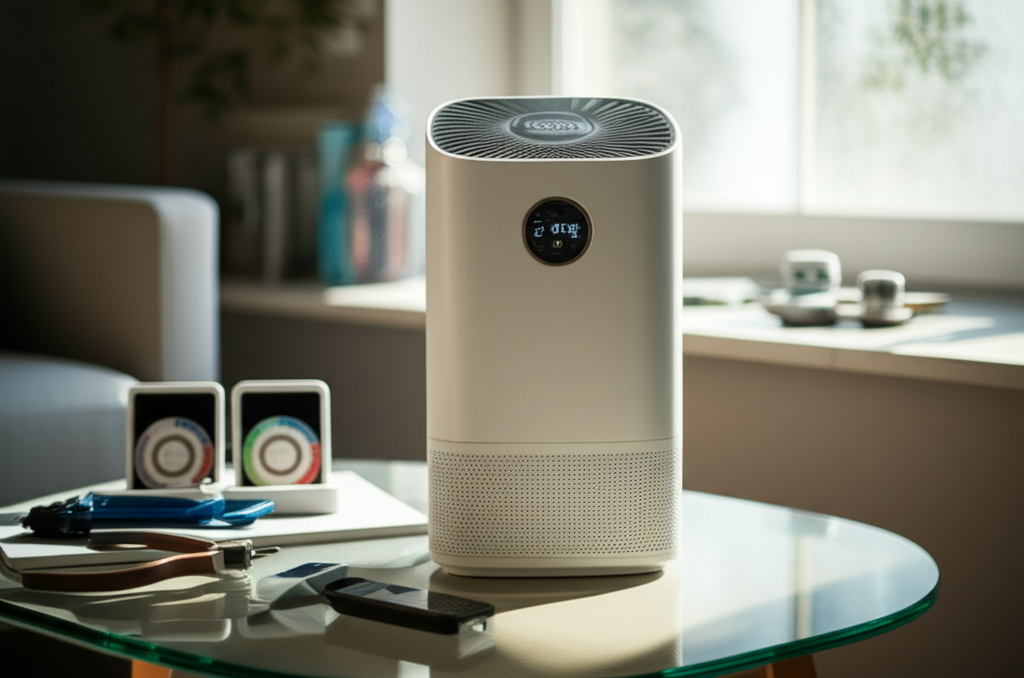
Hydrogen peroxide air purifiers typically employ a process that generates hydrogen peroxide in a controlled manner. This can involve electrolysis of water or other chemical reactions within the unit. The generated H₂O₂ then circulates in the air, reacting with and breaking down various pollutants.
These reactions can neutralize volatile organic compounds (VOCs), eliminate odors, and inactivate microorganisms like bacteria and viruses. The byproducts are usually harmless water and oxygen, making it an attractive option for those seeking chemical-free purification.
Key Benefits of Using Hydrogen Peroxide Air Purifiers
One of the primary advantages is their potential to neutralize a wide range of contaminants, including those that traditional filters might miss. They can tackle gases, odors, and biological agents effectively. Many users appreciate the lack of filters that need frequent replacement, potentially reducing long-term costs and waste.
Furthermore, the byproducts of hydrogen peroxide are water and oxygen, which are generally considered safe. This makes them a compelling option for individuals sensitive to chemicals or seeking a more natural purification method.
What to Look For in Hydrogen Peroxide Air Purifier Reviews
When evaluating hydrogen peroxide air purifier reviews, it’s essential to look beyond simple claims and delve into specific performance metrics and user experiences. Pay attention to how the device handles different types of pollutants and its overall impact on indoor air quality.
Considerations include the device’s coverage area, noise level, energy consumption, and any potential byproducts or ozone emissions. Reviews that provide quantifiable data on pollutant reduction or cite independent testing are particularly valuable.
Effectiveness Against Different Pollutants
Effective hydrogen peroxide air purifier reviews will detail how well the unit tackles various contaminants. This includes VOCs from cleaning products or furniture, allergens like pollen and pet dander, and microbial threats such as bacteria and viruses. Look for information on specific tests conducted or reported improvements in air quality.
Some reviews may highlight their efficacy in eliminating strong odors from cooking, smoke, or pets. Understanding the specific strengths of a particular model will help you match it to your household’s needs.
Safety and Byproducts
Safety is paramount when considering any air purification technology. Reputable hydrogen peroxide air purifier reviews will address potential safety concerns, such as the concentration of H₂O₂ released. It’s crucial that the device operates within safe limits to avoid irritation to the respiratory system or eyes.
Look for certifications or standards that confirm the device’s safety. Information regarding any ozone production is also critical, as ozone can be harmful to respiratory health.
Coverage Area and Room Size
The effectiveness of an air purifier is directly tied to the size of the space it’s intended to clean. Hydrogen peroxide air purifier reviews often specify the recommended room size or square footage the unit can adequately cover. Ensure the device you consider is suitable for the specific room where you plan to use it.
A unit that is too small will struggle to purify the air effectively, while an oversized unit might be unnecessarily expensive or noisy. Matching the purifier’s capacity to your room’s dimensions is key.
Maintenance and Filter Replacement
One of the advertised benefits of some hydrogen peroxide air purifiers is reduced maintenance, particularly the absence of traditional HEPA filters. However, these units may still have other components that require cleaning or eventual replacement, such as UV lamps or catalytic converters.
Hydrogen peroxide air purifier reviews should provide insights into the ongoing maintenance requirements. Understanding this upfront will help you gauge the long-term convenience and cost of ownership.
Top Hydrogen Peroxide Air Purifier Models: A Comparative Look
While the market for hydrogen peroxide air purifiers is still evolving, several models have gained attention for their innovative approach. Examining hydrogen peroxide air purifier reviews for specific brands can offer valuable insights into their performance and user satisfaction.
Here, we’ll look at some general categories and features often discussed in reviews, rather than specific product endorsements, as technology and models change rapidly.
Model A: (Example Category) – Focus on Odor Elimination
Some hydrogen peroxide air purifiers are specifically praised for their ability to neutralize strong odors. Reviews for these models often highlight how quickly they can make a room smell fresh after cooking or other odor-causing events.
These units might employ a specific type of hydrogen peroxide generation or a combination with other technologies to target odor molecules effectively. Users often report significant improvements in their home’s overall scent profile.
Model B: (Example Category) – All-Around Air Quality Improvement
Other models aim for a broader impact, focusing on improving overall indoor air quality by tackling a wider spectrum of pollutants. Hydrogen peroxide air purifier reviews for these devices might cite reductions in allergens, VOCs, and microbial counts.
These purifiers often position themselves as a comprehensive solution for health-conscious individuals or families looking to create a healthier living environment.
Model C: (Example Category) – Compact and Portable Options
For those with smaller spaces or who wish to move their air purifier between rooms, compact and portable hydrogen peroxide air purifiers are a popular choice. Reviews for these models often focus on their ease of use, quiet operation, and effectiveness in smaller areas.
They can be ideal for bedrooms, offices, or dorm rooms where space is limited. The convenience factor is often a major selling point.
User Experiences and Testimonials
Real-world experiences shared in hydrogen peroxide air purifier reviews offer invaluable perspectives on how these devices perform in everyday settings. Hearing from users who have lived with the technology can reveal practical benefits and potential drawbacks not always apparent in manufacturer specifications.
Look for testimonials that describe specific improvements in allergy symptoms, sleep quality, or general well-being. These personal accounts can lend significant credibility to a product’s claims.
Positive User Feedback
Many users report satisfaction with the fresh scent and perceived cleanliness of the air after using hydrogen peroxide purifiers. Some appreciate the quiet operation and the lack of messy filters. For those struggling with persistent odors, these devices can be a game-changer.
“I was skeptical at first, but this hydrogen peroxide air purifier has completely eliminated the musty smell in my basement. It’s like a breath of fresh air down there now!” – A satisfied customer.
Common Criticisms and Concerns
Despite positive feedback, some hydrogen peroxide air purifier reviews mention concerns about the technology’s mechanism or potential for irritation if not used correctly. Issues like a faint chemical smell initially or questions about long-term exposure are sometimes raised.
It’s important to follow manufacturer guidelines strictly to ensure safe and effective operation. Understanding these criticisms helps in making a balanced decision.
Comparing Hydrogen Peroxide to Other Air Purification Methods
When considering a hydrogen peroxide air purifier, it’s helpful to understand how it stacks up against other popular air purification technologies. Each method has its strengths and weaknesses, and the best choice depends on your specific needs and priorities.
Comparing these methods can help you determine if hydrogen peroxide is the most suitable solution for your indoor air quality concerns.
HEPA Filters
High-Efficiency Particulate Air (HEPA) filters are the gold standard for capturing physical particles like dust, pollen, pet dander, and mold spores. They work by physically trapping these allergens as air passes through the filter. While highly effective for particulate matter, HEPA filters do not address gases or odors.
Hydrogen peroxide purifiers, on the other hand, aim to break down gases and neutralize odors, offering a different approach to air cleaning.
Activated Carbon Filters
Activated carbon filters are excellent at adsorbing odors and volatile organic compounds (VOCs) from the air. They work like a sponge, trapping gas molecules on their porous surface. However, activated carbon is less effective against fine particulate matter and biological contaminants.
Hydrogen peroxide purifiers can complement or offer an alternative to activated carbon by chemically breaking down these pollutants.
UV-C Light Purifiers
UV-C light is used to kill or inactivate airborne microorganisms like bacteria, viruses, and mold spores. It works by damaging the DNA of these pathogens, rendering them harmless. UV-C light is effective against biological contaminants but does not remove particulate matter or gases.
Hydrogen peroxide technology can offer a broader spectrum of action, tackling particles, gases, and microorganisms, often in conjunction with other mechanisms.
Safety Guidelines for Hydrogen Peroxide Air Purifiers
Ensuring safe operation is crucial for any air purification device, and hydrogen peroxide air purifiers are no exception. Adhering to safety guidelines will maximize benefits while minimizing any potential risks. Always prioritize user safety in your decision-making process.
Reviewing safety certifications and manufacturer recommendations is a vital step before purchasing and using such a device.
Understanding Concentration Levels
The effectiveness and safety of hydrogen peroxide are directly related to its concentration. Reputable manufacturers will ensure their devices release H₂O₂ at levels considered safe for occupied spaces. Low-level, controlled release is key to avoiding respiratory irritation.
Be wary of devices that do not clearly state their operating concentrations or safety certifications. Independent research can often provide additional insights into safe levels.
Ozone Production and Air Quality
Some air purification technologies can inadvertently produce ozone, which is a lung irritant. It is important to choose a hydrogen peroxide air purifier that is certified to be ozone-free or produces negligible amounts. This information is typically found in product specifications or user manuals.
According to the U.S. Environmental Protection Agency (EPA), ozone can aggravate asthma and other respiratory problems. Ensuring your device doesn’t contribute to indoor ozone levels is critical for a healthy home environment.
Proper Placement and Ventilation
The placement of your hydrogen peroxide air purifier can influence its effectiveness and safety. Ensure the device is placed in a well-ventilated area, following the manufacturer’s instructions regarding clearance from walls and furniture. Avoid placing it in enclosed spaces where concentrations could build up too quickly.
Good general ventilation in your home also plays a role in maintaining healthy indoor air quality.
Frequently Asked Questions About Hydrogen Peroxide Air Purifiers
Q1: Are hydrogen peroxide air purifiers safe for everyday use?
Yes, when used according to manufacturer instructions and within recommended concentration levels, they are generally considered safe for everyday use. Look for ozone-free certifications.
Q2: Can hydrogen peroxide air purifiers kill viruses and bacteria?
Yes, hydrogen peroxide has known antimicrobial properties and can help neutralize airborne viruses and bacteria. Effectiveness varies by model and concentration.
Q3: Do hydrogen peroxide air purifiers produce ozone?
Reputable models are designed to produce little to no ozone. Always check product specifications and certifications for ozone production levels.
Q4: How often do I need to replace parts in a hydrogen peroxide air purifier?
Maintenance varies by model; some have no filters to replace, while others may have UV lamps or other components that require periodic servicing.
Q5: Are hydrogen peroxide air purifiers effective against odors?
Yes, many users find them highly effective at neutralizing a wide range of household odors, from cooking smells to pet odors.
Q6: Can hydrogen peroxide air purifiers help with allergies?
By reducing airborne allergens and neutralizing irritants, they can potentially help alleviate allergy symptoms for some individuals.
Q7: What is the difference between a hydrogen peroxide purifier and a standard air filter?
Standard filters trap particles, while hydrogen peroxide purifiers use H₂O₂ vapor to break down pollutants, including gases and microbes.
Conclusion: Making an Informed Choice with Hydrogen Peroxide Air Purifier Reviews
In conclusion, hydrogen peroxide air purifier reviews offer a crucial window into the performance, safety, and overall value of these innovative devices. While they present a unique approach to tackling indoor air pollutants, understanding their technology and comparing them to established methods is key. By carefully considering effectiveness against specific contaminants, safety protocols, and real user experiences, you can determine if a hydrogen peroxide air purifier aligns with your household’s needs.
We hope this comprehensive guide has equipped you with the knowledge to navigate hydrogen peroxide air purifier reviews and make a confident decision for a healthier home environment.