HVAC UV Light vs Air Purifier: Essential Choice

When deciding between an HVAC UV light and an air purifier, understanding their distinct roles is crucial. HVAC UV lights target airborne pathogens within your ductwork, while air purifiers capture particles and gases directly in your living spaces. This guide helps you make the essential choice for your home’s air quality.
Breathing clean air at home is more important than ever, and with so many options available, it’s easy to feel overwhelmed. You might be wondering if you need a whole-house solution like an HVAC UV light, or a localized approach with an air purifier. Both can significantly improve your indoor air quality, but they work in different ways and address different problems. Understanding the core differences between an HVAC UV light vs air purifier is the first step to making the right choice for your family’s health and comfort. Let’s break down exactly what each system does and how to decide which is best for your needs.
What is an HVAC UV Light?
An HVAC UV light is a germicidal lamp installed directly inside your home’s heating, ventilation, and air conditioning (HVAC) system. It uses ultraviolet light, typically in the UV-C spectrum, to kill or inactivate airborne microorganisms like bacteria, viruses, and mold spores as they pass through the ductwork. This system works continuously whenever your HVAC fan is running, treating the air circulating throughout your entire house.
This technology offers a proactive approach to neutralizing biological contaminants circulating within your HVAC system. By eradicating these microscopic threats, it helps prevent them from multiplying within your ducts and being redistributed into your living spaces.
How HVAC UV Lights Work
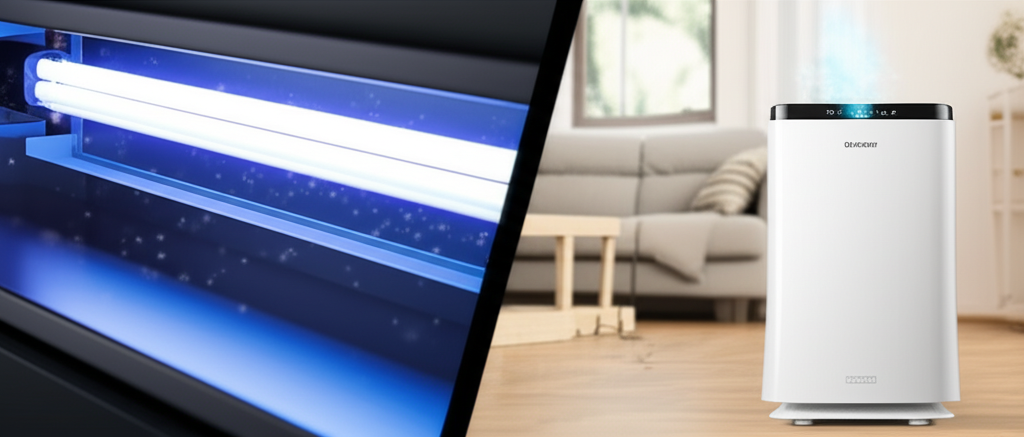
UV-C light has a specific wavelength that damages the DNA and RNA of microorganisms. When airborne pathogens are exposed to this intense light, they are rendered unable to reproduce, effectively neutralizing them. This process occurs as air is drawn into your HVAC system and passes over the UV lamp before being circulated back into your rooms.
The effectiveness of an HVAC UV light depends on factors like the lamp’s intensity, the duration of exposure, and the airflow rate within your ducts. Proper installation ensures the UV light shines directly on the coil and drain pan, preventing mold and mildew growth in these critical areas.
Benefits of HVAC UV Lights
HVAC UV lights can significantly reduce the presence of airborne germs and pathogens circulating in your home’s air. They are particularly effective at preventing mold and mildew growth within the HVAC system itself, which can otherwise spread spores throughout your house. This can lead to a reduction in odors and an overall improvement in the freshness of your indoor air.
These systems operate silently and require minimal maintenance beyond occasional bulb replacement, usually once a year. They work in conjunction with your existing HVAC system, so there’s no additional noise or space requirement within your living areas.
Limitations of HVAC UV Lights
While effective against microorganisms, HVAC UV lights do not remove particulate matter like dust, pollen, or pet dander from the air. They also do not address volatile organic compounds (VOCs) or other gaseous pollutants. Their primary function is to sterilize, not to filter.
Furthermore, the effectiveness of a UV light can be reduced if it’s not properly maintained or if the airflow is too fast for sufficient exposure. It’s important to note that UV lights kill or inactivate, but they don’t physically remove the dead or weakened organisms from the air; they remain as particulate matter.
What is an Air Purifier?
An air purifier is a standalone device designed to remove pollutants from the air in a specific room or area. Most air purifiers use a multi-stage filtration system, often including a HEPA (High-Efficiency Particulate Air) filter, to capture a wide range of airborne contaminants. They are placed directly in the rooms where you spend the most time, such as bedrooms or living rooms.
Air purifiers are excellent for tackling a variety of indoor air quality issues, from common allergens to odors and smoke. Their localized approach allows you to target the air in the spaces where it matters most to your immediate comfort and health.
How Air Purifiers Work
Air purifiers draw in air from the surrounding environment, pass it through a series of filters, and then release cleaner air back into the room. A typical system includes a pre-filter for larger particles, a HEPA filter for fine particles (like dust, pollen, and pet dander), and often an activated carbon filter to absorb odors and VOCs. Some advanced models may also include UV-C lamps or ionizers, though their effectiveness and potential byproducts are debated.
The Clean Air Delivery Rate (CADR) is a key metric indicating how quickly an air purifier can clean the air in a room of a specific size. Higher CADR ratings mean faster purification.
Benefits of Air Purifiers
Air purifiers are highly effective at removing particulate matter, which includes common allergens like dust mites, pollen, mold spores, and pet dander. For individuals with allergies or asthma, a good air purifier can provide significant relief by reducing triggers in their immediate environment. Many also excel at removing odors from cooking, smoke, or pets, thanks to activated carbon filters.
They offer targeted purification for specific areas, allowing you to prioritize the rooms you use most. This makes them a flexible solution for improving air quality where you need it most.
Limitations of Air Purifiers
While air purifiers can remove particles and some gases, they are limited to the room in which they are placed. They do not treat the air circulating through your HVAC system, meaning they won’t address potential issues within your ductwork. Furthermore, the effectiveness of an air purifier depends on using the correct size for the room and replacing filters regularly.
Some air purifiers, particularly those using ionizers or ozone generators, can produce ozone as a byproduct, which can be harmful to respiratory health. It’s crucial to choose models that are certified for safety and avoid those that produce significant ozone.
HVAC UV Light vs Air Purifier: Key Differences
The fundamental difference lies in their primary function and location. An HVAC UV light is installed within your central ventilation system to sterilize air as it circulates throughout your entire home. An air purifier is a portable device that filters air within a specific room.
Think of it this way: a UV light is like a disinfectant for your home’s “circulatory system” (ductwork), killing germs as they pass. An air purifier is like a localized “lung” for a specific room, actively cleaning the air you breathe directly.
Here’s a table summarizing the core distinctions:
| Feature | HVAC UV Light | Air Purifier |
| :—————– | :—————————————— | :———————————————— |
| Primary Function | Sterilizes airborne microorganisms | Filters airborne particles and gases |
| Location | Inside HVAC ductwork | Portable, placed in rooms |
| Coverage | Entire house (when HVAC is running) | Single room or designated area |
| Removes | Bacteria, viruses, mold spores (in transit) | Dust, pollen, pet dander, smoke, odors, VOCs |
| Maintenance | Annual bulb replacement | Regular filter replacement (monthly to yearly) |
| Energy Use | Low (similar to a light bulb) | Varies by model, generally low to moderate |
| Cost | Higher upfront, lower ongoing (bulb) | Lower upfront, ongoing filter costs |
Addressing Different Air Quality Concerns
Your choice between an HVAC UV light vs air purifier heavily depends on the specific air quality issues you’re facing. If your main concern is reducing the spread of germs and preventing mold growth within your HVAC system, a UV light is a strong contender.
For those battling allergies, asthma, or dealing with smoke and strong odors, an air purifier is typically the more direct and effective solution. Air purifiers excel at removing the physical particles that trigger allergies and the odor-causing molecules that detract from your home’s freshness.
Can You Use Both HVAC UV Lights and Air Purifiers?
Absolutely! For comprehensive indoor air quality management, using both an HVAC UV light and air purifiers can be highly beneficial. This dual approach tackles airborne contaminants at multiple points: the UV light sterilizes the air within your ductwork, while air purifiers clean the air directly in your living spaces.
This combination provides a robust defense against a wider range of pollutants. It ensures that as air circulates throughout your home, it’s both sterilized and filtered, leading to the cleanest possible indoor environment.
Installation and Maintenance Considerations
Installing an HVAC UV light typically requires professional assistance from an HVAC technician. They will ensure the light is correctly positioned within the ductwork for maximum effectiveness and safety. Maintenance involves replacing the UV bulb annually, a relatively simple task for a technician.
Air purifiers, on the other hand, are plug-and-play devices. Their primary maintenance is replacing filters according to the manufacturer’s recommendations, which can range from monthly to annually depending on the filter type and usage.
Cost Comparison: Upfront vs. Ongoing
When comparing HVAC UV light vs air purifier costs, consider both the initial investment and long-term expenses. HVAC UV light systems generally have a higher upfront cost, including installation. However, their ongoing costs are minimal, primarily consisting of annual bulb replacements.
Portable air purifiers often have a lower initial purchase price, but the recurring cost of replacement filters can add up over time. The total cost of ownership for both options should be weighed against the benefits they provide.
Choosing the Right Solution for Your Home
To make the essential choice, assess your primary concerns. Do you have a history of respiratory issues or concerns about airborne viruses and mold? An HVAC UV light might be your priority. Are allergies, pet dander, or lingering odors a major problem in specific rooms? Portable air purifiers would be more beneficial.
For many, a layered approach combining both offers the best of both worlds. It addresses microbial threats within the system while actively cleaning the air in occupied spaces.
Expert Insights and Recommendations
Many HVAC professionals recommend UV lights as a valuable addition to a home’s air quality strategy, particularly for preventing mold and maintaining system cleanliness. However, they often emphasize that UV lights are not a substitute for good filtration. Leading organizations like the Environmental Protection Agency (EPA) advise using a combination of strategies, including air purifiers with HEPA filters, to improve indoor air quality.
“We often see clients who are looking for a single solution, but the reality is that a multi-pronged approach yields the best results,” says Dr. Anya Sharma, an indoor air quality specialist. “UV lights handle the microbial load in the ducts, while high-quality air purifiers tackle the particulates and gases in the breathing zone.”
Frequently Asked Questions
What is the main difference between an HVAC UV light and an air purifier?
An HVAC UV light sterilizes airborne germs within your ductwork, while an air purifier filters particles and gases directly in a room.
Can an HVAC UV light remove dust and allergens?
No, HVAC UV lights primarily target microorganisms. They do not filter out particulate matter like dust, pollen, or pet dander.
Which is better for allergies: an HVAC UV light or an air purifier?
An air purifier with a HEPA filter is generally better for allergies as it directly removes allergens like pollen, dust mites, and pet dander from the air.
Do UV lights in HVAC systems really work?
Yes, UV-C lights are effective at killing or inactivating bacteria, viruses, and mold spores when properly installed and maintained, reducing their circulation.
Can I install an HVAC UV light myself?
It’s generally recommended to have an HVAC UV light installed by a qualified professional to ensure proper placement and electrical connections for safety and effectiveness.
How often do I need to replace filters in an air purifier?
Filter replacement frequency varies by model and usage, but typically ranges from monthly for pre-filters to every 6-12 months for HEPA and carbon filters.
Is it worth getting both an HVAC UV light and an air purifier?
For comprehensive air quality, combining both offers significant benefits by sterilizing air in the ducts and filtering it in living spaces, addressing a wider range of pollutants.
Conclusion
Choosing between an HVAC UV light vs air purifier isn’t about one being definitively superior, but rather understanding their unique strengths and how they can best serve your specific needs. If your primary concern is neutralizing airborne pathogens and preventing mold within your HVAC system, an HVAC UV light is an excellent investment. For immediate relief from allergens, odors, and other airborne particles in your living spaces, a portable air purifier is the more direct solution.
Ultimately, the most effective strategy for superior indoor air quality often involves a layered approach. By utilizing an HVAC UV light to disinfect the air circulating through your home and employing air purifiers in key areas, you create a healthier, fresher environment for everyone. Consider your household’s specific sensitivities and concerns to make the essential choice that leads to cleaner, more comfortable air.