
Best Air Purifiers For Bedroom: Proven Sleep Solution

Discover the best air purifiers for your bedroom to transform your sleep environment, creating a sanctuary free from allergens, pollutants, and irritants. Breathe easier and sleep deeper with our expert recommendations.
The bedroom is our sanctuary, a place for rest and rejuvenation. Yet, many of us unknowingly share this space with microscopic invaders like dust mites, pollen, pet dander, and volatile organic compounds (VOCs). These airborne particles can trigger allergies, asthma, and even disrupt our sleep quality, leaving us feeling groggy and unwell. If you’re struggling with poor sleep or respiratory issues, the solution might be simpler than you think. Let’s explore how the best air purifiers for your bedroom can pave the way to a healthier, more restful night.
Why Your Bedroom Needs an Air Purifier
An air purifier can significantly improve your bedroom’s air quality, offering a tangible solution to common sleep disturbances. By actively removing pollutants, it creates a cleaner breathing environment that promotes deeper, uninterrupted sleep. This is crucial for overall health and well-being.
Dust, pollen, pet dander, and mold spores are common culprits that trigger allergies and asthma symptoms. An air purifier acts as a barrier, capturing these allergens before they can affect you. This reduction in irritants can lead to fewer nighttime awakenings and a more comfortable sleep.
Volatile Organic Compounds (VOCs) are chemicals released from everyday items like furniture, cleaning products, and paints. These can cause headaches, dizziness, and respiratory irritation. High-quality air purifiers with activated carbon filters are effective at neutralizing these harmful gases.
The constant presence of allergens and pollutants can strain your respiratory system. Cleaner air reduces this burden, allowing your lungs to function more efficiently. This can translate to less congestion and easier breathing throughout the night.
Understanding Air Purifier Technologies
Different air purifier technologies target various types of airborne contaminants. Knowing these methods helps you choose the best air purifiers for bedroom needs. Each technology plays a role in creating a healthier indoor environment.
HEPA filters are the gold standard for capturing particulate matter. They are designed to trap at least 99.97% of airborne particles 0.3 microns in size. This includes common allergens like dust, pollen, and pet dander.
Activated carbon filters excel at removing odors, gases, and VOCs. They work by adsorbing these airborne chemicals onto the porous surface of the carbon. This is essential for tackling smells from pets, cooking, or off-gassing furniture.
UV-C light technology can help neutralize airborne microorganisms like bacteria and viruses. While effective, it’s often used in conjunction with other filtration methods for comprehensive air cleaning. Ensure the unit has safety features to prevent UV exposure.
Ionizers release negative ions into the air, which attach to airborne particles. These charged particles then clump together and fall to the ground or are more easily captured by the filter. Some people are sensitive to ozone produced by certain ionizers, so look for models with ozone-free certification.
Key Features to Look For in Bedroom Air Purifiers
When selecting the best air purifiers for your bedroom, several features directly impact their effectiveness and your comfort. Prioritizing these ensures you get a unit that truly enhances your sleep environment. Consider your specific needs and room size.
Coverage Area (CADR): Ensure the air purifier’s Clean Air Delivery Rate (CADR) is suitable for your bedroom size. A higher CADR means it cleans the air more quickly and efficiently. Manufacturers often specify the room size the unit is designed for.
Noise Level: For bedrooms, quiet operation is paramount. Look for units with a low decibel (dB) rating, especially on their lowest fan setting or in “sleep mode.” Many models offer ultra-quiet operation, often below 30 dB, which is comparable to a whisper.
Filter Type and Lifespan: A combination of a true HEPA filter and an activated carbon filter is generally recommended for comprehensive air cleaning. Check the lifespan of these filters and the cost of replacements, as this is an ongoing expense.
Energy Efficiency: Look for Energy Star certified models, which consume less electricity. This is beneficial for your electricity bill and the environment. Consider the power consumption, especially if the purifier will run continuously.
Smart Features and Controls: Some purifiers offer smart features like app control, air quality sensors, and automatic mode adjustments. These can add convenience and ensure optimal performance without constant manual intervention.
Top 5 Best Air Purifiers for Bedroom: Our Picks
After extensive research and considering user reviews, here are our top picks for the best air purifiers for your bedroom. These models offer a great balance of performance, features, and value, all designed to enhance your sleep.
1. Coway Airmega AP-1512HH Mighty
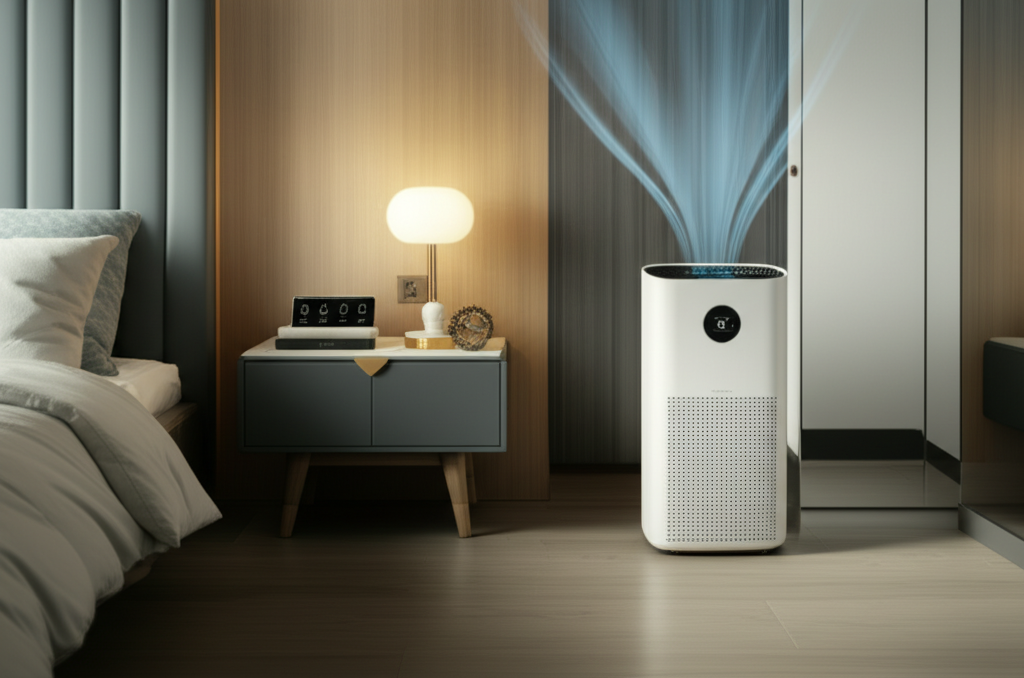
This compact yet powerful air purifier is consistently rated as a top performer. Its true HEPA filter, combined with an activated carbon filter, effectively tackles allergens and odors. The auto mode adjusts fan speed based on air quality, and its quiet operation makes it ideal for bedrooms.
Snippet-ready answer: The Coway Airmega AP-1512HH Mighty excels with its true HEPA filtration, capturing 99.97% of airborne particles down to 0.3 microns. Its quiet operation, auto mode, and energy efficiency make it a top choice for bedroom use, ensuring cleaner air without disrupting sleep.
2. Levoit Core 300S
A popular choice for its sleek design and effective filtration, the Levoit Core 300S features a 3-stage filtration system. It’s incredibly quiet on its lowest setting, making it perfect for light sleepers. The smart capabilities allow for control via an app or voice commands.
Snippet-ready answer: The Levoit Core 300S offers excellent value with its 3-stage HEPA filtration, effectively removing allergens and pollutants. Its remarkably quiet performance, compact size, and smart features make it a standout option for creating a serene and healthy bedroom environment.
3. Blueair Blue Pure 211+ Auto
Designed for larger rooms, the Blueair Blue Pure 211+ Auto uses a unique combination of electrostatic and mechanical filtration. It’s known for its high CADR and energy efficiency. The washable fabric pre-filter comes in various colors to match your decor.
Snippet-ready answer: The Blueair Blue Pure 211+ Auto is ideal for larger bedrooms, boasting impressive CADR and energy efficiency. Its advanced filtration system captures a wide range of pollutants, while the stylish, washable pre-filter adds a touch of personalization.
4. Winix 5500-2
This model stands out with its PlasmaWave technology, which helps break down airborne pollutants. It features a true HEPA filter, an activated carbon filter, and a washable fine-mesh pre-filter. Its quiet operation and air quality sensor make it a smart choice for any bedroom.
Snippet-ready answer: The Winix 5500-2 offers multi-stage purification, including a true HEPA filter and PlasmaWave technology to neutralize pollutants. Its quiet operation, auto mode, and washable pre-filter make it a versatile and effective solution for improving bedroom air quality.
5. Honeywell HPA300
For those with larger bedrooms or significant allergy concerns, the Honeywell H300 is a powerful option. It boasts a high CADR and a robust filtration system that captures a wide array of allergens and odors. Despite its power, it offers multiple fan speeds, including a quieter setting for nighttime use.
Snippet-ready answer: The Honeywell HPA300 is a robust choice for larger bedrooms, providing exceptional air cleaning power with its true HEPA filter. It effectively reduces allergens and odors, offering multiple fan speeds including a quieter setting for undisturbed sleep.
How Air Purifiers Combat Common Bedroom Pollutants
Understanding how the best air purifiers for bedroom use work at a granular level reinforces their benefit. They are not just fancy fans; they are sophisticated machines designed to tackle specific airborne threats that impact your health and sleep.
Dust Mites and Allergens: True HEPA filters are the heroes here. They physically trap these microscopic irritants, preventing them from circulating in the air you breathe. This significantly reduces exposure for allergy and asthma sufferers, leading to fewer sneezes and less congestion.
Pet Dander: For pet owners, pet dander is a major concern. The fine particles shed by pets are effectively captured by HEPA filters. Combined with an activated carbon filter to tackle pet odors, an air purifier can make a significant difference in a pet-friendly bedroom.
Mold Spores: Mold can thrive in humid environments, and its spores can become airborne. Air purifiers with HEPA filters can capture these spores, preventing their spread and reducing the risk of respiratory irritation or allergic reactions. Regular cleaning of the unit’s pre-filter is also important.
VOCs and Odors: Activated carbon filters are crucial for adsorbing VOCs from furniture, cleaning supplies, and air fresheners, as well as neutralizing unpleasant odors. This leads to a fresher-smelling room and reduces exposure to potentially harmful chemical compounds.
Bacteria and Viruses: While not their primary function, some air purifiers with UV-C light can help neutralize airborne bacteria and viruses. However, HEPA filtration remains the most effective method for removing these particles from the air.
Choosing the Right Size and CADR for Your Bedroom
Selecting an air purifier that is appropriately sized for your bedroom is critical for its effectiveness. An undersized unit will struggle to clean the air adequately, while an oversized one might be unnecessarily noisy or power-hungry. Pay close attention to the CADR rating.
The CADR (Clean Air Delivery Rate) indicates how quickly an air purifier can filter out specific pollutants like smoke, dust, and pollen. Higher CADR numbers mean faster air cleaning. For a bedroom, aim for a CADR that matches the room’s square footage.
A general guideline is to choose an air purifier with a CADR that is at least two-thirds of the room’s square footage. For example, a 100 square foot bedroom would benefit from an air purifier with a dust CADR of at least 67. Many manufacturers provide recommended room sizes for their units.
Consider the ACH (Air Changes per Hour) rating as well. This indicates how many times the air in the room is completely filtered per hour. For optimal bedroom air quality, aim for an ACH of 4 or 5, meaning the air is purified four to five times every hour.
The Impact of Air Purifiers on Sleep Quality
The link between air quality and sleep is undeniable. By improving the air you breathe, the best air purifiers for bedroom environments can directly enhance your sleep quality in several profound ways. Cleaner air means less disruption and deeper rest.
Reduced Allergy Symptoms: For allergy sufferers, nighttime congestion and coughing can be a major sleep disruptor. By removing allergens, purifiers reduce these symptoms, allowing for more continuous and restful sleep. This can lead to feeling more refreshed upon waking.
Less Respiratory Irritation: Pollutants and irritants can cause inflammation and discomfort in the airways. Cleaner air soothes these passages, promoting easier breathing and reducing the likelihood of waking up with a sore throat or stuffy nose.
Odor Elimination: Unpleasant odors can be distracting and negatively impact mood, which in turn affects sleep. Air purifiers with activated carbon filters eliminate these odors, creating a more calming and pleasant atmosphere conducive to sleep.
Quieter Environment: Many modern air purifiers are designed for quiet operation, often featuring a “sleep mode” that reduces fan speed and noise. This can contribute to a more tranquil sleeping environment, especially if your bedroom is prone to external noise.
Maintaining Your Air Purifier for Optimal Performance
To ensure your air purifier continues to deliver the best air quality for your bedroom, regular maintenance is essential. Neglecting this can reduce its effectiveness and even shorten its lifespan. Here’s what you need to know:
Regularly Clean or Replace Filters: This is the most crucial maintenance task. True HEPA filters typically need replacement every 6-12 months, while activated carbon filters might need replacing more frequently. Check your manufacturer’s recommendations.
Clean the Pre-filter: Many units have a washable pre-filter that captures larger particles like hair and dust. Cleaning this weekly or bi-weekly prevents it from becoming clogged and improves the efficiency of the main filters.
Wipe Down the Exterior: Periodically wipe down the exterior of the unit with a damp cloth to remove dust buildup. Ensure the unit is unplugged before cleaning. This keeps it looking good and prevents dust from being recirculated.
Check Sensor Areas: If your purifier has air quality sensors, ensure they are clean and free from obstruction. Dust can accumulate on these sensors, affecting their ability to accurately detect air quality levels.
Air Purifiers and Specific Bedroom Concerns
Beyond general air quality, air purifiers can address specific issues common in bedrooms. Whether it’s dealing with pet dander or lingering odors, there’s a solution. Understanding these targeted benefits helps in choosing the right model.
For Pet Owners
Pet dander is a common allergen, and pet odors can be persistent. Look for air purifiers with a strong emphasis on HEPA filtration for dander and a substantial activated carbon filter for odor control. Units with pre-filters designed to catch pet hair are also beneficial.
For Allergy Sufferers
If you suffer from seasonal allergies or year-round sensitivities, a true HEPA filter is non-negotiable. Consider units with a higher CADR and ACH rating for maximum allergen capture. Models that specifically target pollen and dust mites are excellent choices.
For Those with Respiratory Issues
Individuals with asthma or other respiratory conditions benefit greatly from cleaner air. Air purifiers help reduce triggers like dust, smoke, and VOCs, leading to less inflammation and easier breathing. Look for certified asthma and allergy friendly models.
For New Furniture or Renovations
New furniture can off-gas VOCs, and renovations can stir up dust and chemical fumes. An air purifier with a robust activated carbon filter is essential during these times to remove harmful gases and fine particles. Running it continuously can significantly improve air quality.
Comparing Air Purifier Technologies: HEPA vs. Ionizer vs. UV
Deciding on the best air purifiers for bedroom use often involves understanding the different technologies and their effectiveness. Here’s a breakdown to help you make an informed choice.
| Technology | How it Works | Best For | Considerations |
| :—————- | :————————————————————————– | :——————————————- | :————————————————————————– |
| True HEPA | Mechanically filters out 99.97% of particles 0.3 microns in size. | Allergens (pollen, dust, dander), mold spores | Requires regular filter replacement. |
| Activated Carbon | Adsorbs odors, gases, and VOCs onto porous carbon material. | Odors, VOCs, smoke, chemical fumes | Effectiveness depends on the amount and quality of carbon. |
| Ionizer | Releases negative ions that charge particles, causing them to clump and fall. | Can help with particle removal. | May produce ozone, which can be an irritant. Look for ozone-free models. |
| UV-C Light | Uses ultraviolet light to kill or inactivate airborne bacteria and viruses. | Microorganism neutralization. | Less effective against particles; often used in conjunction with filters. |
The most effective air purifiers typically combine True HEPA filtration with an activated carbon filter. This multi-stage approach addresses both particulate matter and gaseous pollutants for comprehensive air cleaning.
Frequently Asked Questions About Bedroom Air Purifiers
Here are answers to some common questions about using air purifiers in your bedroom to ensure you make the best choice for your sleep and health.
Do air purifiers actually help with sleep?
Yes, air purifiers can significantly improve sleep quality by removing allergens, irritants, and pollutants that can cause respiratory issues, congestion, and discomfort. Cleaner air leads to less disrupted sleep and a feeling of being more rested.
Are air purifiers noisy?
Many modern air purifiers are designed for quiet operation, especially on lower settings or in sleep modes. Noise levels are typically measured in decibels (dB), with units below 30 dB often considered whisper-quiet. Always check the specifications.
How often do I need to replace the filters?
Filter replacement frequency varies by model and usage, but True HEPA filters generally last 6-12 months, and activated carbon filters may need replacing every 3-6 months. Always refer to your air purifier’s manual for specific recommendations.
Can an air purifier help with pet odors in the bedroom?
Absolutely. Air purifiers with a substantial activated carbon filter are very effective at adsorbing and neutralizing pet odors, as well as other common household smells. This creates a fresher and more pleasant sleeping environment.
Is it safe to run an air purifier all night?
Yes, it is generally safe and recommended to run an air purifier continuously, especially in the bedroom, to maintain optimal air quality. Look for Energy Star certified models to ensure energy efficiency.
What size air purifier do I need for my bedroom?
You need to match the air purifier’s coverage area (often indicated by CADR) to your bedroom’s square footage. A common recommendation is to choose a unit with a CADR rating that is at least two-thirds of the room’s square footage.
Do air purifiers produce ozone?
Some types of air purifiers, particularly older ionizers, can produce ozone as a byproduct. Ozone can be a lung irritant. It’s best to choose models that are certified ozone-free or have very low ozone emissions.
Conclusion: Invest in Your Sleep with the Best Air Purifiers for Bedroom
Investing in one of the best air purifiers for your bedroom is a direct investment in your health and well-being. By tackling airborne allergens, pollutants, and irritants, you create an optimal environment for deep, restorative sleep. From reducing allergy symptoms to eliminating odors and promoting easier breathing, the benefits are profound and far-reaching. Consider your room size, specific concerns, and desired features when making your choice. With the right air purifier, you can transform your bedroom into a sanctuary of clean air, paving the way for truly rejuvenating nights and more energized days.
