Can An Air Purifier Prevent SIDS? Essential Peace of Mind

While an air purifier cannot directly prevent SIDS, creating a healthier sleep environment by reducing airborne irritants may offer supportive benefits. This article explores the connection, focusing on safe sleep practices and the role of air quality in infant well-being, providing essential peace of mind for parents.
Can An Air Purifier Prevent SIDS? Essential Peace of Mind
As a parent, your child’s safety is paramount, and the thought of Sudden Infant Death Syndrome (SIDS) can be incredibly distressing. You’re likely seeking every possible way to create the safest environment for your little one, and questions about air quality often arise. You might be wondering, “Can an air purifier prevent SIDS?” It’s a valid concern many parents share when trying to understand the factors influencing infant health.
Understanding SIDS and Its Causes
SIDS remains a complex issue with no single identifiable cause, making prevention a multifaceted endeavor. While the exact mechanisms are still being researched, several risk factors have been identified that parents can actively manage. Understanding these factors is the first step toward creating a safer sleep space for your baby.
What is SIDS?
SIDS is defined as the sudden, unexplained death of an infant younger than one year of age, typically occurring during sleep. It’s often referred to as crib death because it most frequently happens in the baby’s sleeping environment. The American Academy of Pediatrics (AAP) provides extensive guidelines on reducing the risk.
Identified Risk Factors for SIDS
Researchers have identified several factors that increase a baby’s risk of SIDS, which can be broadly categorized into infant characteristics, the sleep environment, and maternal factors. Addressing these known risks is crucial for parental peace of mind.
Infant Characteristics
While some infant characteristics like prematurity or low birth weight are beyond parental control, others relate to the infant’s state during sleep. Ensuring your baby is healthy and well-rested is always a good practice.
Sleep Environment Factors
The sleep environment plays a significant role in SIDS prevention. This includes the position of the baby, the bedding used, and the overall temperature and air quality of the room. These are areas where parents can make direct, impactful changes.
Maternal Factors
Maternal health during pregnancy, such as smoking or substance abuse, can also influence a baby’s risk. Prenatal care and maintaining a healthy lifestyle are vital for the baby’s development and future well-being.
The Role of Air Quality in Infant Health
The air our babies breathe is foundational to their health, influencing their respiratory systems and overall development. While direct links to SIDS are still being explored, poor air quality is undeniably detrimental to infant well-being. Creating a clean air environment is a proactive step towards a healthier start.
Indoor Air Pollutants and Infants
Indoor air can contain various pollutants, including dust mites, pet dander, mold spores, volatile organic compounds (VOCs) from furniture and cleaning products, and smoke. These can irritate a baby’s sensitive respiratory system.
Impact of Airborne Irritants on Sleep
Irritants in the air can disrupt sleep patterns, leading to more frequent awakenings or shallower sleep. For infants, consistent, quality sleep is vital for growth and development. This is where the potential benefits of air purification become relevant.
Can an Air Purifier Help Reduce SIDS Risk Factors?
While an air purifier is not a direct SIDS prevention tool, it can contribute to a healthier sleep environment by reducing airborne irritants. This indirect benefit is often what parents are seeking when considering an air purifier for their baby’s room.
How Air Purifiers Work
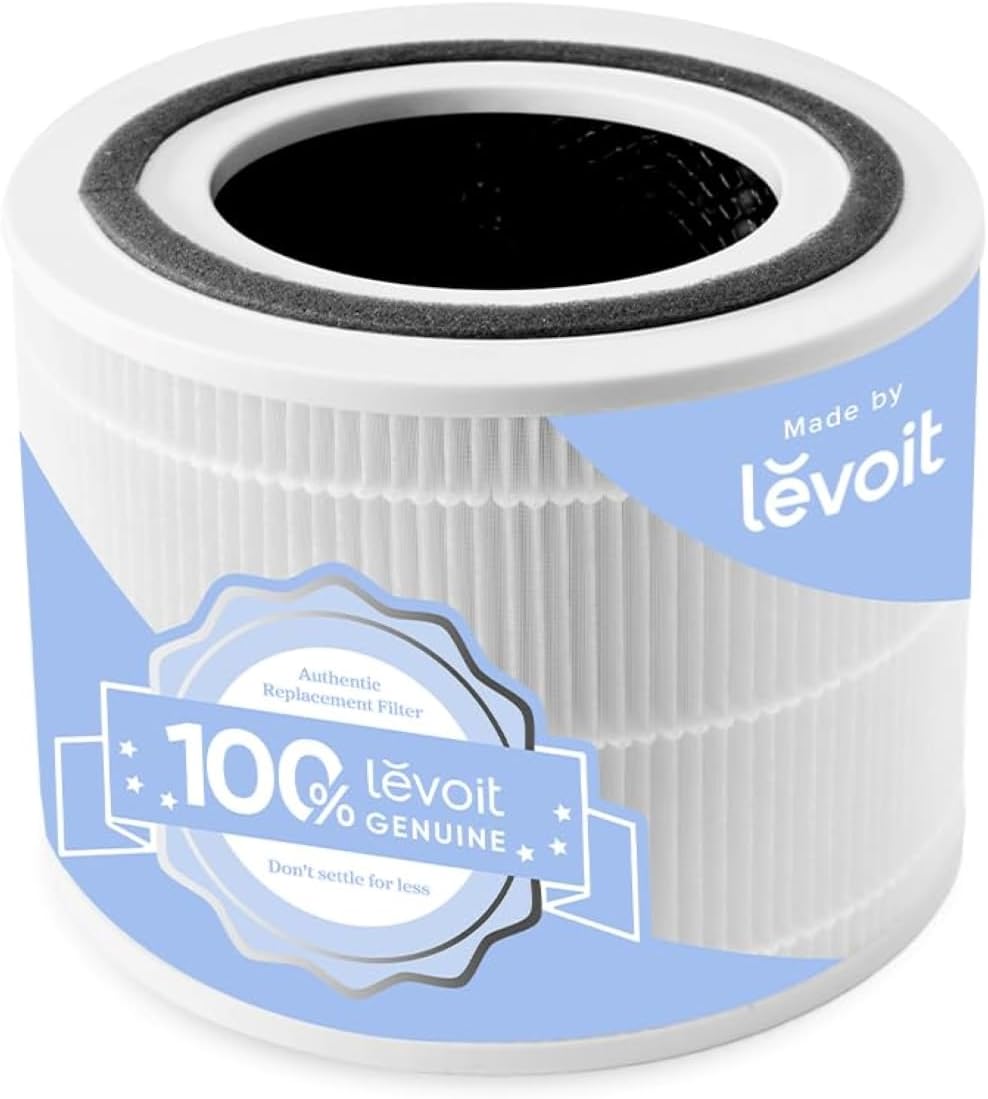
Air purifiers utilize filters, most commonly HEPA (High-Efficiency Particulate Air) filters, to trap microscopic particles from the air. They draw in air, pass it through these filters, and then recirculate cleaner air back into the room.
Reducing Allergens and Irritants
By removing allergens like dust mites, pollen, and pet dander, as well as irritants like smoke particles and VOCs, an air purifier can create a more comfortable breathing environment for your baby. This is especially beneficial for infants with sensitivities or allergies.
Potential Benefits for Respiratory Health
A cleaner air environment can support better respiratory health in infants. Reducing exposure to pollutants may help prevent or alleviate symptoms of conditions like asthma or allergies, which can indirectly impact sleep quality.
Evidence Linking Air Quality and SIDS
The scientific community continues to investigate the intricate relationship between environmental factors and SIDS. While direct causation is not established, studies have shown correlations between certain air quality issues and increased SIDS risk.
Studies on Smoke Exposure
Research has consistently shown a strong link between exposure to cigarette smoke (both prenatal and postnatal) and an increased risk of SIDS. Eliminating smoke from the baby’s environment is a critical SIDS prevention strategy.
Other Environmental Factors
Beyond smoke, studies are exploring the impact of other environmental factors, including the potential role of airborne pathogens or irritants. Maintaining a clean and healthy home environment is always recommended by health authorities.
Safe Sleep Practices: The Foundation of SIDS Prevention
It’s crucial to reiterate that the most effective strategies for preventing SIDS focus on safe sleep practices. These are the primary recommendations from organizations like the AAP.
The ABCs of Safe Sleep
The AAP promotes the “ABCs” of safe sleep: Alone on their Back in a Crib. This means placing your baby on their back to sleep, in their own crib or bassinet, without any soft bedding, pillows, or stuffed animals.
Creating a Safe Sleep Environment
A safe sleep environment also includes keeping the baby’s room at a comfortable temperature, avoiding overheating, and not placing the baby on a soft sleep surface like a couch or adult bed.
The Importance of Room Sharing
Room sharing, where the baby sleeps in the parents’ room but on a separate surface like a crib or bassinet, is recommended for at least the first six months. This can reduce the risk of SIDS by as much as 50%, according to some studies.
Choosing an Air Purifier for Your Baby’s Room
If you decide to use an air purifier, selecting the right model is important to ensure it’s effective and safe for your baby’s nursery. Consider these factors when making your choice.
HEPA Filters: The Gold Standard
Look for air purifiers that feature true HEPA filters, which are certified to capture at least 99.97% of airborne particles 0.3 microns in size. This is essential for effectively removing fine dust, pollen, and other microscopic irritants.
Activated Carbon Filters
Many air purifiers also include activated carbon filters, which are excellent at absorbing odors and gases, including VOCs. This can be particularly beneficial if you’re concerned about off-gassing from new furniture or carpets.
Noise Levels
Babies are sensitive to noise, so opt for an air purifier with a quiet mode or a low decibel (dB) rating. A unit that operates quietly can contribute to a more peaceful sleep environment.
Ozone Production
Be wary of air purifiers that produce ozone as a byproduct. Ozone can be a lung irritant, especially for infants. Look for models that are certified as ozone-free.
Room Size and CADR
Ensure the air purifier is appropriately sized for your baby’s room. Check the Clean Air Delivery Rate (CADR) for the specific pollutants the unit targets (dust, smoke, pollen) to match it with your room’s square footage.
Integrating Air Purifiers with Safe Sleep Practices
An air purifier should be seen as a complementary tool to, not a replacement for, established safe sleep guidelines. Its role is to enhance the overall healthiness of the sleep environment.
Air Purifier Placement
Place the air purifier in the baby’s room, ensuring it’s not too close to the crib where it could pose a safety hazard or create a draft. Allow for adequate airflow around the unit.
Running the Air Purifier
For optimal benefit, run the air purifier consistently, especially during sleep times. Many models have timers or can be set to operate continuously.
Maintenance and Filter Replacement
Regularly clean and replace the air filters as recommended by the manufacturer. Clogged filters become ineffective and can even recirculate captured particles.
Expert Opinions and Recommendations
Health organizations and pediatric experts emphasize safe sleep as the primary strategy for SIDS prevention. While they acknowledge the benefits of a clean air environment, their focus remains on established risk reduction methods.
American Academy of Pediatrics (AAP) Guidelines
The AAP’s guidelines on SIDS prevention primarily focus on back sleeping, room sharing, and avoiding soft bedding and overheating. They do not specifically recommend air purifiers for SIDS prevention.
What Experts Say About Air Quality
While not directly linked to SIDS prevention, experts generally agree that good indoor air quality is beneficial for infant health. Reducing exposure to pollutants can support a baby’s developing respiratory system.
Addressing Parental Concerns and Achieving Peace of Mind
The quest for peace of mind is a natural part of parenthood, especially when it comes to infant safety. Understanding the role of an air purifier can help alleviate some of these anxieties.
The Comfort of a Clean Environment
Knowing you’re taking steps to create the cleanest possible environment for your baby can be incredibly reassuring. An air purifier can contribute to this sense of control and care.
Focusing on What You Can Control
While SIDS is unpredictable, parents can control many factors related to their baby’s sleep environment. Focusing on these controllable elements, including air quality, can empower parents.
When to Consult a Pediatrician
Always discuss any concerns about your baby’s health or sleep environment with your pediatrician. They can provide personalized advice based on your child’s specific needs.
Frequently Asked Questions (FAQ)
Can an air purifier prevent SIDS directly?
No, an air purifier cannot directly prevent SIDS. SIDS is a complex condition with multiple contributing factors, and air purifiers do not address all known risk factors.
What are the most important ways to prevent SIDS?
The most important ways to prevent SIDS include placing your baby on their back to sleep, using a firm sleep surface, room sharing without bed sharing, and avoiding exposure to smoke, alcohol, and illicit drugs.
Are there any benefits to using an air purifier in a baby’s room?
Yes, using an air purifier can help reduce airborne irritants like dust, pollen, pet dander, and smoke particles, which can improve overall air quality and potentially benefit a baby’s respiratory health and sleep quality.
What type of air purifier is best for a nursery?
Look for an air purifier with a true HEPA filter and an activated carbon filter, and ensure it is quiet and does not produce ozone. Always check its suitability for the room size.
Should I run an air purifier all the time in the nursery?
Running an air purifier consistently, especially during sleep times, can help maintain cleaner air. However, ensure it’s placed safely away from the crib and doesn’t create a draft.
What should I avoid in a baby’s sleep environment?
You should avoid soft bedding, blankets, pillows, stuffed animals, bumper pads, overheating the room, and placing the baby on their stomach or side to sleep.
Can a humidifier help with SIDS prevention?
Humidifiers are not directly linked to SIDS prevention. While they can help with congestion, it’s important to keep them clean to prevent mold growth and not over-humidify the room, which could encourage dust mites.
Conclusion
While the question “can an air purifier prevent SIDS?” is a common one for concerned parents, the answer is nuanced. An air purifier is not a direct SIDS prevention tool, and it should never be considered a substitute for adhering to the well-established safe sleep guidelines recommended by organizations like the American Academy of Pediatrics. However, by creating a cleaner, healthier sleep environment free from common airborne irritants like dust, dander, and smoke particles, an air purifier can contribute positively to your baby’s overall respiratory health and comfort. This, in turn, may indirectly support better sleep quality. Ultimately, focusing on the ABCs of safe sleep – Alone, on their Back, in a Crib – remains the most critical strategy for reducing the risk of SIDS. Integrating an appropriately chosen and maintained air purifier into your baby’s room can be an additional step towards fostering a nurturing and healthy environment, offering a measure of peace of mind alongside diligent adherence to proven safety practices.