How Do I Fix a Wet Dry Vacuum That Won’t Suction?

Quick Answer
If your wet dry vacuum won’t suction, unplug it first. Empty the tank, clean or replace the correct filter, check the float, clear the hose and attachments, tighten the drain cap, and inspect every hose connection for leaks. The official RIDGID wet/dry vac troubleshooting guide recommends many of these same checks for poor suction.
Try these steps in order
- Unplug the vacuum: Disconnect power before opening the tank, removing the filter, or clearing a blockage.
- Empty the tank: A full tank or collection bag can restrict airflow or activate the wet-pickup float.
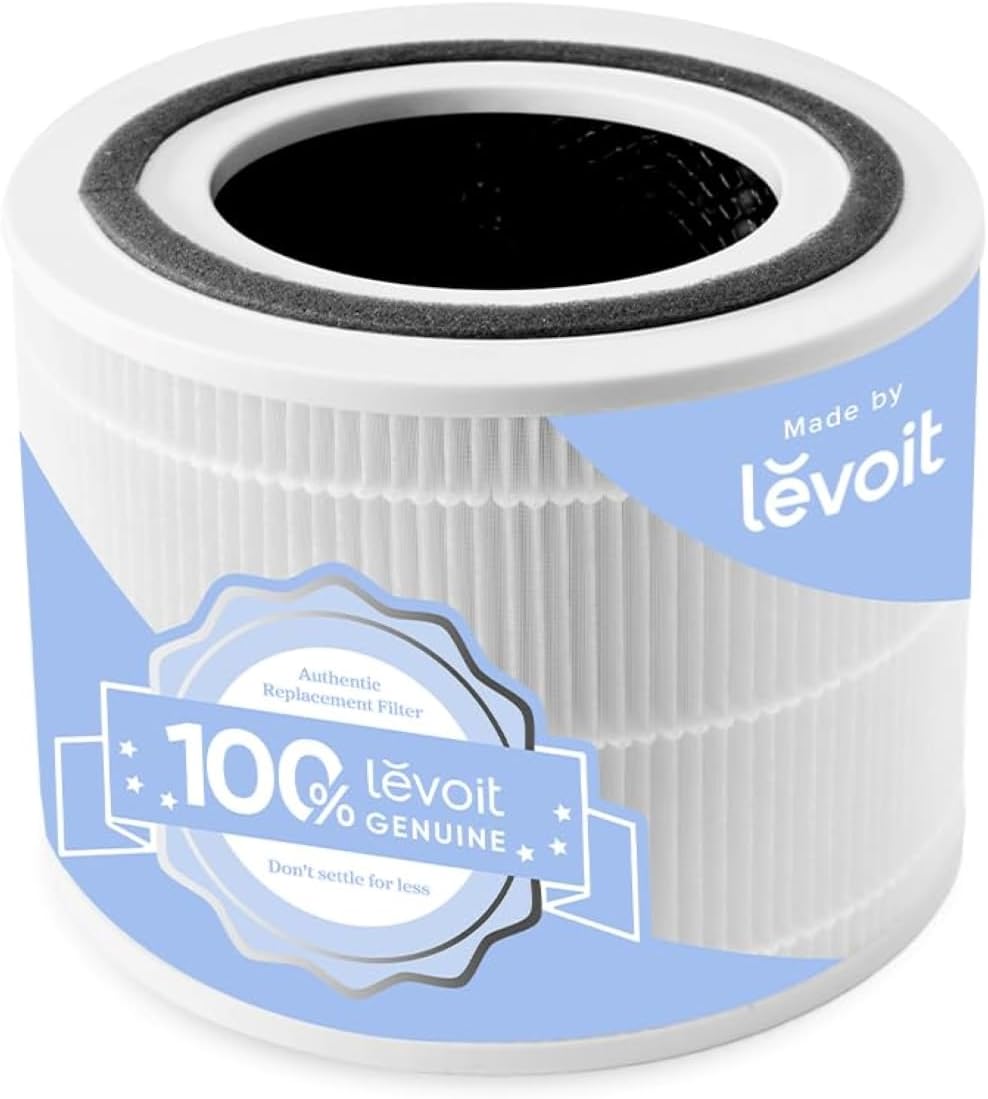
- Check the filter: Clean, dry, install, or replace it according to your exact model’s manual.
- Clear the airflow: Inspect the hose, inlet, wand, and attachments for packed debris.
- Check for leaks: Look for hose cracks, loose connections, an open drain cap, or a poorly seated powerhead.
- Inspect the float: After wet pickup, make sure the float moves freely instead of remaining stuck in the shutoff position.
A wet dry vacuum can lose suction even while its motor still sounds normal. In most cases, I start by checking airflow, the filter, the tank, and the hose before assuming the motor has failed.
This guide focuses on practical home-hygiene troubleshooting you can do without dismantling electrical components. It also explains when the problem has moved beyond routine maintenance.
In This Guide
- Why Does a Wet Dry Vacuum Suddenly Lose Suction?
- How Do You Diagnose Where the Suction Is Being Lost?
- How Do You Fix a Clogged Hose, Tank, or Filter?
- Can an Air Leak Make a Wet Dry Vacuum Stop Suctioning?
- Why Does a Wet Dry Vacuum Lose Suction After Picking Up Water?
- When Does Poor Suction Mean the Vacuum Needs Repair?
- Wet Dry Vacuum Suction FAQ
Why Does a Wet Dry Vacuum Suddenly Lose Suction?
A wet dry vacuum usually loses suction because airflow is blocked, air is leaking into the system, or the wet-pickup shutoff has activated. A motor problem is possible, but it shouldn’t be your first assumption.
A wet dry vacuum is a motorized cleaning appliance designed to collect approved dry debris and, when configured correctly, certain liquids. Suction depends on a sealed airflow path from the nozzle through the hose and collection tank.
The most common causes include:
- Full tank: Dry debris or liquid has reached the vacuum’s working capacity.
- Clogged filter: Fine dust has restricted airflow through the filter media.
- Blocked hose: Hair, wood chips, paper, mud, or another object is trapped inside.
- Loose hose: Outside air enters before useful suction reaches the nozzle.
- Cracked hose: Even a small split can weaken airflow at the cleaning end.
- Open drain cap: A poorly sealed tank drain can create a significant air leak.
- Stuck float: The liquid shutoff mechanism may remain raised after wet pickup.
- Incorrect filter setup: The filter configuration may not match the material being collected.
Shop-Vac’s official troubleshooting guidance lists a loose hose connection, clogged filter, full tank, and damaged hose among common reasons for suction loss.
That matches the order I use at home. I check the simple airflow problems first because they can imitate a much more expensive motor failure.
How Do You Diagnose Where the Suction Is Being Lost?
The fastest way to troubleshoot a wet dry vacuum is to test suction close to the tank and then move outward. This separates a vacuum-body problem from a hose or attachment problem.
Start with the tank inlet
Turn the vacuum off before removing the hose. Once everything is correctly positioned and safe, reconnect power and briefly test suction directly at the tank inlet without placing fingers or loose clothing inside the opening.
If suction feels strong at the tank but weak at the end of the hose, focus on the hose, wand, and attachments. If suction is weak at the tank itself, focus on the filter, tank, seals, float, and internal airflow.
| What You Find | Most Useful Area to Check | Next Action |
|---|---|---|
| Strong suction at tank inlet, weak at hose end | Hose, wand, or attachment | Clear clogs and inspect the hose for cracks |
| Weak suction at tank inlet | Filter, tank, float, seals | Empty tank and inspect airflow components |
| Suction stopped after collecting liquid | Tank level and float | Empty tank and confirm the float moves freely |
| Suction improves after filter removal for inspection | Filter condition or installation | Service the filter exactly as the manual permits |
| Air leak or whistling near tank | Powerhead, drain cap, hose connection | Reseat and tighten removable components |
This isolation test prevents random part replacement. You can narrow the fault to one section of the airflow path before spending money.
One caution: never defeat safety switches, remove protective electrical covers, or run the vacuum in an unsafe configuration just to test suction.
How Do You Fix a Clogged Hose, Tank, or Filter?

Clogs and dirty filters are among the first problems to check because they directly restrict airflow. Unplug the vacuum before removing any component.
1. Empty the tank completely
Remove dry debris, collected water, or a full disposable bag. Debris can pile around the inlet even when the drum doesn’t look completely full.
If you recently collected damp material, check for mud or compacted dirt. Wet debris can stick to surfaces and narrow the airflow opening.
2. Inspect the hose from both ends
Detach the hose and look through it when possible. Common blockages include paper, leaves, cloth, hair, wood shavings, and combinations of damp dirt and larger debris.
- Check both hose openings.
- Inspect bends where debris commonly catches.
- Check extension wands separately.
- Remove and inspect each attachment.
- Avoid sharp tools that could puncture the hose.
Hose diameter can also affect clogging behavior. An archived Consumer Reports wet/dry vacuum guide noted that models using 2½-inch hoses tended to work faster and clog less than models using 1¼-inch hoses in its past testing.
3. Service the filter correctly
A dust-loaded filter can make a healthy vacuum feel almost powerless. Fine material such as sanding dust can load a filter much faster than large workshop debris.
Don’t automatically wash the filter. Some filters are washable, while others must be tapped clean or replaced.
- Check the filter for heavy dust buildup.
- Look for tears or damaged filter media.
- Confirm it is installed in the correct position.
- Clean it only by an approved method.
- Let washable filters dry completely before reuse.
A filter isn’t just there for cleanliness. It is part of the vacuum’s airflow system, so the wrong filter or a badly clogged one can change performance dramatically.
Can an Air Leak Make a Wet Dry Vacuum Stop Suctioning?
Yes. A wet dry vacuum can have a clear hose and clean filter yet still produce poor nozzle suction when outside air enters through a loose or damaged part.
Think of the airflow path as a sealed tube. The more air that enters through unwanted gaps, the less useful suction remains at the nozzle.
Check these common leak points
- Hose connection: Push or lock the hose fully into the tank inlet.
- Hose wall: Bend the hose gently and look for splits that open under movement.
- Drain cap: Make sure the cap is present and tightened correctly.
- Powerhead: Seat the motor housing squarely on the collection drum.
- Tank edge: Look for cracks, distortion, or debris preventing a proper fit.
- Accessory joints: Check loose extension wands and adapters.
I pay special attention to the hose when suction seems normal near the vacuum but disappears at the floor tool. A pinhole or split can be surprisingly difficult to notice when the hose is lying still.
A damaged hose should usually be replaced rather than patched with an improvised repair that can open again. Use the correct replacement for your machine whenever possible.
Why Does a Wet Dry Vacuum Lose Suction After Picking Up Water?
If suction stops during or immediately after wet pickup, check the tank level and float shutoff. Many wet dry vacuums use a float mechanism to reduce or stop airflow before liquid can travel farther into the machine.
That behavior may feel like a malfunction. In reality, it can mean the tank has filled enough to activate its protection system.
Empty the tank and inspect the float
- Switch the vacuum off.
- Unplug it from the outlet.
- Empty the liquid according to the manufacturer’s directions.
- Inspect the float for dirt or dried residue.
- Confirm the float moves freely.
- Reassemble the vacuum correctly before testing again.
Shop-Vac’s wet/dry vacuum guidance also explains that filter requirements vary between wet and dry pickup. Its wet/dry vacuum Q&A notes that some models use a foam sleeve for wet pickup, while exact filter requirements depend on the machine.
This is why I don’t recommend copying another owner’s filter setup just because the vacuums look similar. Follow the manual for your exact model.
Watch electrical safety around water
Keep the plug, outlet, cord connections, and powered parts away from standing water. Don’t use a vacuum with a damaged power cord.
The U.S. Consumer Product Safety Commission explains that ground-fault circuit interrupters, or GFCIs, are intended to reduce electrical shock hazards and are especially important in locations where electricity and moisture may meet.
Expert Alert: Stop using the vacuum if the plug, cord, switch, motor housing, or electrical components have been exposed to unsafe water conditions. Have a qualified technician or electrician assess the problem instead of opening electrical components yourself.
When Does Poor Suction Mean the Vacuum Needs Repair?

Professional repair becomes more likely when the airflow path is clear, filters are correct, seals are intact, and the float moves normally but suction remains abnormally weak. Internal motor or blower problems may require diagnosis.
Stop troubleshooting immediately if you notice signs that suggest an electrical or motor fault.
- Smoke: Switch off and unplug the machine immediately.
- Persistent burning smell: Stop using the vacuum and arrange service.
- Damaged cord or plug: Don’t continue operating the appliance.
- Unusual sparking with an electrical odor: Disconnect power and seek qualified service.
- Grinding or severe mechanical noise: Stop before further damage occurs.
- No improvement after basic checks: Contact the manufacturer or an appliance repair professional.
As of 2026, the safest repair advice is still model-specific. Your owner’s manual and the manufacturer’s support documentation should take priority over generic internet instructions.
Don’t open the motor housing unless the manufacturer explicitly provides a homeowner-service procedure that you’re qualified to follow. Internal electrical troubleshooting can expose you to shock hazards and can also affect warranty coverage.
Section Takeaway: Clear airflow problems and leaks are reasonable homeowner checks. Smoke, electrical odors, cord damage, or suspected internal motor faults belong with qualified service.
Wet Dry Vacuum Suction FAQ
Why is my wet dry vacuum running but not sucking?
A running motor with little suction usually points to restricted airflow, an air leak, a full tank, a dirty filter, a hose blockage, or an activated float. Start at the tank inlet and work outward so you can identify which part of the airflow path is causing the loss.
Can a dirty filter cause a shop vac to lose suction?
Yes. Dust trapped in the filter can restrict the volume of air moving through the vacuum. Clean or replace the filter using the method specified for your model, and never wash a filter unless the manufacturer says it is washable.
Why does my shop vac stop sucking when vacuuming water?
The liquid level may have raised the internal float, which is designed to protect the vacuum from overfilling. Turn the machine off, unplug it, empty the tank, and make sure the float moves freely before continuing.
How do I know if my wet dry vacuum hose is clogged?
Remove the hose and compare suction at the tank inlet with suction at the hose end. Strong suction at the inlet but poor suction through the hose strongly points toward a hose, wand, or attachment blockage or an air leak.
Can a cracked vacuum hose reduce suction?
Yes. A crack lets outside air enter the hose before suction reaches the cleaning nozzle. Flex the hose gently during inspection because small splits can remain almost invisible until the hose bends.
Should I run a wet dry vacuum without the filter to test it?
Don’t run it without a filter unless the manufacturer specifically instructs you to do so for that operating mode. Wet and dry pickup configurations vary, and using an incorrect setup can send debris toward parts that require protection.
What should I do if the vacuum still has no suction after cleaning everything?
Recheck the hose connection, drain cap, powerhead fit, tank, float, and filter installation. If the complete airflow path is clear and properly sealed but suction remains weak, contact the manufacturer or a qualified repair technician for model-specific diagnosis.
Final Takeaway
When a wet dry vacuum won’t suction, start with the airflow system instead of assuming the motor is dead. Empty the tank, inspect the filter, clear the hose, check the float, and eliminate air leaks.
If suction is strong at the tank but weak at the tool, concentrate on the hose and attachments. Weak suction directly at the tank points you toward the filter, tank, seals, float, or a possible internal problem.
Stop using the machine if you find smoke, electrical damage, persistent burning odors, or unsafe water exposure. For everything else, a careful step-by-step check often identifies the problem without unnecessary part replacement.