
Do Air Purifiers Cause Radiation? Proven Safety

Air purifiers do not emit harmful radiation. Rigorously tested and regulated, modern air purifiers are designed with safety as a top priority, utilizing technologies that are completely safe for home environments and do not produce ionizing radiation.
It’s completely understandable to wonder about the safety of any new appliance you bring into your home, especially when terms like “electrical” or “technology” are involved. The question of whether air purifiers cause radiation is a common concern, often stemming from a general unease about electronic devices. I’m here to set your mind at ease and provide clear, factual information. We’ll dive deep into how air purifiers work and why they are entirely safe, so you can breathe easier, both literally and figuratively.
Understanding Air Purifier Technologies and Radiation
Many air purifiers operate using filtration or ionization methods that do not produce harmful radiation. Technologies like HEPA filters trap particles, while UV-C light, when properly shielded, is used for sterilization without generating dangerous emissions. It’s crucial to distinguish between different types of radiation and how they apply to home appliances.
What is Radiation?
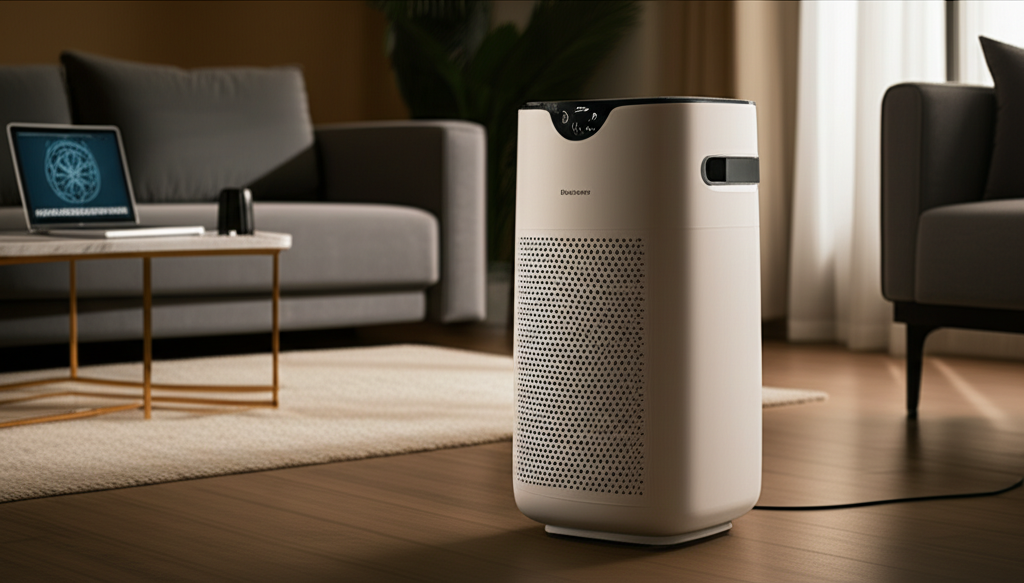
Radiation refers to energy that travels through space in the form of waves or particles. There are two main types: non-ionizing radiation, which has lower energy and is generally considered safe at typical exposure levels (like radio waves or microwave ovens), and ionizing radiation, which has higher energy and can damage cells (like X-rays or gamma rays). Air purifiers do not produce ionizing radiation.
How Do Air Purifiers Work Safely?
The most common air purifiers use mechanical filtration, such as HEPA filters, to physically trap pollutants like dust, pollen, and pet dander. Others use activated carbon filters to absorb odors and VOCs. Some purifiers incorporate technologies like UV-C light or ionization, but these are designed to be safe and contained, emitting very low levels of non-ionizing radiation or charged ions that are not harmful.
The Science Behind Air Purifier Safety
Air purifiers undergo stringent testing and certification processes to ensure they meet safety standards. Reputable manufacturers prioritize safety in their designs, adhering to regulations set by organizations like the FDA and UL. This ensures that the devices operate within safe limits for electromagnetic fields and other potential emissions.
Electromagnetic Fields (EMF) from Air Purifiers
Like most electronic devices, air purifiers do emit very low levels of electromagnetic fields (EMF). However, these emissions are non-ionizing and fall well within the safety guidelines established by international health organizations. The levels are comparable to or even lower than those emitted by common household items such as televisions or refrigerators.
The Role of UV-C Light in Air Purification
Some air purifiers use UV-C light to kill airborne bacteria and viruses. This UV-C light is typically enclosed within the unit, ensuring that direct exposure is prevented. The UV-C light itself is a form of non-ionizing radiation, and when used as intended within a shielded appliance, it poses no risk to users.
Debunking Common Misconceptions About Air Purifier Radiation
Concerns about air purifiers causing radiation often stem from confusion with other technologies or misinformation. It’s important to rely on scientific evidence and product certifications rather than unfounded fears. Reputable brands are transparent about their technology and safety features.
Ionizers and Ozone Production
Some air purifiers use ionizers, which release negative ions into the air to help particles clump together and fall out of the air. While some ionizers can produce small amounts of ozone as a byproduct, this is generally well below safety limits in modern, certified units. Look for air purifiers that are UL certified and meet California Air Resources Board (CARB) ozone emission standards for maximum safety.
Comparison to Other Household Appliances
When considering radiation from air purifiers, it’s helpful to put it into perspective. Devices like microwaves, Wi-Fi routers, and even fluorescent lights emit non-ionizing radiation. The EMF levels from air purifiers are typically much lower than these everyday items, further reinforcing their safety.
Types of Air Purifiers and Their Safety Profiles
Understanding the different types of air purifiers can help alleviate concerns. Each technology is designed with safety in mind, and rigorous testing ensures they operate without posing radiation risks.
HEPA Filter Air Purifiers
HEPA (High-Efficiency Particulate Air) filters work by physically trapping particles. They do not use any form of radiation or emit any harmful byproducts. This makes them one of the safest and most effective types of air purifiers for general use.
Activated Carbon Filter Air Purifiers
Activated carbon filters work by adsorption, trapping gases, odors, and VOCs within their porous structure. Like HEPA filters, they are a purely mechanical and chemical process, posing no radiation risk whatsoever.
UV-C Light Air Purifiers
As mentioned, UV-C light air purifiers use germicidal lamps. The key to their safety lies in the enclosed design. Reputable models ensure that the UV-C light is contained within the unit, preventing any exposure to occupants.
Ionizer and Plasma-Based Air Purifiers
These technologies work by creating charged particles. While they can be highly effective, it’s important to choose models that are certified for low ozone production. Always check for certifications like UL and CARB compliance.
Certifications and Safety Standards
Look for certifications from reputable organizations when purchasing an air purifier. These certifications indicate that the product has been tested and meets strict safety and performance standards.
UL Certification
Underwriters Laboratories (UL) is a global safety certification company. UL certification on an air purifier means it has been tested and found to meet specific safety requirements, including electrical safety and potential emissions.
Energy Star and AHAM Verifide
While not directly related to radiation, Energy Star certification indicates energy efficiency, and AHAM Verifide (Association of Home Appliance Manufacturers) ensures performance claims for CADR (Clean Air Delivery Rate) are accurate. These certifications often go hand-in-hand with well-designed, safe products.
California Air Resources Board (CARB)
For air purifiers with ionizers or other technologies that could potentially produce ozone, CARB certification is crucial. It signifies that the unit meets strict ozone emission limits, ensuring it is safe for indoor use.
Expert Opinions and Scientific Consensus
Health organizations and scientific bodies have consistently stated that the levels of non-ionizing radiation emitted by common household appliances, including air purifiers, are not harmful. The consensus is that the benefits of cleaner indoor air far outweigh any negligible risks associated with these devices.
What Health Organizations Say
Organizations like the World Health Organization (WHO) and the U.S. Food and Drug Administration (FDA) provide guidelines on radiation exposure. Their research indicates that EMF levels from typical home electronics, including air purifiers, are not linked to adverse health effects.
The Safety of Modern Air Purifiers
Modern air purifiers are designed with advanced safety features. Manufacturers are aware of consumer concerns and invest in technologies that are both effective and safe, adhering to international standards.
Choosing a Safe Air Purifier for Your Home
When selecting an air purifier, prioritize models from reputable brands that clearly state their safety features and certifications. Reading reviews and understanding the technology used can also help you make an informed decision.
Key Features to Look For
HEPA Filter: For effective particle removal without any emissions.
Activated Carbon Filter: For odor and VOC control.
UL Certification: Ensures electrical and general safety.
CARB Certification: Essential for ionizers to ensure low ozone.
* Enclosed UV-C Light: If the unit has UV-C, ensure it’s well-shielded.
What to Avoid
Avoid air purifiers with unsubstantiated claims or those that do not provide clear information about their safety certifications. Be wary of devices that claim to emit high levels of ions without mentioning ozone control.
Frequently Asked Questions About Air Purifier Radiation
Do air purifiers emit harmful radiation?
No, air purifiers do not emit harmful ionizing radiation. They may emit very low levels of non-ionizing electromagnetic fields (EMF), which are considered safe and comparable to other household electronics.
Are ionizer air purifiers safe?
Ionizer air purifiers are generally safe if they meet strict ozone emission standards, such as those set by the California Air Resources Board (CARB). Look for CARB-certified models to ensure minimal ozone production.
Is UV-C light in air purifiers dangerous?
UV-C light in air purifiers is only dangerous if you are directly exposed to it. Reputable air purifiers use enclosed UV-C chambers, preventing any exposure to users.
What is the difference between ionizing and non-ionizing radiation?
Ionizing radiation has enough energy to remove electrons from atoms and molecules, potentially damaging DNA. Non-ionizing radiation has lower energy and does not have this effect; it’s the type emitted by most electronics.
Can I feel or see radiation from an air purifier?
No, you cannot feel or see the low levels of non-ionizing radiation or EMF emitted by air purifiers. These emissions are a normal byproduct of electronic devices.
Which type of air purifier is safest regarding radiation?
Air purifiers that rely solely on HEPA and activated carbon filters are the safest as they involve no electrical emissions beyond the fan motor, which produces negligible EMF.
Conclusion: Breathe Easy with Safe Air Purification
It’s clear that the concern over whether air purifiers cause radiation is largely unfounded. Modern air purifiers are designed with advanced safety features and undergo rigorous testing to ensure they operate safely within your home. Technologies like HEPA filtration and activated carbon are inherently radiation-free, while other features like UV-C light and ionizers are implemented with safety enclosures and emission controls. By choosing certified products from reputable brands, you can confidently use an air purifier to improve your indoor air quality without worrying about harmful radiation. Enjoy cleaner, healthier air knowing your device is proven safe.
