
Do Air Purifier Prevent Mold: Proven Essential Solution

Yes, air purifiers can help prevent mold growth by removing airborne mold spores, reducing their ability to colonize and spread. While not a standalone solution, they are an essential part of a comprehensive mold prevention strategy, working alongside humidity control and proper ventilation.
Mold is more than just an unsightly nuisance; it’s a potential health hazard that can thrive in damp, poorly ventilated areas of your home. Many homeowners worry about mold spores circulating in the air, seeking effective ways to combat this persistent problem. If you’re wondering whether an air purifier can be a key player in your fight against mold, you’ve come to the right place. I’ll guide you through how these devices work and their role in creating a healthier living environment.
How Air Purifiers Combat Mold Spores
Air purifiers can significantly reduce the concentration of airborne mold spores, which are the primary way mold spreads and establishes new colonies. By trapping these microscopic particles, they prevent spores from settling on surfaces where they can germinate and grow. This makes them a valuable tool in proactive mold management.
The Mechanism: HEPA Filters and Beyond
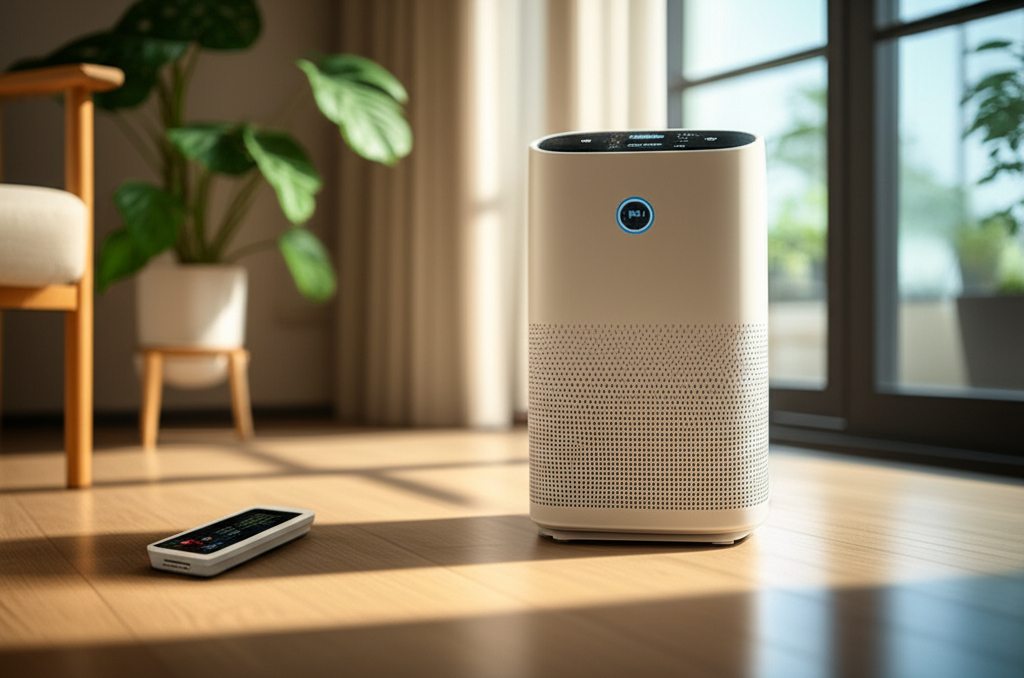
The effectiveness of an air purifier against mold largely depends on its filtration system. High-Efficiency Particulate Air (HEPA) filters are crucial, as they are designed to capture at least 99.97% of airborne particles as small as 0.3 microns. Since many mold spores fall within this size range, HEPA filters are highly effective at removing them from the air.
Some advanced air purifiers also feature activated carbon filters, which can help absorb odors associated with mold, though they don’t kill mold itself. UV-C light technology is another feature some units offer, aiming to neutralize mold spores that pass through the purifier. However, the primary defense against mold spores remains the physical trapping by HEPA filters.
HEPA Filter Effectiveness Explained
A true HEPA filter is the gold standard for capturing mold spores. It physically traps particles in a dense mesh, preventing them from recirculating into your home. This is a passive but highly effective method for reducing the airborne load of mold.
Activated Carbon’s Role
While activated carbon filters don’t kill or remove mold spores, they excel at adsorbing the volatile organic compounds (VOCs) that mold releases, which cause that musty smell. This can make your home feel fresher even if mold is present.
UV-C Light and Mold
UV-C light can indeed kill mold spores and other microorganisms. However, the effectiveness of UV-C in air purifiers depends on the intensity of the light and the duration the spores are exposed to it. It’s often considered a supplementary feature rather than the primary mold-fighting mechanism.
Understanding Mold Spore Viability
Mold spores are resilient and can remain dormant for long periods, waiting for the right conditions to grow. An air purifier doesn’t kill spores; it removes them from the air. Once removed and trapped in the filter, they are no longer a threat to your indoor air quality.
Do Air Purifiers Prevent Mold from Growing?
While air purifiers are excellent at removing existing mold spores from the air, they do not directly prevent mold from growing. Mold requires moisture, a food source (organic material), and suitable temperatures to thrive. An air purifier addresses only one aspect of the mold growth equation: airborne spores.
The Critical Role of Humidity Control
The most significant factor in preventing mold growth is controlling indoor humidity levels. Mold needs moisture to grow and spread, typically thriving in environments with relative humidity above 60%. Reducing humidity is paramount.
Dehumidifiers: The Primary Defense
For areas prone to high humidity, such as bathrooms, basements, or kitchens, a dehumidifier is often more critical than an air purifier for mold prevention. Dehumidifiers actively remove excess moisture from the air, creating an environment where mold cannot easily grow. According to the Environmental Protection Agency (EPA), maintaining indoor humidity levels between 30-50% is key to preventing mold.
Ventilation is Key
Proper ventilation helps to remove moist air and replace it with drier air. This includes using exhaust fans in bathrooms and kitchens, opening windows when weather permits, and ensuring good airflow throughout your home. Poor ventilation often traps moisture, creating ideal conditions for mold.
Air Purifiers as a Supportive Solution
An air purifier acts as a crucial supportive tool in a comprehensive mold prevention strategy. By capturing airborne spores, it reduces the “seed” population available to colonize damp areas, making your other prevention efforts more effective. Think of it as an added layer of protection.
Choosing the Right Air Purifier for Mold Spores
When selecting an air purifier to help manage mold spores, prioritize models with robust HEPA filtration. Look for units designed for the square footage of the room you intend to use them in, ensuring they have a high Clean Air Delivery Rate (CADR) for smoke and dust, which are similar in particle size to mold spores.
Key Features to Look For
True HEPA Filter: Essential for capturing fine mold spores. Avoid “HEPA-type” or “HEPA-like” filters, which are less effective.
High CADR: A higher CADR means the purifier can clean the air more quickly and efficiently.
Sufficient Room Coverage: Ensure the unit is rated for the size of your space.
Activated Carbon Filter (Optional but Recommended): Helps manage mold-related odors.
* Pre-filter: Captures larger particles like dust and pet dander, extending the life of the HEPA filter.
Air Purifier Placement Matters
Place your air purifier in areas where mold is a recurring issue or where humidity tends to be higher, such as near bathrooms, in basements, or in bedrooms. Ensuring good air circulation around the unit will maximize its effectiveness. Avoid placing it directly against walls or furniture.
Limitations of Air Purifiers in Mold Prevention
It’s vital to understand that an air purifier cannot solve a mold problem on its own. If you have visible mold growth or a persistent moisture issue, the air purifier will be overwhelmed and ineffective. Addressing the source of moisture is always the first and most critical step.
Surface Mold is the Real Enemy
Air purifiers only deal with airborne particles. They cannot clean mold that has already established itself on surfaces like walls, ceilings, or fabrics. Visible mold growth requires direct cleaning and remediation.
When to Call a Professional
If you suspect a significant mold infestation (more than a few square feet), or if you experience mold-related health symptoms, it’s best to consult a professional mold remediation specialist. They can identify the source of the problem and safely remove the mold.
Mold Prevention: A Multi-Pronged Approach
Effectively preventing mold requires a combination of strategies. An air purifier is a valuable component, but it must be integrated with other essential practices for a truly healthy home environment.
The Pillars of Mold Prevention
1. Control Moisture: Keep humidity levels below 50%, fix leaks promptly, and ensure proper ventilation.
2. Improve Air Circulation: Use fans and open windows when possible.
3. Clean Regularly: Dust and vacuum regularly to remove potential food sources for mold.
4. Use an Air Purifier: Capture airborne mold spores and improve overall air quality.
5. Address Visible Mold Immediately: Clean small mold spots with appropriate solutions or call a professional for larger infestations.
How Air Purifiers Help with Existing Mold Problems
Even if you have some existing mold, an air purifier can help manage the situation while you address the root cause. By capturing spores released into the air, it can prevent them from spreading to new areas of your home and reduce the concentration of allergens for those sensitive to mold.
Reducing Airborne Allergens
For individuals suffering from mold allergies, an air purifier can offer significant relief. By filtering out mold spores, it lowers the exposure levels, potentially reducing symptoms like sneezing, coughing, and itchy eyes. This makes living with a minor mold issue more tolerable while remediation is underway.
Preventing Cross-Contamination
If you are cleaning a moldy area, an air purifier placed nearby can help capture any spores that become airborne during the cleaning process. This can prevent those spores from traveling to unaffected parts of your home. It’s a good practice to run the purifier during and after cleaning.
Air Purifier Maintenance for Optimal Performance
To ensure your air purifier continues to effectively capture mold spores, regular maintenance is essential. This primarily involves cleaning or replacing the filters according to the manufacturer’s recommendations.
Filter Replacement Schedule
HEPA filters typically need to be replaced every 6 to 12 months, depending on usage and air quality. A clogged filter will drastically reduce the purifier’s effectiveness and airflow. Always check your owner’s manual for specific guidelines.
Cleaning Pre-filters
Many air purifiers have washable pre-filters that capture larger particles. Cleaning these regularly (e.g., monthly) will prolong the life of the main HEPA filter and maintain optimal performance.
Comparing Air Purifiers to Other Mold Solutions
It’s helpful to understand where air purifiers fit in the broader landscape of mold prevention and remediation. They are not a substitute for essential moisture control or professional cleaning but offer unique benefits.
| Solution | Primary Function | Effectiveness Against Mold Spores | Best Use Case |
| :———————- | :————————————————– | :——————————– | :————————————————————————- |
| Air Purifier | Captures airborne particles (including mold spores) | High | Reducing airborne spore count, improving air quality, allergy relief |
| Dehumidifier | Reduces indoor humidity | Indirect (inhibits growth) | High-humidity areas (basements, bathrooms), preventing mold establishment |
| Ventilation | Replaces moist air with dry air | Indirect (inhibits growth) | Bathrooms, kitchens, general air circulation |
| Mold Cleaners | Kills/removes surface mold | Direct (on surfaces) | Visible mold growth on non-porous surfaces |
| Professional Remediation | Comprehensive mold removal and source identification | High | Large infestations, water-damaged materials, health concerns |
Frequently Asked Questions About Air Purifiers and Mold
Frequently Asked Questions
Can an air purifier completely eliminate mold from my home?
No, an air purifier cannot completely eliminate mold. It effectively removes airborne mold spores but cannot address existing mold growth on surfaces or the underlying moisture issues that cause mold.
Which type of air purifier is best for mold?
An air purifier with a True HEPA filter is the most effective for capturing mold spores. Models with activated carbon filters can also help with associated odors.
How often should I run my air purifier for mold prevention?
For optimal mold spore capture, it’s recommended to run your air purifier continuously, especially in areas prone to moisture or mold.
Will an air purifier kill mold?
Most air purifiers do not kill mold. HEPA filters trap mold spores, and some units with UV-C light may kill spores, but the primary function is removal from the air.
Can air purifiers help with mold allergies?
Yes, by significantly reducing the concentration of airborne mold spores, air purifiers can help alleviate symptoms for individuals with mold allergies.
What’s more important: an air purifier or a dehumidifier for mold?
Controlling moisture with a dehumidifier and ensuring proper ventilation are more critical for preventing mold growth than an air purifier alone. An air purifier is a supportive tool for managing airborne spores.
Do I need an air purifier if I don’t see any mold?
Even if you don’t see visible mold, microscopic mold spores are likely present in the air. An air purifier can help keep these spores at bay, contributing to overall indoor air quality and proactive prevention.
Conclusion: Air Purifiers as an Essential Ally Against Mold
In conclusion, while air purifiers do not prevent mold growth on their own, they are an indispensable part of a comprehensive mold prevention strategy. By effectively capturing airborne mold spores, they play a vital role in reducing the spread of mold and mitigating its impact on indoor air quality and health. When combined with diligent moisture control, proper ventilation, and regular cleaning, an air purifier with a True HEPA filter can significantly enhance your efforts to maintain a mold-free and healthy home. Investing in a quality air purifier is a proactive step towards breathing easier and safeguarding your living space from the pervasive threat of mold.
