
Can You Use Air Purifier For Mold? Essential Guide

Yes, you can use an air purifier for mold, but it’s not a standalone solution. An air purifier can help capture airborne mold spores, improving air quality, but it won’t eliminate the source of the mold. For effective mold remediation, you need to address the moisture problem and clean the mold itself.
Can You Use Air Purifier For Mold? An Essential Guide for a Healthier Home
Dealing with mold in your home can be a frustrating and concerning issue, impacting both your living space and your well-being. You might be wondering if your trusty air purifier can lend a hand in this battle. The good news is that an air purifier can be a valuable tool in your arsenal against airborne mold spores, helping to clean the air you breathe. However, it’s crucial to understand its role and limitations. This guide will walk you through how air purifiers can help with mold, what features to look for, and why they are just one part of a comprehensive mold management strategy.
What is Mold and Why is it a Problem?
Mold is a type of fungus that thrives in damp, humid environments. It reproduces by releasing microscopic spores into the air, which can spread easily. When these spores land on a suitable surface with moisture and food sources (like drywall or wood), they can grow into new mold colonies. Mold can cause various health issues, including allergic reactions, asthma symptoms, and other respiratory problems, especially for sensitive individuals.
How Air Purifiers Help Combat Airborne Mold Spores
Air purifiers work by drawing in the air from a room, passing it through a series of filters, and then releasing cleaner air back into the space. For mold, the most critical component is the High-Efficiency Particulate Air (HEPA) filter. A true HEPA filter is designed to capture at least 99.97% of airborne particles as small as 0.3 microns. Since mold spores typically range from 1 to 20 microns, a HEPA filter is highly effective at trapping them.
By continuously filtering the air, an air purifier can significantly reduce the concentration of mold spores circulating in your home. This is particularly helpful in rooms where mold is suspected but not yet visible, or after you’ve cleaned up visible mold to catch any remaining airborne particles. It helps create a healthier indoor environment by removing these allergens and irritants from your breathing space.
The Crucial Role of HEPA Filters for Mold Spore Capture
When selecting an air purifier for mold concerns, a true HEPA filter is non-negotiable. This is because mold spores, while microscopic, are solid particles that can be effectively trapped by the dense mesh of a HEPA filter. Unlike some other filter types that might only capture larger dust particles, HEPA filters are engineered to catch even the smallest airborne contaminants, including mold spores, pollen, and pet dander.
It’s important to look for the “True HEPA” designation, as some manufacturers use terms like “HEPA-type” or “HEPA-like” which do not meet the same rigorous standards. A true HEPA filter ensures that the vast majority of mold spores are physically removed from the air passing through the unit, offering genuine relief from airborne allergens.
Activated Carbon Filters: A Secondary Benefit for Mold Odors
While HEPA filters are essential for capturing mold spores, activated carbon filters play a complementary role, especially in dealing with the musty odors often associated with mold growth. Activated carbon is a porous material that adsorbs (attracts and holds) gas molecules from the air. This includes volatile organic compounds (VOCs) that contribute to moldy smells.
An air purifier with both a HEPA filter and a substantial activated carbon filter can therefore address two key issues related to mold: the physical spores and the unpleasant odors they produce. This dual-action approach offers a more comprehensive air purification solution for mold-affected areas.
Why Air Purifiers Are NOT a Mold Removal Solution
It’s vital to understand that an air purifier cannot kill or remove mold from surfaces. Mold is a living organism that grows on damp materials. An air purifier only addresses the airborne spores, not the root cause or the visible growth. If you have visible mold, using an air purifier alone will not solve the problem and could potentially spread spores if not used correctly during cleanup.
Think of it this way: an air purifier is like a vacuum cleaner for the air, capturing what’s floating around. It doesn’t scrub surfaces or fix leaky pipes. Therefore, it must be used in conjunction with proper mold remediation techniques to be truly effective.
When to Use an Air Purifier in Your Mold Management Strategy
An air purifier is most beneficial in two key scenarios:
1. During and After Visible Mold Cleanup: When you are actively cleaning up mold, or immediately after, an air purifier can help capture any spores that become airborne during the process. This minimizes their spread throughout your home.
2. In Areas with Suspected or Recurring Mold: If you have areas prone to dampness or have had mold issues in the past, running an air purifier can help maintain better air quality by continuously filtering out any stray spores that might be present. It can also help prevent mold growth in the first place by reducing spore concentration in humid areas.
Always ensure the air purifier is placed strategically to maximize airflow around the affected area, but avoid placing it directly in front of or behind the mold source itself, as this could inadvertently spread spores.
Choosing the Right Air Purifier for Mold: Key Features to Consider
When shopping for an air purifier to help with mold concerns, prioritize these features:
True HEPA Filter: As discussed, this is the most critical component for capturing mold spores.
Adequate Coverage Area (CADR): Ensure the air purifier’s Clean Air Delivery Rate (CADR) is suitable for the size of the room you intend to use it in. A higher CADR means faster air cleaning.
Activated Carbon Filter: Look for a unit with a substantial activated carbon filter to help with mold odors.
Pre-filter: A washable pre-filter can capture larger particles like dust and hair, extending the life of the HEPA and carbon filters.
Quiet Operation: Especially if you plan to use it in a bedroom or living area.
Filter Replacement Indicator: This helps ensure you replace filters on time for optimal performance.
Consider brands like Blueair, Coway, and Levoit, which are known for their effective filtration systems and robust build quality. For instance, the Coway Airmega series often features multi-stage filtration systems that include HEPA and carbon filters, making them a strong contender for mold-related air quality concerns.
Understanding Air Purifier Performance Metrics for Mold
When evaluating air purifiers, pay attention to their performance metrics, especially those relevant to mold spore removal. The Clean Air Delivery Rate (CADR) is a key indicator. It measures how quickly an air purifier can clean a room of specific pollutants, including smoke, dust, and pollen. While there isn’t a specific CADR for mold spores, a higher CADR for dust and pollen generally means better performance for capturing mold spores.
Another metric to consider is the ACH (Air Changes per Hour). This indicates how many times the air purifier can circulate and filter the entire volume of air in a room within one hour. For mold spore reduction, aiming for at least 4-5 ACH is recommended. This means the air in the room is being filtered at least four to five times every hour, significantly reducing airborne particle concentration.
Here’s a quick comparison of what to look for:
| Feature | Importance for Mold | Explanation |
| :——————- | :—————— | :————————————————————————————————————- |
| True HEPA Filter | Essential | Captures ≥99.97% of particles 0.3 microns in size, including mold spores. |
| CADR (Pollen/Dust) | High | Higher CADR indicates faster removal of airborne particles, including mold spores. |
| Activated Carbon | Beneficial | Adsorbs odors and VOCs associated with mold growth. |
| ACH (Air Changes)| Recommended | Aim for 4-5 ACH to ensure frequent filtering of the room’s air, reducing spore concentration effectively. |
| Coverage Area | Crucial | Select a unit rated for the square footage of your room for optimal performance. |
The Limitations: What Air Purifiers Cannot Do for Mold
It’s crucial to reiterate the limitations of air purifiers when it comes to mold. They are excellent at capturing airborne spores, but they cannot:
Kill mold: They don’t have the capability to kill live mold organisms.
Remove mold from surfaces: They won’t clean mold off walls, ceilings, or other materials.
Fix the source of moisture: If there’s a leak or high humidity causing the mold, the air purifier won’t address this underlying issue.
Prevent mold growth on its own: Without addressing moisture, mold will continue to grow, and the air purifier will just keep trying to filter the spores it produces.
Therefore, an air purifier should always be considered a supplementary tool, not a replacement for proper mold remediation.
Addressing the Root Cause: Moisture Control is Key
The most critical step in dealing with mold is to identify and eliminate the source of moisture. Mold cannot grow without it. Common sources of excess moisture include:
Leaky pipes, roofs, or windows
High indoor humidity (often above 60%)
Condensation on cold surfaces
Flooding or water damage
* Poor ventilation in bathrooms and kitchens
Controlling humidity with dehumidifiers, improving ventilation (using exhaust fans, opening windows when possible), and fixing any water leaks are paramount. Without addressing these issues, mold will likely return, regardless of how well your air purifier is working. For more detailed information on mold remediation, resources like the EPA’s guidelines on mold can be very helpful.
Steps for Effective Mold Management with an Air Purifier
Here’s a practical approach to managing mold in your home, integrating an air purifier:
1. Identify and Fix Moisture Sources: This is the absolute first step. Repair leaks, improve ventilation, and use dehumidifiers to keep humidity levels below 60%.
2. Clean Visible Mold: For small areas (less than 10 square feet), you can often clean mold yourself using a detergent and water solution. Always wear protective gear like gloves, a mask (N95 respirator), and eye protection. For larger infestations, consult a professional mold remediation service.
3. Use an Air Purifier During Cleanup: Place your air purifier with a HEPA filter in the room where you are cleaning mold. This will help capture airborne spores released during the cleaning process.
4. Run Air Purifier Continuously: After cleanup, continue running the air purifier in the affected area, or in rooms where mold is a recurring concern. This helps maintain lower spore counts in the air.
5. Regular Filter Maintenance: Replace HEPA and carbon filters according to the manufacturer’s recommendations. Clogged filters become ineffective and can even become a breeding ground for bacteria.
6. Monitor for Recurrence: Keep an eye on the area for any signs of mold returning. If it does, re-evaluate your moisture control measures.
Frequently Asked Questions About Air Purifiers and Mold
Can an air purifier kill mold spores?
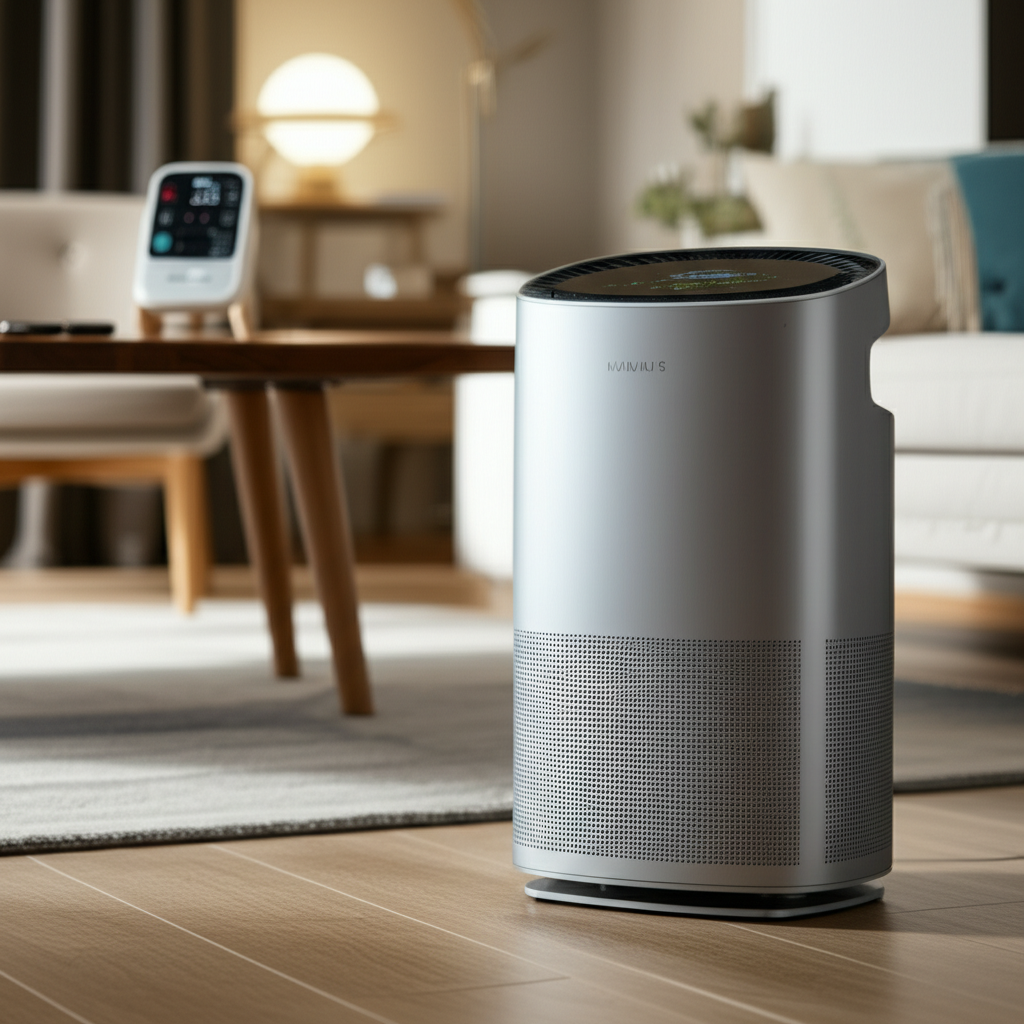
No, air purifiers with HEPA filters capture mold spores but do not kill them. The spores are trapped in the filter, and the filter needs to be disposed of properly when it’s time for replacement.
How often should I run my air purifier for mold?
For best results, especially in areas prone to mold or after cleanup, run your air purifier continuously. At a minimum, run it for several hours a day in affected rooms.
Will an air purifier help with mold allergies?
Yes, an air purifier with a HEPA filter can significantly help reduce mold spore concentration in the air, which can alleviate allergy symptoms for sensitive individuals.
What is the best type of air purifier for mold?
The best type of air purifier for mold is one equipped with a True HEPA filter to capture spores and an activated carbon filter to address odors. Ensure its CADR is appropriate for your room size.
Can I use an ozone generator for mold?
It is generally not recommended to use ozone generators for mold. While ozone can kill mold, it is a lung irritant and can be harmful to your health. Air purifiers with HEPA filters are a safer and more effective option for managing airborne mold.
How do I know if my air purifier is working for mold?
You may notice a reduction in musty odors and potentially a decrease in allergy or asthma symptoms related to mold. For a more objective measure, consider air quality monitors that can detect particle levels, though they may not specifically identify mold.
Conclusion: A Powerful Ally, Not a Magic Bullet
In summary, can you use an air purifier for mold? Yes, absolutely, and it’s a smart addition to your home’s air quality strategy. An air purifier, particularly one with a true HEPA filter, is highly effective at capturing airborne mold spores, thereby improving indoor air quality and reducing potential allergens. However, it’s crucial to remember that an air purifier is a tool for managing symptoms and airborne particles, not a solution for the mold itself.
The true battle against mold is won by addressing the underlying moisture issues that allow it to grow. By combining diligent moisture control, proper cleaning, and the continuous operation of a well-chosen air purifier, you can create a significantly healthier and more comfortable living environment. Invest in a quality air purifier with HEPA filtration, maintain it diligently, and pair it with a proactive approach to home moisture management for the best defense against mold.
