
Can I Use Air Purifier and Diffuser at Same Time? Essential Guide

Yes, you can often use an air purifier and a diffuser simultaneously, but understanding how they work and potential interactions is crucial for optimal air quality and safety. This guide explores the best practices to enjoy both purified and fragranced air without compromising your health or the effectiveness of your devices.
Many of us seek to create the perfect ambiance in our homes, combining the benefits of clean air with pleasant aromas. This naturally leads to the question: can I use air purifier and diffuser at the same time? The short answer is generally yes, but it’s not as simple as just plugging both in. Understanding the distinct functions of each device and how they might interact is key to a healthy and enjoyable indoor environment.
Understanding Your Devices: Air Purifiers vs. Diffusers
Air purifiers are designed to remove airborne contaminants, while diffusers disperse essential oils into the air for aromatherapy. Both contribute to a better home environment, but their mechanisms are different, and combining them requires careful consideration. Knowing their individual purposes helps us understand how they can coexist.
How Air Purifiers Work to Clean Your Air
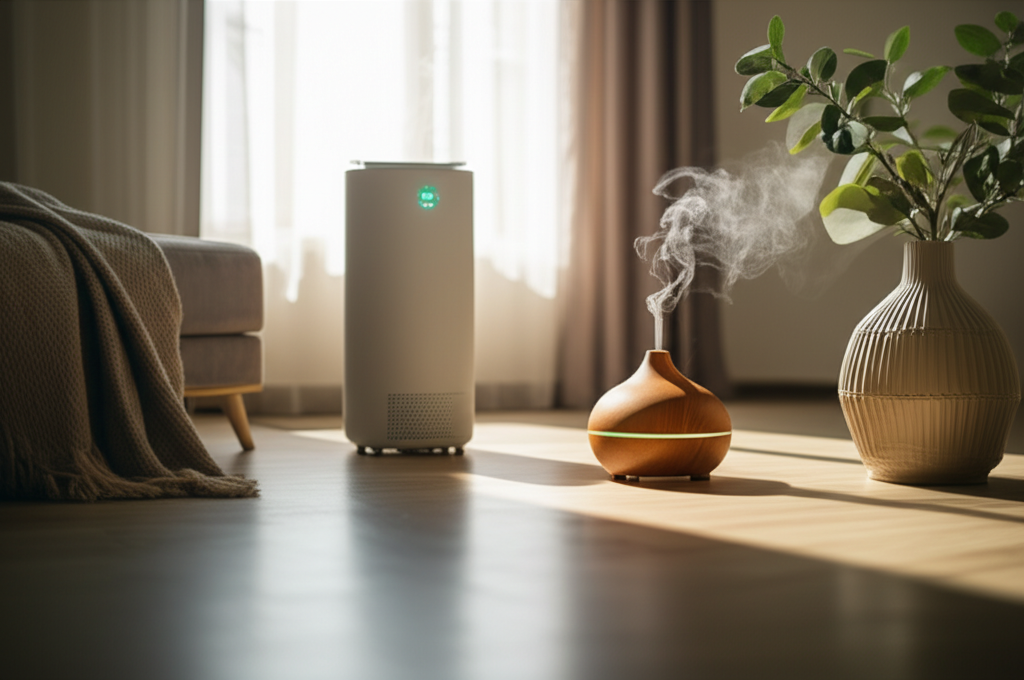
Air purifiers actively draw in air, pass it through a filtration system to capture pollutants like dust, pollen, pet dander, and smoke, and then release cleaner air back into the room. The effectiveness of an air purifier depends heavily on its filter type and the size of the room it’s intended for. For instance, HEPA filters are highly effective at trapping microscopic particles, significantly improving indoor air quality.
The Role of Essential Oil Diffusers
Essential oil diffusers use various methods—like ultrasonic vibrations, heat, or evaporation—to release the aromatic molecules of essential oils into the atmosphere. They are primarily used for their therapeutic benefits, mood enhancement, and to impart pleasant scents. It’s important to use high-quality, pure essential oils with diffusers to avoid introducing harmful chemicals into your air.
The Crucial Question: Can I Use Air Purifier and Diffuser at the Same Time?
The most common concern when considering using both devices simultaneously is whether the diffuser’s output might negatively impact the air purifier’s performance or, more importantly, your health. Fortunately, with the right approach, you can enjoy the benefits of both without issue. This section will delve into the specifics of how to achieve this harmony.
Potential Interactions and Concerns
When you use an air purifier and a diffuser at the same time, the primary concern is that the oils dispersed by the diffuser might be captured by the air purifier’s filter. While this is true, it doesn’t necessarily mean it’s harmful. However, certain oils, when heated or aerosolized, can potentially degrade filter components over extended periods or create a residue. It’s also important to consider the concentration of oils in the air.
Factors to Consider for Simultaneous Use
Several factors influence whether using both devices together is a good idea. These include the type of diffuser, the quality and type of essential oils used, the placement of the devices, and the sensitivity of individuals in the household to airborne substances. Understanding these elements will guide you in making the best choices for your home environment.
Best Practices for Using Both Devices Together
To ensure you can safely and effectively use your air purifier and diffuser at the same time, follow these recommended practices. These steps are designed to maximize the benefits of both devices while minimizing potential drawbacks.
Strategic Placement for Optimal Performance

Positioning your devices correctly is paramount. Ideally, place your air purifier and diffuser in different parts of the room, or at least a few feet apart. This separation helps prevent the diffuser’s mist from being immediately drawn into the air purifier, allowing the scent to diffuse more evenly before purification. Avoid placing the diffuser directly next to the air purifier’s intake or output.
Choosing the Right Diffuser and Oils
Not all diffusers and essential oils are created equal. Opt for ultrasonic or nebulizing diffusers, which don’t use heat, as heat can alter the chemical composition of essential oils. Always use 100% pure, therapeutic-grade essential oils. Avoid synthetic fragrance oils, as they can release volatile organic compounds (VOCs) that are detrimental to air quality and may clog your air purifier’s filters. Research reputable brands like doTERRA or Young Living for quality oils.
Air Purifier Filter Considerations
Your air purifier’s filter type matters. Most modern air purifiers, especially those with HEPA filters, are designed to handle a variety of airborne particles. While essential oil molecules are very fine, they are generally not so potent as to damage a high-quality HEPA filter. However, some manufacturers suggest that heavy or continuous use of diffusers might lead to a faster saturation of the pre-filter or carbon filter, requiring more frequent cleaning or replacement.
Essential Oil Usage and Concentration
Moderation is key when it comes to essential oils. Use only a few drops of essential oil in your diffuser at a time. Overuse can lead to an overwhelming scent and potentially increase the concentration of airborne particles that your air purifier needs to manage. Pay attention to the room size and the diffuser’s recommended oil quantity.
Monitoring Your Air Quality
Listen to your body and observe your environment. If you notice any adverse reactions, such as headaches, respiratory irritation, or increased dust buildup, it might be a sign that your current setup isn’t working optimally. Adjust the placement, oil concentration, or duration of use for your diffuser.
When to Be Cautious or Avoid Simultaneous Use
While generally safe, there are specific situations where you might want to exercise caution or reconsider using both devices together. Being aware of these scenarios can help you make informed decisions about your home environment.
Individuals with Respiratory Sensitivities
If anyone in your household suffers from asthma, allergies, or other respiratory conditions, proceed with extra caution. Some essential oils can trigger symptoms in sensitive individuals. In such cases, it might be best to use the devices at different times or consult with a healthcare professional before combining their use.
Certain Types of Air Purifiers
While less common, some older or specialized air purifiers might be more susceptible to damage from diffused oils. For example, air purifiers with very fine mesh pre-filters or those that rely on specific electronic components might be affected by oily residues. Always check your air purifier’s manual for any specific warnings about using diffusers in the same space.
Poorly Ventilated Spaces
Using both devices in a small, poorly ventilated room can lead to an over-saturation of the air with both purified particles and essential oil molecules. This can create an environment that feels heavy or even irritating. Ensure adequate ventilation, even when using air purification and diffusion.
How to Maximize the Benefits of Both

By implementing a few smart strategies, you can ensure that both your air purifier and diffuser contribute positively to your home’s atmosphere. The goal is to create a synergistic effect rather than a conflicting one.
Staggering Usage Times
Consider using your air purifier and diffuser at different times of the day. For example, run your air purifier continuously to maintain clean air, and use your diffuser for a few hours in the morning or evening to enjoy the aromatherapy benefits. This approach ensures that the air purifier can effectively do its job without being constantly exposed to a high concentration of diffused oils.
Using Air Purifiers with Activated Carbon Filters
Activated carbon filters are particularly effective at adsorbing odors and VOCs. If you plan to use a diffuser regularly, an air purifier equipped with a substantial activated carbon filter can help capture not only pollutants but also any excess aroma molecules or potential byproducts from the essential oils. Brands like Coway often feature robust carbon filters in their purifiers.
Room Size and Device Capacity
Ensure your devices are appropriately sized for your room. An undersized air purifier will struggle to clean the air effectively, and an oversized diffuser can quickly overpower a small space. Matching the capacity of your air purifier and diffuser to your room dimensions is essential for a balanced environment.
Can I Use Air Purifier and Diffuser in the Same Room?
Yes, you can generally use both an air purifier and a diffuser in the same room. The key is to manage their placement and the intensity of the diffuser. By following the best practices outlined above, you can create a healthy and pleasant atmosphere.
Creating a Balanced Environment
A balanced environment means enjoying fresh, clean air alongside subtle, pleasing aromas. This can be achieved by ensuring proper ventilation, using high-quality products, and being mindful of the concentration of essential oils. It’s about enhancing your living space, not overwhelming it.
Benefits of Combined Use
When used correctly, combining an air purifier and a diffuser can offer enhanced benefits. You get the advantage of cleaner air, free from allergens and pollutants, complemented by the mood-boosting and therapeutic effects of essential oils. This synergy can contribute significantly to overall well-being and a more enjoyable home environment.
Frequently Asked Questions (FAQ)
Q1: Will essential oils damage my air purifier’s filter?
In most cases, high-quality HEPA filters are resilient. However, heavy or continuous use of diffusers might lead to faster saturation of pre-filters or carbon filters, potentially requiring more frequent replacement.
Q2: Can I put essential oils directly into my air purifier?
No, absolutely not. Air purifiers are not designed to diffuse essential oils, and doing so can damage the unit and its filters, and potentially release harmful substances.
Q3: Which type of diffuser is best to use with an air purifier?
Ultrasonic or nebulizing diffusers are recommended, as they do not use heat, which can alter essential oil properties and potentially create byproducts.
Q4: What if I have allergies or asthma? Can I still use both?
If you have respiratory sensitivities, it’s best to be cautious. Use diffusers sparingly, opt for milder oils, and consider using the devices at different times. Consult your doctor if you have concerns.
Q5: How close should my air purifier and diffuser be?
It’s best to keep them a few feet apart to allow the scent to disperse naturally before being filtered, and to prevent the diffuser’s mist from being immediately drawn into the purifier.
Q6: How much essential oil should I use?
Start with just a few drops (2-5) for a standard-sized room. You can gradually increase if needed, but avoid overpowering the space.
Q7: Can I use synthetic fragrance oils with a diffuser when I have an air purifier?
It’s strongly advised against using synthetic fragrance oils, as they can release VOCs harmful to your health and may leave a residue that affects your air purifier’s performance.
Conclusion: Enjoying Clean and Aromatic Air
Ultimately, the question of can I use air purifier and diffuser at the same time is answered with a qualified yes. By understanding how each device functions and adhering to best practices—like strategic placement, using high-quality oils and devices, and being mindful of sensitivities—you can create a harmonious environment that promotes both health and well-being. Embrace the synergy of clean, purified air and the delightful aromas of essential oils to enhance your living space.
