
Can Air Purifiers Prevent You From Getting Sick? Proven Defense

Yes, air purifiers can significantly help prevent you from getting sick by removing airborne pathogens like viruses and bacteria. They act as a vital layer of defense in your home or office, complementing other hygiene practices for a healthier environment.
Feeling under the weather more often than you’d like? In today’s world, staying healthy is a top priority, and we’re always looking for effective ways to protect ourselves and our families from illness. One question that often comes up is: can air purifiers prevent you from getting sick? It’s a great question, and the answer is a resounding yes, with the right understanding and approach. I’ll guide you through how these devices work as a proven defense, helping you breathe easier and feel more confident about your indoor air quality.
How Air Purifiers Act as a Proven Defense Against Illness
Air purifiers can indeed be a powerful tool in preventing illness by actively removing airborne contaminants that can cause sickness. They achieve this by filtering out viruses, bacteria, mold spores, and other allergens that circulate in your indoor environment, thereby reducing your exposure to these harmful agents.
By capturing these microscopic threats, air purifiers create a cleaner breathing space, significantly lowering the risk of inhaling pathogens that can lead to respiratory infections and other ailments. This makes them a crucial component of a proactive health strategy, especially during flu season or when dealing with sensitive individuals.
The Science Behind Cleaner Air and Reduced Sickness
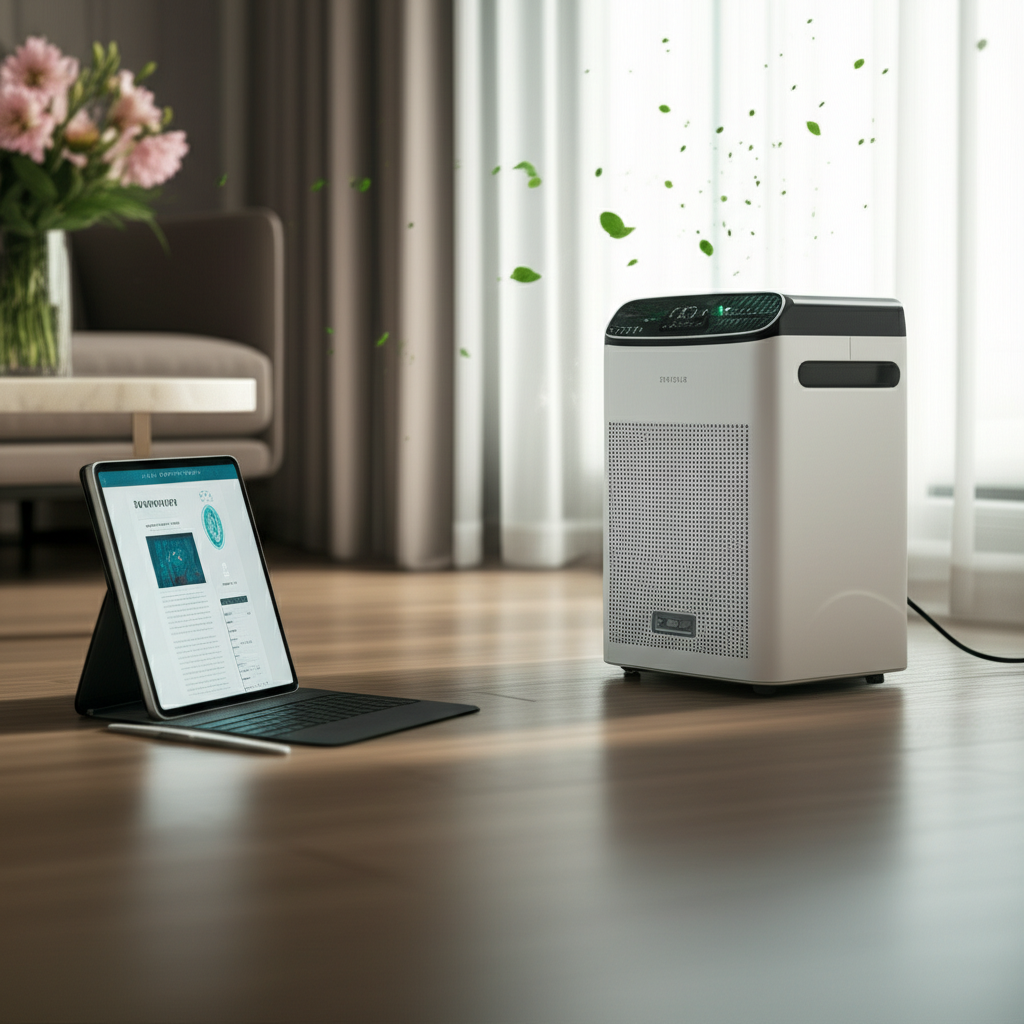
The fundamental principle is simple: airborne particles, including viruses and bacteria, are a primary mode of transmission for many infectious diseases. Air purifiers, equipped with advanced filtration systems, capture these particles before they can be inhaled.
HEPA (High-Efficiency Particulate Air) filters, a standard in many quality air purifiers, are designed to trap at least 99.97% of airborne particles as small as 0.3 microns. This includes many common viruses and bacteria, offering a tangible barrier against illness-causing agents.
Understanding Airborne Pathogens and How They Spread
Many common illnesses, such as the flu, common cold, and even COVID-19, spread through respiratory droplets released when an infected person coughs, sneezes, or talks. These droplets can remain suspended in the air for varying amounts of time.
Smaller particles, known as aerosols, can linger in the air even longer and travel further, especially in poorly ventilated spaces. Air purifiers are particularly effective at capturing these smaller, persistent airborne particles, thus disrupting the chain of transmission.
The Role of HEPA Filters in Capturing Germs
HEPA filters are the workhorses of air purification when it comes to combating airborne pathogens. Their dense fiber mesh acts like a fine net, physically trapping microscopic particles.
The effectiveness of a HEPA filter lies in its ability to capture particles through a combination of mechanisms, including impaction, interception, and diffusion, even those smaller than 0.3 microns. This makes them incredibly adept at removing viruses and bacteria from the air you breathe.
How HEPA Filters Work: A Closer Look
Particles are captured through several processes as they flow through the HEPA filter. Larger particles are stopped by direct impaction, while medium-sized particles are caught by interception as they brush against the fibers. Smaller, lighter particles move erratically and get stuck through diffusion.
This multi-faceted approach ensures that a wide range of airborne contaminants, including viruses, bacteria, pollen, and dust mites, are effectively removed from your indoor air. Choosing an air purifier with a true HEPA filter is a critical step in creating a healthier living environment.
Beyond HEPA: Other Filtration Technologies
While HEPA filters are paramount, other technologies can complement their action. Activated carbon filters, for instance, are excellent at adsorbing odors, gases, and volatile organic compounds (VOCs), which can also impact respiratory health.
Some purifiers also incorporate UV-C light technology, which can help neutralize airborne microorganisms by damaging their DNA. However, it’s crucial to ensure the UV-C dosage is sufficient to be effective and that the unit is designed safely. For instance, brands like Coway often integrate multiple stages of filtration for comprehensive air cleaning.
Activated Carbon and UV-C Light Explained
Activated carbon filters have a porous structure that traps gases and odors through adsorption. This is beneficial for removing pollutants like smoke, pet odors, and chemical fumes, which can irritate the respiratory system.
UV-C light works by emitting ultraviolet radiation at a specific wavelength that is harmful to microorganisms. When air passes through the UV-C chamber, the light can inactivate viruses, bacteria, and mold spores, preventing them from reproducing and causing illness. However, the effectiveness can vary based on the dwell time and intensity of the UV light.
Proven Defense: Studies and Expert Opinions
Numerous studies have demonstrated the efficacy of air purifiers in reducing airborne pathogens. Research published in journals like the Journal of the American Medical Association (JAMA) has shown that improving indoor air quality with HEPA filtration can reduce the incidence of respiratory infections.
Public health organizations, such as the Centers for Disease Control and Prevention (CDC), also acknowledge the role of air filtration in mitigating the spread of airborne diseases, particularly in shared indoor spaces. They recommend considering air cleaning devices as part of a layered approach to improve ventilation and air quality.
Key Findings from Research on Air Purifiers
Studies have indicated that air purifiers equipped with HEPA filters can significantly reduce the concentration of airborne viruses and bacteria in a room. For example, research focusing on influenza transmission has shown a reduction in viral load in the air when air purifiers are in use.
Furthermore, improved indoor air quality has been linked to fewer sick days in schools and offices, suggesting a direct impact on overall health and productivity. This evidence underscores the importance of air purifiers as a proactive measure against illness.
When to Use Air Purifiers for Maximum Effectiveness
The best time to use air purifiers is continuously, especially in areas where people spend the most time, such as bedrooms and living rooms. This ensures a constant reduction in airborne contaminants.
They are particularly crucial during peak illness seasons like fall and winter, or when someone in the household is sick. Running them in shared spaces or rooms with poor ventilation can offer substantial protection.
Optimizing Air Purifier Placement and Usage
For optimal performance, place your air purifier in the room where you spend the most time or where air quality is a concern. Avoid placing it directly against walls or furniture, as this can obstruct airflow.
Ensure the unit is appropriately sized for the room’s square footage. For instance, a unit designed for a small bedroom might not be effective in a large living area. Regularly cleaning or replacing the filters, as per the manufacturer’s instructions, is also vital for maintaining their effectiveness.
Choosing the Right Air Purifier for Your Needs
When selecting an air purifier, consider the size of the room it will be used in and look for a unit with a true HEPA filter. Check the Clean Air Delivery Rate (CADR) for smoke, dust, and pollen to ensure it’s suitable for your space.
Features like multiple fan speeds, a quiet mode, and filter replacement indicators can enhance user experience. Brands like Blueair and Levoit are known for offering a range of effective models with varying features to suit different needs and budgets.
Factors to Consider: HEPA, CADR, and Room Size
A true HEPA filter is non-negotiable for capturing small particles like viruses. The CADR rating indicates how quickly the purifier can clean a room of specific pollutants; higher CADR means faster purification.
Match the air purifier’s coverage area to your room size. Many manufacturers provide recommended room sizes, often based on a certain number of air changes per hour (ACH), which is crucial for effective germ removal.
Air Purifiers vs. Other Prevention Methods
Air purifiers are not a standalone solution but a powerful complement to other preventative measures. Handwashing, vaccination, and maintaining good ventilation are also critical components of staying healthy.
While these methods address direct contact and individual immunity, air purifiers tackle the airborne transmission route, offering an additional layer of defense that is often overlooked. They work in synergy with other healthy habits.
Synergy: Air Purifiers and Healthy Habits
Combining air purification with regular handwashing, covering coughs and sneezes, and staying home when sick creates a robust defense system. Good ventilation, whether through opening windows or using mechanical systems, also plays a role in diluting airborne contaminants.
Think of it as a multi-pronged approach: handwashing stops germs from entering your body, vaccines boost your immunity, and air purifiers reduce the presence of germs in the air you breathe. Each element strengthens your overall protection.
Maintaining Your Air Purifier for Peak Performance
To ensure your air purifier continues to prevent you from getting sick effectively, regular maintenance is key. This primarily involves cleaning or replacing the filters according to the manufacturer’s schedule.
Neglecting filter maintenance can significantly reduce the unit’s efficiency, turning a powerful defense tool into a less effective one. Some units have indicator lights that signal when it’s time for maintenance.
Filter Replacement and Cleaning Schedules
HEPA filters typically need to be replaced every 6 to 12 months, depending on usage and air quality. Activated carbon filters may also require replacement, often at similar intervals. Always check your model’s manual for specific recommendations.
Pre-filters, which capture larger particles like dust and hair, can often be vacuumed or washed. This helps extend the life of the main HEPA filter. Keeping the unit clean and free of dust buildup also ensures optimal airflow and performance.
When Might an Air Purifier Not Be Enough?
While highly effective, air purifiers are not a magic bullet. They cannot prevent all illnesses, especially those transmitted through direct contact or ingestion of contaminated food or water.
Furthermore, their effectiveness can be limited in very large, open-plan spaces or areas with extremely high levels of airborne contaminants if the unit is undersized or not run continuously. They work best as part of a comprehensive approach to health.
Limitations and Realistic Expectations
It’s important to have realistic expectations. Air purifiers significantly reduce airborne pathogens but cannot eliminate them entirely. They are most effective when used in conjunction with other hygiene practices and when placed in appropriately sized rooms.
For instance, if someone in your household is actively sick, an air purifier can help reduce airborne viral load, but it won’t replace the need for isolation and other care measures. Understanding these limitations ensures you use the device optimally.
Frequently Asked Questions About Air Purifiers and Sickness
Here are answers to some common questions about how air purifiers can help keep you healthy:
Q1: Can an air purifier kill viruses?
True HEPA filters capture viruses, preventing them from circulating. Some purifiers with UV-C light may also help inactivate viruses, though their effectiveness varies.
Q2: How quickly can an air purifier help reduce illness?
Air purifiers begin improving air quality immediately by filtering particles. However, the time it takes to notice a significant reduction in illness depends on many factors, including the level of contamination and other hygiene practices.
Q3: Are air purifiers effective against all types of germs?
Air purifiers are most effective against airborne germs like viruses and bacteria. They are less effective against germs transmitted through surfaces or water.
Q4: Do I need an air purifier if I have good ventilation?
Even with good ventilation, indoor air can contain pollutants and pathogens. An air purifier provides an additional layer of filtration to capture remaining airborne contaminants, further enhancing air quality.
Q5: How many air changes per hour (ACH) do I need for germ prevention?
For effective germ reduction, aim for an air purifier that provides at least 4-5 air changes per hour (ACH) in the room. This means the purifier cycles all the air in the room through its filters that many times per hour.
Q6: Can air purifiers help with allergies and asthma, which can make me more susceptible to sickness?
Yes, air purifiers excel at removing allergens like pollen, dust mites, and pet dander, which can trigger allergy and asthma symptoms. By reducing these irritants, they can improve respiratory health and potentially lower susceptibility to infections.
Conclusion: Your Proven Defense for Healthier Indoor Air
So, can air purifiers prevent you from getting sick? The evidence strongly suggests they can play a significant role as a proven defense. By effectively removing airborne viruses, bacteria, and other pathogens, these devices create a cleaner, healthier indoor environment, reducing your exposure to illness-causing agents.
Investing in a quality air purifier with a true HEPA filter, placing it strategically, and maintaining it properly are key steps to maximizing its benefits. Remember, an air purifier is a powerful ally in your health arsenal, working alongside other essential practices like handwashing and good ventilation to keep you and your loved ones well.
