
Best Air Purifiers for Germs: Proven Clean Air

The best air purifiers for germs create a healthier indoor environment by effectively capturing airborne pathogens, allergens, and pollutants. Discover top-rated models proven to deliver cleaner, safer air for your home and family, providing peace of mind and improved respiratory well-being.
Breathe easier knowing your home is protected from invisible threats. Germs, viruses, bacteria, and allergens can linger in the air, contributing to illness and discomfort. Finding the best air purifiers for germs is crucial for safeguarding your family’s health, especially during flu season or for those with sensitivities. This guide will walk you through everything you need to know to choose a purifier that truly delivers proven clean air. We’ll explore what makes an air purifier effective against germs and highlight the top contenders that excel in this vital area.
Why Air Purifiers Are Essential for Battling Germs
Airborne pathogens like viruses and bacteria can spread easily through the air, especially in enclosed spaces. Traditional cleaning methods often miss these microscopic threats. An effective air purifier acts as a vital line of defense, actively removing these harmful particles from your breathing environment. This proactive approach significantly reduces the risk of illness and creates a healthier living space for everyone.
Understanding How Air Purifiers Tackle Germs
The effectiveness of an air purifier against germs hinges on its filtration technology and design. A multi-stage filtration system, typically including a pre-filter, a True HEPA filter, and an activated carbon filter, is key. Some models also incorporate UV-C light or ionizers, though their germ-killing efficacy and potential ozone production require careful consideration. Understanding these components helps in selecting a unit that genuinely purifies your air.
The Power of True HEPA Filtration
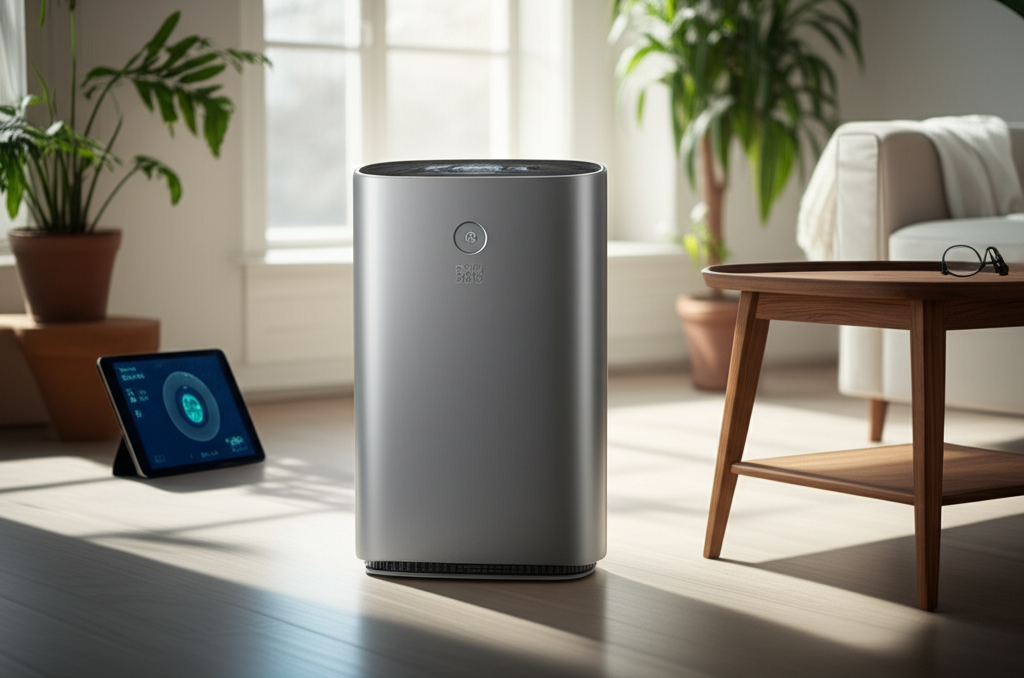
True HEPA (High-Efficiency Particulate Air) filters are the gold standard for capturing microscopic particles. They are designed to trap at least 99.97% of airborne particles as small as 0.3 microns. This includes a vast majority of viruses, bacteria, mold spores, dust mites, and allergens that can contribute to germ transmission. A robust HEPA filter is non-negotiable when seeking the best air purifiers for germs.
Activated Carbon: Beyond Particle Capture
While HEPA filters excel at trapping physical particles, activated carbon filters address airborne odors and volatile organic compounds (VOCs). These VOCs can be emitted by cleaning products, furniture, and even some viruses themselves, contributing to poor air quality. The porous nature of activated carbon adsorbs these gases, further enhancing the overall air purification process and contributing to a fresher environment.
The Role of UV-C Light and Ionizers
Some air purifiers include UV-C light intended to kill germs and viruses trapped by the filter. Ionizers release negative ions that attach to airborne particles, causing them to fall out of the air. While these technologies can offer additional benefits, it’s important to ensure they are certified as ozone-free. Excessive ozone can irritate the lungs and counteract the air purifier’s benefits.
Key Features to Look for in Germ-Fighting Air Purifiers
When selecting the best air purifiers for germs, several features significantly impact their performance and user experience. Prioritizing these aspects will ensure you invest in a unit that effectively cleans your air and fits seamlessly into your lifestyle. Consider the room size, noise levels, and ease of maintenance for optimal results.
CADR Ratings: A Measure of Performance
The Clean Air Delivery Rate (CADR) is a standardized rating indicating how quickly an air purifier can filter specific pollutants like smoke, dust, and pollen. Higher CADR ratings mean faster air cleaning. For effectively tackling germs, aim for a CADR rating that is appropriate for the square footage of the room you intend to use it in. This ensures the unit can circulate and clean the air efficiently.
Room Size Coverage and Air Changes Per Hour (ACH)
An air purifier’s effectiveness is directly tied to its ability to handle the volume of air in a room. Always check the manufacturer’s recommended room size coverage. Air Changes Per Hour (ACH) indicates how many times the unit can filter the entire volume of air in a room within one hour. For germ-focused purification, an ACH of 4-5 is generally recommended for optimal air quality.
Noise Levels and Sleep Modes
Air purifiers can generate noise, especially at higher fan speeds. If you plan to use the purifier in a bedroom or living area, look for models with low decibel (dB) ratings and a dedicated sleep mode. This mode typically operates at a quieter fan speed and may dim indicator lights, ensuring undisturbed rest while still providing continuous air purification.
Smart Features and Controls
Modern air purifiers often come with smart features like Wi-Fi connectivity, app control, and air quality sensors. These allow you to monitor air quality remotely, adjust settings, and receive filter replacement alerts. Some even offer automatic modes that adjust fan speed based on detected pollutant levels, ensuring efficient and hassle-free operation.
Top Air Purifiers for Germs: Our Top Picks
After extensive research and consideration of germ-fighting capabilities, here are some of the best air purifiers for germs available today. These models consistently receive high marks for their filtration efficiency, performance, and user satisfaction, offering proven clean air solutions for various needs.
Coway Airmega AP-1512HH Mighty
This compact yet powerful air purifier is a fan favorite for a reason. Its True HEPA filter captures 99.97% of airborne pollutants, including germs and allergens. The Airmega AP-1512HH also features an advanced carbon filter for odors and an eco-mode that conserves energy when air quality is good. Its quiet operation and sleek design make it a versatile choice for bedrooms and living spaces.
Levoit Core 300S Smart True HEPA Air Purifier
The Levoit Core 300S is an excellent budget-friendly option that doesn’t compromise on germ-fighting performance. It utilizes a 3-stage filtration system, including a True HEPA filter, to capture fine dust, pollen, pet dander, and airborne bacteria. Its smart capabilities allow for app control, and the quiet sleep mode ensures peaceful nights. This purifier is ideal for small to medium-sized rooms.
Blueair Blue Pure 211+ Auto
Designed for larger spaces, the Blueair Blue Pure 211+ Auto offers exceptional air cleaning power. Its unique HEPASilent™ technology combines electrostatic and mechanical filtration to capture 99.97% of particles down to 0.1 microns. The washable fabric pre-filter comes in various colors to match your decor. Its auto mode intelligently adjusts fan speed based on real-time air quality, making it a hassle-free solution for cleaner air.
Winix 5500-2 Air Purifier with True HEPA
The Winix 5500-2 is a well-rounded air purifier that excels at tackling germs and odors. It features a True HEPA filter, an activated carbon filter, and PlasmaWave™ technology, which safely breaks down airborne pollutants. Its auto mode and air quality sensor provide convenient, responsive purification. This model is a great choice for medium to large living areas.
Comparing Air Purifiers for Germs: A Quick Look
| Model Name | Filtration Type | CADR (Smoke/Dust/Pollen) | Room Size Recommendation | Key Germ-Fighting Feature |
| :——— | :—————- | :———————– | :———————— | :———————— |
| Coway AP-1512HH | True HEPA, Carbon | 120 / 123 / 132 | Up to 361 sq ft | True HEPA filter |
| Levoit Core 300S | True HEPA, Carbon | 141 / 140 / 141 | Up to 219 sq ft | True HEPA filter |
| Blueair Blue Pure 211+ Auto | HEPASilent™ | 231 / 231 / 231 | Up to 540 sq ft | Advanced particle capture |
| Winix 5500-2 | True HEPA, Carbon, PlasmaWave™ | 232 / 231 / 243 | Up to 360 sq ft | True HEPA filter, PlasmaWave™ |
Maintaining Your Air Purifier for Optimal Germ Defense
To ensure your air purifier continues to provide the best air purifiers for germs protection, regular maintenance is essential. Clogged filters reduce airflow and decrease efficiency, allowing germs and pollutants to recirculate. Following the manufacturer’s guidelines for cleaning and replacement will maximize your unit’s lifespan and performance.
Filter Replacement Schedule
The most critical maintenance task is replacing the filters according to the manufacturer’s recommendations. True HEPA filters typically need replacing every 6-12 months, while activated carbon filters might need more frequent changes, especially if you deal with strong odors. Some purifiers have filter indicator lights to remind you when it’s time.
Cleaning the Exterior and Interior
Regularly wipe down the exterior of your air purifier with a damp cloth to keep it clean. Periodically, you may also need to clean the pre-filter, which is often washable. This prevents dust buildup that can impede airflow. Always unplug the unit before performing any cleaning.
Choosing the Right Air Purifier for Your Specific Needs
While all the listed purifiers are excellent for tackling germs, your specific situation might call for a particular model. Consider the size of your room, your budget, and any additional concerns like allergies or pet dander when making your final decision. A well-chosen purifier is an investment in your family’s health and well-being.
For Allergy Sufferers and Asthmatics
If you or a family member suffers from allergies or asthma, prioritizing a True HEPA filter is paramount. Look for models with high ACH ratings to ensure rapid removal of allergens like pollen, dust mites, and pet dander. Some purifiers also offer specialized filters for VOCs and other irritants.
For Homes with Pets
Pet owners often deal with dander, hair, and odors. Air purifiers with robust activated carbon filters are particularly beneficial for neutralizing pet-related smells. A strong HEPA filter will capture dander and hair effectively, significantly improving air quality for a cleaner, fresher home environment.
For Odor Control
If strong odors are a primary concern, opt for an air purifier with a substantial activated carbon filter. These filters are designed to adsorb odor-causing molecules. Models that combine a thick carbon layer with a high-quality HEPA filter will provide the most comprehensive solution for both odor removal and germ capture.
Frequently Asked Questions About Air Purifiers for Germs
Can air purifiers really kill germs?
Yes, air purifiers with True HEPA filters capture a very high percentage of airborne germs like bacteria and viruses. Some models also use UV-C light, which can help kill trapped microorganisms, though its effectiveness can vary.
How often should I run my air purifier for germ protection?
For optimal germ protection, it’s recommended to run your air purifier continuously, especially in high-traffic areas or when someone is sick. Using an auto mode or setting it to a medium speed when you’re home can provide consistent clean air.
Will an air purifier help with viruses like the flu or COVID-19?
While no air purifier can guarantee complete protection, they can significantly reduce the concentration of airborne viruses in a room by capturing them. This is a valuable addition to other preventative measures like handwashing and ventilation.
What is the difference between HEPA and True HEPA?
“True HEPA” filters meet a strict standard, capturing at least 99.97% of airborne particles 0.3 microns in size. Generic “HEPA-type” or “HEPA-like” filters may not meet this standard and are less effective at capturing very small particles like viruses.
How do I know if my air purifier is working effectively against germs?
Look for a True HEPA filter, a CADR rating suitable for your room size, and an adequate ACH rating (4-5x per hour). Maintaining the filters by cleaning or replacing them as recommended is crucial for sustained performance.
Conclusion: Invest in Proven Clean Air for a Healthier Home
Choosing the best air purifiers for germs is a proactive step towards creating a healthier indoor sanctuary for you and your loved ones. By understanding the technology behind effective germ filtration, such as True HEPA filters and robust activated carbon, you can make an informed decision. The models discussed offer proven performance, providing peace of mind and demonstrably cleaner air. Prioritize your family’s respiratory well-being by investing in a quality air purifier today, and breathe easier knowing you’re protected from airborne threats.
