
What’s the Best Air Purifier: Proven Clean Air

The best air purifier is one that effectively removes allergens, pollutants, and odors from your home, creating a healthier living space. Consider HEPA filters, room size coverage, and noise levels to find the ideal unit for your needs.
Is your home filled with stuffy air, sneezing, or lingering smells? You’re not alone. Many people struggle with indoor air quality. Dust, pollen, pet dander, and even cooking fumes can make breathing difficult. Finding the right air purifier can make a big difference. This guide will help you understand what to look for. We’ll break down the key features and help you find the best air purifier for clean, fresh air.
Why Clean Air Matters for Your Home
Clean air is vital for your health and well-being. Indoor air can be up to five times more polluted than outdoor air. Pollutants like dust mites, mold spores, and volatile organic compounds (VOCs) can trigger allergies and asthma. They can also cause headaches and fatigue. Improving your home’s air quality helps everyone breathe easier and feel better.
Understanding Air Purifier Technologies
Air purifiers use different methods to clean the air. The most common and effective technology is High-Efficiency Particulate Air (HEPA) filtration. HEPA filters capture 99.97% of particles as small as 0.3 microns. Other technologies include activated carbon filters for odors and UV-C light for killing germs. Some units combine these methods for comprehensive purification.
HEPA Filters: The Gold Standard
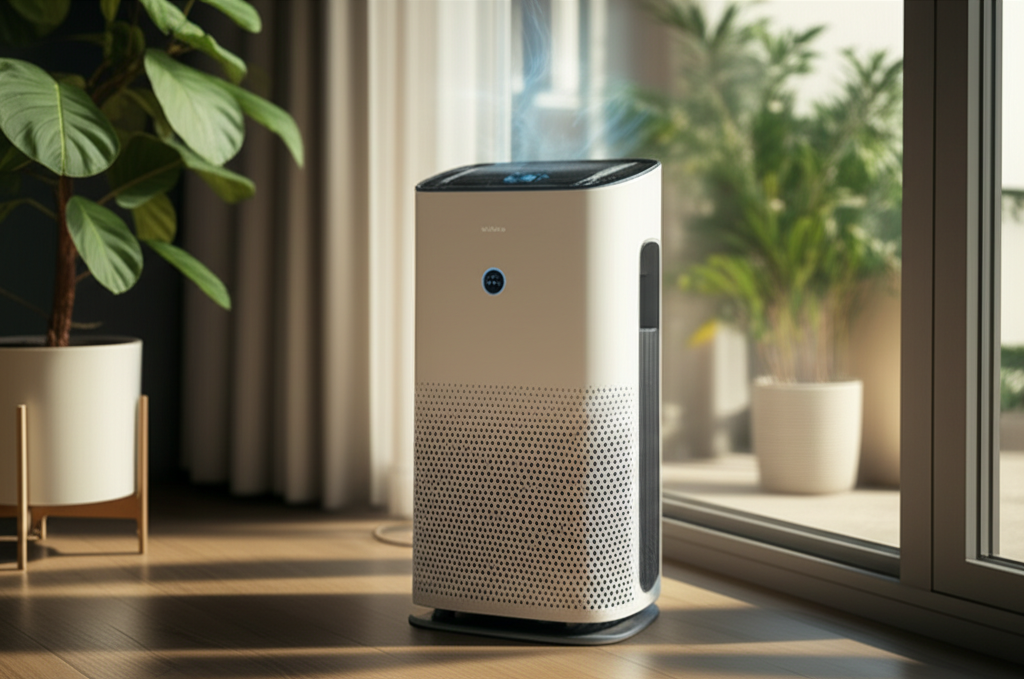
HEPA filters are essential for removing tiny particles from the air. They are made of a dense mesh that traps allergens like pollen, pet dander, and dust. True HEPA filters meet strict standards set by the U.S. Department of Energy. These filters are crucial for allergy and asthma sufferers.
Activated Carbon Filters: Tackling Odors
Activated carbon filters are great for absorbing gases and odors. They work by trapping smell molecules. This is especially helpful for eliminating cooking smells, pet odors, and smoke. Many air purifiers include both HEPA and activated carbon filters.
Other Technologies: UV-C and Ionizers
UV-C light can kill bacteria and viruses. However, its effectiveness in home air purifiers can vary. Ionizers release negative ions that attach to particles, making them fall to the ground. Some studies suggest ionizers can produce ozone, which can be harmful.
Key Features to Look For in an Air Purifier
When choosing an air purifier, several features are important. These include the type of filter, the unit’s coverage area, and its noise level. Energy efficiency and extra features like smart controls also play a role. Understanding these aspects will guide you to the best air purifier.
Filter Type and Replacement
The most important feature is the filter. Always look for a “True HEPA” filter for maximum particle removal. Check how often filters need to be replaced and their cost. Some filters last longer than others, impacting long-term expenses.
Room Size and CADR Rating
Air purifiers are rated for the size of room they can effectively clean. This is often shown as square footage. The Clean Air Delivery Rate (CADR) is another important metric. It measures how quickly the purifier cleans the air. Higher CADR numbers mean faster purification.
Noise Levels
Air purifiers can make noise, especially on higher settings. Check the decibel (dB) rating. For bedrooms, aim for a unit that runs quietly, ideally below 50 dB on its lowest setting. Some purifiers have a “sleep mode” for quieter operation at night.
Energy Efficiency
Look for Energy Star certified models. These use less electricity, saving you money on your energy bills. While purifiers are generally energy efficient, choosing an Energy Star model is a smart, eco-friendly choice.
Top Air Purifier Brands and Models
Several brands offer high-quality air purifiers. Coway, Levoit, Blueair, and Honeywell are popular choices. Each brand has models with different features and price points. Researching specific models based on your needs is key.
Coway Airmega Series
Coway’s Airmega models are known for their powerful performance and smart features. They often include multi-stage filtration and air quality sensors. These units are great for medium to large rooms.
Levoit Core Series
Levoit offers affordable and effective air purifiers. The Core series is popular for its compact size and True HEPA filters. They are a good choice for bedrooms or smaller living spaces.
Blueair Classic Series
Blueair purifiers are recognized for their stylish design and quiet operation. They use a combination of electrostatic and mechanical filtration. These are excellent for those who prioritize aesthetics and performance.
How to Choose the Right Air Purifier for Your Needs
The best air purifier for you depends on your specific situation. Consider your budget, the size of your rooms, and what you want to filter. Are you dealing with allergies, pet dander, or smoke? Answering these questions will help narrow down your choices.
For Allergy Sufferers
If allergies are your main concern, prioritize True HEPA filters. Look for models with high CADR ratings for quick removal of allergens. A unit that can handle your room size is essential.
For Pet Owners
Pet owners often need to combat dander and odors. An air purifier with a robust activated carbon filter alongside a HEPA filter is ideal. Some models have pre-filters to catch larger pet hair.
For Odor Control
To tackle strong odors from cooking, pets, or smoke, an activated carbon filter is crucial. The more activated carbon the purifier has, the better it will be at odor absorption.
Setting Up and Maintaining Your Air Purifier
Proper setup and regular maintenance ensure your air purifier works best. Follow the manufacturer’s instructions carefully. Keeping your unit clean will extend its lifespan and effectiveness.
Initial Setup
Unpack your air purifier and remove any protective packaging from the filters. Place the unit on a flat surface, away from walls or furniture, to allow for good air circulation. Plug it in and select your desired fan speed.
Filter Replacement Schedule
Filters need regular replacement to maintain performance. Check the manual for the recommended schedule. Most HEPA filters need replacing every 6-12 months. Activated carbon filters may need replacing more often.
Cleaning Your Air Purifier
Dust the exterior of your air purifier regularly. Some units have washable pre-filters that can be cleaned. Never wash HEPA or activated carbon filters, as this will damage them.
Frequently Asked Questions About Air Purifiers
What is the most important feature of an air purifier?
The most important feature is the True HEPA filter. It captures 99.97% of tiny particles that can affect your health.
How do I know what size air purifier to buy?
Check the CADR rating and the manufacturer’s recommended room square footage. Match this to the size of the room where you’ll use it.
How often should I change the filters?
This depends on the model and your air quality. Usually, HEPA filters last 6-12 months, and carbon filters may need changing every 3-6 months.
Can air purifiers help with COVID-19?
Yes, HEPA air purifiers can help reduce airborne virus particles in a room. They are a good addition to other safety measures.
Are air purifiers noisy?
Some can be, especially on high settings. Look for models with a low decibel (dB) rating or a sleep mode for quiet operation.
Conclusion: Finding Your Best Air Purifier
Choosing the best air purifier doesn’t have to be complicated. By focusing on True HEPA filtration, matching the unit’s size to your room, and considering your specific needs like allergies or odors, you can find a great solution. Brands like Coway, Levoit, and Blueair offer reliable options. Investing in a good air purifier means investing in your health and comfort. Start breathing cleaner, fresher air today.
