Can Air Purifiers Prevent You From Getting Sick? Proven Defense

Yes, air purifiers can significantly help prevent you from getting sick by removing airborne pathogens like viruses and bacteria, allergens, and irritants that weaken your immune system. They act as a crucial layer of defense in your home, creating a healthier environment.
Breathing clean air is fundamental to our well-being, yet the invisible threats lurking in our indoor environments can compromise our health. Many of us wonder, “Can air purifiers prevent you from getting sick?” It’s a valid question, especially as cold and flu season approaches or when allergies flare up. The good news is that with the right knowledge and the right technology, you can build a robust defense against airborne illnesses. Let’s explore how air purifiers work and how they can become your proven allies in staying healthy.
How Air Purifiers Combat Airborne Illnesses
Air purifiers are designed to capture and remove airborne contaminants that can cause or exacerbate illnesses. They achieve this through various filtration technologies, effectively cleaning the air you breathe. Understanding these mechanisms is key to appreciating their role in preventing sickness.
The Science Behind Cleaner Air

At their core, air purifiers use a system of fans to draw in air from your room. This air then passes through a series of filters, each designed to trap different types of pollutants. The cleaner air is then recirculated back into the room, reducing the concentration of harmful particles.
HEPA Filters: The Gold Standard
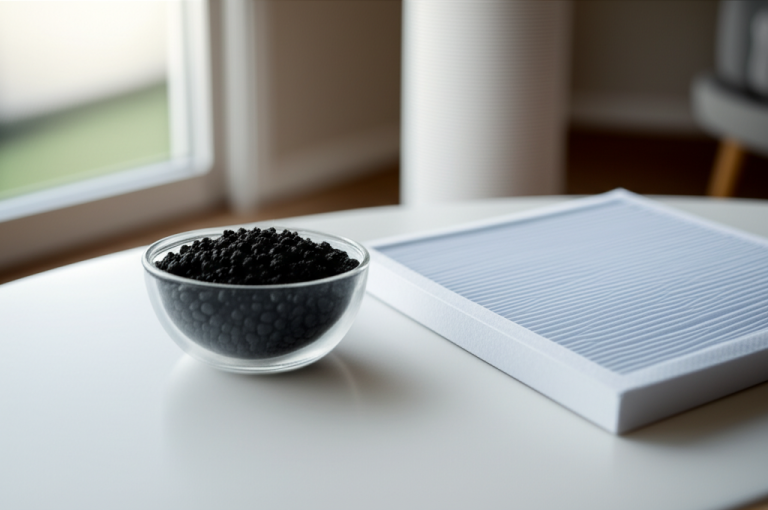
High-Efficiency Particulate Air (HEPA) filters are widely recognized as the most effective for capturing microscopic particles. True HEPA filters are certified to trap at least 99.97% of airborne particles 0.3 microns in size. This includes common disease carriers like viruses, bacteria, and mold spores.
Activated Carbon Filters for Odors and VOCs
Beyond physical particles, air purifiers often include activated carbon filters. These filters excel at adsorbing gases, volatile organic compounds (VOCs), and odors. While not directly preventing viral transmission, removing VOCs can improve overall respiratory health, making you less susceptible to illness.
UV-C Light Technology: A Germicidal Boost
Some advanced air purifiers incorporate UV-C light technology. When airborne pathogens pass through the UV-C light, the radiation damages their DNA or RNA, rendering them inactive and unable to reproduce. This adds an extra layer of germicidal protection.
Can Air Purifiers Prevent You From Getting Sick? The Direct Impact
The direct impact of air purifiers on preventing sickness comes from their ability to reduce exposure to airborne pathogens and allergens. By clearing the air, they create an environment less conducive to illness.
Reducing Exposure to Viruses and Bacteria
When someone coughs or sneezes, microscopic droplets containing viruses and bacteria are released into the air. Air purifiers with effective filtration can capture these droplets before they have a chance to settle or be inhaled by others. This significantly lowers the risk of transmission within a shared space.
Combating Allergens and Irritants
Allergens like pollen, dust mites, and pet dander can trigger respiratory symptoms, inflammation, and weaken your immune system. By removing these irritants, air purifiers help maintain a healthier respiratory tract, making it more resilient against infections. A less stressed respiratory system is better equipped to fight off pathogens.
Creating a Healthier Home Environment
A consistent clean air environment reduces the overall burden on your body’s defenses. When your body isn’t constantly fighting off irritants or allergens, it can better focus its energy on combating actual infections. This proactive approach to air quality is a key part of staying healthy.
Choosing the Right Air Purifier for Sickness Prevention
Not all air purifiers are created equal, and selecting the right one is crucial for effective illness prevention. Consider the size of your space, the types of pollutants you’re most concerned about, and the technologies employed.
Key Features to Look For
When shopping for an air purifier, prioritize models with true HEPA filters. Look for appropriate Clean Air Delivery Rate (CADR) ratings for your room size. Additional features like activated carbon filters and UV-C lights can offer enhanced protection.
Understanding CADR Ratings
The CADR rating indicates how quickly an air purifier can clean a room of specific pollutants like smoke, dust, and pollen. A higher CADR means faster and more effective air cleaning. Always match the CADR to the square footage of the room you intend to use it in.
Placement and Maintenance for Optimal Performance
Proper placement is essential for maximizing an air purifier’s effectiveness. Place it in a central location where air can circulate freely. Regular maintenance, such as cleaning pre-filters and replacing HEPA and carbon filters according to manufacturer recommendations, is vital to ensure continued performance.
Evidence and Studies Supporting Air Purifiers
The effectiveness of air purifiers in improving indoor air quality and potentially reducing the spread of airborne diseases is supported by scientific research. While they are not a guaranteed shield, they are a valuable tool.
Impact on Respiratory Health
Studies have shown that air purifiers can significantly reduce indoor levels of particulate matter and allergens, leading to improved respiratory health outcomes. Reduced exposure to these irritants can mean fewer asthma attacks and less severe allergy symptoms. This is a direct benefit that supports overall wellness.
Reducing Transmission of Airborne Pathogens
Research, particularly in healthcare settings, has demonstrated the role of air filtration in reducing the transmission of airborne pathogens. For instance, studies on influenza and other respiratory viruses suggest that air purifiers can help decrease their presence in the air. The U.S. Environmental Protection Agency (EPA) acknowledges air cleaners as a component of a comprehensive strategy for improving indoor air quality.
Comparing Air Purifier Technologies
Different technologies offer varying degrees of protection. For preventing sickness, a combination of HEPA filtration and potentially UV-C light offers a robust defense. Activated carbon is more for comfort and removing non-pathogenic irritants.
Air Purifiers vs. Other Indoor Air Quality Solutions
While air purifiers are a powerful tool, they are most effective when integrated into a broader strategy for maintaining healthy indoor air. Other solutions complement their function.
Ventilation and Air Exchange
Opening windows for natural ventilation is highly beneficial for diluting indoor air contaminants. However, this is not always practical due to outdoor air quality, weather, or security concerns. Air purifiers offer a consistent solution when ventilation is limited.
Source Control
Reducing the sources of pollution indoors, such as avoiding smoking indoors, using low-VOC paints, and managing humidity to prevent mold growth, is also critical. Source control directly minimizes what the air purifier needs to remove. It’s about tackling the problem at its root.
Houseplants and Natural Air Purification
While houseplants can contribute to a pleasant atmosphere and may filter some VOCs, their capacity to significantly purify air and prevent illness is limited compared to mechanical air purifiers. They are a lovely addition but not a substitute for effective filtration. Their impact on airborne pathogens is negligible.
Common Misconceptions About Air Purifiers
It’s important to separate fact from fiction when it comes to air purifier capabilities. Understanding what they can and cannot do helps set realistic expectations.
“Air Purifiers Kill All Germs”
This is a common misconception. While UV-C light can deactivate some germs, and HEPA filters trap them, no air purifier can guarantee the elimination of 100% of all airborne microorganisms. Their primary function is to reduce, not eradicate.
“Any Air Purifier Will Do”
As discussed, the effectiveness varies greatly depending on the type of filter, CADR rating, and overall design. Choosing a unit that is appropriately sized and equipped with true HEPA filtration is essential for achieving the desired health benefits. A cheap, undersized unit may offer minimal protection.
“Air Purifiers Replace the Need for Cleaning”
Air purifiers capture airborne particles, but they don’t address settled dust, dirt, or surface contaminants. Regular cleaning, dusting, and vacuuming remain essential for a truly healthy home environment. They work in tandem with good housekeeping practices.
When to Consider Using an Air Purifier for Health
There are specific times and situations where an air purifier can offer significant health advantages. Recognizing these can help you make informed decisions about your home environment.
During Cold and Flu Season
As respiratory viruses spread more readily during colder months, an air purifier can act as a proactive defense. It helps reduce the concentration of virus-laden droplets in shared living spaces, potentially lowering the risk of infection for household members. This is when their role becomes most critical.
For Allergy Sufferers
Individuals with allergies or asthma often find relief with air purifiers. By removing pollen, dust mites, pet dander, and mold spores, they can significantly reduce symptom severity and improve overall respiratory comfort. This creates a sanctuary from airborne allergens.
In Homes with Vulnerable Individuals
For households with infants, the elderly, or individuals with compromised immune systems, maintaining exceptionally clean indoor air is paramount. Air purifiers can provide an extra layer of protection against airborne illnesses that these individuals are more susceptible to. Their health is a priority.
Areas with Poor Outdoor Air Quality
If you live in an area with high levels of outdoor pollution, smog, or smoke from wildfires, an air purifier can help keep your indoor air cleaner. It acts as a barrier against these external pollutants entering and circulating within your home. This is especially important for city dwellers or those in affected regions.
Frequently Asked Questions About Air Purifiers and Sickness
Can an air purifier stop me from catching a cold?
An air purifier can help reduce the concentration of cold viruses in the air, thus lowering your risk of catching a cold. However, it’s not a guarantee, as transmission can also occur through direct contact or touching contaminated surfaces.
Do air purifiers actually work for viruses?
Yes, air purifiers with HEPA filters are effective at capturing airborne virus particles. Some also use UV-C light to neutralize viruses, further enhancing their effectiveness against viral transmission.
What is the best type of air purifier for preventing illness?
The best air purifiers for preventing illness typically feature true HEPA filters to capture small particles like viruses and bacteria, along with activated carbon filters to remove odors and VOCs. UV-C light technology can provide an additional layer of germicidal protection.
How often should I run my air purifier to stay healthy?
For maximum benefit, it’s recommended to run your air purifier continuously, especially in shared living spaces or when someone in the household is unwell. This ensures constant filtration of the air.
Can air purifiers help with airborne bacteria?
Absolutely. HEPA filters are highly effective at capturing airborne bacteria, which are often larger than viruses but still pose a health risk. Removing them contributes to a healthier indoor environment.
Are there any downsides to using air purifiers?
The main considerations are the ongoing cost of replacement filters and the electricity used. Some purifiers can also produce a low level of ozone, though reputable brands minimize this significantly. Proper maintenance is also key.
Conclusion: Your Proven Defense for Healthier Air
So, can air purifiers prevent you from getting sick? The answer is a resounding yes, with important caveats. By effectively removing airborne pathogens, allergens, and irritants, air purifiers act as a crucial layer in your home’s defense system. They work by trapping microscopic threats with HEPA filters, neutralizing gases with activated carbon, and sometimes deactivating germs with UV-C light. While not a magical cure-all, a well-chosen and properly maintained air purifier significantly reduces your exposure to illness-causing agents, supports your respiratory health, and contributes to a generally healthier living space. For proven defense against airborne sickness, integrating an air purifier into your healthy home strategy is a wise and effective step.