
Can Air Purifier Reduce Heat? Essential Guide

No, air purifiers are not designed to reduce ambient room temperature directly, but they can contribute to a cooler feeling by improving air circulation and removing heat-generating particles.
Can Air Purifier Reduce Heat? Your Essential Guide to Cooler Air
Feeling the heat and wondering if your trusty air purifier can offer some relief? It’s a common question, especially as summer temperatures rise. While air purifiers primarily focus on cleaning the air, their operation can sometimes influence how warm or cool a room feels. This guide will break down the science, explore what an air purifier can and cannot do for your room’s temperature, and offer practical tips for staying comfortable. Let’s uncover how these devices might indirectly help you beat the heat.
Understanding How Air Purifiers Work
Air purifiers work by drawing in air, passing it through a series of filters, and then releasing cleaner air back into the room. They utilize fans to move air, which is crucial for their purification process. This constant airflow can create a subtle cooling sensation, similar to a gentle breeze.
The Role of the Fan in Air Circulation
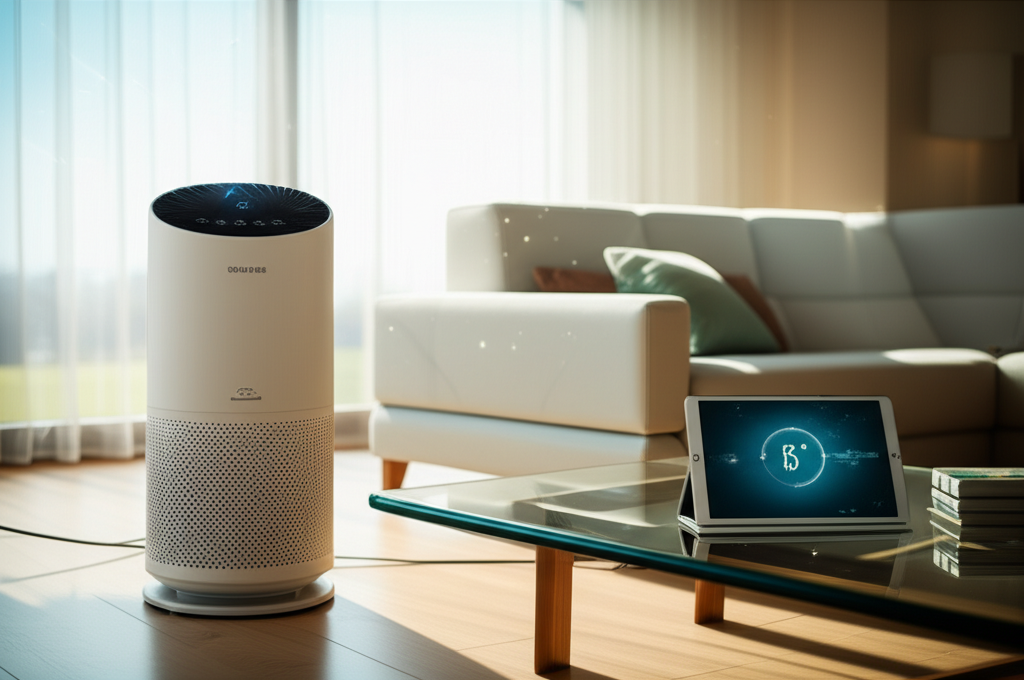
The fan inside an air purifier is its engine, constantly moving air. This movement helps to dissipate heat that might be trapped in stagnant air pockets. Think of it like a mild, localized breeze that can make you feel a bit cooler, even if the actual room temperature doesn’t change significantly.
Impact of Airflow on Perceived Temperature
The perceived temperature is often influenced by how well heat dissipates from your skin. When an air purifier circulates air, it enhances this dissipation, making the environment feel more comfortable. This is why even a ceiling fan can make a room feel cooler without altering the thermometer.
Heat Generated by Air Purifier Components
Like any electronic device, air purifiers generate a small amount of heat as a byproduct of their operation. This is primarily due to the motor powering the fan and the electronic components. However, for most modern, energy-efficient air purifiers, this heat output is minimal and unlikely to noticeably increase room temperature.
Factors Influencing Heat Output
The amount of heat an air purifier generates depends on its size, power consumption, and fan speed. Larger units with more powerful fans might produce slightly more heat than smaller, more compact models. Energy Star certified models are designed to minimize heat generation and overall energy usage.
Air Purifiers vs. Air Conditioners: Key Differences
It’s vital to distinguish between air purifiers and air conditioners. Air conditioners actively cool the air by removing heat and humidity through a refrigeration cycle. Air purifiers, on the other hand, focus solely on cleaning the air and do not have a cooling mechanism.
Cooling Mechanisms Explained
An air conditioner uses a refrigerant to absorb heat from the indoor air and release it outdoors. This process directly lowers the room’s temperature. Air purifiers lack this capability; their primary function is filtration, not temperature regulation.
Can Air Purifier Reduce Heat? The Direct Answer
Directly, no, an air purifier cannot reduce the actual temperature of your room. They do not possess the components or the mechanism to cool the air like an air conditioner does. Their purpose is to improve air quality by removing pollutants, not to alter the thermal environment.
Why the Confusion?
The confusion often arises because the airflow generated by an air purifier can create a sensation of coolness. This circulating air can help evaporate moisture from your skin, leading to a feeling of being cooler, even if the ambient temperature remains the same.
Indirect Ways Air Purifiers Can Contribute to a Cooler Feel
While they don’t cool the air directly, air purifiers can indirectly enhance your comfort during warmer months. By improving air circulation and removing certain heat-contributing particles, they can create a more pleasant environment.
Improving Air Circulation for Better Comfort
As mentioned, the fan in an air purifier constantly moves air around the room. This continuous circulation prevents air from becoming stagnant and can help distribute any existing cool air more effectively. It creates a more uniform temperature and reduces hot spots.
The Breeze Effect for Perceived Cooling
The gentle breeze created by the air purifier’s fan can be surprisingly effective at making you feel cooler. This is due to evaporative cooling, where moving air helps sweat evaporate from your skin, a natural cooling process. This effect is more pronounced when the air purifier is placed strategically.
Removing Heat-Generating Particles from the Air
Certain airborne particles, like dust and volatile organic compounds (VOCs), can absorb and radiate heat. By filtering these particles out of the air, an air purifier can subtly reduce the amount of heat being radiated within the room. This is a minor effect but contributes to overall air quality and comfort.
Understanding Particle Absorption of Heat
Dust particles, especially those that are dark in color, can absorb solar radiation or heat from other sources and then re-radiate it into the room. By trapping these particles, HEPA filters and activated carbon filters in an air purifier help mitigate this minor heat contribution.
Optimizing Air Purifier Placement for Maximum Airflow
Where you place your air purifier can significantly impact its ability to circulate air and contribute to a cooler feeling. Strategic placement maximizes its benefits.
Ideal Locations for Air Purifier Placement
Place your air purifier in a central location in the room, away from walls or furniture that might obstruct airflow. Positioning it near a window or an area where you spend most of your time can enhance the perceived cooling effect.
Avoiding Obstructions for Unhindered Airflow
Ensure there’s ample space around the air purifier for air to be drawn in and expelled freely. Blocking the intake or output vents will reduce its efficiency and can even cause the unit to work harder, potentially generating more heat.
Using Air Purifiers in Conjunction with Other Cooling Methods
Air purifiers work best when used alongside other cooling solutions. Combining them with fans or air conditioners can create a more comprehensive approach to managing room temperature and air quality.
Synergy with Fans and Air Conditioners
When used with a ceiling fan or portable fan, an air purifier’s circulating air can be further distributed, enhancing the cooling sensation. If you have an air conditioner, an air purifier can help remove odors and allergens that might be exacerbated by the AC’s recirculated air.
Choosing the Right Air Purifier for Air Quality and Comfort
While not a primary cooling device, selecting the right air purifier can still contribute to a more comfortable environment. Look for features that enhance airflow and filtration efficiency.
Key Features to Consider
When shopping for an air purifier, consider the CADR (Clean Air Delivery Rate), which indicates how quickly the unit can filter air. Higher CADR ratings generally mean more powerful airflow. Also, look for multiple fan speeds to adjust the level of air circulation.
HEPA Filters and Activated Carbon Filters
HEPA filters are essential for capturing fine particles like dust, pollen, and pet dander. Activated carbon filters are excellent at absorbing odors and VOCs, which can sometimes contribute to a stuffy or warm feeling. Both contribute to cleaner, fresher air.
Energy Efficiency and Noise Levels
Choosing an energy-efficient model, like those with Energy Star certification, means it will generate less heat and use less electricity. Quieter models are also preferable, especially if you plan to run the unit continuously.
Understanding Energy Star Certification
Energy Star certified products meet strict energy efficiency guidelines set by the U.S. Environmental Protection Agency. This means they use less energy, produce less heat, and have a lower environmental impact.
Maximizing Comfort: Tips Beyond Air Purification
Achieving a cooler and more comfortable living space involves a multi-faceted approach. Air purifiers play a supporting role, but other strategies are essential.
Ventilation Strategies for Cooler Air
Proper ventilation is key to managing indoor temperatures. Opening windows and doors during cooler parts of the day, like early morning or late evening, can help flush out warm air and bring in cooler outside air.
Cross-Ventilation Techniques
Create cross-ventilation by opening windows on opposite sides of your home to allow air to flow through. This natural airflow can significantly reduce indoor temperatures without relying solely on mechanical cooling.
Window Treatments and Insulation
Keeping your home insulated and managing sunlight can have a substantial impact on temperature. Use blackout curtains or blinds to block direct sunlight, which is a major source of heat gain. Ensure your home is well-insulated to keep cool air in and hot air out.
The Role of Blackout Curtains
Blackout curtains are designed to block out nearly all light, and by extension, a significant amount of solar heat. Hanging them on windows that receive direct sunlight can dramatically lower the temperature inside your home.
Smart Thermostat Usage and Ceiling Fans
Smart thermostats can help optimize your cooling efforts by learning your preferences and adjusting temperatures automatically. Ceiling fans are excellent for circulating air and creating a cooling breeze, allowing you to set your air conditioner a few degrees higher without sacrificing comfort.
How Ceiling Fans Enhance Cooling
Ceiling fans create a wind chill effect by moving air across your skin. This allows your body’s natural cooling process to work more effectively, making you feel cooler. This means you can often raise your thermostat by 4°F (about 2°C) and still feel comfortable.
Common Misconceptions About Air Purifiers and Heat
It’s easy to misunderstand the capabilities of air purifiers, especially when trying to combat rising temperatures. Let’s clarify some common misconceptions.
Air Purifiers as a Replacement for AC
An air purifier is not a substitute for an air conditioner. Air conditioners actively cool the air through a mechanical process, while air purifiers only circulate and clean it. Relying solely on an air purifier to cool a hot room will likely lead to disappointment.
Understanding the Cooling Process
The cooling process in an air conditioner involves refrigerants and compressors that remove heat from the air. Air purifiers lack these components; their fans simply move existing air.
The Impact of Air Purifier Size on Cooling
While a larger air purifier might move more air, its size doesn’t inherently give it cooling capabilities. The primary factor is the fan’s power and airflow rate, not the unit’s overall dimensions. A large unit will still only filter air, not cool it.
Airflow Rate vs. Unit Size
Focus on the CADR (Clean Air Delivery Rate) and CFM (Cubic Feet per Minute) ratings when assessing an air purifier’s ability to circulate air effectively. These metrics provide a better indication of performance than the physical size of the unit.
Maintaining Your Air Purifier for Optimal Performance
Regular maintenance ensures your air purifier functions at its best, both for air quality and for maximizing its airflow benefits. Dirty filters can impede performance.
Cleaning and Replacing Filters
Always follow the manufacturer’s instructions for cleaning or replacing filters. Clogged filters restrict airflow, reducing the unit’s effectiveness and potentially causing it to work harder. This can diminish the subtle cooling effect and impact air quality.
Filter Lifespan and Replacement Schedule
HEPA filters typically need replacement every 6-12 months, while pre-filters may need cleaning monthly. Activated carbon filters often last 3-6 months depending on the pollutants in your air. Check your manual for specific recommendations.
Regular Unit Cleaning
Wipe down the exterior of your air purifier and clean the fan blades periodically. Dust buildup on the fan can reduce its efficiency and potentially lead to more noise. A clean unit operates more smoothly.
Ensuring Proper Fan Functionality
A clean fan can spin more freely and efficiently, maximizing the airflow. This ensures you get the most out of the circulation effect that might contribute to a cooler feeling.
Can Air Purifier Reduce Heat? A Summary of Benefits
While air purifiers don’t cool rooms, they offer indirect benefits that can enhance your comfort during warmer weather. Their contribution to a cooler feel is subtle but real.
Summary of Indirect Cooling Contributions
Improved Air Circulation: The fan creates a breeze that aids in evaporative cooling.
Removal of Heat-Absorbing Particles: Filtering dust and VOCs can reduce minor heat radiation.
* Enhanced Comfort with Other Cooling Methods: Works well with fans and AC units to create a more pleasant environment.
The Importance of Air Quality for Comfort
Beyond temperature, clean air contributes significantly to overall comfort. Removing allergens, dust, and pollutants can make a stuffy room feel fresher and more breathable, which is particularly welcome when it’s hot.
Frequently Asked Questions
Q1: Will an air purifier make my room colder?
No, an air purifier will not actively lower the temperature of your room. It primarily cleans the air by filtering out pollutants. However, the fan can create a breeze that makes you feel cooler.
Q2: Can I use an air purifier instead of an air conditioner?
No, an air purifier is not a replacement for an air conditioner. Air conditioners are designed to cool the air, while air purifiers are designed to clean it.
Q3: Do air purifiers generate heat?
Yes, like most electronic devices, air purifiers generate a small amount of heat from their motor and components. However, this heat output is typically minimal and unlikely to noticeably increase room temperature.
Q4: How can I make my room feel cooler with an air purifier?
Place your air purifier in a central location and run it on a higher fan setting to maximize air circulation. This airflow can create a wind-chill effect, making you feel cooler.
Q5: What is the difference between an air purifier and a fan?
A fan primarily moves air to create a cooling sensation. An air purifier moves air through filters to remove pollutants and also creates a cooling sensation due to airflow.
Q6: Can air purifiers help with stuffy, hot air?
Yes, by circulating the air and filtering out pollutants and odors, an air purifier can make stuffy, hot air feel fresher and more breathable, contributing to a more comfortable environment.
Conclusion
So, can air purifier reduce heat? The straightforward answer is no, not directly. Air purifiers are specialized devices for improving air quality, not for regulating room temperature. They cannot cool your home like an air conditioner. However, their operation, particularly the fan, does circulate air, which can create a noticeable breeze and a feeling of coolness through evaporative cooling. Furthermore, by removing particles that can absorb and radiate heat, they offer a subtle indirect benefit. For genuine temperature reduction, an air conditioner or proper ventilation is necessary. But when used strategically alongside other cooling methods, your air purifier can certainly contribute to a more comfortable and breathable environment, making those warmer days feel more manageable.
