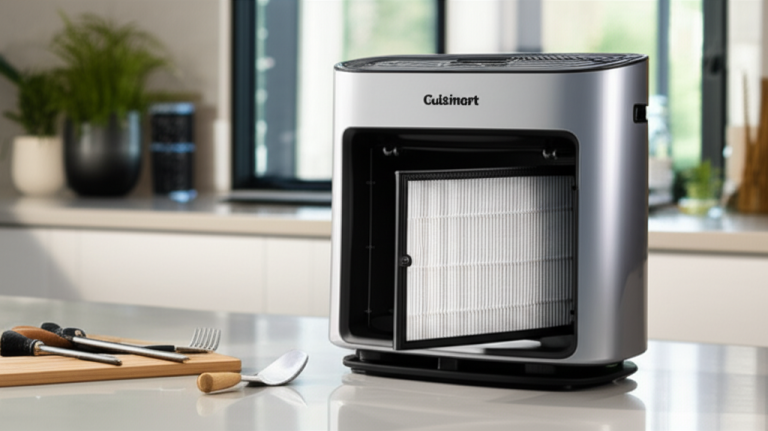
Can Air Purifier Reduce Humidity? Proven Essential!

Yes, while primarily designed for air purification, some air purifiers can indirectly help reduce humidity, especially those with specific features like a dehumidifying mode or a HEPA filter that captures moisture-carrying particles.
Struggling with that sticky, damp feeling in your home? You’re not alone. High humidity can lead to mold, dust mites, and an uncomfortable living environment. You might be wondering, “Can air purifier reduce humidity?” The answer is a bit nuanced, but understanding how these devices work can help you manage your indoor climate effectively. Let’s explore how an air purifier might contribute to a drier, healthier space and what to look for to maximize its potential.
Understanding the Link: Air Purifiers and Humidity Control
Air purifiers are primarily engineered to remove airborne contaminants like dust, pollen, pet dander, and smoke. They achieve this through various filtration systems, most commonly HEPA filters. While their main function isn’t dehumidification, the processes involved in air purification can have a secondary effect on moisture levels in your home.
The effectiveness of an air purifier in reducing humidity depends heavily on its design and features. Not all air purifiers are created equal when it comes to tackling moisture. Understanding the specific mechanisms at play is key to determining if your current unit can assist or if you need to consider a different approach.
How Air Purifiers Interact with Airborne Moisture
Air purifiers draw in air, passing it through a series of filters. If these filters are designed to capture moisture-laden particles or if the purifier has a dedicated dehumidifying function, it can contribute to lowering ambient humidity. This is particularly true for certain types of filters and models specifically designed for dual-action performance.
The physical process of drawing air through a purifier, especially one with a dense filter, can slightly reduce the amount of water vapor suspended in the air. However, this effect is generally less pronounced than that of a dedicated dehumidifier.
HEPA Filters and Their Role in Moisture Management
High-Efficiency Particulate Air (HEPA) filters are designed to capture extremely small particles. Many airborne particles that contribute to poor air quality, such as mold spores and dust mite allergens, thrive in humid environments. By capturing these particles, a HEPA filter can indirectly help mitigate the effects of humidity, even if it doesn’t directly remove water vapor.
A HEPA filter itself doesn’t absorb water vapor from the air. Instead, it traps microscopic particles that are often associated with damp conditions. This removal of allergens and irritants is a significant benefit for those sensitive to humidity’s impact on air quality.
Dehumidifying Modes: The Direct Approach
Some advanced air purifiers are equipped with a specific dehumidifying mode or a built-in dehumidifier component. These units are designed to actively remove moisture from the air, often by cooling the air to condense water vapor, similar to a standalone dehumidifier. When exploring options, look for purifiers that explicitly state dehumidification capabilities.
These dual-action machines offer a more direct solution for high humidity. They combine the benefits of air purification with the essential function of moisture removal, providing a comprehensive approach to indoor air quality management.
Can Air Purifier Reduce Humidity? The Nuance Explained
So, can air purifier reduce humidity? In most cases, a standard air purifier will have a minimal impact on overall humidity levels. Their primary function is particle filtration. However, units with specific dehumidifying features or those employing advanced filtration technologies that capture moisture-carrying particles can contribute to a drier environment.
It’s crucial to differentiate between purifiers that merely filter air and those that actively remove water vapor. While both can improve air quality, only the latter will significantly impact your home’s humidity percentage.
Factors Influencing Effectiveness
Several factors determine how effectively an air purifier can impact humidity. These include the unit’s capacity, the size of the room, the existing humidity level, and whether it possesses specific dehumidifying capabilities. A small purifier in a large, very damp room will likely have a negligible effect on humidity.
The airflow rate (CADR) of the purifier also plays a role, as a higher rate means more air is processed. However, this processing is still focused on particle removal unless dehumidification is a built-in feature.
When a Dehumidifier is a Better Choice
If your primary concern is significantly high humidity, a dedicated dehumidifier is almost always the more effective solution. Dehumidifiers are specifically designed to extract large amounts of water from the air, directly addressing the root cause of dampness, mold growth, and musty odors. Air purifiers, even those with some moisture-related benefits, are not a substitute for a robust dehumidification system.
For persistent dampness or areas prone to mold, investing in a high-quality dehumidifier is recommended. This ensures your home’s moisture levels are managed efficiently and effectively, safeguarding your health and property.
Choosing the Right Air Purifier for Humidity Concerns
When selecting an air purifier with an eye toward humidity, look for models that explicitly mention dehumidifying functions or feature advanced filters capable of trapping moisture-related allergens like mold spores. Check the product specifications carefully to understand its capabilities. Reading reviews from users who have similar humidity issues can also provide valuable insights.
Consider units with a built-in hygrometer to monitor humidity levels, and those that can be paired with a separate dehumidifier for optimal climate control. This integrated approach ensures your air is both clean and comfortably dry.
Maintenance Tips for Optimal Performance
Regular maintenance of your air purifier is crucial, especially if you’re hoping it will assist with humidity. This includes cleaning or replacing filters according to the manufacturer’s recommendations. Dirty filters can reduce airflow and hinder the unit’s ability to process air effectively, impacting its potential to manage any moisture-related particles.
If your purifier has a dehumidifying function, ensure the water collection tank is emptied regularly. Proper upkeep ensures the unit operates at peak efficiency, whether it’s purifying air or managing moisture.
FAQ: Can Air Purifier Reduce Humidity?
Do air purifiers remove moisture from the air?
Standard air purifiers primarily remove airborne particles like dust and allergens. Only air purifiers with a specific dehumidifying function or advanced moisture-capturing filters can actively remove moisture from the air.
Will a HEPA filter reduce humidity?
A HEPA filter captures particles, including mold spores and dust mite allergens, which thrive in humid conditions. While it doesn’t directly remove water vapor, it helps mitigate the effects of humidity on air quality by trapping these associated contaminants.
What’s the difference between an air purifier and a dehumidifier?
An air purifier cleans the air by filtering out pollutants. A dehumidifier removes excess moisture from the air to control humidity levels. Some units combine both functions.
Can an air purifier help with mold growth?
By capturing airborne mold spores, an air purifier can help prevent the spread of mold and reduce exposure to mold allergens. However, it does not address the underlying moisture issue that causes mold to grow.
How can I tell if my air purifier is helping with humidity?
You can monitor your home’s humidity levels with a hygrometer. If you notice a slight decrease in humidity after running your air purifier, especially if it has dehumidifying features, it may be contributing. However, significant reductions usually require a dedicated dehumidifier.
Are there air purifiers specifically designed for high humidity?
Yes, some air purifiers are designed as hybrid units that include a built-in dehumidifier. These are marketed for their dual-action capabilities in improving both air purity and humidity control.
Should I use an air purifier and a dehumidifier together?
Using an air purifier and a dehumidifier together can be highly beneficial for comprehensive indoor air quality management. The dehumidifier tackles excess moisture, while the air purifier removes airborne particles and allergens, creating a healthier environment.
Conclusion: A Complementary Tool, Not a Standalone Solution
In summary, can air purifier reduce humidity? The answer is a qualified yes. While a standard air purifier’s impact on humidity is minimal, units equipped with dehumidifying features or advanced filters can contribute to a drier, more comfortable living space. They are excellent at improving air quality by removing allergens and pollutants, which often go hand-in-hand with damp conditions. However, for significant humidity control, a dedicated dehumidifier remains the most effective tool.
By understanding the specific capabilities of your air purifier and considering a combination of devices, you can achieve optimal indoor air quality and a healthier home environment. Always check product specifications and consider your specific needs when making purchasing decisions.