Can Air Purifier Prevent Colds? Proven Essential

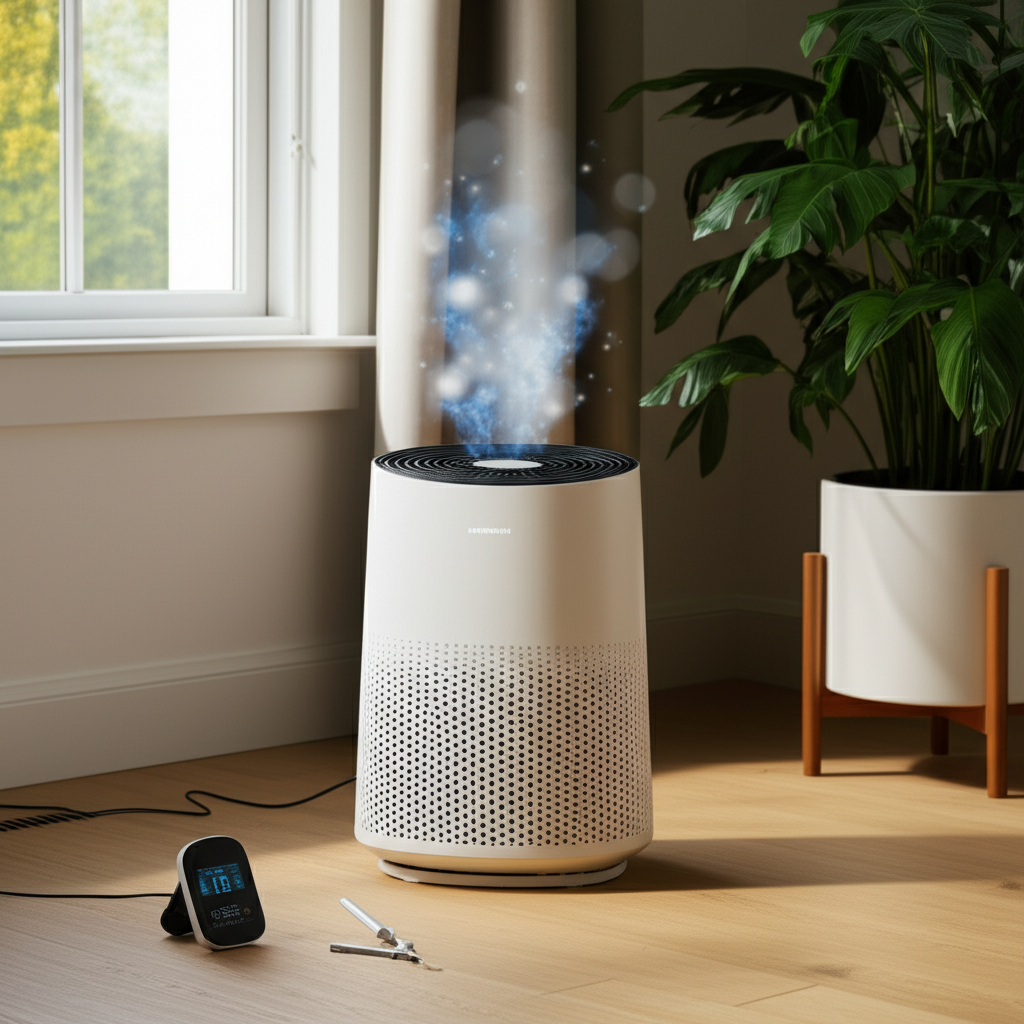
Yes, an air purifier can help reduce the transmission of cold viruses in your home by filtering airborne particles, including those carrying viruses, making it a valuable tool for a healthier indoor environment and potentially preventing colds.
Can Air Purifiers Prevent Colds? The Proven Essential for a Healthier Home
Ever wondered if that humming box in the corner of your room could actually keep the sniffles at bay? Many of us dread the common cold, especially during peak seasons, and are always on the lookout for ways to protect ourselves and our families. It’s a frustrating feeling when a simple cold sidelines you for days. Fortunately, understanding how airborne viruses spread can shed light on how tools like air purifiers might play a crucial role in your defense. Let’s dive into the science and see if an air purifier is truly an essential part of preventing colds.
What is a Cold and How Does it Spread?
A cold is a viral infection of your upper respiratory tract, primarily affecting your nose and throat. The most common culprits are rhinoviruses, which are highly contagious. These viruses spread through tiny droplets released into the air when an infected person coughs, sneezes, or talks. You can also catch a cold by touching contaminated surfaces and then touching your eyes, nose, or mouth.
Understanding this transmission pathway is key to appreciating how air purification might help. By reducing the concentration of these virus-laden droplets in the air, an air purifier can potentially lower your risk of exposure. This is especially relevant in shared indoor spaces where viruses can linger.
How Do Air Purifiers Work?
Air purifiers work by drawing in the air from a room, passing it through a series of filters, and then releasing cleaner air back into the environment. The effectiveness of an air purifier largely depends on the type of filters it uses and the quality of its design. Most modern air purifiers utilize multiple stages of filtration to capture a wide range of airborne contaminants.
The core of most air purifiers is a High-Efficiency Particulate Air (HEPA) filter. HEPA filters are designed to trap at least 99.97% of airborne particles that are 0.3 microns in size. This includes dust, pollen, pet dander, mold spores, and importantly, airborne bacteria and viruses, many of which are within or larger than this size range.
Can Air Purifiers Capture Cold Viruses?
This is the million-dollar question, and the answer is a nuanced yes. While air purifiers aren’t designed as medical devices to cure or guarantee prevention, they can significantly reduce the concentration of airborne viral particles. Cold viruses themselves are microscopic, often traveling on larger droplets or aerosols expelled by an infected person.
HEPA filters are highly effective at capturing these droplets and aerosols. By continuously circulating and filtering the air, an air purifier can remove a substantial portion of these virus-carrying particles before they have a chance to infect someone. Think of it as a constant cleanup crew for the air you breathe.
The Role of HEPA Filters in Capturing Airborne Pathogens
HEPA filters are the gold standard for air purification when it comes to capturing fine particles. Their dense mesh of randomly arranged fibers creates a barrier that traps particles through various mechanisms like impaction, interception, and diffusion. Even particles smaller than 0.3 microns can be captured due to the random motion of air molecules (diffusion).
When it comes to cold viruses, which are typically found within larger respiratory droplets or attached to smaller aerosols, HEPA filters are very capable. Studies have shown that HEPA filtration can effectively remove viruses from the air, thereby reducing the potential for airborne transmission. For instance, research published by the National Institutes of Health (NIH) has explored the efficacy of HEPA filters in removing airborne pathogens.
Other Filtration Technologies and Their Impact
While HEPA filters are crucial, many air purifiers incorporate additional filtration technologies to enhance their effectiveness. Activated carbon filters, for example, are excellent at adsorbing odors and volatile organic compounds (VOCs), but they don’t directly capture viruses. However, by removing other irritants, they contribute to overall better air quality.
Some purifiers also use UV-C light, which can kill or inactivate airborne microorganisms, including viruses, as they pass through the unit. Ionizers can also be used, though their effectiveness and potential for ozone production require careful consideration. For cold prevention, a combination of HEPA and potentially UV-C technology can offer a more comprehensive approach.
How Air Purifiers Contribute to a Healthier Indoor Environment
Beyond just viruses, air purifiers contribute to a healthier indoor environment by removing a host of common allergens and pollutants. Dust mites, mold spores, pollen, pet dander, and smoke particles are all effectively captured. Reducing exposure to these irritants can strengthen your respiratory system, making it less susceptible to infections.
A cleaner indoor environment can also improve overall well-being, leading to better sleep and reduced symptoms of allergies or asthma. When your body isn’t constantly fighting off airborne irritants, it’s better equipped to handle other challenges, like fighting off a viral invader. This holistic improvement in air quality is a significant benefit.
Factors to Consider When Choosing an Air Purifier for Cold Prevention
Selecting the right air purifier is essential for maximizing its benefits. Key factors include the size of the room it will be used in, the Clean Air Delivery Rate (CADR), and the type of filters it employs. Ensure the CADR is appropriate for your room size to guarantee effective air circulation.
Look for units with certified HEPA filters (e.g., H13 or H14 grade for maximum efficiency) and consider additional features like pre-filters to extend HEPA filter life and activated carbon for odor control. It’s also wise to check for third-party certifications that validate performance claims. Brands like Coway, Blueair, and Levoit often feature prominently in reviews for their effective HEPA-based systems.
Air Purifiers vs. Other Cold Prevention Methods
It’s important to remember that air purifiers are one part of a comprehensive cold prevention strategy. They work best when complemented by other proven methods. Good hygiene practices, such as frequent handwashing, are paramount in stopping the spread of viruses.
Maintaining good ventilation by opening windows when possible, especially in less humid weather, also helps dilute airborne contaminants. A balanced diet, adequate sleep, and stress management further bolster your immune system, making you less vulnerable to infections. An air purifier acts as a powerful supplement to these fundamental health practices.
Scientific Evidence and Expert Opinions
While definitive studies proving air purifiers prevent colds entirely are scarce due to the complexity of real-world transmission, research strongly supports their role in reducing airborne virus concentrations. For instance, studies on influenza viruses have shown that HEPA filtration can significantly reduce the number of viable virus particles in the air. The American Society of Heating, Refrigerating and Air-Conditioning Engineers (ASHRAE) also acknowledges the role of air filtration in reducing airborne transmission of infectious agents.
Experts generally agree that improving indoor air quality through filtration can be a valuable strategy, especially in shared spaces or during periods of high viral activity. They emphasize that air purifiers are a tool to reduce risk, not a foolproof guarantee against illness.
Optimizing Air Purifier Use for Maximum Benefit
To get the most out of your air purifier for cold prevention, proper placement and maintenance are key. Position the unit in the room where you spend the most time, or in areas where people are likely to gather. Ensure it has unobstructed airflow around it.
Regularly clean or replace the filters according to the manufacturer’s instructions. Clogged filters become less effective and can even recirculate trapped particles. Using your air purifier consistently, especially during cold and flu season, will provide the most benefit.
Frequently Asked Questions (FAQ)
Can an air purifier kill cold viruses?
Air purifiers with HEPA filters can capture and trap virus-containing particles, effectively removing them from the air. Some units with UV-C light technology can also inactivate viruses.
Will an air purifier stop me from getting a cold?
An air purifier can significantly reduce the number of airborne virus particles in your environment, thereby lowering your risk of infection. However, it cannot guarantee complete prevention as transmission can also occur through direct contact.
How often should I run my air purifier?
For maximum benefit, especially during cold season, it’s recommended to run your air purifier continuously in the rooms you use most frequently.
Are all air purifiers effective against viruses?
No, effectiveness varies by filter type. Units with certified HEPA filters are generally considered most effective for capturing virus-carrying particles.
Do air purifiers help with airborne transmission of colds?
Yes, by filtering out virus-laden droplets and aerosols, air purifiers help reduce the concentration of infectious agents in the air, thus mitigating airborne transmission.
What is the best type of air purifier for preventing colds?
Air purifiers equipped with True HEPA filters are best for capturing fine particles, including those that carry cold viruses. Additional features like UV-C light can offer further inactivation.
Can an air purifier prevent colds in a household with sick members?
Yes, running an air purifier in shared spaces or the sick person’s room can help reduce the spread of viruses through the air, complementing other hygiene measures.
Conclusion: An Air Purifier as a Valuable Ally Against Colds
So, can air purifiers prevent colds? While they aren’t a magic bullet, air purifiers, particularly those with True HEPA filtration, are a scientifically supported and valuable tool in reducing the airborne transmission of cold viruses. By consistently cleaning the air you breathe, they lower the concentration of virus-carrying particles, thereby reducing your exposure and risk.
Investing in a quality air purifier, understanding its role alongside essential hygiene practices like handwashing, and ensuring proper maintenance will contribute significantly to a healthier indoor environment. It’s a proactive step towards bolstering your defenses and keeping your household healthier, especially during those challenging cold and flu seasons.